
 русский
  Español
  عربى
عربى Industry News

GET A QUOTE
How Does Climate Affect Smart Lock Selection in Southeast Asia
A smart lock might look like a minor detail on a door, but what surrounds it can shape how it should be chosen in the first place. Doors across Southeast Asia deal with a wide spread of environmental conditions. Warm temperatures, humid air, heavy downpours, coastal surroundings, and constant back-and-forth between indoor and outdoor spaces all feed into what locking system actually makes sense.
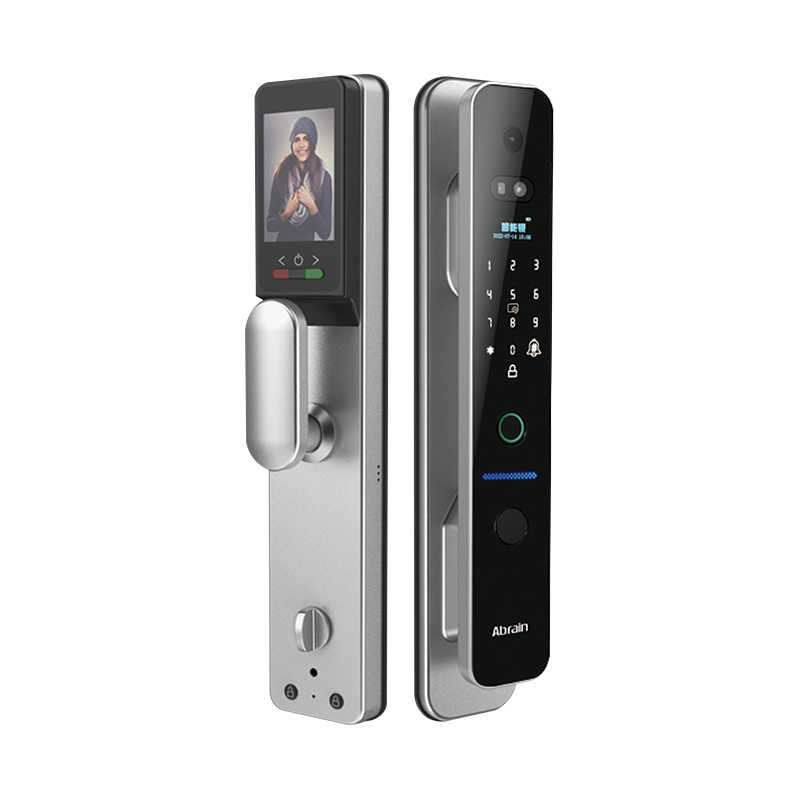
That turns climate into a real part of product selection, not just background noise. A lock built for a dry indoor setting faces a completely different set of demands once it's installed near an entrance, out on a balcony, under a covered outdoor area, or on a door that regularly meets moisture.
For buyers, distributors, and project planners, the useful question isn't which smart lock packs in more features. It's whether the lock's design actually fits the door, the building, the installation spot, and the local environment around it.
Why Does Southeast Asia's Climate Matter When Choosing a Smart Lock?
Climate shapes the conditions right around a door. A residential entrance sitting in a humid urban pocket sees completely different exposure than an interior office door tucked away inside. A coastal door faces its own set of environmental concerns compared with one sitting in a dry inland spot.
Humidity stands out as one of the clearer factors here. Moist air tends to linger around doors, hardware, and other exposed parts. Once moisture keeps showing up around a product repeatedly, material choice and enclosure design start mattering a lot more.
Rain brings its own consideration into the mix. A lock tucked under a roof might barely see direct water, while a gate or an exposed entrance can end up soaked far more often.
Sunlight deserves a look too. Doors sitting in direct sun run warmer than shaded ones nearby. Bounce back and forth between warm outdoor air and cooler air-conditioned interiors often enough, and that creates its own environmental situation for the lock to deal with.
| Environmental Factor | Selection Consideration |
|---|---|
| Humid air | Material and moisture management |
| Rain exposure | Protection around sensitive components |
| Coastal surroundings | Resistance to environmental exposure |
| Direct sunlight | Housing and installation location |
| Indoor air conditioning | Changes between indoor and outdoor conditions |
| Frequent door use | Mechanical durability and user convenience |
Climate alone doesn't dictate which product wins out, though. It just helps sketch out the conditions a product actually has to handle once it's on the door.
How Does Humidity Affect Smart Lock Selection?
Humidity touches both the door and whatever hardware sits on it. A lock can end up soaking in humid air even without ever getting hit by actual rain.
That's especially true around entrances bridging air-conditioned interiors with warm outdoor air. Moisture basically becomes part of the everyday backdrop around that door, which is exactly why material choice and how the product's built are worth thinking through carefully.
Buyers should look past the electronic features when weighing a smart lock. Housing, exposed metal parts, how it's sealed, and where it sits on the door all shape whether a product actually suits a humid setting.
Material choice deserves close attention here. Hardware going into a moisture-heavy spot should get picked based on the actual environmental conditions, not just how it looks on a shelf. Surface treatment and how well it resists corrosion matter too, once moisture becomes a regular visitor.
A sensible selection process might ask:
- Where will the lock be installed?
- Is the door exposed to humid outdoor air?
- Can rain reach the lock directly?
- Are sensitive parts protected?
- What materials cover the exposed components?
- How will the lock get maintained after installation?
Questions like these shift the buying decision away from comparing feature lists and toward actual fit for the application.
Does Rain Exposure Change the Choice of Smart Lock?
Rain isn't the same thing as humidity. Direct water contact throws a different challenge into the mix, since the lock might actually take on droplets, splashes, or water blown sideways by wind.
That makes installation location a big deal. A lock sitting under a deep entrance canopy gets some real shelter, while one bolted onto an exposed exterior gate faces conditions that demand a lot more.
The door itself shapes the situation too. Some doors sit recessed into walls, others sit flush along an exterior wall line. Water can reach the lock from very different directions depending on how the structure's built.
Buyers really need to weigh the whole installation, not just judge the lock as some standalone object sitting in a catalog.
For outdoor or semi-outdoor spots, worth thinking through:
- The position of the lock on the door.
- The amount of direct rain exposure.
- The surrounding drainage arrangement.
- The protection offered by the building structure.
- The materials used for exposed components.
- The maintenance access available after installation.
Thinking it through this way heads off a common mistake — picking a product purely on looks or feature count without ever considering the environment it'll actually be living in.
How Can Coastal Environments Influence Material Selection?
Coastal spots add another layer of exposure into the picture. Moist, salty air drifting through the surroundings can wear down exposed metal surfaces over time.
That doesn't mean every coastal installation needs the exact same product, though. Building design, where the door sits, how exposed it is, and how well it gets maintained all factor in.
Even so, material choice becomes a real part of the conversation here. Buyers might want to look closer at how exterior components are built and how well exposed surfaces are protected.
A stainless steel part, say, shouldn't get judged purely by the name printed on the spec sheet. Overall product design, surface treatment, build quality, and installation conditions all shape whether it actually holds up.
For a smart lock supplier, that opens the door to sharing more useful product information. Rather than just rattling off a feature list, product documentation can explain which installation environments actually suit the product and where it's recommended for use.
Information like that helps distributors and project buyers make sharper calls, without turning climate resistance into some overblown marketing claim.
Should Indoor and Outdoor Smart Locks Be Selected Differently?
A single building can hold several completely different door environments under one roof. An interior office door stays shielded from rain and direct sun, while the main entrance sits right out in the elements.
That means treating one product category as automatically fine for every door on the property doesn't really hold up.
A Smart Lock for Home Door, for instance, might end up on an interior entrance, a sheltered apartment door, or a fully exterior residential entrance. Each spot creates a completely different environmental situation.
Office buildings run into similar variation. A Smart Lock for Office Door sitting inside an air-conditioned hallway barely sees environmental exposure, while an access door near a parking area deals with moisture, dust, and swinging temperatures.
Selection, then, can really start with just asking where the door sits:
| Door Location | Environmental Question |
|---|---|
| Interior room | Is moisture exposure limited? |
| Main entrance | Can rain reach the lock? |
| Covered entrance | How much protection does the structure provide? |
| Exterior gate | Is the lock directly exposed? |
| Semi-outdoor passage | Are humidity and temperature changes frequent? |
Thinking in terms of location keeps buyers from treating every door as though it faces identical demands.
How Does Door Material Affect Climate-Based Selection?
Climate is only half the picture. The door itself matters just as much.
Wooden doors, metal doors, composite doors, and other structures all carry their own installation quirks. A lock has to fit the door's construction and mesh naturally with whatever hardware's already there.
A Smart Lock for Wooden Door might need particular attention paid to the door's structure, the installation spot, and any existing lock preparation already cut into it. Moisture matters here too, since door and lock share the same surrounding environment.
A Smart Wooden Door Lock, then, should really get evaluated as part of the whole door assembly rather than treated like some standalone electronic gadget.
Door movement is worth a mention too. Humidity can warp certain door materials over time, and repeated environmental swings can throw off how a door closes and lines up with its frame. If the door itself gets harder to shut properly, the lock can look faulty even when the real issue sits with the door.
Good selection, in other words, weighs both halves of that connection — the locking system and whatever door it's actually mounted on.
How Do Smart Lock Functions Need to Match Local Usage?
Climate matters, sure, but it shouldn't crowd out everyday practicality. A smart lock still has to give people a workable way in and out of a building.
Bluetooth access, keypad entry, cards, mobile apps, fingerprints, mechanical backups — different situations call for different combinations. What actually fits depends on the building and the people using it.
A Bluetooth Door Lock System, for example, tends to suit places where people commonly carry smartphones around with them. An office full of employees might need a very different access setup than a private home.
Physical design plays a part too. A Lever Handle Smart Lock can suit doors where handle operation is already part of the normal routine for getting in. Other doors might need something else entirely, depending on existing hardware or tight space constraints.
Climate, then, really belongs as just one piece of a much broader selection puzzle:
- Environmental exposure
- Door construction
- Installation location
- Access habits
- Maintenance requirements
- User group
- Security expectations
- Product support
Looking at it this way gives a far more balanced picture when comparing products side by side.
What Should Buyers Ask Suppliers About Climate Suitability?
Buyers usually get handed specs covering functions, looks, and access methods. For Southeast Asian projects, environmental suitability deserves that same level of attention.
A supplier should be able to spell out exactly where a product's meant to go and what kind of exposure it's actually built to handle. Clear, specific information beats vague claims about suiting every environment under the sun.
Practical questions worth raising:
- Indoor and outdoor applications.
- Moisture exposure.
- Direct rain exposure.
- Material selection.
- Surface protection.
- Installation requirements.
- Maintenance procedures.
- Suitable door types.
That kind of detail matters a lot for distributors juggling several markets at once. A product that thrives in a protected interior spot might not be the right pick at all for an exposed entrance somewhere else.
Climate-related product information deserves a real place in the buying conversation, not just an afterthought tacked onto a spec sheet. Rather than presenting a product as simply "a smart lock," suppliers can tie its design back to specific installation conditions and door types. Any claims around moisture resistance, outdoor suitability, or material protection should hold up against the product's actual specifications and intended use.
How Can Climate Considerations Improve Smart Lock Project Planning?
Climate deserves attention well before a product ever reaches the installation stage. During project planning, buyers can sort out which doors sit indoors, which are sheltered, which are semi-outdoor, and which face full exposure.
That simple sorting makes product selection a lot more organized on its own. It also stops the same lock configuration from getting slapped onto locations with wildly different environmental demands.
Project teams can then match each lock to its door material, access requirements, and surroundings. Installation teams get to prepare ahead of time for whatever conditions they're actually likely to run into.
A climate-aware buying process tends to follow a fairly natural path:
Location → Door → Environment → Access Method → Product Design → Installation → Maintenance
That sequence keeps the whole decision anchored in real use, rather than getting lost in a checklist of disconnected product features.
Across Southeast Asia, where a single project can mix air-conditioned interiors, humid entrances, covered outdoor spots, and fully exposed exterior doors all under one roof, drawing that distinction makes smart lock selection a lot more deliberate — and honestly, a lot easier to manage too.
Recommended Products

Ready to Begin?
Product Categories
Contact Information
 Email: [email protected]
 Phone: +86-13575699186
 Address: No.135, Wanyu Road, Zhiying Industrial Zone, Yongkang City, Zhejiang Province, China.
QR Code
Copyright © Yongkang Ruian Lock Industry Co, Ltd. All rights reserved.
