

 English
 русский
  Español
  عربى
عربى 


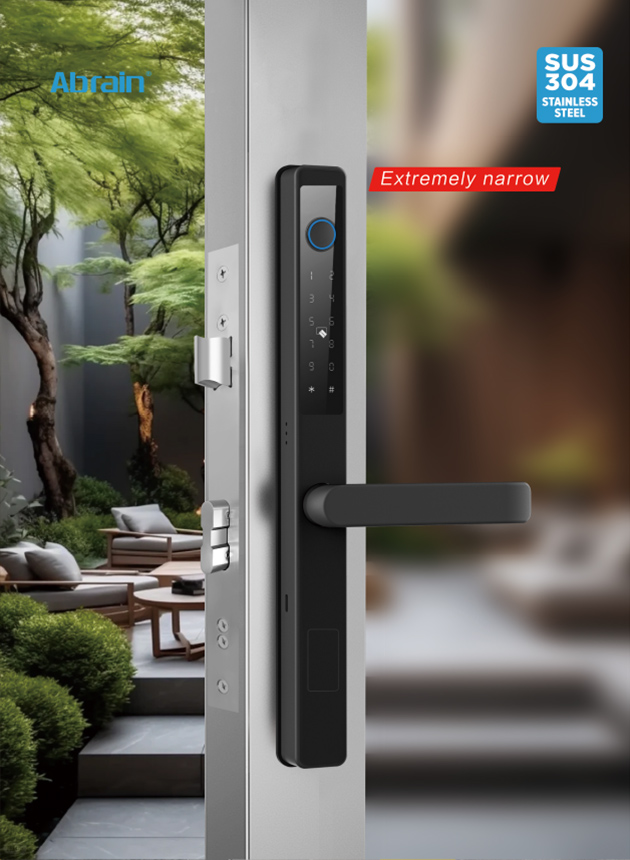
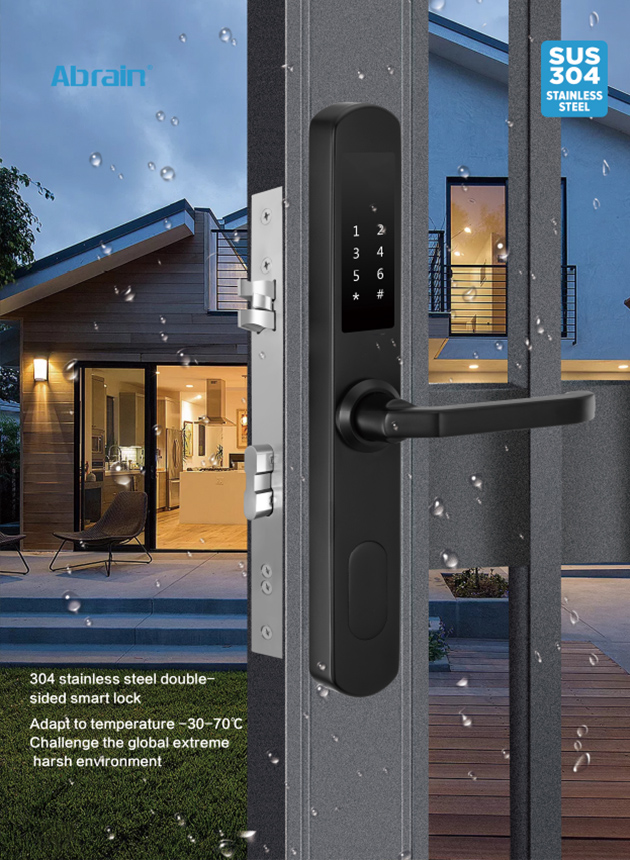
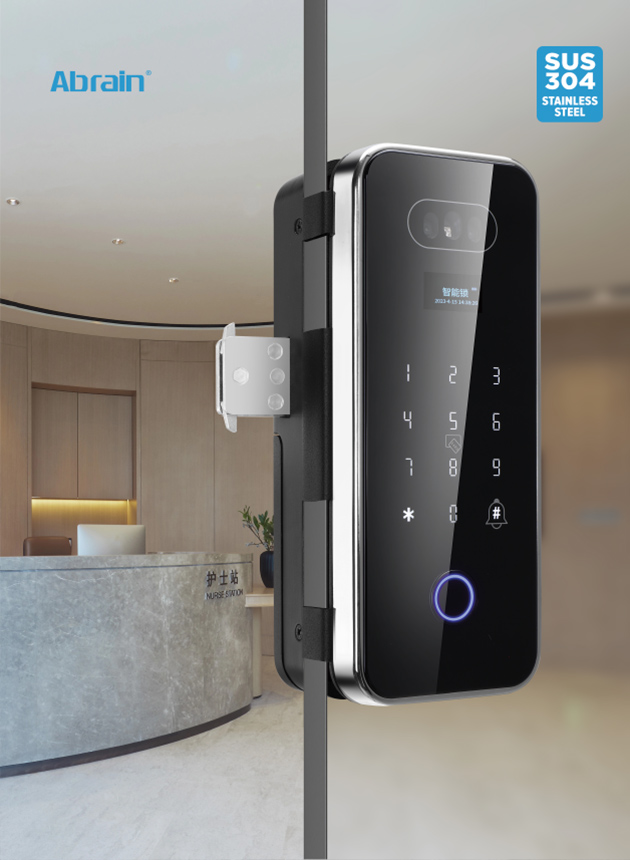
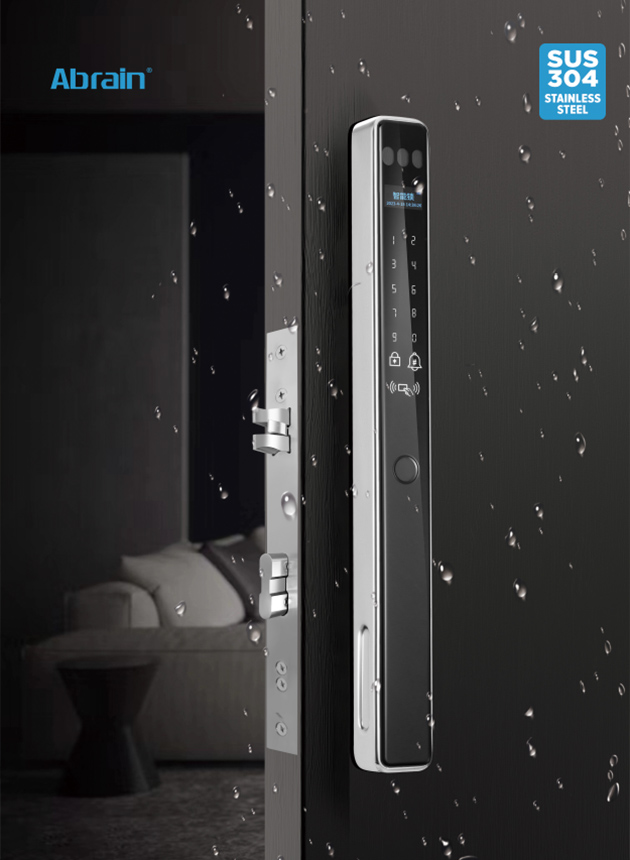
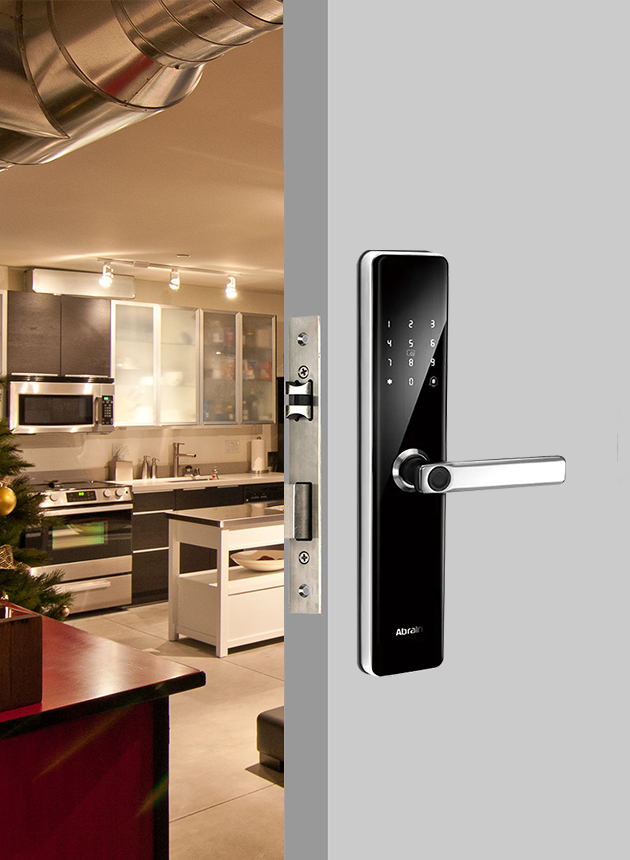
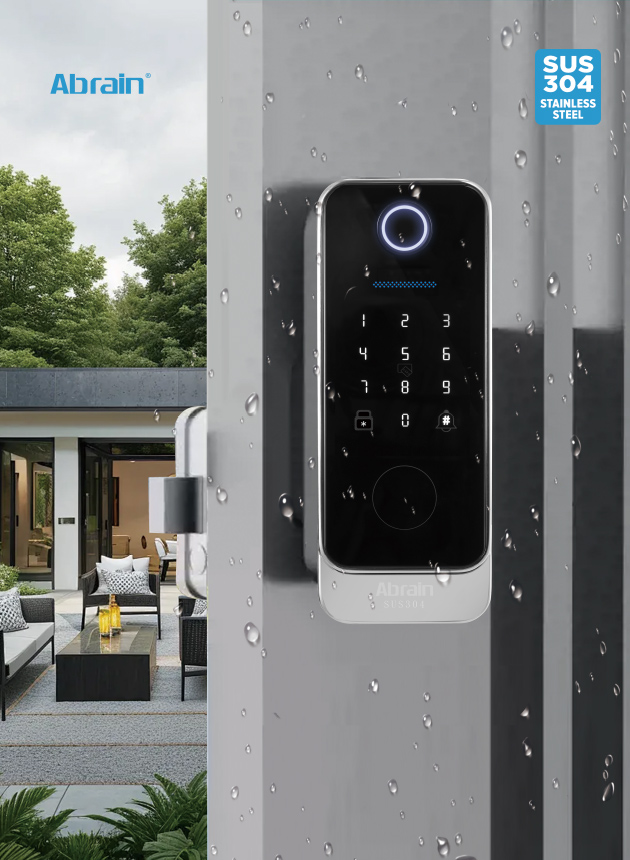
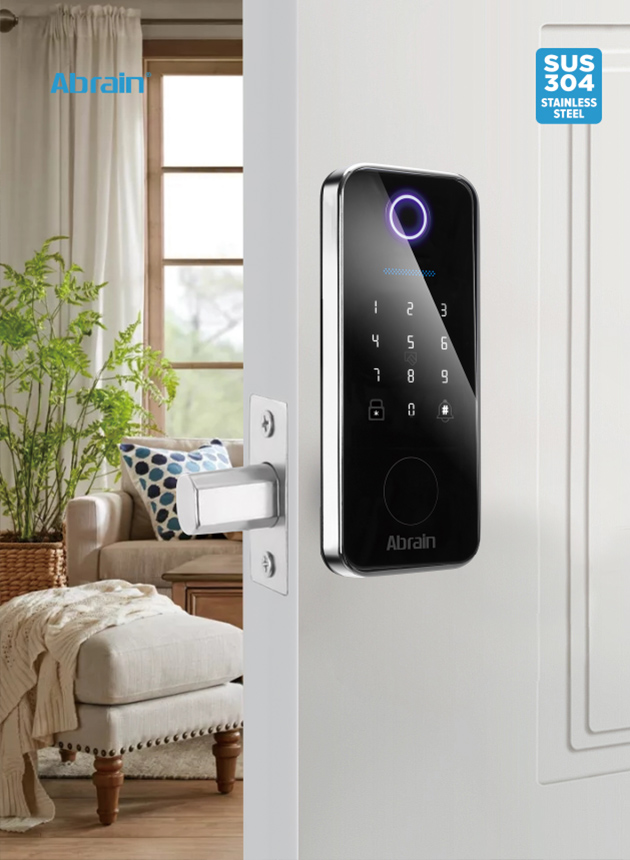
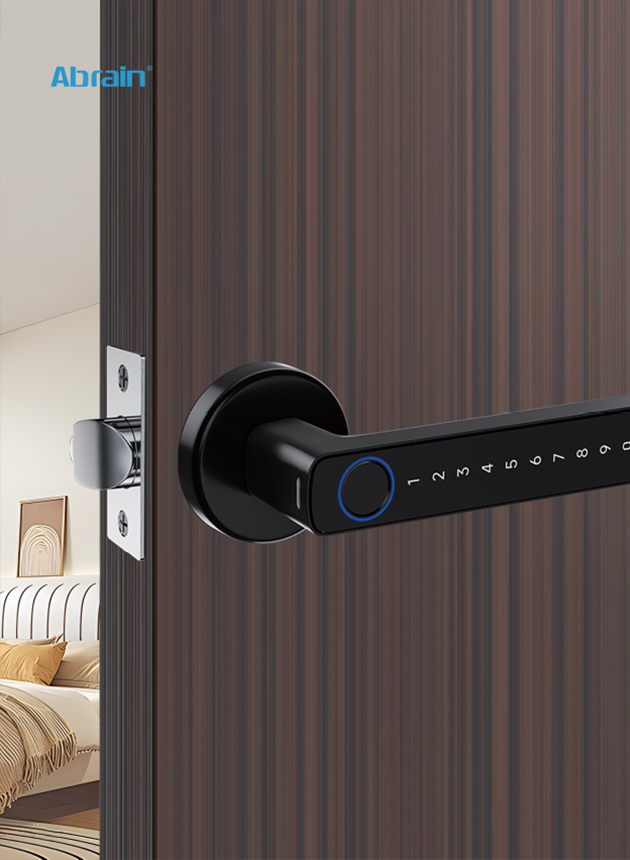
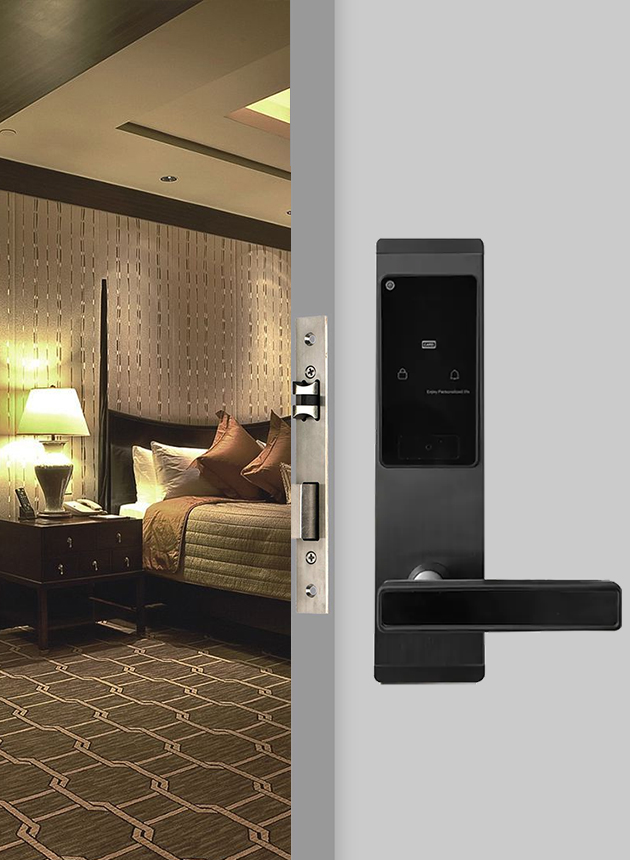
Stainless steel has long been considered a durable and reliable material in various industries, and its use in smart locks is no exception. The 304 stainless steel smart lock combines strength, corrosion resistance, and aesthetic appeal, making it an choice for residential and commercial applications.
One of the key advantages of using 304 stainless steel in smart locks is its resistance to rust and corrosion. This is especially important in areas that experience fluctuating temperatures or high humidity, such as coastal regions or environments where locks are frequently exposed to the elements. The 304 stainless steel alloy, which includes 18% chromium and 8% nickel, provides a high level of protection against rust, ensuring that the lock's functionality is maintained for years.
In addition to its durability, 304 stainless steel also offers an attractive finish. Whether brushed, polished, or matte, it blends seamlessly into a variety of home and office styles. The sleek appearance of stainless steel enhances the overall aesthetic of a door, contributing to a modern, professional, and clean look.
From a security perspective, 304 stainless steel is incredibly tough, offering resistance to tampering and physical damage. The robustness of the material makes it a strong deterrent against break-ins, while its ability to withstand wear and tear ensures the lock continues to perform over time. These locks are designed to handle heavy usage without compromising security.
Moreover, smart locks made from 304 stainless steel tend to be lightweight without sacrificing strength, providing ease of installation and maintenance. They are typically equipped with advanced technologies like fingerprint recognition, mobile app control, and keyless entry, adding convenience to their already impressive durability.
Smart home door locks have gained significant popularity due to their convenience and security features. Several types of smart locks cater to different needs and preferences. The common types include:
Keyless Entry Smart Locks: These locks allow users to access their doors using digital codes, fingerprints, or even mobile apps. They eliminate the need for traditional keys and can be programmed to provide temporary access to guests or service providers.
Bluetooth Smart Locks: Bluetooth-enabled locks pair with smartphones or tablets, allowing users to unlock doors by simply being in close proximity. They provide a hands-free experience and are popular for home use.
Wi-Fi Smart Locks: These locks are connected to the home's Wi-Fi network, enabling remote control via a smartphone or tablet, even when the user is not at home. Wi-Fi smart locks are great for users who need to manage access remotely.
Biometric Smart Locks: Featuring advanced fingerprint recognition, these locks offer high levels of security. Only authorized users with registered fingerprints can access the door, offering a higher level of control and safety.
Hybrid Smart Locks: Combining various access methods such as keys, keypads, and biometrics, hybrid smart locks provide flexibility and convenience, making them suitable for both residential and commercial properties.
Outdoor smart locks are specifically designed to withstand the elements while providing the convenience and security of smart technology. They are built with features that make them durable and reliable, even in harsh outdoor conditions.
Weather Resistance: Outdoor smart locks are constructed to endure exposure to rain, snow, and temperatures. They are typically made from high-quality materials like stainless steel or zinc alloy, which are resistant to corrosion and rust.
Enhanced Security: These locks often come with advanced security features such as automatic locking, motion sensors, and remote access control. They help prevent unauthorized entry and can be monitored from anywhere using a smartphone app.
Battery Life: Since outdoor smart locks may be located in areas without easy access to power sources, they are designed with long-lasting batteries. Many feature energy-saving modes to extend battery life, ensuring continuous performance.
Remote Access: With Wi-Fi or Bluetooth connectivity, outdoor smart locks can be controlled remotely. Homeowners can lock or unlock the door, monitor activity, and grant temporary access to visitors from their smartphones.
Durability: Given their exposure to outdoor elements, these locks are designed to endure wear and tear. Many models come with tamper-resistant features, making them harder to bypass.