русский
  Español
  عربى
عربى Industry News
HOME / NEWS / Industry News / How Shifts in the Wooden Door Market Are Influencing Smart Lock Selection

Door construction rarely makes industry news the way a new lock technology does. It moves in the background, through gradual shifts in core materials, panel thickness, and finishing conventions that most people outside the trade never notice happening. But those background shifts eventually reach hardware suppliers, and when they do, they redefine what a functional lock actually looks like for a door that's already changed shape underneath its surface.
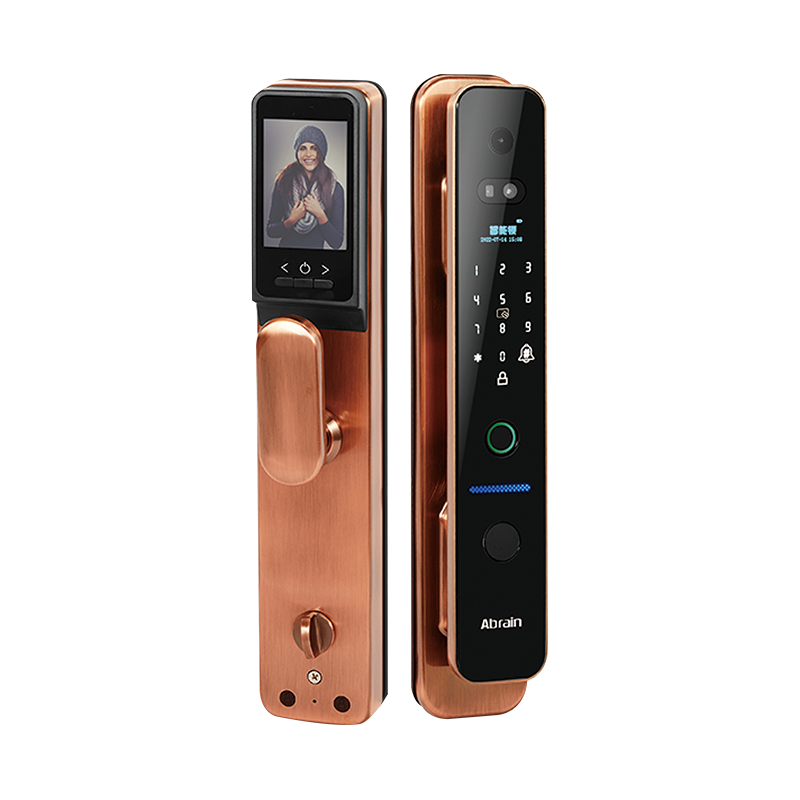
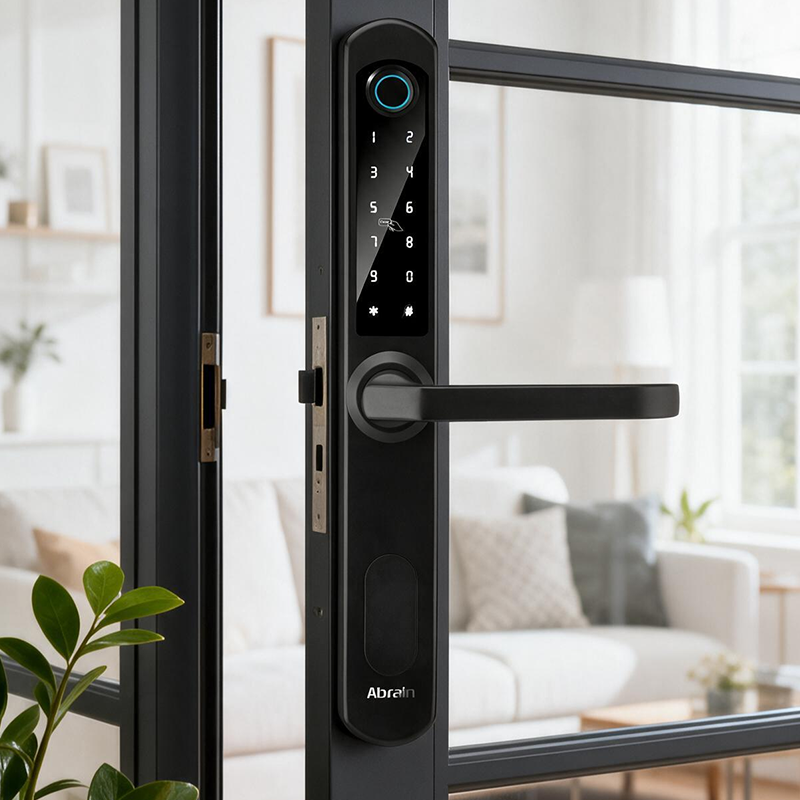
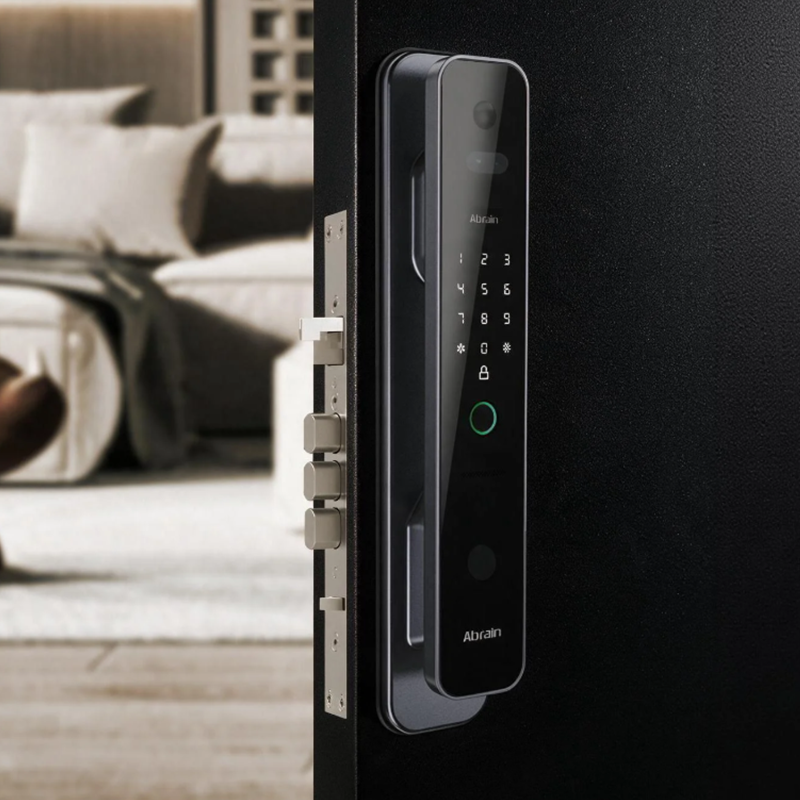
For sourcing teams working with a Smart Lock for Wooden Door line, or running a Wholesale Smart Lock catalog across several territories, tracking these shifts in door manufacturing isn't a peripheral concern. It's closer to a prerequisite. A change in panel construction, standard thickness, or surface treatment doesn't stay contained to the door category. It moves straight into whether a lock mechanism seats correctly, holds tolerance, and performs the way a spec sheet says it will.
Locks and doors tend to get evaluated as separate line items on a procurement sheet, sourced from different vendors, tested independently, and only reconciled at the point of installation. That separation holds up fine as long as door construction stays reasonably stable. It stops holding up the moment door manufacturing moves in a direction a lock spec wasn't built to anticipate.
Wooden door construction isn't fixed. Core density, panel composition, and standard dimensions shift steadily as manufacturers adjust for material availability, cost, and regional building conventions. A Smart Lock Factory that treats its own product roadmap as independent from these shifts risks releasing hardware engineered for a door profile that's already been phased out on the manufacturing side.
This is the core argument for treating lock sourcing and door trend awareness as connected functions rather than parallel ones. A lock spec is only as good as its assumptions about the door it's going into, and those assumptions have a shelf life.
Solid-core, engineered-core, and hybrid-core wooden doors don't interact with a lock mechanism the same way. As manufacturers adjust core composition, whether for cost efficiency, weight reduction, or material sourcing reasons, the tolerances a Smart Lock for Wooden Door needs to accommodate shift along with them.
A denser core behaves differently during bore installation than a lighter, engineered one. The way a mechanism seats, the amount of resistance it meets during fitting, and how much flexibility it needs to absorb over time all trace back to what's actually inside the door panel, not what the surface veneer suggests.
This creates a practical problem for hardware that was engineered around one generation of core construction and never revisited. It can still install without obvious issue on a newer door type, and still underperform once cycling and environmental exposure start interacting with a fit that was never really calibrated for that core. Procurement teams who understand this tend to push suppliers for specifics on core compatibility rather than accepting a general assurance that a lock "fits standard wooden doors."
Door thickness isn't a fixed industry constant. It moves gradually, shaped by regional building codes, evolving security expectations, and shifting aesthetic preference toward heavier or slimmer door profiles. None of this shows up as a dramatic market event. It shows up as a slow baseline drift that's easy to miss until a batch of hardware starts fitting poorly across an entire region.
A mechanism engineered around a specific thickness range doesn't flex indefinitely outside that range. When a market trends toward thicker doors, a mechanism built for thinner profiles either requires re-engineering or ends up seated incorrectly, with consequences that don't always show up at the point of installation.
A short list frames why this deserves more sourcing attention than it typically gets:
For a Wholesale Smart Lock buyer distributing into a market where this kind of gradual shift is underway, catching it early is considerably cheaper than discovering it through returns or field complaints months into a distribution cycle.
Finish preferences on wooden doors move the way most interior hardware trends do: unevenly, regionally, and without much fanfare. A shift toward certain wood tones or surface textures doesn't stay isolated to the door itself. It resets what a proportionate, current-looking lock finish is supposed to be once that hardware is mounted against the door surface.
This isn't purely cosmetic, even though it can read that way at first. A lock finish that was well matched to a previous door trend can start looking visibly dated once the door category itself has moved on, and that mismatch has a direct effect on sell-through for distributors trying to place inventory into a market with updated expectations.
A Smart Lock Factory that stays reasonably current on these adjacent finishing trends tends to release finish options that feel aligned with what's actually being installed, rather than defaulting to whatever finish range performed well several product cycles ago. Buyers distributing across multiple regions notice this gap most directly, since a finish that reads as current in one market can look mismatched in another simply because local door finishing conventions differ.
Wooden door trends don't move at the same pace or in the same direction across every region. One market may be trending toward denser, heavier door construction, while another holds steady with lighter, more traditional profiles. That divergence adds real complexity for anyone sourcing a Smart Lock for Wooden Door line meant to serve more than one territory.
A single, universal specification tends to perform unevenly once it's spread across regions with genuinely different door characteristics. A mechanism calibrated for one market's typical thickness or core density doesn't automatically translate to a region with different standard dimensions or different finishing conventions.
| Regional Door Trend | Practical Lock Consideration | Sourcing Implication |
|---|---|---|
| Move toward denser core construction | Tighter bore tolerance required | Spec review before regional rollout |
| Preference for thinner door profiles | Shorter mechanism length needed | Avoid oversized units that seat poorly |
| Shift toward lighter finish tones | Lock finish needs visual alignment | Region-specific finish options may be warranted |
| Preference for heavier, traditional doors | Added structural tolerance needed | Standard units may need reinforcement |
This isn't a fixed rulebook, since regional preferences keep moving. It's a working illustration of why a Wholesale Smart Lock program benefits from treating regional door trends as a continuous input, not a one-time compatibility check.
It's a natural instinct for a hardware manufacturer to focus primarily on trends within its own category. But a lock has no independent function outside the door it's paired with, which means door market movement often has more bearing on long-term product relevance than trends confined to the hardware side alone.
A factory watching only its own category risks producing mechanisms that look current on a spec sheet while fitting poorly into doors that have already evolved in a different direction. Staying aware of upstream shifts in door manufacturing buys a factory the lead time it needs to adjust specifications before a mismatch becomes visible to buyers or installers.
This kind of cross-category tracking isn't automatic, since door manufacturing and lock manufacturing operate as fairly separate industries with limited structural overlap. A Smart Lock Factory that builds even an informal channel for monitoring these adjacent shifts tends to stay better positioned to release hardware that matches what's actually being installed, rather than what was standard a production cycle or two ago.
Buyers running a Wholesale Smart Lock catalog benefit from treating door market awareness as a continuous part of the sourcing process, not a one-time evaluation completed at the start of a supplier relationship. Door trends don't move abruptly, but they move steadily enough that specifications set a while back can quietly fall out of alignment without triggering any obvious warning sign.
Asking a supplier directly whether their lock specifications have been reviewed against current door construction trends tends to be a useful filter. A supplier actively tracking this connection usually gives a specific, grounded answer. One that hasn't been paying attention tends to answer in general terms, relying on assumptions about thickness or core construction that may no longer reflect what's currently being manufactured.
It also helps for buyers to build some independent familiarity with door trends rather than relying entirely on suppliers to flag every relevant shift. Even a general sense of whether a region is trending toward heavier or lighter door construction, or shifting finish preference, gives a buyer more grounding for judging whether a given Smart Lock for Wooden Door spec still holds up for that market.
As wooden door trends continue shifting, the working relationship between door manufacturers and lock suppliers carries more weight than it used to. These two categories have historically been sourced somewhat independently, with compatibility treated as an installation-stage concern rather than something addressed earlier in product development.
That separation holds up less well as door construction and finish trends keep moving at a steady pace. A Smart Lock Factory that maintains some line of visibility into door manufacturing trends tends to release products that need fewer downstream adjustments, simply because those products were built around current door realities rather than legacy assumptions.
Buyers benefit from this alignment even without being directly involved in that communication. A Wholesale Smart Lock catalog built around hardware that already reflects current door trends needs less troubleshooting once it reaches distributors and installers, since compatibility gets addressed at the design stage rather than surfacing later through field complaints or return requests.

 Email: [email protected]
 Phone: +86-13575699186
 Address: No.135, Wanyu Road, Zhiying Industrial Zone, Yongkang City, Zhejiang Province, China.
QR Code
Copyright © Yongkang Ruian Lock Industry Co, Ltd. All rights reserved.