
 русский
  Español
  عربى
عربى Industry News

GET A QUOTE
What Are Double-Sided Fingerprint Locks?
A double-sided fingerprint lock is a security device equipped with biometric sensors on both the interior and exterior sides of a door. This design allows access verification from either side, enhancing control over who enters or exits a space.

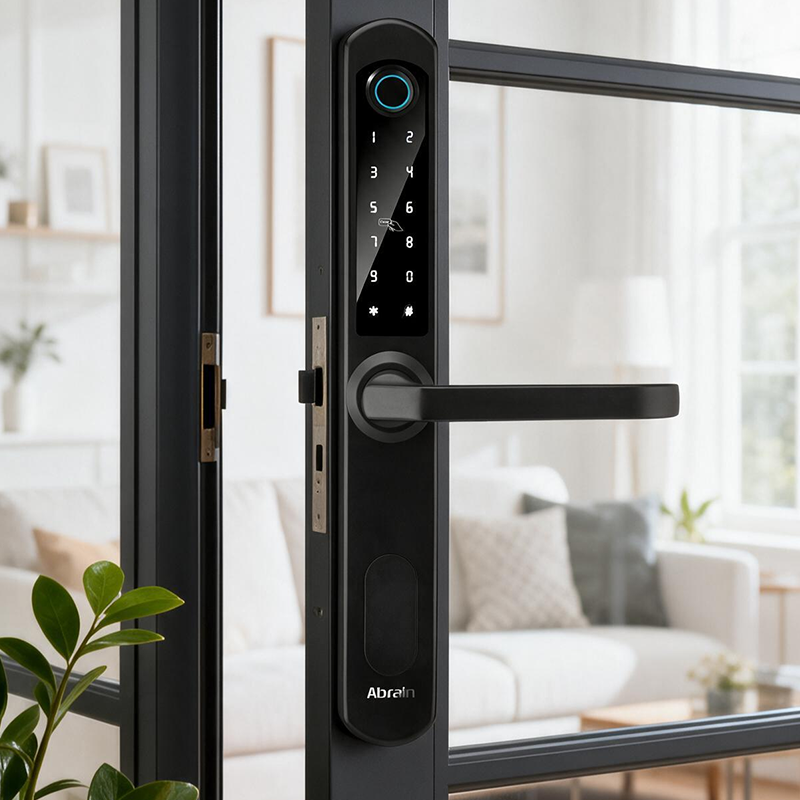
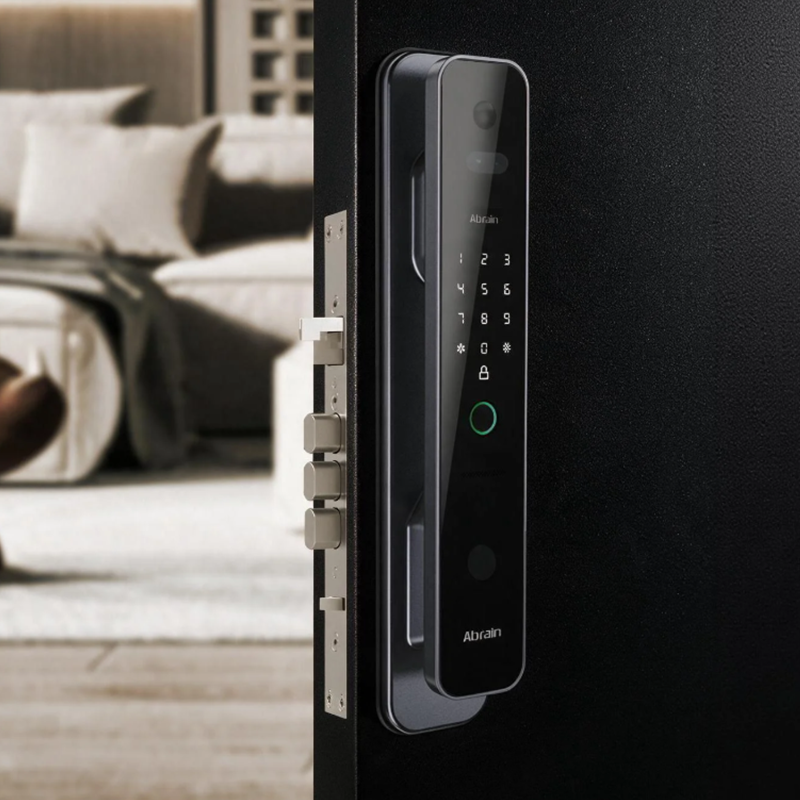
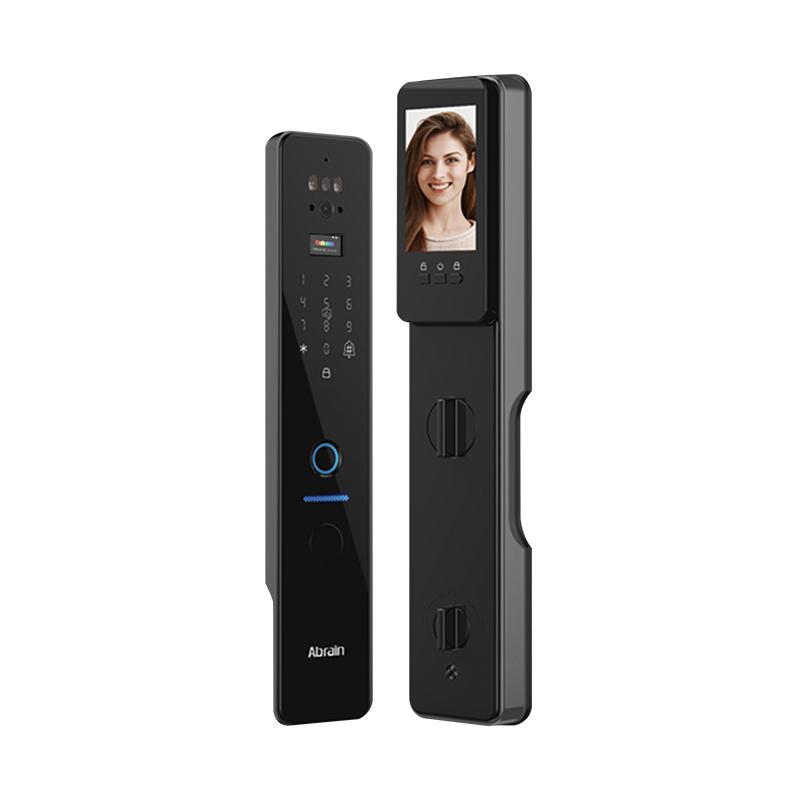
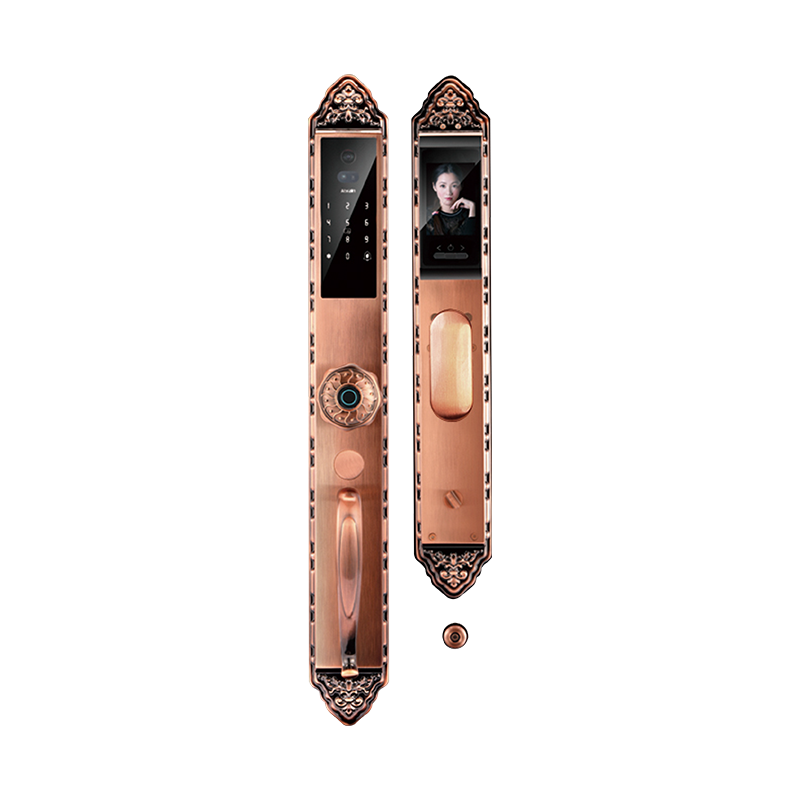
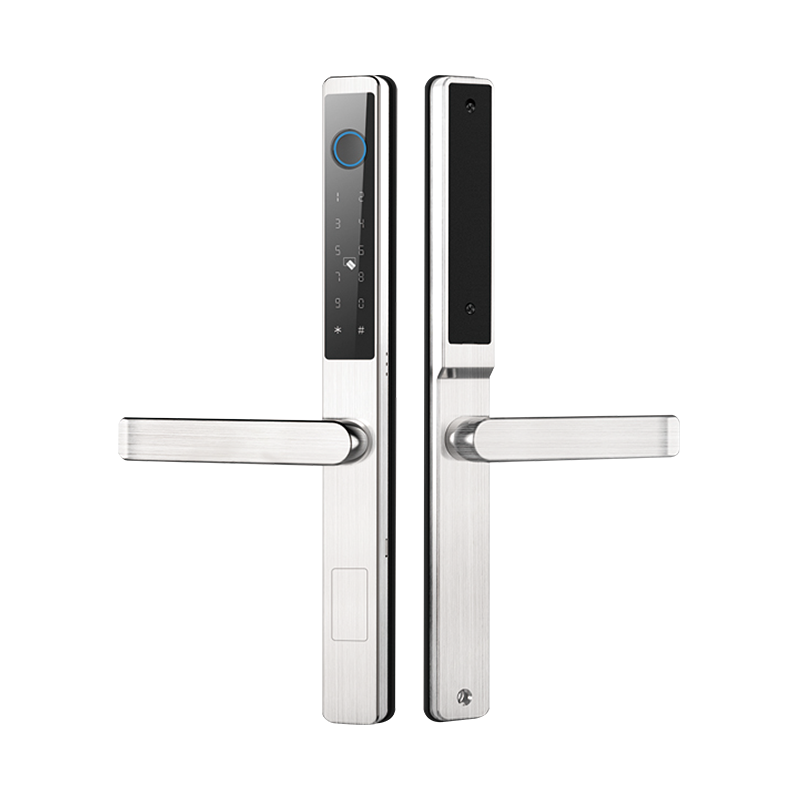
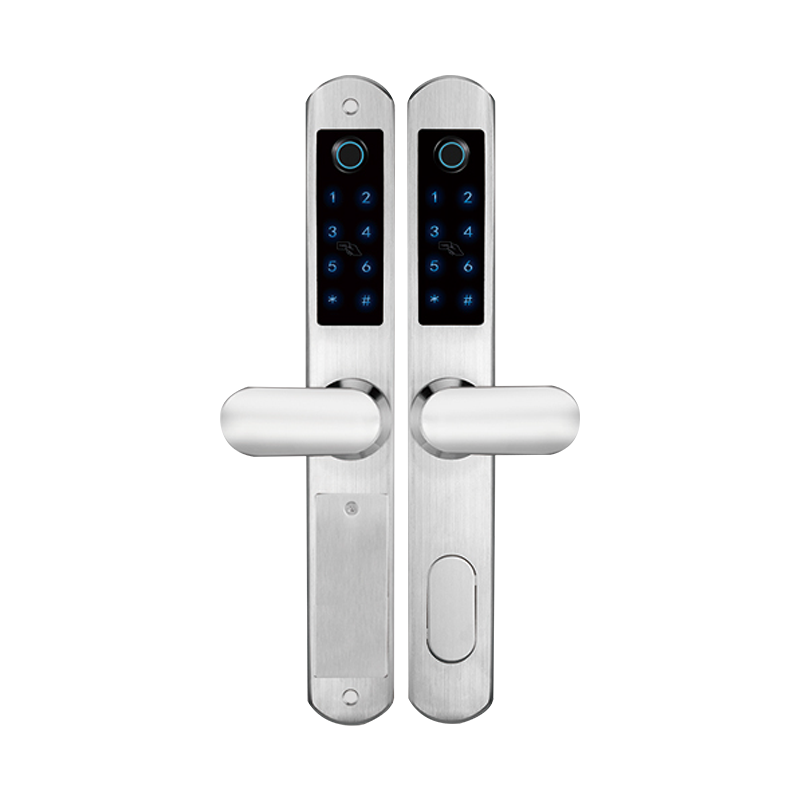
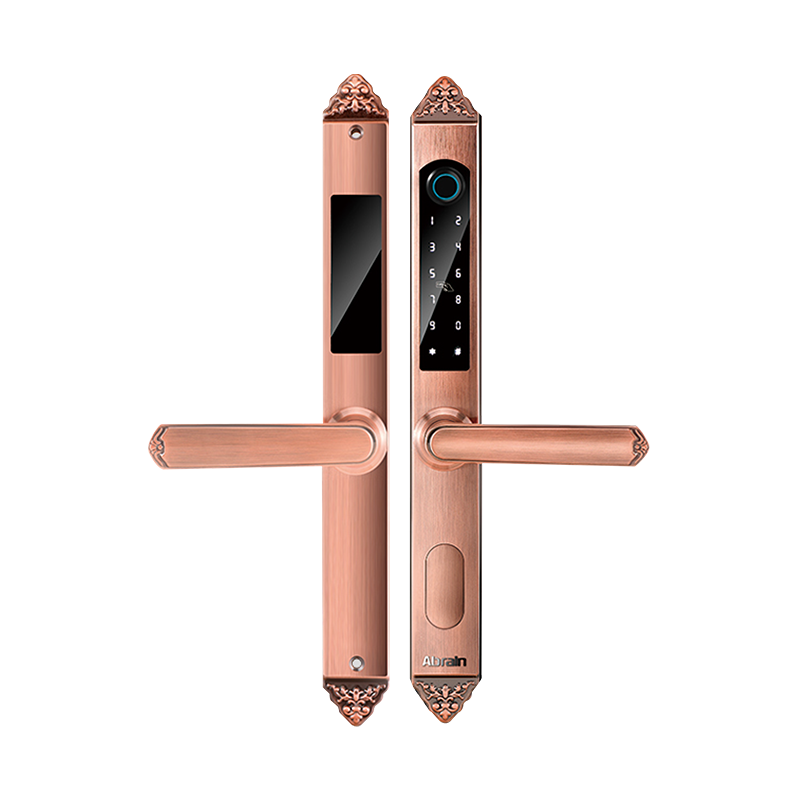
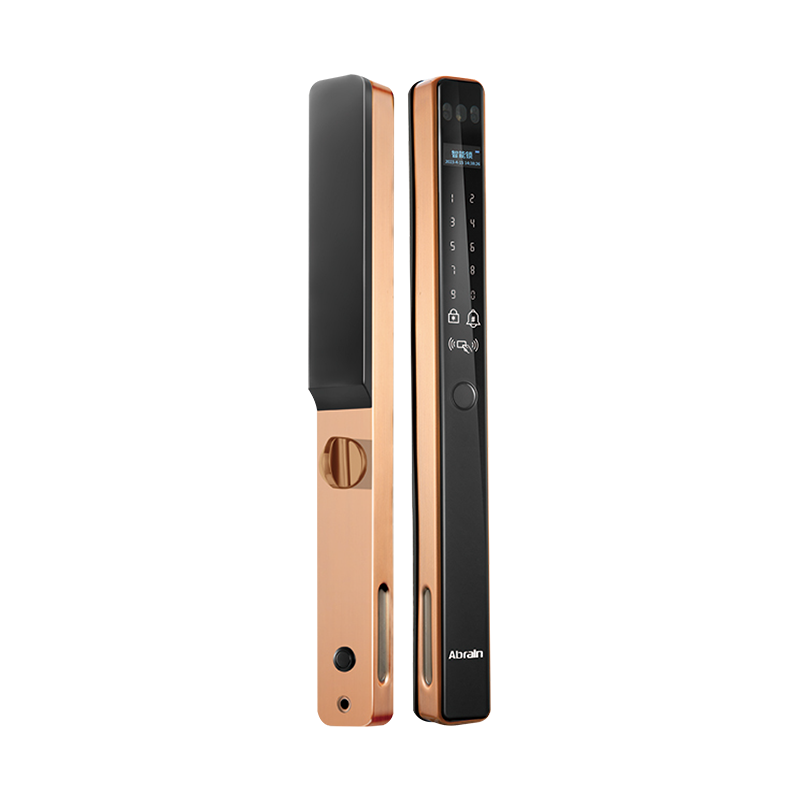
- Structure: The lock typically consists of a stainless steel or alloy body, fingerprint sensors on both sides, a motorized locking mechanism, a control board, and a backup entry option such as a mechanical key or PIN code. Some models also include a touch screen interface and LED indicators.
- Function: The primary function is to grant or deny access based on fingerprint recognition. Users' fingerprints are stored in the lock's memory, and the internal system verifies identity before unlocking. The double-sided setup ensures that both sides of a door are secure, preventing unauthorized entry or exit.
- Applications: Double-sided fingerprint locks are commonly used in homes, offices, and restricted areas where security is important from both sides of a door. They are particularly suitable for rooms that require controlled access and monitoring of entry and exit activity.
How Does a Double-Sided Fingerprint Lock Work?
The operation of a double-sided fingerprint lock combines biometric verification with electronic control of the locking mechanism.
Fingerprint Recognition: Each side of the lock has a fingerprint sensor that scans and reads the unique ridges of a registered finger. The lock compares the scanned data with stored fingerprints to confirm identity.
Motorized Locking Mechanism: Once a fingerprint is verified, a motorized latch or deadbolt retracts, allowing the door to open. If the fingerprint is not recognized, the lock remains engaged, maintaining security.
Additional Features: Some locks support temporary access codes or authorized mobile device operation, which can be programmed to allow guests or service personnel access for a limited time. This flexibility enhances convenience while maintaining security.
User Management: Most double-sided fingerprint locks can store dozens or even hundreds of fingerprints, allowing multiple users to access the same door while maintaining individual security profiles.
What Are the Advantages of Double-Sided Fingerprint Locks?
Double-sided fingerprint locks offer multiple benefits over traditional locks and single-sided smart locks.
Enhanced Security: By requiring biometric verification on both sides of a door, the lock reduces the risk of unauthorized entry and exit. It also eliminates the possibility of lost or copied keys.
Convenience: Users do not need to carry physical keys or remember codes. Access is immediate and convenient, particularly for families, offices, or shared spaces.
Access Control: The ability to store multiple fingerprints and set temporary permissions allows for precise control of who can enter and exit. This is useful in offices or shared facilities where access must be monitored.
Durability: Most double-sided fingerprint locks are constructed with stainless steel or other durable materials, providing long-term performance and resistance to tampering or environmental damage.
How Should Double-Sided Fingerprint Locks Be Maintained?
Proper maintenance ensures that double-sided fingerprint locks continue to function accurately and reliably.
- Regular Cleaning: Fingerprint sensors should be kept clean and free from dirt, oil, or moisture. A soft cloth or specialized cleaning material can be used to prevent damage.
- Battery Management: Many locks are powered by batteries. Users should monitor battery levels and replace batteries in advance to avoid lockout. Some models provide alerts when battery levels are low.
- Software Updates: For models with digital or mobile connectivity, firmware updates may be necessary to maintain security and functionality. Following manufacturer instructions ensures compatibility and performance.
- Mechanical Backup: Even with proper maintenance, it is important to have mechanical keys or backup codes available. This ensures access in case of electronic or power failure.
Recommended Products

Ready to Begin?
Product Categories
Contact Information
 Email: [email protected]
 Phone: +86-13575699186
 Address: No.135, Wanyu Road, Zhiying Industrial Zone, Yongkang City, Zhejiang Province, China.
QR Code
Copyright © Yongkang Ruian Lock Industry Co, Ltd. All rights reserved.
