
 русский
  Español
  عربى
عربى Industry News

GET A QUOTE
How Many Types of Stainless Steel Smart Locks Are There?
Fingerprint Locks: Biometric Access Control
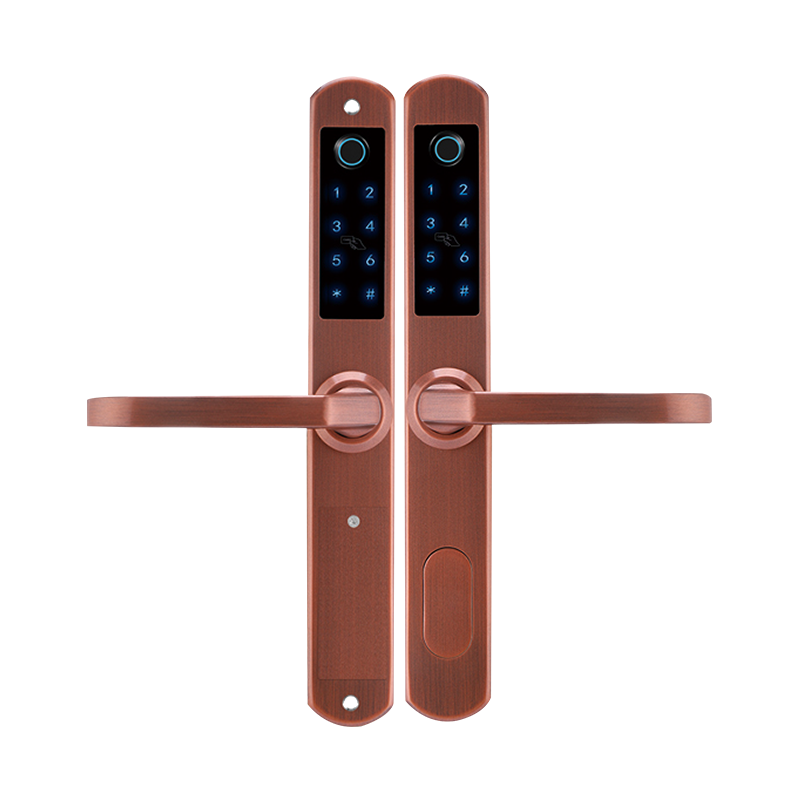
Fingerprint locks are a popular category of stainless steel smart locks that use biometric technology to grant access.
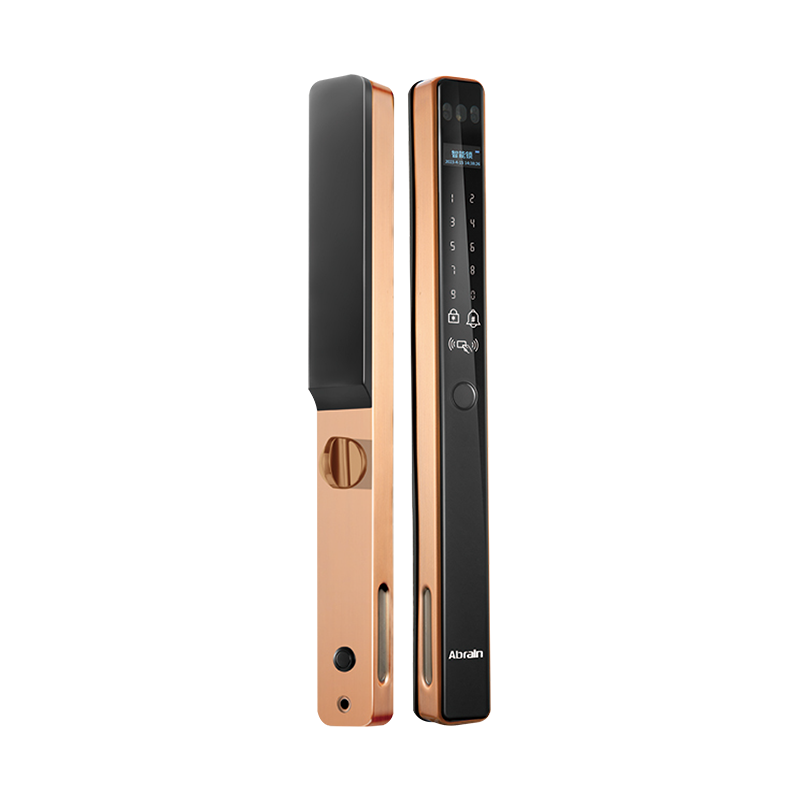
Structure and Design: These locks typically consist of a stainless steel body housing a fingerprint scanner, a motorized locking mechanism, and a control board. Some models also include backup keyholes or PIN entry as alternative access methods. The scanner can read and store multiple fingerprints, often up to 100 or more, depending on the model.
Function: When a registered fingerprint is placed on the sensor, the lock verifies it against stored data and activates the internal mechanism to unlock the door. Unrecognized fingerprints are denied access. The biometric technology ensures that only authorized individuals can operate the lock.
Applications: Fingerprint locks are suitable for residential apartments, office spaces, and small businesses where secure, individualized access is necessary. They are valued for their convenience, eliminating the need for physical keys while maintaining a high level of security.
Keypad Locks: PIN Code Access
Keypad locks are another type of stainless steel smart lock that relies on numerical or alphanumeric codes for entry.
- Structure and Design: These locks feature a stainless steel exterior with a keypad interface and an internal electronic control system. Some models also include touchscreens, LED indicators, or emergency power ports for backup operation. The locking mechanism is typically motorized, enabling automatic locking and unlocking when the correct code is entered.
- Function: Users input a pre-set PIN code to unlock the door. Many keypad locks allow multiple codes, which can be activated or deactivated as needed. Some advanced models offer time-based access, enabling codes to work only during specific hours.
- Applications: Keypad locks are suitable for homes, offices, storage rooms, and shared facilities where multiple individuals need temporary or permanent access. The ability to change codes easily makes these locks practical for rental properties or spaces with frequently changing occupants.
RFID Card Locks: Contactless Access
RFID (Radio Frequency Identification) card locks are stainless steel smart locks that grant access using contactless cards or key fobs.
Structure and Design: These locks include a stainless steel housing, an RFID reader, a microcontroller, and a motorized latch. The reader can detect the radio signal from a card or fob, which contains encrypted identification information.
Function: When an authorized card or fob is presented to the reader, the lock verifies the credentials and disengages the locking mechanism. Unauthorized cards are rejected, and some models log access attempts for security monitoring.
Applications: RFID card locks are commonly used in hotels, offices, and industrial facilities where multiple individuals require access without physical keys. They provide quick and convenient entry while enabling the tracking of access history.
Bluetooth-Enabled Locks: Mobile Device Control
Bluetooth smart locks use wireless connectivity to allow users to unlock doors using smartphones or other Bluetooth-enabled devices.
- Structure and Design: Bluetooth locks consist of a stainless steel lock body, an electronic control module, and a motorized locking system. They are paired with a mobile application that controls access, monitors activity, and manages multiple users.
- Function: Users can unlock the door by approaching with a paired mobile device or using the application to send a command. Many models also allow temporary digital keys to be shared remotely, enabling controlled access for guests, maintenance staff, or delivery personnel.
- Applications: These locks are suitable for residential and commercial settings where users prefer keyless access and remote control. The mobile integration also allows system administrators to monitor access and adjust permissions conveniently.
Recommended Products

Ready to Begin?
Product Categories
Contact Information
 Email: [email protected]
 Phone: +86-13575699186
 Address: No.135, Wanyu Road, Zhiying Industrial Zone, Yongkang City, Zhejiang Province, China.
QR Code
Copyright © Yongkang Ruian Lock Industry Co, Ltd. All rights reserved.
