
 русский
  Español
  عربى
عربى Industry News

GET A QUOTE
Waterproof Smart Lock Functions and Applications
Waterproof Smart Lock Functions and Applications
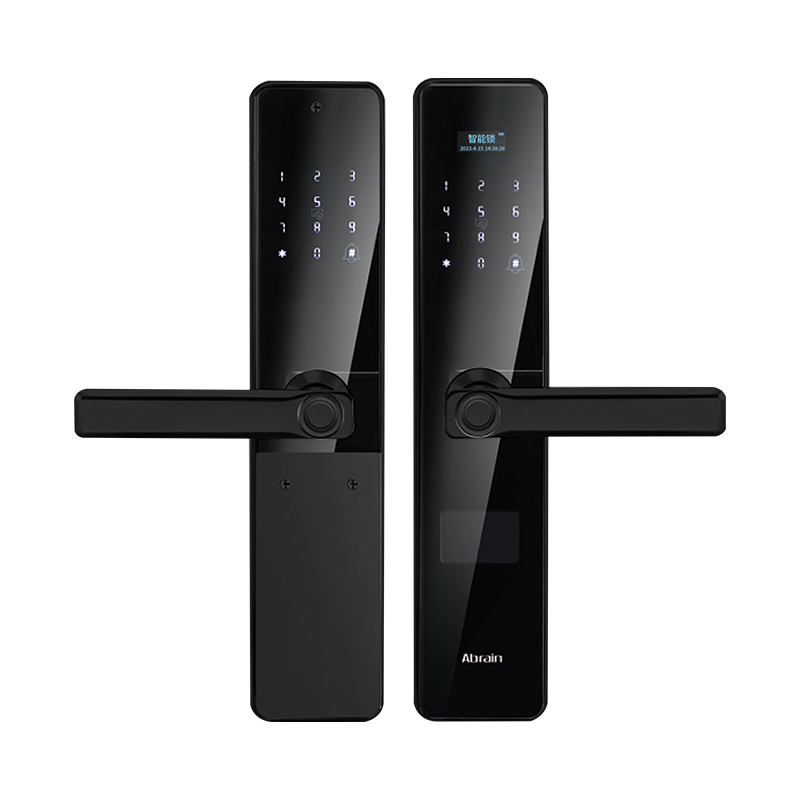
A waterproof smart lock is an electronic locking device designed to provide controlled access while maintaining reliable operation in environments exposed to moisture, rain, or humidity. Its main function is to secure doors, gates, or enclosures using digital authentication methods while resisting water-related damage.
Access Control and Security
The primary function of a waterproof smart lock is to manage access to a secured area. Instead of relying solely on traditional mechanical keys, it uses electronic credentials such as PIN codes, RFID cards, biometric data, or mobile applications. These methods allow authorized users to unlock doors without physical keys, reducing the risk of key loss or unauthorized duplication.
Resistance to Water and Moisture
Another essential function is protection against water ingress. Waterproof smart locks are designed with sealed housings, gaskets, and corrosion-resistant materials to prevent internal electronic components from being affected by rain, splashes, or condensation. This function ensures consistent operation in outdoor or semi-outdoor environments where moisture exposure is common.
Electronic Monitoring and Control
Many waterproof smart locks include electronic monitoring features. These may involve logging access events, sending status notifications, or enabling remote locking and unlocking through connected devices. While the level of connectivity varies, the core function is to provide users with greater visibility and control over access activity.
Uses of a Waterproof Smart Lock
Waterproof smart locks are used in a variety of settings where both security and resistance to environmental conditions are required.
Residential Outdoor Applications
In residential settings, waterproof smart locks are commonly used on exterior doors, garden gates, garages, and storage sheds. These locations are often exposed to rain and temperature changes. The lock allows homeowners to manage access without worrying about water damage affecting performance. It also supports temporary access for family members, guests, or service providers.
Commercial and Industrial Environments
Waterproof smart locks are used in commercial and industrial facilities such as warehouses, utility rooms, construction sites, and outdoor equipment enclosures. In these environments, locks may be exposed to dust, moisture, or frequent cleaning. The smart lock enables controlled access for employees while maintaining durability under challenging conditions.
Public and Shared Facilities
Another use is in public or shared spaces, including swimming pool areas, locker rooms, outdoor restrooms, and recreational facilities. Waterproof smart locks help manage access without relying on physical keys, which can be easily lost or damaged in wet environments. Digital credentials allow administrators to change access permissions efficiently.
These uses demonstrate how waterproof smart locks support secure access management across residential, commercial, and public settings where environmental exposure is a factor.
Advantages of a Waterproof Smart Lock
Waterproof smart locks offer several practical advantages related to security, durability, and usability.
Environmental Durability
One advantage is the ability to operate reliably in wet or humid conditions. Waterproof designs reduce the risk of corrosion, short circuits, or mechanical failure caused by water exposure. This makes the lock suitable for outdoor installations and environments with frequent moisture.
Improved Access Management
Smart locks provide flexible access control options. Users can grant, modify, or revoke access without changing physical hardware. This is useful in situations where access requirements change frequently, such as rental properties or shared facilities. Digital records of access activity also support basic monitoring needs.
Reduced Dependence on Physical Keys
By using electronic credentials, waterproof smart locks reduce reliance on traditional keys. This minimizes issues related to lost keys, unauthorized copying, or lock replacement. In wet environments, electronic access methods are often more practical than mechanical keys, which can wear or corrode over time.
User Convenience and Safety
Smart locks allow users to unlock doors without direct contact in some cases, such as using a mobile app or proximity card. This can be helpful in outdoor conditions where handling keys may be inconvenient. Additionally, controlled access helps improve safety by ensuring only authorized individuals can enter specific areas.
Recommended Products

Ready to Begin?
Product Categories
Contact Information
 Email: [email protected]
 Phone: +86-13575699186
 Address: No.135, Wanyu Road, Zhiying Industrial Zone, Yongkang City, Zhejiang Province, China.
QR Code
Copyright © Yongkang Ruian Lock Industry Co, Ltd. All rights reserved.
