American Standard Smart Locks: Door Fit, Quality Control, Customization, and Long-Term Performance
Residential, apartment, office, and small commercial spaces are all leaning harder into easier access control these days, and that's pushing demand for American Standard Smart Lock products upward. Door preparation in a lot of overseas markets follows fairly standard American dimensions—deadbolt-style installation especially—so compatibility isn't some minor technical detail buried in a spec sheet. It's the whole ballgame.
Think about what channel sales and project applications actually need: a lock that's easy to explain on the sales floor, easy to install on site, and doesn't fall apart after a few hundred uses. When lock body dimensions are fuzzy, backset sizes don't quite match, electronic modules feel shaky, or packaging falls short, installation delays start piling up and service tickets follow close behind.
So a product line that actually holds together needs smart access functions sitting alongside precise door compatibility, production that doesn't drift from batch to batch, technical documents that make sense, and supply that doesn't dry up halfway through a project.
What Is an American Standard Lock?
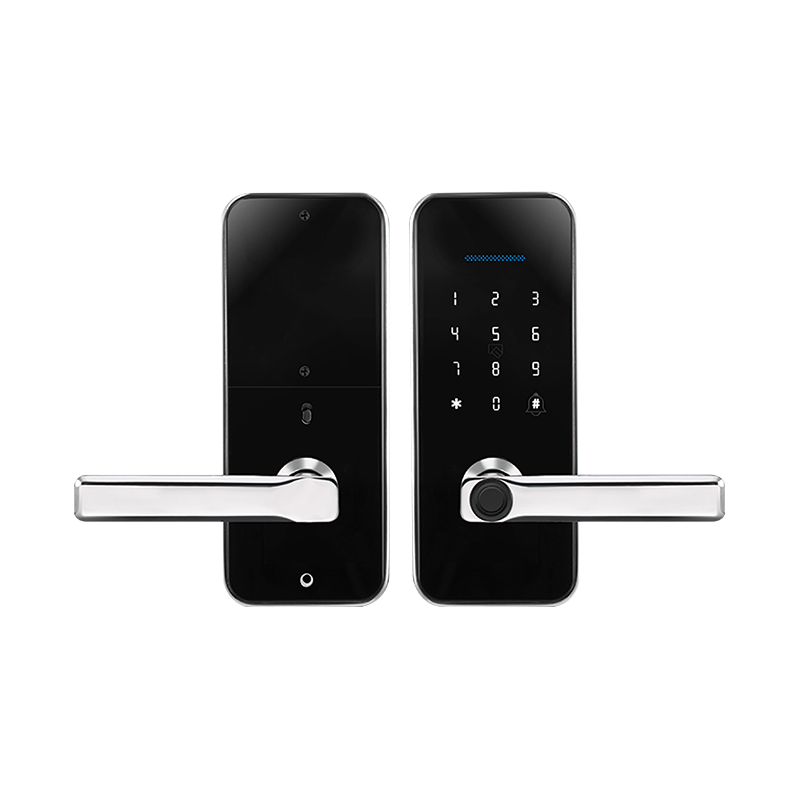
At its core, an American Standard Lock is built to match common American door structures and the installation habits that go with them. Residential entry doors, apartment doors, office doors, wooden doors, metal doors, back doors, side doors—it shows up on all of them. Depending on how it's designed, you might see a deadbolt-style structure, a latchbolt structure, or a full smart lock setup with electronic access layered in.
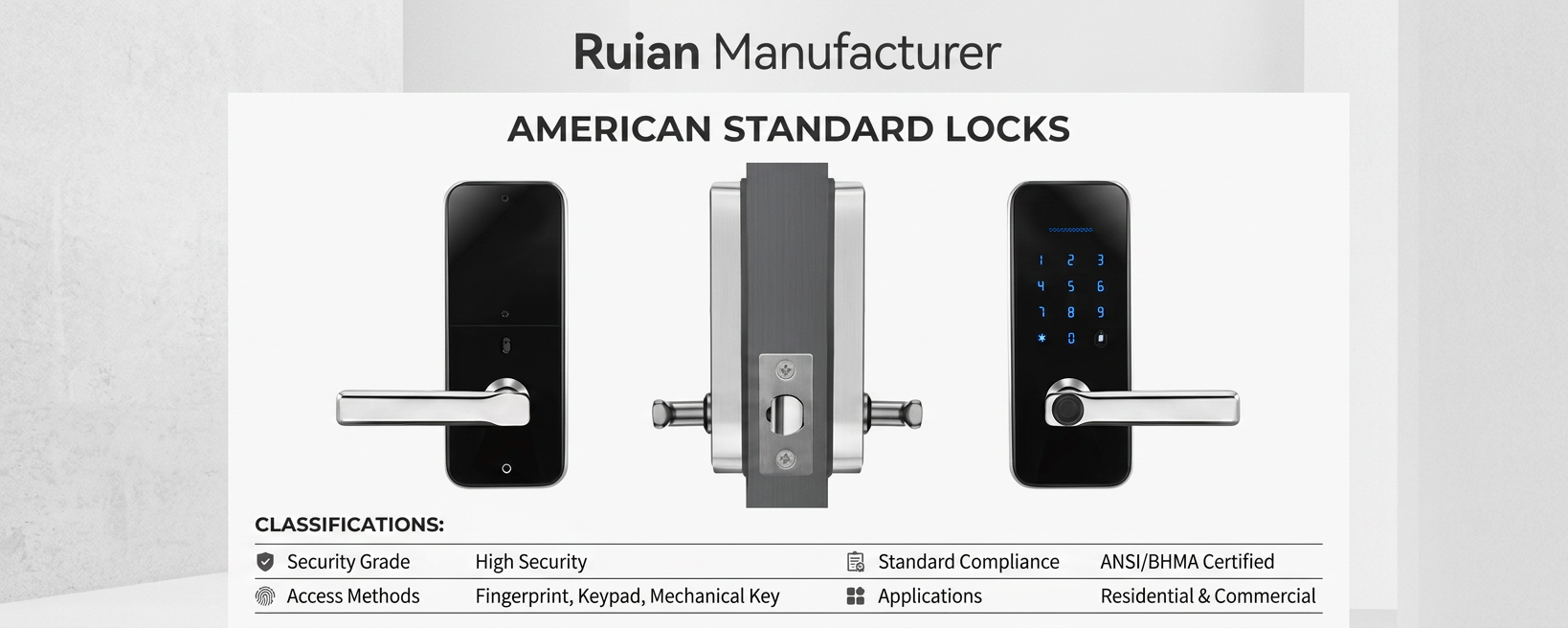
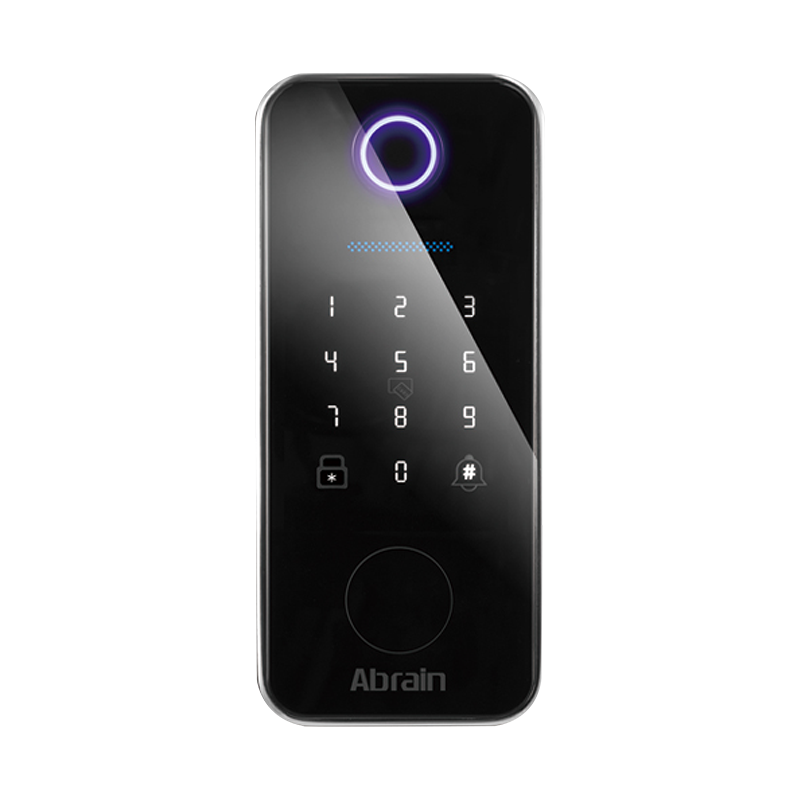
What makes an American Standard Smart Lock work is that it doesn't abandon the familiar American door-prep logic—it just adds digital access on top. Fingerprint recognition, password access, RFID/NFC card, mobile app management, WiFi, remote control, mechanical key backup. The bones stay the same; the access methods get smarter.
How It Differs from Other Lock Types
A general smart door lock doesn't necessarily care much about American door preparation—an American standard model does, and that's really the whole distinction. Against a European mortise lock, the hole positions and lock body structure just don't line up the same way. And compared to a plain mechanical lock, well, there's simply more flexibility built in, along with user management that doesn't rely on physically handing out keys.
A few things worth knowing:
- Door preparation compatibility built around common American bore holes, backset sizes, and deadbolt installation
- A deadbolt-style structure that works across most residential entry doors and side doors
- Hole positions that line up with typical American drilling patterns better than mortise locks tend to
- Door thickness ranges designed for standard residential doors
- Lock body engineering aimed at direct fit and steady locking movement, not awkward workarounds
- Smart access options—fingerprint, password, card, app, WiFi, remote, key backup—depending on which model you're looking at
- Replacement that doesn't require tearing up the door frame to swap an old deadbolt
- A natural fit for residential, apartment, office, rental, and small commercial spaces where American-style doors are just what's there
Key Concerns Before Selecting American Standard Locks
Picking an American Standard Lock for channel sales or a project isn't as simple as glancing at the front panel and calling it done. It has to hold up against local installation habits, match what the market expects, and survive years of actual service.
Whether the Lock Fits Local American Standard Doors
This comes first, honestly. A lock can be loaded with smart functions, but none of that matters if the backset, bore hole, latch position, or strike plate doesn't line up with the door in front of it. Get the fit right, and replacement work goes a lot smoother than anyone expects.
Whether Installation Is Simple for End Users or Installers
Nobody wants to spend an extra hour on a single door. Clear drilling templates, screws that land where they're supposed to, wiring or battery design that doesn't require a manual just to open the battery compartment, app setup that doesn't feel like solving a puzzle—all of this adds up fast once there are ten doors instead of one.
Whether the Product Can Reduce After-Sales Problems
Most service calls trace back to the same handful of culprits: confusing setup, electronics that hiccup, battery issues, a door that never quite fit right, or a mechanism that feels sluggish. Testing both the electronics and the mechanical parts before anything ships catches most of this before it becomes someone else's problem.
Whether the Design Is Easy to Promote in Local Markets
If the dimensions feel familiar, the look is modern enough, the unlocking methods make sense, and the packaging looks presentable, a sales team has an easier time putting it in front of customers. It just needs to look like it belongs on an American-style residential or light commercial door.
Whether the Function Configuration Matches Market Demand
Not every market wants the same bundle of features. Some places are happy with fingerprint and password alone. Others expect WiFi, app management, temporary passwords, access logs—the whole package. The trick is matching the configuration to how the lock actually gets used, not just stacking on features because they're available.
Whether the Price-Performance Ratio Is Competitive
A lock earns its price through structure, function, finish, and how long it keeps working without complaint. Fewer installation headaches, steadier performance, support materials that actually help—that's where the real value shows up, not on a spec sheet.
Whether Product Quality Remains Consistent
If a model changes slightly every production run—panel finish here, lock body fit there—channel sales and project work both suffer for it. The same model should look and behave the same way, batch after batch, accessories and packaging included.
Whether Packaging, Logo, and User Manuals Can Be Customized
Brand recognition still matters, and so does whether someone can actually follow the manual without calling support. Logo placement, box design, label style, manual language, installation diagrams, app instructions—small things, but they shape how a product gets received and how much service work it generates later.
Whether Technical Support Is Clear and Responsive
Good support means installation dimensions, lock body drawings, app setup steps, programming instructions, reset guidance, and troubleshooting are all just... there, and clear. That clarity is what keeps project risk from spiraling and helps teams fix problems without a week of back-and-forth emails.
Application Scenarios for American Standard Smart Locks
An American Standard Lock ends up on a surprising range of doors and buildings, and each situation brings its own quirks around access, function, and installation.
Residential Entry Doors
These need solid locking, easy daily access, and a fit that matches common American door prep without any drama.
- Configuration: Fingerprint, password, mechanical key backup, optional WiFi
- What stands out: Swaps in easily for existing deadbolt-style doors
- Watch for: Bore hole, backset, door thickness, strike plate position
Apartment Doors
Stability and compact management count more here than flashy extras.
- Configuration: Fingerprint, password, RFID/NFC card, low battery reminder
- What stands out: Works well for residential units and managed apartment buildings
- Watch for: Door material and lock body compatibility
Office Doors
Staff access needs controlling, but daily operation still needs to stay simple.
- Configuration: Password, card, app management, access logs
- What stands out: Permission control that doesn't depend entirely on handing out keys
- Watch for: Handle direction and door frame alignment
Wooden Doors
Pretty much everywhere in residential and office settings.
- Configuration: Deadbolt-style smart lock, fingerprint and password
- What stands out: Fits common American residential doors without fuss
- Watch for: Drilling accuracy and edge preparation
Metal Doors
Need firmer fixing and more careful drilling than wood does.
- Configuration: Stainless steel build, mechanical backup, corrosion-resistant finish
- What stands out: Handles higher-traffic entrances and service areas
- Watch for: Screw fixing strength, latch alignment
Back Doors
Simple security, nothing complicated.
- Configuration: Password, key backup, low power reminder
- What stands out: No more fumbling for keys in the dark
- Watch for: Moisture exposure, frame alignment
Side Doors
Usually secondary entrances that still need some access control.
- Configuration: Fingerprint, password, optional app management
- What stands out: Brings smart access to doors people forget about
- Watch for: Door swing direction, lock clearance
Rental Properties
Access needs to change hands often and without hassle.
- Configuration: Temporary password, app management, access logs, key backup
- What stands out: Way less key-swapping between tenants
- Watch for: WiFi/app setup and who's maintaining the power supply
Small Commercial Spaces
Shops, studios, clinics, small offices—security without complication.
- Configuration: Password, RFID/NFC card, access logs, mechanical backup
- What stands out: Keeps staff access manageable
- Watch for: Daily traffic and door material
Smart Home Projects
These need to fit into a bigger connected-living picture.
- Configuration: WiFi, app management, fingerprint, password, temporary access
- What stands out: Plays well with modern connected home setups
- Watch for: Network conditions, app language
Production Capability and Supply Stability for American Standard Locks
For overseas markets, channel sales, and project work, production capability and cooperation risk are basically the same conversation. A stable program needs consistent structure, quality you can count on, documentation that actually explains things, and availability that doesn't vanish six months in.
Production capacity that stays steady cuts down on delivery surprises, which matters a lot when a project rolls out in phases and needs the same model showing up reliably each time. Stainless steel processing shapes panel strength, surface quality, and how well the thing resists corrosion over years, not months—a factory with real metal processing chops just controls durability better.
Independent product development lets structure, function, and appearance shift faster when a market needs something slightly different, rather than forcing everything into one fixed mold. And speaking of molds—mold development and structural design directly decide door compatibility. Panel size, screw position, lock body structure, spindle length, latch design: all of it has to line up with American door prep, not approximately, but accurately.
A smart lock isn't purely electronics, either. The lock body and panel need to physically cooperate, or you get jamming, misalignment, headaches during installation. Standardized assembly keeps wiring, module placement, screw torque, and panel alignment consistent run after run. And configuration—accessories, manuals, function lists, packaging—needs to hold steady too, with any changes flagged clearly instead of showing up as a surprise.
Electronic components matter more than people usually think. Fingerprint modules, keypads, RFID/NFC readers, WiFi modules, batteries, circuit boards—sourcing these consistently is what keeps performance from wobbling between batches.
On the customization side, packaging and manuals shape brand presentation, and manuals that are actually well-written cut down on setup mistakes before they happen. OEM/ODM support opens the door to logo, color, panel design, function tweaks, app language, packaging—all adjustable while the core structure stays put.
Sample testing lets a team check door fit, function response, app behavior, battery design, and finish before committing to a bigger rollout. Technical documents—installation drawings, dimension sheets, wiring notes, setup guides, troubleshooting—take a lot of the guesswork out of a project.
None of this works without communication that's fast and clear, covering model selection, technical confirmation, packaging, customization review, scheduling. And when timing across a project needs to line up—production planning, sample confirmation, packaging readiness—stable support keeps schedule risk from spiraling. Long-term, cooperation holds together through consistency, honest communication, parts that are actually available, and a willingness to keep improving technically instead of coasting.
American Standard Lock vs. Other Lock Types
Different lock types fit different doors and different markets—here's roughly how they stack up.
| American Standard Lock |
Common American door prep, deadbolt-style doors |
Lower once dimensions are confirmed |
Key, fingerprint, password, card, app, WiFi depending on model |
Residential entry doors, apartments, offices, back doors |
| European Mortise Lock |
Doors prepped for mortise lock bodies |
Higher if forced onto American-style doors |
Key, handle, smart access on select models |
Interior doors, hotel doors, European-style entrances |
| Traditional Mechanical Lock |
Depends on the mechanical type and door prep |
Low for direct swaps, higher for upgrades |
Mechanical key only |
Basic residential or utility doors |
| General Smart Door Lock |
Varies, not always built for American prep |
Medium if dimensions aren't clear |
Fingerprint, password, card, app, key backup |
Apartments, offices, smart home doors, select entry doors |
An American Standard Smart Lock really earns its keep when the door it's going on already follows American prep to begin with. That's where the fitting gets easier, replacement logic stays clear, and the function options actually match what residential, apartment, office, and small commercial spaces need day to day.
Why Choose Ruian Factory
Ruian builds American Standard Lock solutions around door compatibility, structural stability, clear configuration, and reliability that holds up over the long haul. For overseas market development, channel sales, and project work, Ruian handles model selection, technical confirmation, OEM/ODM customization, sample testing, and the documentation that ties it all together.
A few things worth knowing:
- Support on door thickness, backset, bore hole, latch position, and deadbolt-style structure
- Product configuration that doesn't drift—panel design, lock body fit, electronics, accessories, packaging all staying consistent
- OEM/ODM customization covering logo, color, panel design, handle design, app function, packaging, manuals, market-specific tweaks
- A quality control process running through material inspection, surface checks, lock body testing, electronic function testing, cycle testing, aging tests, moisture resistance tests, and final inspection
- Real project experience across residential doors, apartment doors, office doors, wooden doors, metal doors, rental properties, and smart home projects
- Technical support that includes installation drawings, specs, setup guidance, troubleshooting docs, and sample evaluation
- Long-term supply stability backed by production planning and component management built for continuity
Get the structure right, the technical parameters clear, and the factory support solid, and a door hardware program ends up with less installation risk, better market reception, and performance that doesn't fade with time.


 English
 русский
  Español
  عربى
عربى