Fingerprint, WiFi, and Digital Apartment Door Locks for Modern Residential Projects
The apartment lock market keeps shifting toward being more application-driven, mostly because residential buildings, rental spaces, serviced apartments, and short-term rental properties are all asking for more out of access flexibility than they used to. Plenty of buildings still run on traditional key-based systems, sure, but those start showing their limits pretty fast once residents change, keys go missing, or someone needs temporary access on short notice.
That gap is a big part of what's pushed the smart apartment lock further into everyday use, particularly models built around fingerprint access, password entry, RFID/NFC card support, WiFi connection, and mobile app management. Even so, product structure hasn't lost its importance along the way—a lock meant for an apartment door still has to fit the door thickness, match the lock body size, account for handle direction, and work within whatever installation habits are common locally.
For manufacturers, this means the market isn't really about piling on more functions anymore; it's shifted toward something less flashy but more durable—stable hardware, electronics that hold up, configuration that's easy to work with, and usability that lasts well beyond the first year.
What Is an Apartment Lock?
An Apartment Lock is a door lock designed for apartment entrances, condominium doors, private apartment units, rental rooms, serviced apartments, and similar residential spaces. It may be mechanical, electronic, or smart, depending on the access method and management requirement.
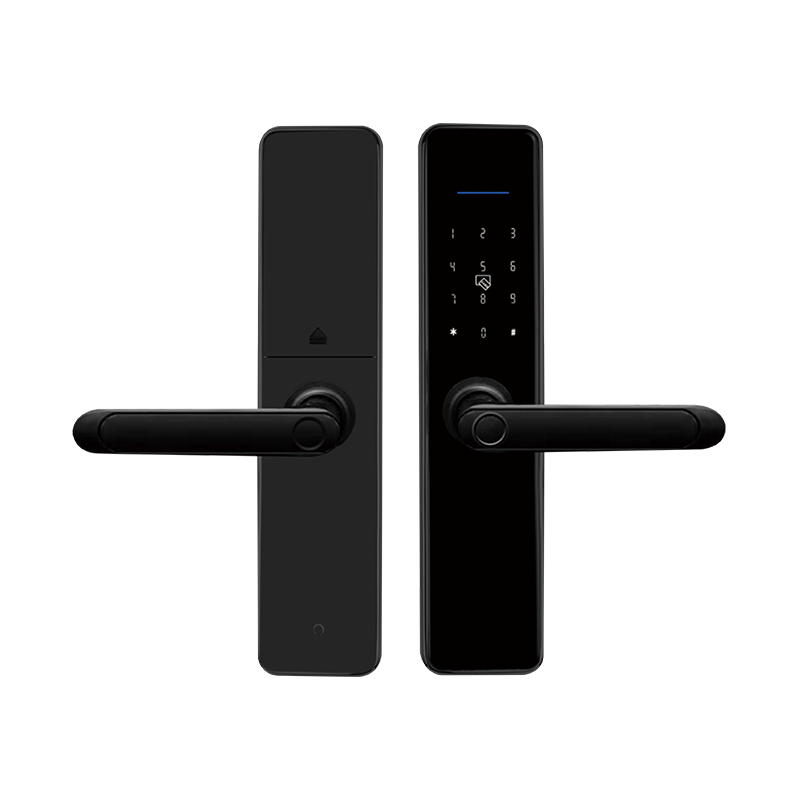
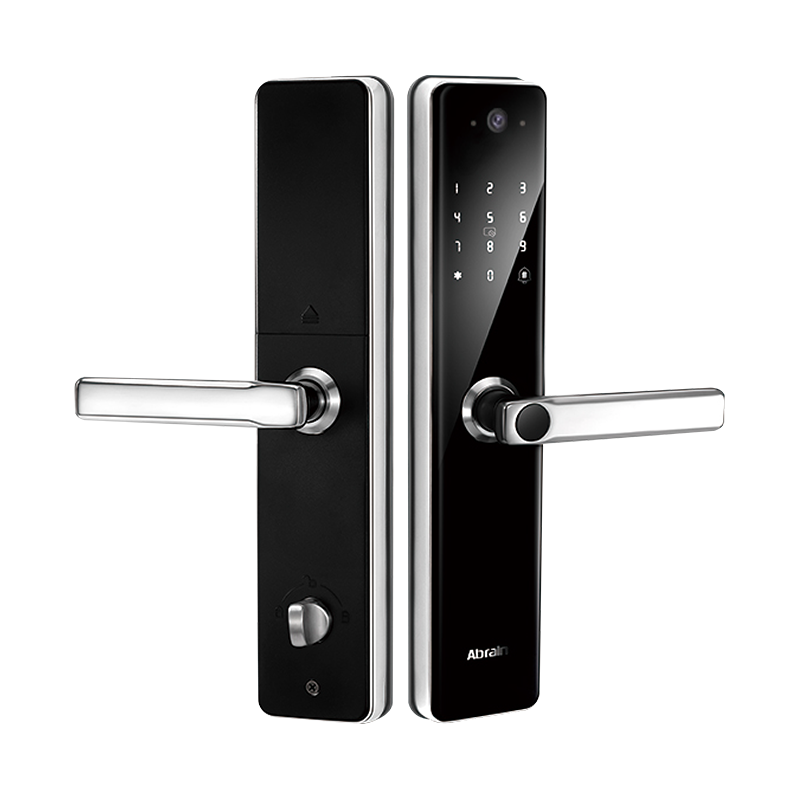
In factory website categories, the term usually refers to an Electronic Apartment Door Lock or Apartment Smart Door Lock that supports keyless access and digital management. Common unlocking methods include fingerprint recognition, password access, RFID card, NFC card, app control, WiFi connectivity, and mechanical key backup.
Apartment Lock vs. Traditional Mechanical Apartment Lock
A traditional mechanical apartment lock depends mainly on a physical key. It is simple and familiar, but it can become inconvenient when access needs to change frequently. Lost keys, duplicated keys, resident turnover, and emergency entry can all create extra work.
A Smart Lock for Apartment Door adds electronic access and flexible permission control. Passwords can be changed. Fingerprints or cards can be added or deleted. Some models support temporary passwords, access logs, and mobile app management. For rental apartments and short-term rental spaces, this can reduce key handling and make daily management more efficient.
| Access method |
Physical key |
Fingerprint, password, card, app, key backup |
| Permission change |
Usually requires key replacement or key control |
Users can be added, deleted, or updated digitally |
| Rental use |
More manual key handling |
Easier temporary access and user changes |
| Management visibility |
Limited |
Access logs available on selected models |
| Convenience |
Depends on carrying keys |
Keyless entry for daily use |
The key point is not that every apartment needs the same smart functions. The right apartment lock should match the building type, user flow, door structure, and management method.
Key Features to Consider When Choosing Apartment Locks
Picking an apartment door lock means weighing access functions against physical structure at the same time. A lock loaded with features can still turn out wrong for a door if the mortise, handle direction, or panel size doesn't line up.
Fingerprint Recognition
A fingerprint apartment lock lets residents get in fast, no keys or cards needed. It fits well in private apartments, staff apartments, student apartments, and other long-term residential setups. Day to day, fingerprint access just feels quicker and cuts down on carrying physical keys around.
Password Access
Password unlocking works for residents, family, maintenance staff, or anyone needing temporary entry. Rental apartments and short-term rentals benefit here too—access without ever handing over an actual key.
RFID and NFC Card Access
Card-based access, whether RFID or NFC, shows up often in apartment buildings, serviced apartments, staff housing, and student apartments. Managing card access tends to be straightforward once many rooms follow the same access pattern.
Mechanical Key Backup
Electronic functions aside, a mechanical key backup still matters. It's what gets someone through the door when the battery dies, the electronic module stops responding, or maintenance needs a way in.
Optional Remote Control
Certain apartment locks include remote control for specific setups, useful in cases where local access needs releasing quickly.
Optional WiFi Connectivity
A WiFi-enabled apartment lock can handle connected features—remote password setting, checking device status, reviewing access records—depending on the system behind it. This tends to matter most for managed apartments and short-term rentals coordinating access from off-site.
Mobile App Management
On some models, app management covers user settings, temporary passwords, access logs, and lock status. For a smart lock on a rental apartment, this flexibility helps when residents or guests rotate often.
Anti-Peeping Password
This feature lets users add extra digits before or after the real password, making it harder for anyone nearby—in a hallway or shared space—to catch the actual code.
Temporary Password
A temporary password works well for serviced apartments, rentals, short-term stays, cleaning crews, and scheduled maintenance visits, offering access that's only good for a limited window.
Access Logs
Where the system supports it, access logs let managers check unlocking history. This matters for serviced apartments, residential complexes, and short-term rental operations that need to trace who came and went.
Low Power Consumption
Since most apartment locks run on batteries, lower power draw stretches operating time and cuts down on maintenance—especially useful once a property has many units running at once.
Emergency Power Supply
An emergency power interface allows temporary power when the battery runs dry. Paired with a mechanical key backup, it helps keep access from getting interrupted altogether.
Stainless Steel Structure
A stainless steel apartment lock holds up better under frequent use, resists wear, and keeps its surface stable over time—a good match for apartment doors, rentals, serviced apartments, and residential complexes seeing heavy traffic.
Corrosion Resistance and Moisture-Proof Design
Apartment buildings sometimes sit in humid cities, coastal areas, or semi-outdoor corridors. Corrosion-resistant materials and moisture-proof design help the lock keep working reliably in those conditions.
Modern Appearance
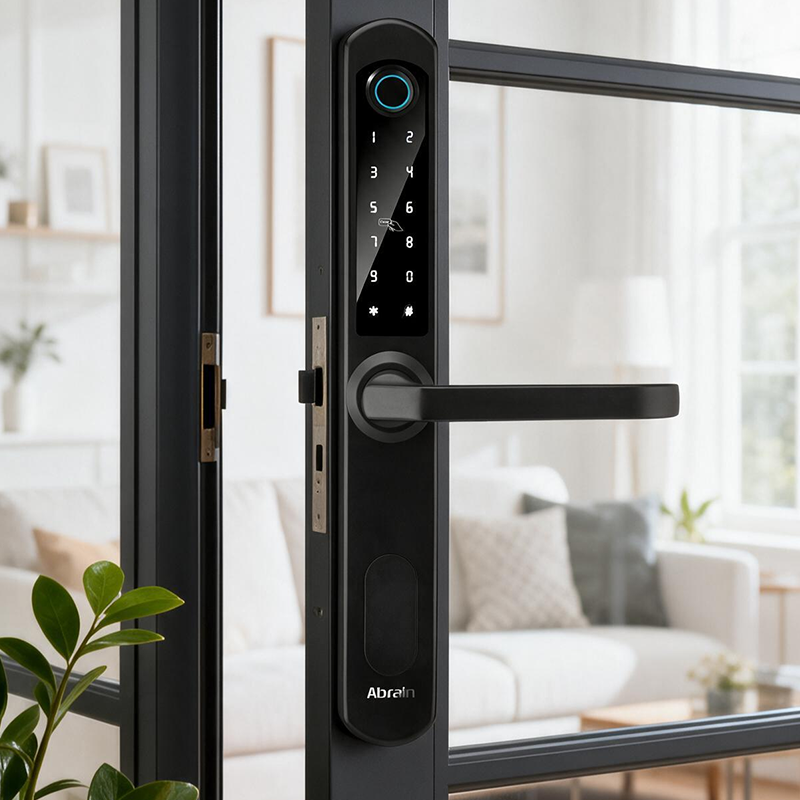
A clean, modern look helps the lock blend with apartment doors, condominium interiors, hotel-style apartments, and serviced residences. Panel finish, handle shape, and keypad layout should feel like they belong with the rest of the door design.
Common Applications of Apartment Locks
An apartment lock shows up across all kinds of residential and managed living spaces, and each one brings its own access needs plus a few installation quirks worth noting.
- Apartment doors need secure entry paired with everyday convenience—fingerprint, password, RFID/NFC card, or a mechanical key sitting there as backup.
- Condominium doors ask for access control that stays dependable without sacrificing the clean look that modern residential hardware is supposed to have.
- Private apartments tend to rely on fingerprint recognition, password access, anti-peeping codes, and low battery reminders, all working together for better privacy and less daily hassle.
- Rental apartments do better with access that's easier to swap out or update—passwords, cards, app management, temporary access—depending on what's needed at the time.
- Short-term rental properties pair naturally with temporary passwords, app control, access logs, and remote configuration, since guest entry has to stay flexible by nature.
- Serviced apartments deal with resident, staff, and maintenance access all at once, so card systems, app functions, or record-keeping usually end up carrying the weight.
- Residential complexes need lock models, finishes, accessories, and management methods that don't drift too far apart from one unit to the next.
- Staff apartments mostly just need durable hardware and permission control simple enough not to complicate shared living setups.
- Student apartments manage fine with RFID cards, passwords, a mechanical backup, and low power reminders keeping the whole access picture straightforward.
How to Choose the Right Apartment Door Lock
Choosing the right apartment door lock starts with checking door compatibility, then moving on to access functions and whatever management needs come into play. A smart lock shouldn't just look like it fits—it needs to match the door structure underneath and hold up reliably once it's actually in daily use.
Key Points to Check
- Door thickness matters first: the panel, spindle, screws, mortise, and lock body all need to line up with how thick the door actually is.
- Door material changes things too—wood, steel, aluminum, composite, and security doors often call for different drilling and fixing approaches.
- Lock body size is worth checking closely: mortise size, backset, latch type, screw holes, and panel cutout should all get confirmed before installation starts.
- Handle direction can trip things up if missed—confirming left or right opening, plus inward or outward swing, helps avoid installation mistakes later.
- Power supply covers a handful of details: battery type, battery life, low battery reminders, how the battery gets accessed, and whether there's an emergency power interface.
- Unlocking methods are where practical functions come in—fingerprint, password, RFID/NFC card, app control, WiFi, temporary password, or a mechanical key backup, picked based on what's actually useful.
- WiFi and app management need a closer look too: does the lock connect to WiFi directly or need a gateway, and what can the app actually do—user settings, access records, that sort of thing.
- Temporary password ends up handy for rental apartments, short-term rental properties, maintenance visits, and any access that's only needed for a limited window.
- Access logs help out in managed apartments, especially anywhere entry records need checking after the fact.
- Moisture protection becomes important in humid climates, coastal areas, or semi-outdoor corridors—corrosion-resistant and moisture-proof designs hold up better there.
- Installation method is worth reviewing ahead of time through drawings, drilling templates, and checking whether it's compatible as a replacement.
- Packaging and accessories should keep panels, handles, mortise, screws, cards, keys, manuals, and other parts protected and easy to sort through.
- Local requirements can shift preferences around finish, handle style, card type, app language, battery type, and certification needs depending on where the lock is going.
- Customization and testing round things out—confirming logo, color, lock body, panel design, and packaging, then running sample testing before moving ahead more broadly.
Why Work with an Apartment Lock Manufacturer
Working with an apartment lock manufacturer tends to speed up product selection, technical matching, and everything tied to long-term use down the road. For apartment projects specifically, small details—door thickness, mortise size, handle direction, power supply, access method—all need to line up with whatever's actually happening at the installation site.
Here's what a manufacturer typically brings into the process:
- Product consistency keeps panel finish, handle style, lock body, accessories, software functions, and packaging matched across different apartment units instead of drifting apart unit by unit.
- Technical communication helps confirm drawings, dimensions, door compatibility, function settings, and troubleshooting details without a lot of back-and-forth confusion.
- Flexible configuration means fingerprint, password, RFID/NFC card, WiFi, app management, temporary password, access logs, and mechanical key backup can each get adjusted depending on what the project actually needs.
- Logo and packaging customization covers logo placement, box design, label style, manual language, and how accessories get arranged inside.
- Structure adjustment lets panel size, mortise type, latch structure, handle direction, and other components shift as needed for a cleaner installation fit.
- Quality control means checking electronics, mechanics, surface finish, battery function, and aging performance—plus the packaging itself—before anything ships out.
- Continuous supply capability helps keep the same model, finish, and parts available down the line, whether that's for future replacement or a project rolling out in phases.
- Project recommendation involves suggesting apartment lock models that actually suit the door structure, the application scene, and whatever management setup is in place.
- After-sales support covers installation guidance, programming instructions, app setup help, reset steps, advice on battery replacement, and troubleshooting when something isn't working right.
Why Choose Ruian Apartment Lock
Ruian puts its focus on apartment lock solutions that actually work in practice—for residential doors, rental apartments, serviced apartments, condominium doors, staff apartments, student apartments, and short-term rental properties alike. The lineup gets built around a stable structure, installation compatibility that's easy to check, and access configuration flexible enough to adjust as needed.
As an apartment lock manufacturer, Ruian covers several product directions: smart apartment locks, fingerprint apartment locks, WiFi apartment locks, digital locks for apartment doors, and electronic apartment door lock solutions. What each model includes can vary—fingerprint recognition, password access, RFID/NFC card, mechanical key backup, mobile app management, temporary passwords, access logs, stainless steel structure—all depending on what fits the situation.
Beyond that, there's support for logo customization, choosing panel finishes, adjusting packaging, customizing the user manual, matching lock bodies, and working through project recommendations. None of this is complicated at its core—every apartment door lock just needs to fit the door, match the access scenario, and hold up reliably day after day.
An apartment lock ends up being more than just a stand-in for a mechanical key system. It brings secure access, entry that's easy day to day, permission control that adapts, rental space management that's less of a headache, and a real bump in residential security—useful across apartments, condominiums, serviced apartments, staff housing, student apartments, and short-term rental properties.
When picking out a smart lock for an apartment door, a few things are worth checking closely: door thickness, door material, mortise size, which unlocking methods are on offer, whether WiFi or app support is needed, if temporary passwords are supported, how well it resists moisture, what customization options exist, any certification expectations, and how it performs during sample testing. Get the structure and configuration right, and an apartment door lock can keep performing steadily over the years while the entrance itself stays clean, modern, and simple to manage.

 русский
  Español
  عربى
عربى 






 Email:
  Phone: +86-13575699186
  Address: No.135, Wanyu Road, Zhiying Industrial Zone, Yongkang City, Zhejiang Province, China.