
 русский
  Español
  عربى
عربى 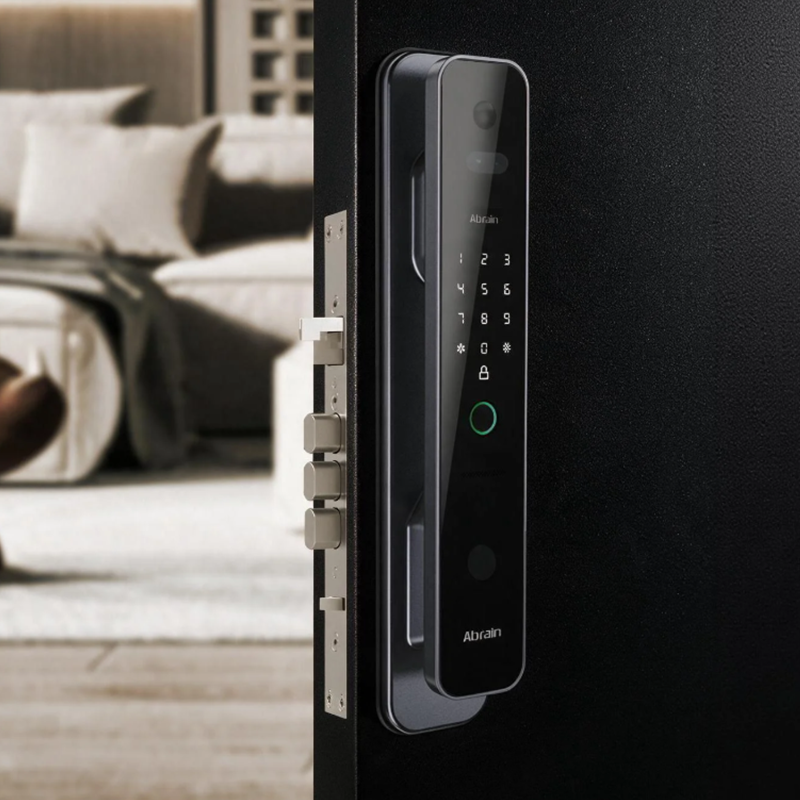

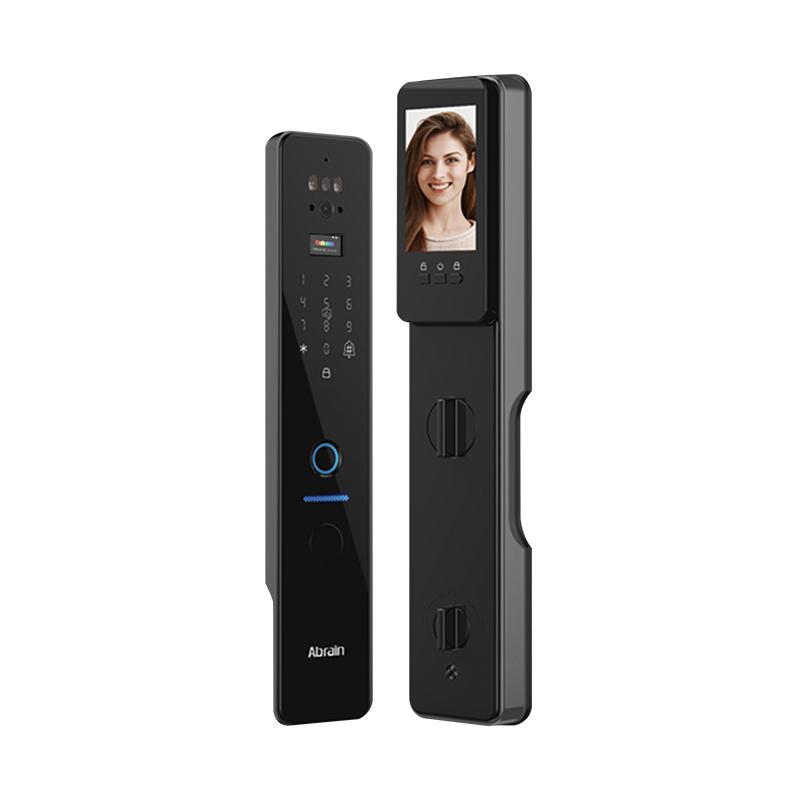
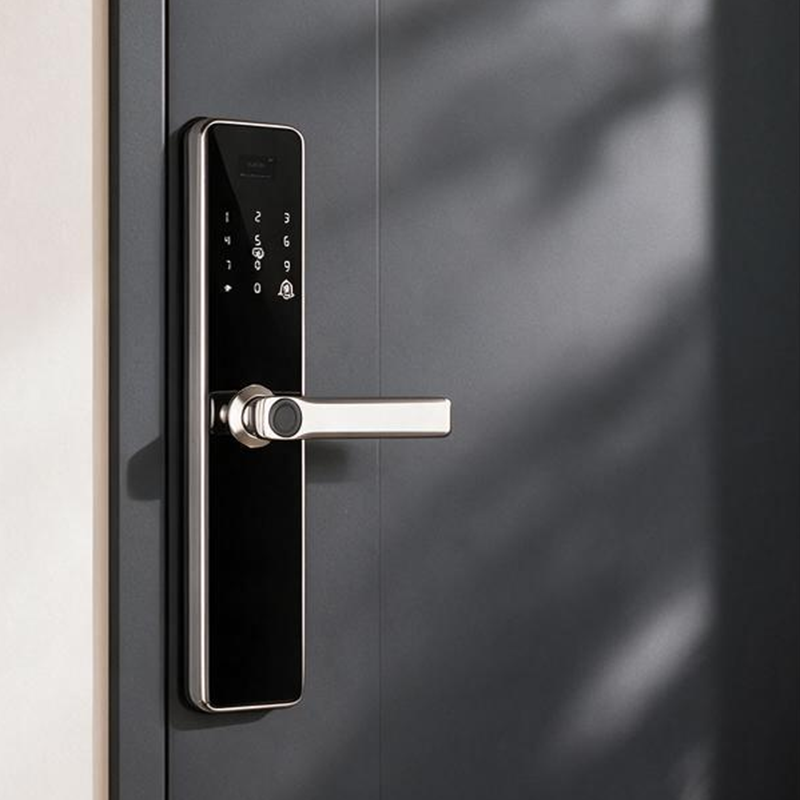
Security doors today are increasingly paired with smart locks instead of the old mechanical systems, and for good reason—these devices are built specifically to hold up under outdoor or semi-outdoor conditions while making entry both safer and easier day to day. You'll find them installed on all kinds of doors: security gates, main entrances, apartment buildings, villas, private homes, shops, offices, and plenty of engineering or construction projects that need something more reliable than a standard lock. The exact unlocking options vary from one model to the next, but most support a mix of fingerprint scanning, password codes, RFID cards, face recognition, a spare mechanical key just in case, and remote unlocking through a phone app. Step up to a higher-end model and you'll likely get extra perks too—things like a smart peephole that lets you see who's outside, live video feeds, doors that lock and unlock themselves automatically, a heads-up when the battery's running low, and a Type-C charging port for emergency backup power if it ever dies at the worst moment. What really sets these apart from old-school locks is how much easier they make managing who has access, how much quicker they let people in, and how many extra layers of security they bring to the table. On top of that, they're built to last—304 stainless steel bodies, rust protection, waterproofing, moisture resistance, and lock bodies that can be swapped or adjusted depending on the door—which is exactly why they've become such a common sight in homes, businesses, and large-scale projects alike.


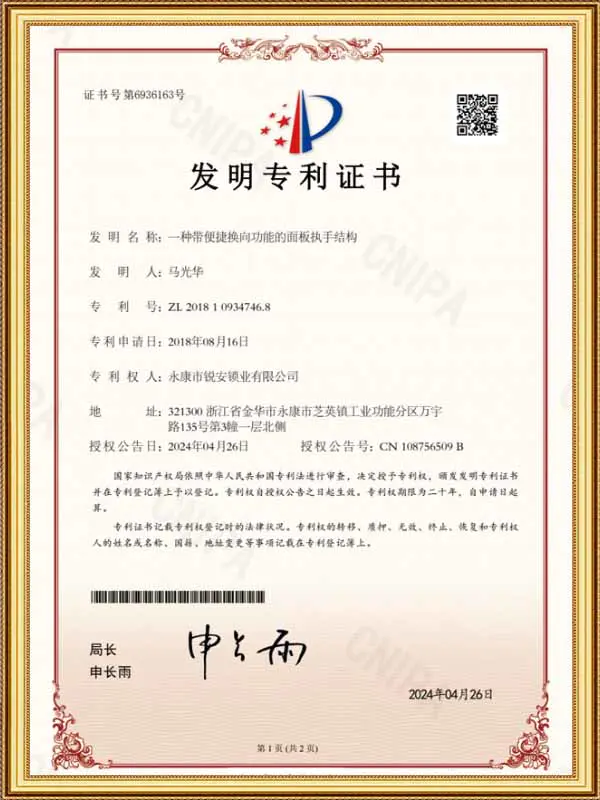
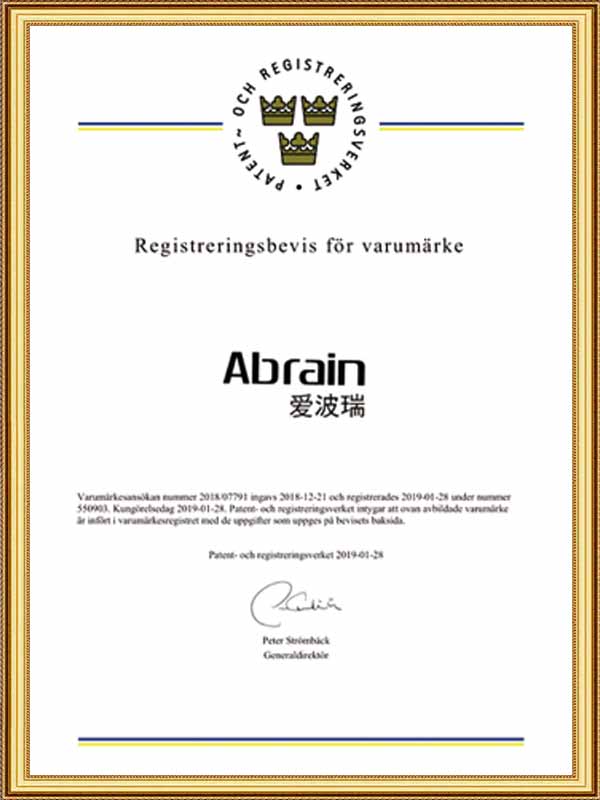
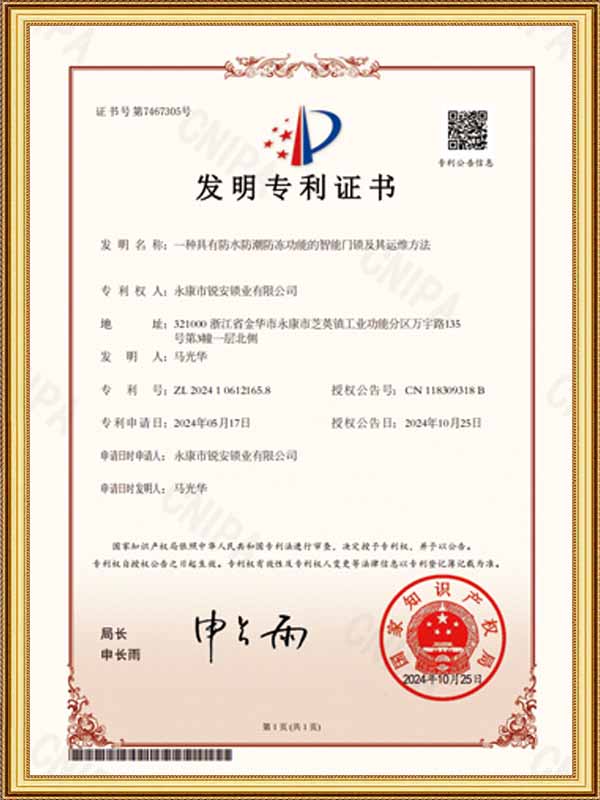
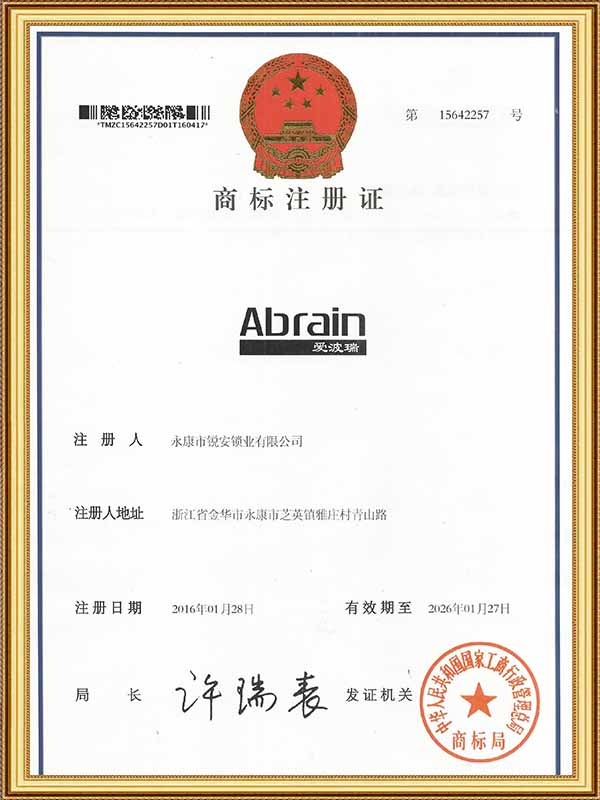
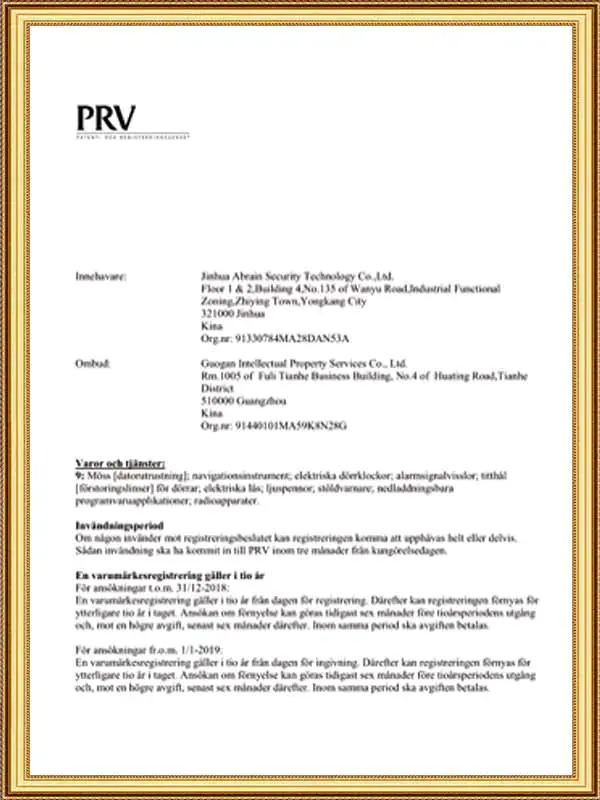
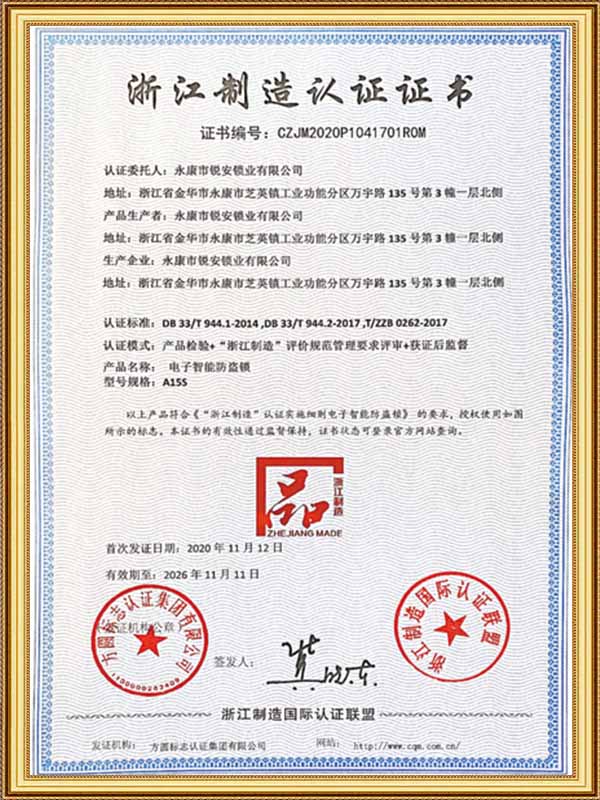
Founded in 2011 in Yongkang, Zhejiang province, the company covers an area of 5,000 square meters and employs 58 people. We are Waterproof Security Door Smart Lock manufacturer & supplier and focus on the 304 stainless steel series of waterproof and moisture-resistant security smart door locks, including entry doors, interior doors, glass doors, villa doors, 3D face fully automatic, double-sided waterproof smart door locks outside profile doors and courtyard portals, apartment locks, campus locks, stainless steel mechanical locks. We specialize in home improvement and real estate projects, and have established relationships with many brands, such as Dahua shares, Hangxiao Steel, Swedish brand ASSA ABLOY's company Guoqiang Hardware, Wangli Security, Star Moon Security, Xinduo Door, Caizhu Vanke, etc. Our products are exported to Southeast Asia and European countries. The company has several independent brands such as "Abrain" and "Rui'an", and has been awarded more than 20 national patents for invention, utility models, and appearance. Our 3D Face Recognition Door Lock for High-Level Security Products have passed the certification for a quality management system, environmental management system and occupational health and safety management system, and the company won the patent demonstration enterprise of Yongkang City, the AA-level "Keep Contract and Keep Promise" enterprise of Zhejiang Province, and the "Made in Zhejiang" certification enterprise of Zhejiang Province and the Alibaba Super Factory. The company has a professional independent research and development team, and everything from product appearance and structural design to mold development, product prototyping and mass production can be completed independently. Our factory is also equipped with 3500㎡ production workshops and laser cutting machines, stamping equipment, hydraulic machines, automatic welding machines, and fine engraving machines. With more than 50 automatic polishing lines, automatic cleaning lines, assembly lines and other specialized equipment, annual production can reach 300,000 units. The lock shells are made of 304 stainless steel, which is not easy to rust and is durable. We have quality inspection equipment such as a whole lock function tester, constant temperature and room experiment box, salt spray test machine, aging test bench, etc. and we arrange special quality inspection personnel to keep watch on each link, strictly in accordance with ISO9001 standards.
-

Industry Experience
0+ -

Factory Area
0m² -

Current Employees
0+ -

Annual Output
0+
Our products comply with international industry standards, and we continue to innovate and keep pace with the times.
-
Step into a residential corridor in certain overseas markets and something on the door will look unfamiliar to anyone trained on a single-lock desi...
READ MORE -
Anyone who has spent time on the installation side of this industry knows a simple truth that rarely makes it into product literature: a lock body ...
READ MORE -
Push a file, device installs it, done. That's how firmware updates sound in theory. Anyone who has actually run a distribution network selling smar...
READ MORE -
A door lock used to be the one thing in a house nobody had to think about. Turn the key, done. Smart locks changed that arrangement the moment they...
READ MORE -
A lock that worked fine last month can suddenly act strange after an unrelated update somewhere else in the house. The hub updates overnight, the a...
READ MORE
Smart Door Lock Solutions for Apartments, Villas, Commercial Doors, and Security Entrances
A smart lock for security doors is a digital access control device built for doors that require higher physical strength and reliable locking performance. Unlike standard indoor smart locks, this type of lock is designed to match reinforced door structures, thicker panels, multi-point lock bodies, and entrance environments with frequent use.
Where do you actually see these? Mostly in apartment complexes, villas, office buildings, schools, retail spaces, and bigger real estate projects. Because so many of these doors are steel or metal-framed, the lock hardware itself needs beefier panels, a mortise that lines up correctly and stays put, and a surface finish tough enough to survive years of wear.
Main Purpose
At the end of the day, a lock like this is trying to pull off several jobs simultaneously:
- Hold up mechanically without weakening over time
- Handle digital access control reliably
- Make unlocking quick and hassle-free for everyday users
- Give property managers real control over who gets access
- Keep working properly regardless of weather conditions
- Last for years under constant use, not just a few months
Bottom line: for any real-world project, a lock can't just look sleek on day one—it has to keep performing consistently, door after door, use after use, year after year.
Key Features of Smart Locks for Security Doors
Most smart locks made for security doors don't rely on just one way to get in—they usually combine several unlocking methods along with different safety features. Which combination actually makes sense really comes down to things like what kind of door it is, how often people are going in and out, where it's installed, and how much control the property needs over who has access.
Common Unlocking Methods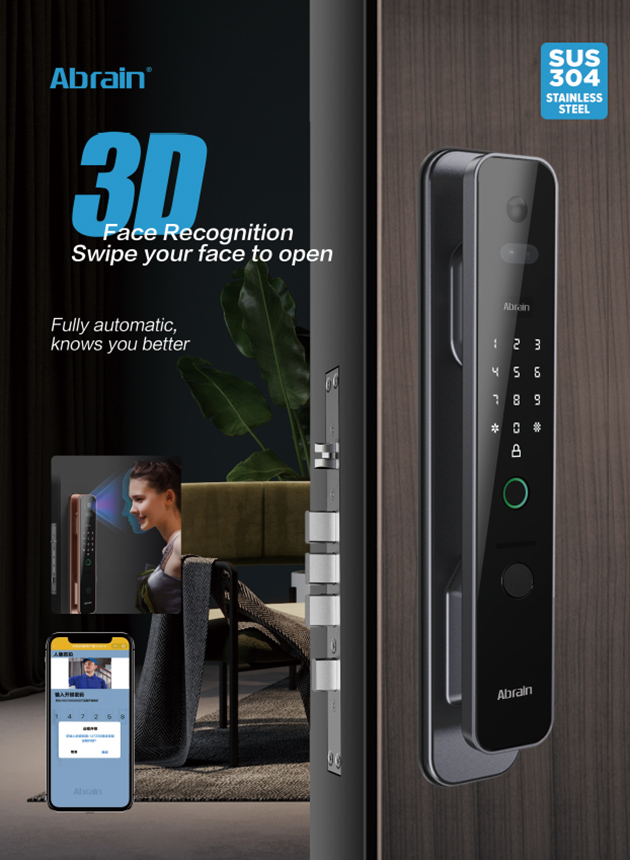
There's usually a handful of ways to unlock the door, and most locks mix and match a few of these:
- Fingerprint scanning, which works well when you just want to get in fast without fumbling for a code
- A password option, useful for family members, tenants, staff, or anyone else who's been given access
- RFID cards, which show up a lot in apartments, office buildings, campuses, and commercial spaces
- Face recognition, so people can walk up and get in without touching anything
- A mechanical key kept as backup, just in case the electronics ever fail
- Fully automatic unlocking, which makes the whole process smoother on doors that support it
Smart Monitoring and Safety Functions
Once you move into the higher-end models, the feature list tends to grow quite a bit further:
- A smart door viewer that lets you see who's standing outside before opening up
- Real-time monitoring, so you actually know what's happening at the entrance and can stay aware of security status
- A low battery warning, which helps avoid getting locked out because the power quietly ran down
- A Type-C port for emergency power, in case the battery dies and someone needs a quick workaround
- Anti-peep input protection, which keeps someone from watching and memorizing your code
- Support for managing multiple users, something residential buildings and managed properties rely on often
- Alerts for unusual access attempts, though this depends on how the system itself is set up
Practical Value for Projects
In apartment buildings, office spaces, and residential communities, locks like these tend to speed up daily access and cut down on how much everyone still depends on physical keys. And when it comes to larger engineering or property work, they make it easier to plan out door hardware consistently across a site, keep user management from becoming a headache, and give the whole entrance a more current feel overall.
Material and Durability: Why 304 Stainless Steel Matters
When it comes to picking out a smart lock for a security door, the material it's made from really shouldn't be an afterthought. Entrance doors get opened and closed constantly, and depending on where they're installed, they might deal with humidity, shifting temperatures, dust, or just general outdoor air—so whatever the lock body and panel are made of needs to hold up under all that over time.
Advantages of 304 Stainless Steel
You'll see 304 stainless steel show up in door hardware pretty often, and there's a reason for that—it handles rust, corrosion, and everyday wear noticeably better than a lot of alternatives. On locks installed at entrances or on doors exposed to outdoor conditions, this material tends to keep both the look and the actual performance intact for much longer.
A few things worth knowing about it:
- It resists rust even in humid or coastal settings
- The structure fights off corrosion, which stretches out how long the lock actually lasts
- The surface holds up better against everyday contact, cleaning, and general handling
- Panels made from it offer stronger protection than you'd get from weaker metals
- Residential and commercial entrances both benefit from the added stability it provides
Why Material Matters for Security Doors
Security doors tend to be heavier and sturdier than a typical wooden door, so any lock going on one of these needs a lock body strong enough to match, along with internal parts that won't give out under regular use.
Before settling on a material, there are a few things worth checking:
- What the front and rear panels are actually made from
- Whether the handle or automatic mechanism can handle repeated use
- How solid the mortise and latch structure feels
- Whether the surface treatment looks and feels properly done
- How well it resists moisture and oxidation over time
- What kind of upkeep it's likely to need down the road
Get the material right from the start, and you avoid a lot of headaches after installation—plus the lock just holds up better in conditions that would wear down something less durable.
Waterproof and Moisture-Proof Performance
If a smart lock is going on an entrance door, a villa door, a commercial door, an apartment door, or any security door that sits partly outdoors, waterproofing really can't be skipped. Humidity creeps in, rain splashes against the panel, condensation builds up, and temperatures swing throughout the day—and none of that plays well with electronic components if the lock hasn't been properly sealed against it.
A lock that's actually built to handle moisture well tends to have a sealed touch panel, a fingerprint module that's protected rather than exposed, internal parts designed to resist dampness, and a battery compartment that stays secure even in wet conditions. Without these, you start running into problems like keypads that stop responding, batteries that corrode, fingerprint recognition that becomes unreliable, or motors that eventually stall out.
Locks with solid waterproofing tend to fit well on:
- Main entrance doors
- Villa exterior doors
- Apartment corridor entrances
- Office entrances
- Commercial spaces
- Campus and dormitory doors
- Residential and engineering projects more broadly
For any door facing the outdoors, it's worth thinking through a few practical details before locking in a choice—which way the door faces, how much rain exposure it actually gets, whether there's a canopy or overhang offering some shelter, and what the local climate tends to throw at it throughout the year.
Applications of Smart Locks for Security Doors
You'll find smart locks for security doors showing up across all sorts of settings these days—homes, offices, campuses, real estate developments, and various engineering projects. Whatever the door type, they tend to offer secure access, make managing users a lot less of a hassle, and give the entrance a more current feel overall.
Residential Use
At home, whether it's an apartment or a villa, these locks tend to make coming and going a little easier day to day, letting people in through a fingerprint, a password, an RFID card, face recognition, or just a mechanical key when needed. This kind of setup works well on:
- Apartment entrance doors
- Villa doors
- Residential security doors
- Family main doors
Commercial Use
Move into an office or a retail space, and these locks start doing a different job—helping staff and management keep better track of who's coming and going, without leaning so heavily on physical keys anymore. You'll typically spot them on:
- Office entrance doors
- Staff access doors
- Retail and commercial unit doors
- Shared workspace entrances
Campus and Project Use
Then there's the bigger picture—campuses, dormitories, real estate developments, and larger engineering jobs—where having some kind of organized approach to access control and door hardware planning actually matters. In these situations, smart locks tend to appear on things like:
- Dormitory doors
- Campus apartments
- Residential buildings
- Villa communities
- Office buildings
- Broader smart home integration projects
How to Choose the Right Smart Lock for Security Doors
Choosing the right smart lock requires more than comparing appearance or functions. A suitable model should match the door structure, environment, access method, and maintenance requirements.
Key Selection Factors
| Selection Area | What to Check | Why It Matters |
|---|---|---|
| Door Compatibility | Door thickness, opening direction, lock body size, panel space | Ensures correct installation and stable operation |
| Lock Body Structure | Mortise type, latch design, automatic or semi-automatic operation | Affects locking strength and user experience |
| Unlocking Methods | Fingerprint, password, RFID card, face recognition, key backup | Determines daily access convenience |
| Material | 304 stainless steel, anti-rust parts, corrosion-resistant surface | Supports durability and long-term use |
| Waterproof Performance | Waterproof panel, moisture-proof electronics, weather-resistant design | Reduces malfunction risk in humid environments |
| Battery System | Battery type, standby performance, low battery reminder, Type-C emergency power | Improves reliability during long-term use |
| Security Functions | Anti-peep password, alarm function, real-time monitoring, mechanical backup | Enhances entrance protection |
| User Management | Number of users, access types, management method | Important for apartments, offices, and managed properties |
| Maintenance | Battery replacement, emergency access, spare parts availability | Reduces future service issues |
| Project Suitability | Consistent design, installation flexibility, door hardware matching | Supports multi-door applications |
Door Body Adaptation
Before selecting a smart lock, confirm the following door details:
- Door material: steel, stainless steel, wooden, armored, or composite
- Door thickness
- Opening direction: left-hand or right-hand
- Existing lock body size
- Distance between handle, cylinder, and edge
- Whether the door uses a multi-point locking system
- Indoor and outdoor installation environment
Incorrect door matching can lead to installation difficulty, poor locking alignment, or unstable automatic operation.
Choosing Unlocking Methods
Different environments require different unlocking combinations.
- Fingerprint unlocking is ideal for homes and private offices.
- Password access is suitable for flexible access needs.
- RFID card access works well for apartments, campuses, and managed spaces.
- Face recognition is suitable for premium entrances and touchless access.
- Mechanical key backup remains important for emergency use.
- Smart door viewer and real-time monitoring add extra visibility for entrance security.
Battery and Emergency Power
A practical smart lock should include a reliable battery system and visible low battery warning. A Type-C emergency power supply is useful when the lock battery runs out unexpectedly.
Important battery-related checks include:
- Battery compartment design
- Low battery reminder method
- Emergency power interface
- Ease of battery replacement
- Power consumption of face recognition or automatic unlocking functions
FAQ
What doors are suitable for smart locks for security doors?
They are suitable for security doors, entrance doors, apartment doors, villa doors, residential doors, commercial doors, and project applications. Door thickness, lock body size, and opening direction should be checked before installation.
Are smart locks for security doors waterproof?
Many models are designed with waterproof and moisture-proof protection. For outdoor or semi-outdoor use, it is important to choose a weather-resistant model with sealed panels and protected electronic components.
What unlocking methods are commonly available?
Common methods include fingerprint unlocking, password access, RFID card access, face recognition, mechanical key backup, and fully automatic unlocking depending on the model.
What happens if the battery runs out?
A smart lock with a low battery reminder will notify users in advance. If the battery is fully depleted, a Type-C emergency power supply can provide temporary power for access.
Can smart locks be used for apartments and real estate projects?
Yes. They are widely used in apartments, residential buildings, villas, offices, campuses, commercial spaces, and engineering projects where secure and convenient access is required.
Is face recognition necessary for every security door?
Not always. Face recognition is useful for touchless access and premium entrances, but fingerprint, password, RFID card, and mechanical key backup may be sufficient for many standard applications.
What should be checked before installation?
Check door thickness, lock body type, opening direction, installation hole positions, panel size, and whether the door has a multi-point locking system.
Why Choose Ruian Smart Lock for Security Doors
Ruian builds its smart locks with modern entrances in mind—places where reliable protection, easy access, and installation flexibility all matter at once. Whether it's a security door, an entrance door, an apartment door, a villa door, or something in a commercial or larger project setting, these locks are meant to fit right in.
On the access side, there's quite a bit of range to choose from—fingerprint unlocking, password entry, RFID cards, face recognition, and a mechanical key kept as backup for when it's needed. Certain models take things further too, adding a smart door viewer, real-time monitoring, fully automatic unlocking, a low battery reminder, and a Type-C port for emergency power, all aimed at making daily use just a bit smoother.
As far as durability goes, Ruian's security door locks can come built with 304 stainless steel, parts designed to resist rust, surfaces that hold up against corrosion, and structures made to keep moisture out. That combination tends to work well whether the lock ends up indoors, in a semi-outdoor spot, or right at an entrance where humidity, dust, and constant use are just part of daily life.
Beyond the materials and features, Ruian also pays attention to how well a lock fits the door it's going on, how the lock body lines up, how the battery holds up over time, how easy it is to manage different users, and how simple maintenance turns out to be down the road. Across residential buildings, villas, offices, campuses, commercial spaces, real estate developments, and engineering projects, the goal stays the same—finding a workable balance between security, everyday convenience, durability, and how easily the lock actually adapts to different installation situations.

 Email: [email protected]
 Phone: +86-13575699186
 Address: No.135, Wanyu Road, Zhiying Industrial Zone, Yongkang City, Zhejiang Province, China.
QR Code
Copyright © Yongkang Ruian Lock Industry Co, Ltd. All rights reserved.
