
 русский
  Español
  عربى
عربى 
What Buyers Evaluate Before Choosing a Smart Lock for Home Door
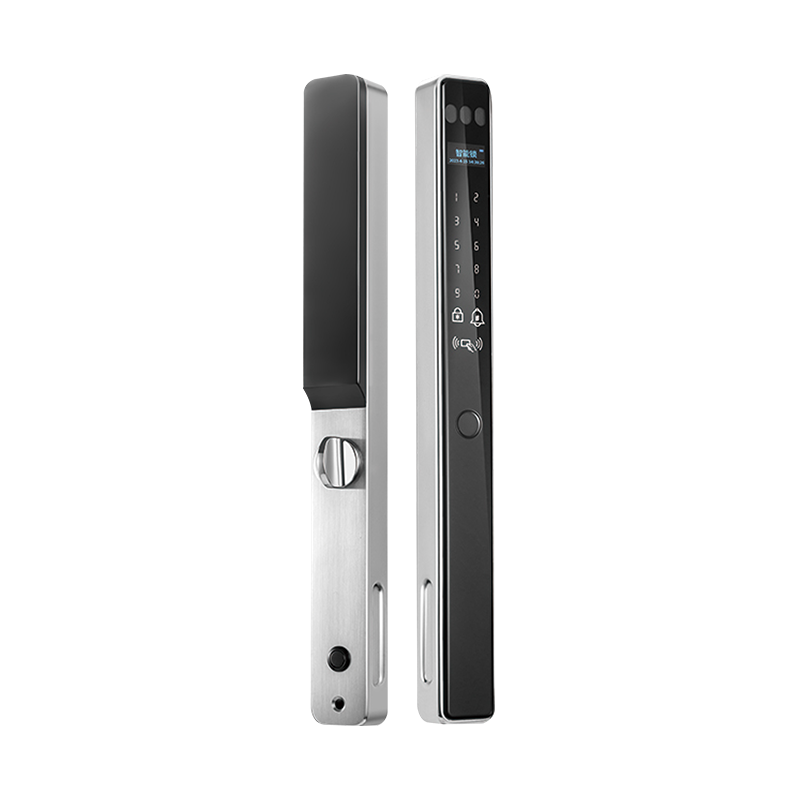
A dead battery at the worst possible moment. A fingerprint sensor that hesitates every time it's cold outside. That nagging worry about whether Bluetooth really means someone, somewhere, could hack their way into your house while you sleep. If any of this sounds like what's been running through your head while shopping around, you're already asking the right questions before spending money on something meant to protect your family. Picking a smart lock for home door installation isn't as simple as grabbing whichever box lists the most features. There's a real gap, often a frustrating one, between what marketing copy promises and how a lock actually behaves once it's mounted on your specific door, weathering your specific climate, used by your specific household every single day.
Why Does "Smart" Need Careful Evaluation in the First Place?
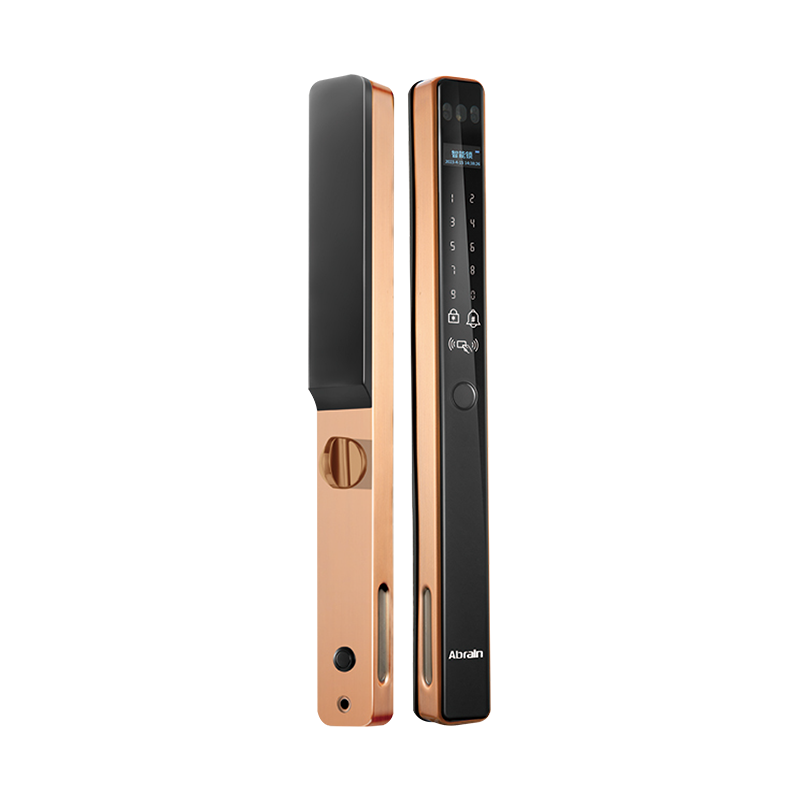
A smart lock swaps out, or sometimes just supplements, a traditional mechanical lock with electronic access methods. Keypads, fingerprint scanners, mobile app control, Bluetooth pairing, occasionally all four at once, usually alongside a physical key tucked away as backup. The appeal is obvious enough: no more digging through pockets for keys, easier access sharing among family members, sometimes even a log of who came and went.
None of that convenience matters much, though, if the underlying product doesn't hold up. A lock that glitches during a power outage, burns through batteries faster than expected, or just doesn't fit your door properly creates more headache than the convenience it was supposed to deliver in the first place.
How Much Should Security Grading Actually Weigh In?
Security probably deserves the top spot on any buyer's checklist, if only because protecting your home is the entire point of owning a lock. Traditional grading systems still apply to the mechanical guts of most smart locks, and understanding what these ratings mean in practice helps buyers avoid choosing purely on brand name or how sleek something looks in photos.
A handful of security questions worth asking before handing over payment:
- Does the mechanical component carry a recognized security rating, separate from whatever electronic bells and whistles it advertises
- How resistant is it to common bypass tricks, things like bumping or picking
- Is the app-based or Bluetooth communication actually encrypted, or just assumed to be
- Has this specific product line had any documented vulnerability history worth knowing about
Don't assume "smart" automatically means secure. The electronic layer is there for convenience, sure, but it needs to sit on top of genuinely solid mechanical security, not substitute for it.
Which Access Methods Actually Fit Your Household?
Most smart locks throw multiple unlocking methods at you, and honestly, the smarter move is thinking through which ones your household will realistically use, rather than getting dazzled by a long features list.
Fingerprint Recognition
Quick, keyless, convenient, sure. But performance swings wildly between products. A sensor that fumbles with wet or cold fingers, or that demands three attempts before it works, stops being a convenience fast and starts being a daily annoyance instead.
Keypad Entry
A numeric keypad gives you a dependable fallback that doesn't depend on a phone battery or a fingerprint reading correctly. This matters more than people expect, particularly for guests, kids, or anyone without their primary access method handy in the moment.
Bluetooth Door Lock System Functionality
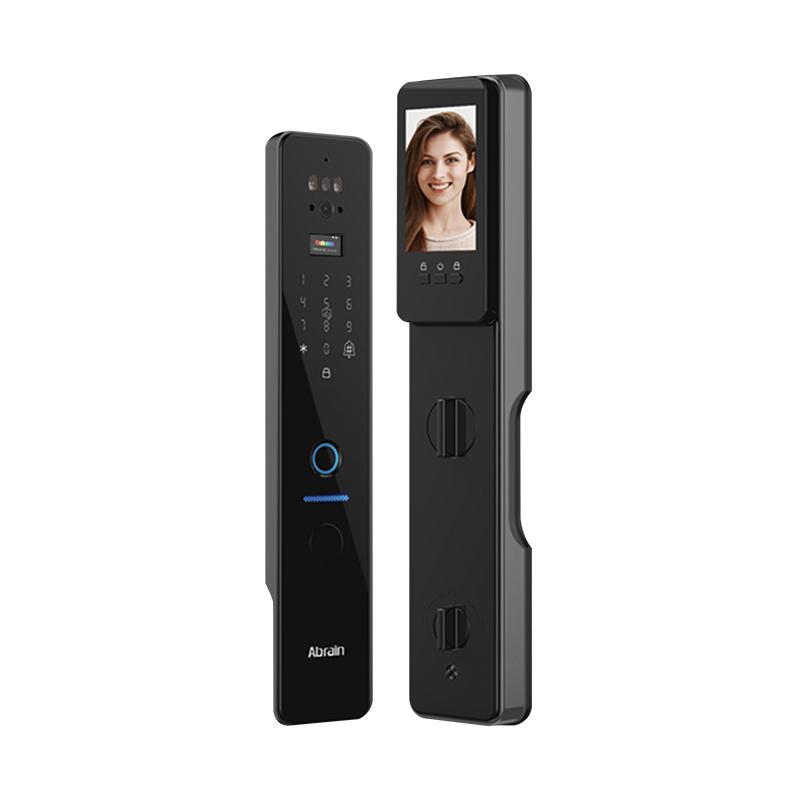
A Bluetooth door lock system typically unlocks via smartphone app once your phone drifts into range, sometimes automatically as you walk up. How well this actually works depends heavily on connection reliability and Bluetooth range, and that varies a fair bit between manufacturers.
Physical Key Backup
Nearly every lock worth buying keeps a physical key option tucked in as a last resort. And that matters enormously, during a power outage, a dead battery, or any moment the electronics just aren't cooperating.
Does Your Door Type Actually Matter Here?
This is one of those details buyers overlook right up until installation day, when it turns a simple purchase into an unexpected headache.
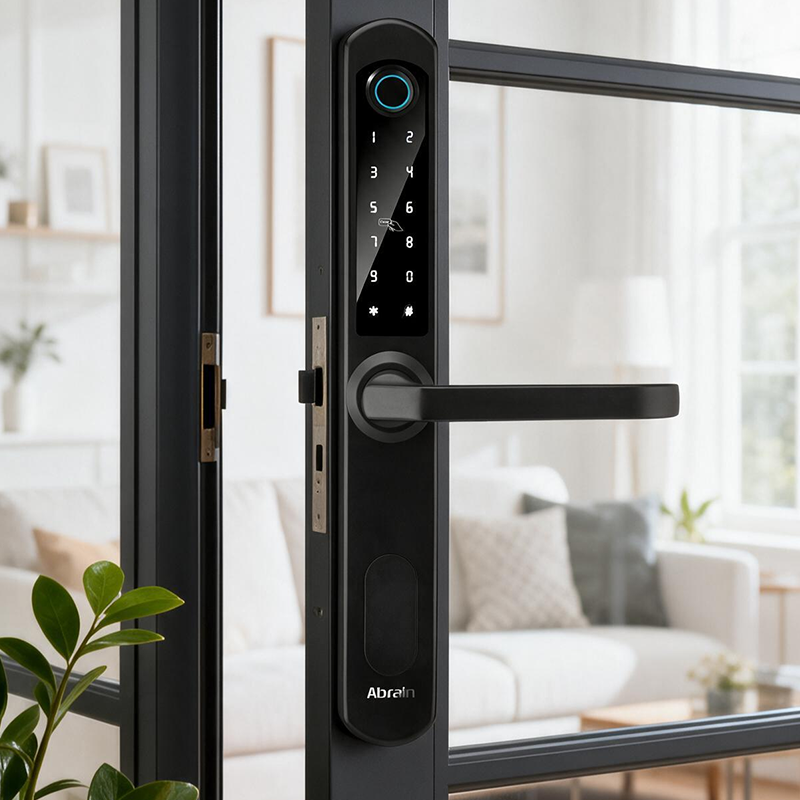
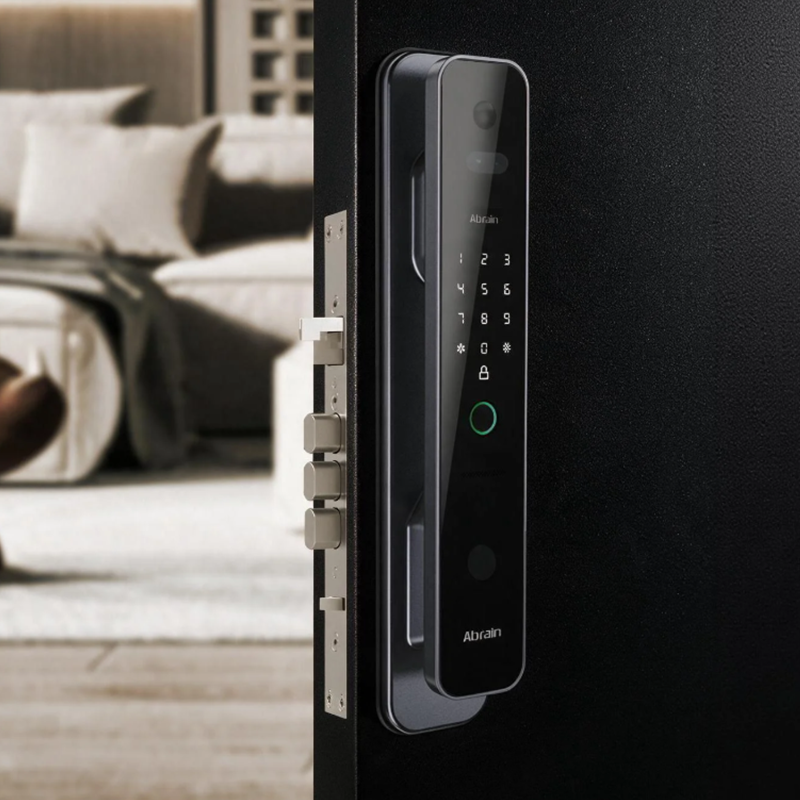
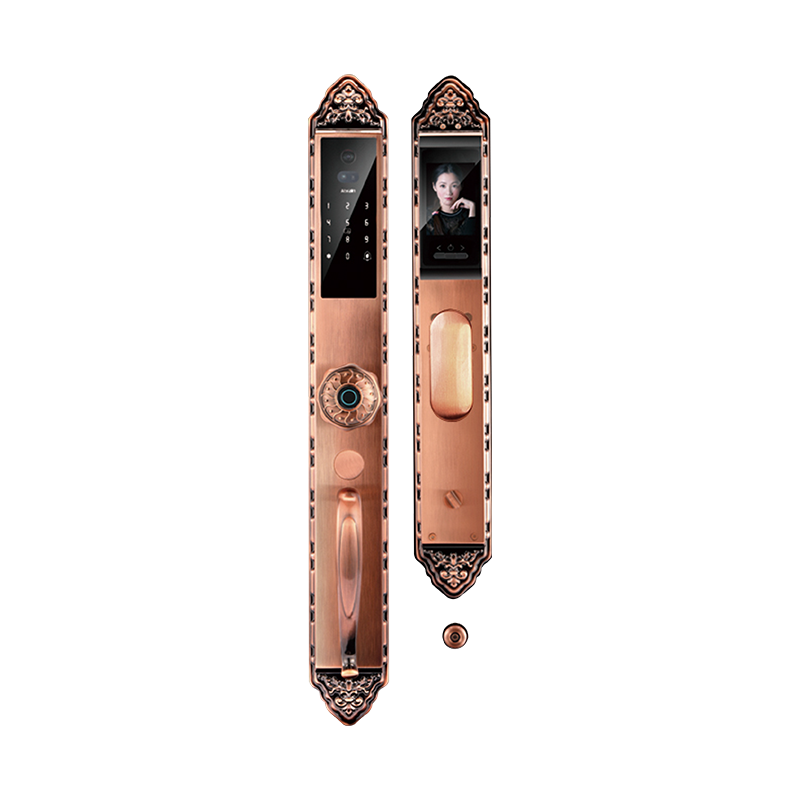
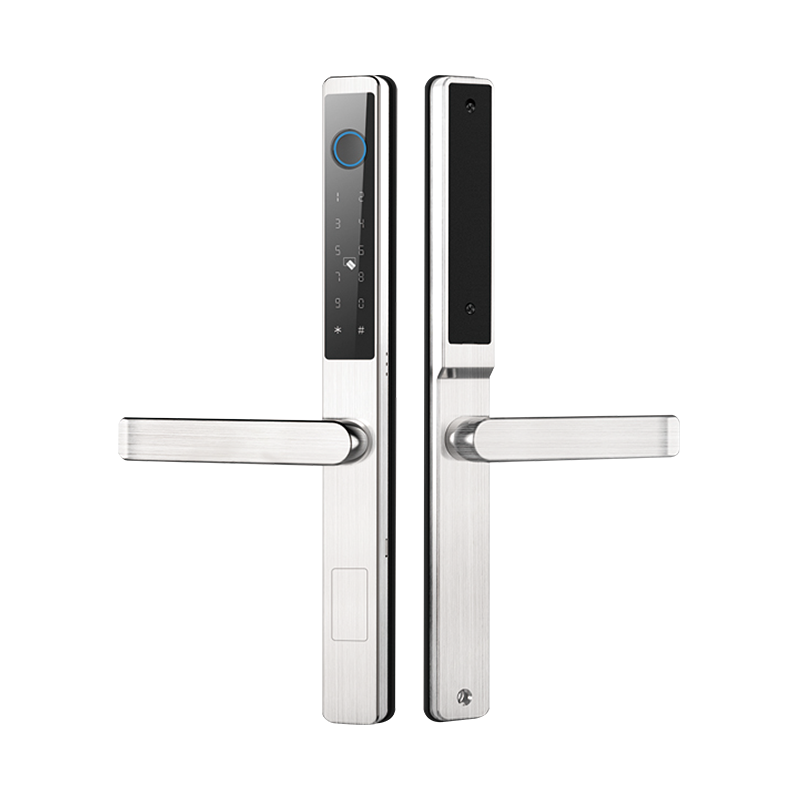
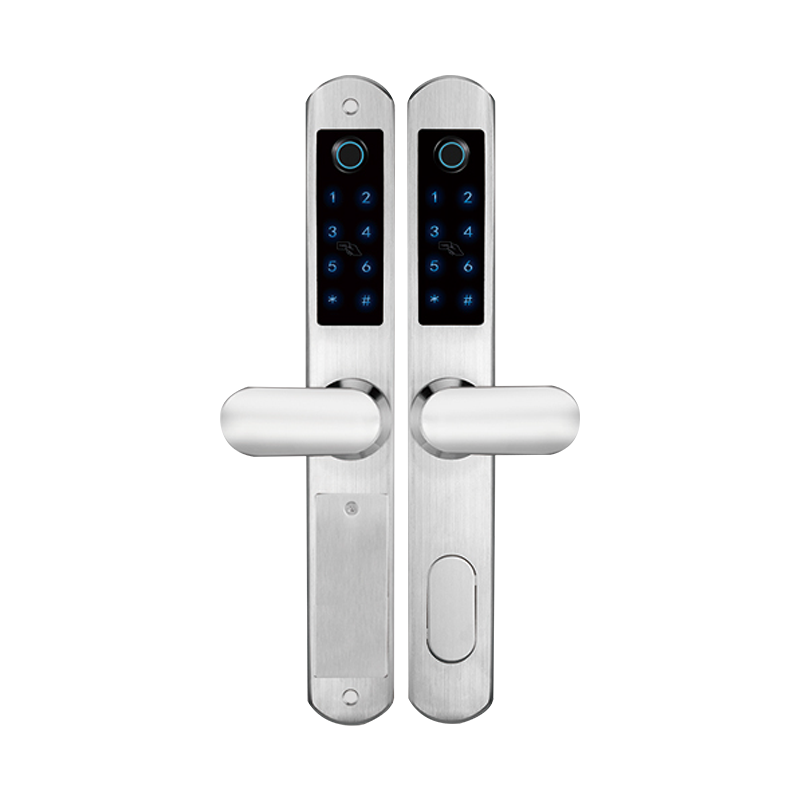
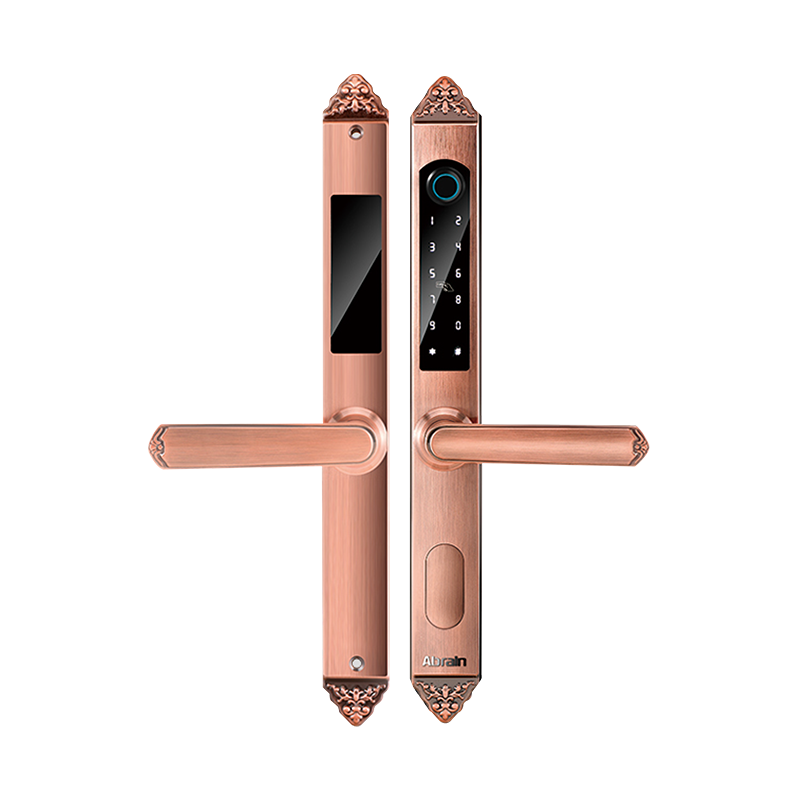
A smart lock for wooden door installations tends to go smoothly, since most products assume standard wood thickness and typical hardware placement. Metal doors, glass doors, unusually thick doors, these sometimes need adapters or specific compatible models entirely. Checking your door's actual specifications against a product's stated requirements before buying saves a lot of return-shipping frustration later.
What Should You Actually Expect from Battery Life?
Every electronic lock runs on batteries eventually dying, and how a product handles that reality matters a great deal for long-term satisfaction.
- Look into typical battery lifespan under ordinary daily use, since some products drain noticeably faster depending on how often the electronics fire up
- Check for low-battery warnings that give you real notice before total failure, rather than leaving you locked out with zero warning
- Ask about emergency power options too, a USB port for a temporary external battery, say, which can genuinely save a stressful evening when the internal battery quits unexpectedly
- Confirm backup access still works during a complete power failure, since a physical key or mechanical override becomes the only thing standing between you and a locked door in that scenario
Comparing Smart Lock Types by Application
| Application | Key Consideration | Common Product Type |
|---|---|---|
| Standard home entry door | Balance of security, convenience, reliable backup access | Smart lock for home door with keypad and app control |
| Interior or lever-style doors | Compatibility with existing lever hardware | Lever handle smart lock |
| Office or shared workspace entry | Managing access across multiple users | Smart lock for office door with user management features |
| Older or non-standard wood doors | Installation compatibility with thickness and hardware | Smart lock for wooden door with adjustable mounting |
Looking at things this way helps narrow the field toward models genuinely suited to your door and your household, rather than comparing features across products that were never really competing for the same use case.
How Much Should Installation Complexity Factor In?
Not every smart lock installs the same way, and assuming any given product will drop neatly onto your existing door without a hitch sometimes leads to disappointment on the day it actually matters.
- Some models replace the entire lock assembly, which means more involved installation and precise door prep beforehand
- Others retrofit onto your existing deadbolt hardware, offering a considerably simpler setup for anyone wanting to avoid tearing into the door itself
- Ask whether professional installation is recommended or flat-out required, since that changes both your timeline and your budget
- Check whether clear documentation actually comes with the product, which matters a lot if you're planning to install it yourself on a weekend
Is Data Privacy Something Worth Actually Worrying About?
Any device that talks to a smartphone app or your home network brings some level of data handling along with it, and it's worth thinking through before buying rather than after something goes sideways.
Worth asking: does the manufacturer explain clearly what data gets collected and how it's stored? Do they push out firmware updates regularly to patch discovered vulnerabilities? Does the companion app demand a suspicious pile of permissions that have nothing to do with locking or unlocking a door? None of this should scare anyone off smart locks entirely, it's just worth asking rather than assuming connectivity is automatically safe by default.
What About Support After You've Actually Bought the Thing?
A smart lock is a long-term security investment, and support availability matters a lot if something goes wrong down the line.
- Is there a reasonable warranty covering both the mechanical parts and the electronics
- Is customer support actually responsive, and do they know what they're talking about when troubleshooting
- Can you get replacement parts, batteries, specific hardware pieces, without much hassle if something needs fixing
- Does the company keep pushing firmware updates to patch security holes and squash bugs discovered after launch
Skip this step, and you might end up stuck with a malfunctioning lock and nowhere to turn, which rather defeats the whole point of buying something meant to keep your home secure.
Weighing Cost Against What You Actually Get Long-Term
Comparing prices across smart locks gets misleading fast if you're only looking at the sticker price rather than total ownership value. A cheaper lock with flaky sensors, poor battery life, or barely-there support often ends up costing more in frustration, premature replacement, or actual security gaps than a slightly pricier option built with better components and a company that actually answers the phone.
Thinking through expected lifespan, whether replacement parts stay available, and how well a product's features genuinely match your household's daily habits, that tends to produce a far more satisfying purchase than simply chasing whatever's cheapest on the shelf.
Pulling It All Together
Choosing the right smart lock for home door installation really comes down to weighing several interconnected factors together, rather than fixating on one shiny feature and ignoring the rest. Security grading lays the foundation everything else builds on, access method options shape how convenient daily life actually feels, door compatibility determines whether installation goes smoothly or turns into a project, and battery management alongside backup access decides how the whole system performs the moment things don't go perfectly. Whether you're outfitting a wooden front door, securing an office entry point, or just replacing an aging deadbolt at home, working through these considerations methodically, rather than getting swept up in a slick app interface or a flashy marketing page, tends to produce a purchase that actually serves its purpose for years rather than becoming another source of household frustration. Take the time to research security ratings, test access methods wherever you can, double-check door compatibility, and look into after-sales support before committing. Yongkang Ruian Lock Industry Co., Ltd. works with homeowners, installers, and distributors to match smart lock specifications to specific door types and security needs, and welcomes inquiries about product options, compatibility, and bulk sourcing for residential or commercial projects.

 Email: [email protected]
 Phone: +86-13575699186
 Address: No.135, Wanyu Road, Zhiying Industrial Zone, Yongkang City, Zhejiang Province, China.
QR Code
Copyright © Yongkang Ruian Lock Industry Co, Ltd. All rights reserved.
