
 русский
  Español
  عربى
عربى Industry News

GET A QUOTE
Drawbacks of the 304 Stainless Steel Smart Lock
The 304 stainless steel smart lock is a popular choice for homeowners and businesses due to its strength and resistance to corrosion. However, like any technology, it comes with its own set of drawbacks. One significant limitation is its vulnerability to hacking. Although these smart locks are generally equipped with encryption protocols, no system is entirely immune to cyber-attacks. Hackers can exploit vulnerabilities, compromising the lock’s security.
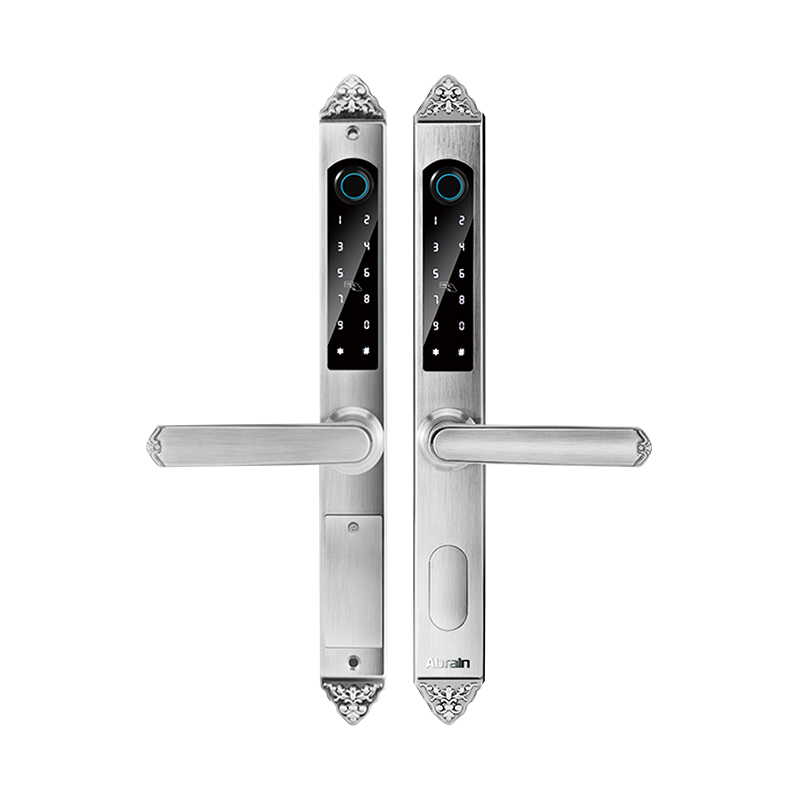
Another drawback is the reliance on batteries. While the 304 stainless steel construction is durable, the smart lock’s functionality can be hindered if the batteries are not regularly maintained or replaced. A dead battery can leave users locked out, which is an inconvenience, particularly in high-traffic areas. Furthermore, some smart locks have issues with connectivity. If the lock relies on Wi-Fi or Bluetooth, signal interference or weak connection may affect its performance, leading to delays or failure in locking/unlocking.
Lastly, the cost of a 304 stainless steel smart lock can be a barrier. Though durable and technologically advanced, these locks tend to be pricier than traditional mechanical locks, making them less appealing for budget-conscious consumers. Despite these drawbacks, many users find the benefits outweigh the challenges when properly maintained and used.
How to Correctly Understand and Use the 304 Stainless Steel Smart Lock
When using a 304 stainless steel smart lock, understanding its features and limitations is crucial for optimal performance. Here are key tips for proper installation and usage:
Install the Lock Correctly
Ensure that the smart lock is installed according to the manufacturer’s instructions. A common mistake is improper alignment during installation, which can cause the locking mechanism to malfunction. Double-check that the lock fits your door and that the striker plate aligns correctly with the bolt.
Set Up Secure Authentication Methods
Most 304 stainless steel smart locks offer multiple authentication methods, such as a fingerprint scanner, PIN code, or smartphone app. Choose a secure PIN and enable two-factor authentication (2FA) where possible for an extra layer of security. Avoid using easily guessed combinations.
Maintain the Batteries Regularly
As mentioned, smart locks rely on batteries. It’s essential to replace them regularly, ideally before they completely drain. Some models provide low battery alerts, so pay attention to these notifications to avoid getting locked out.
Keep Software Updated
Regularly check for firmware updates for your smart lock. Manufacturers often release updates to patch security vulnerabilities or improve functionality. Failure to update can leave your lock susceptible to hacking or poor performance.
Check Connectivity
If your smart lock connects via Bluetooth or Wi-Fi, ensure that your device maintains a stable signal. If you notice delays or failures when locking or unlocking, you might need to adjust your device placement or troubleshoot your network.
Use Backup Access Options
Some smart locks offer physical keys or alternative unlocking methods in case of a failure. Familiarize yourself with these options to avoid inconvenience if your lock malfunctions or the batteries run out unexpectedly.
Monitor Lock Activity
Many smart locks provide logs or reports of who accessed the lock and when. Regularly monitor these logs to ensure there is no unauthorized access. This can be particularly useful for businesses or rental properties.
304 Stainless Steel Smart Lock: Durability and Security
304 stainless steel is widely recognized for its durability and resistance to corrosion, making it an excellent material choice for the construction of smart locks. This grade of stainless steel is highly resistant to environmental wear, including rust and oxidation, even in harsh weather conditions. This makes it suitable for both indoor and outdoor use, and it ensures that the lock remains aesthetically pleasing and functional for years. Additionally, the material’s strength provides added protection against physical tampering, offering a layer of defense against break-ins. Homeowners and businesses can rely on the longevity of the 304 stainless steel, knowing it is one of the most durable materials available in the market.
However, while the 304 stainless steel material enhances the lock's resistance to corrosion and wear, the lock’s actual security depends on the technology integrated into the system. Smart locks equipped with 304 stainless steel exteriors offer a secure physical barrier, but the internal security mechanisms must also be robust. Modern smart locks often use advanced encryption and biometric technology to prevent unauthorized access. It’s important to ensure that the locking mechanism is regularly updated to keep up with emerging cyber threats.
304 Stainless Steel Smart Lock: Ease of Use and Convenience
A major selling point of the 304 stainless steel smart lock is its convenience. Smart locks eliminate the need for traditional keys, allowing users to access their homes or businesses using their smartphones, fingerprint recognition, or PIN codes. This level of convenience is especially valuable in busy households or for property owners who wish to grant access to multiple individuals without the risk of lost keys or the need for physical duplicates.
In addition, the integration of smart technology allows remote control, enabling users to lock or unlock doors from anywhere via an app. This is particularly useful for those who want to let in a guest while away or provide access to cleaners, maintenance workers, or service personnel without being physically present. Most models also feature features like activity logs, so owners can track who has entered or exited their property and when.
Another benefit is the ability to create temporary access codes or time-restricted access for short-term visitors, giving property owners greater control over who can access their premises and when. This feature is especially useful for Airbnb hosts, landlords, or businesses that need to manage a constant stream of visitors or employees. However, it’s important to remember that while the convenience factor is high, these smart locks still require regular maintenance and periodic software updates to ensure continued security and reliability.
Recommended Products

Ready to Begin?
Product Categories
Contact Information
 Email: [email protected]
 Phone: +86-13575699186
 Address: No.135, Wanyu Road, Zhiying Industrial Zone, Yongkang City, Zhejiang Province, China.
QR Code
Copyright © Yongkang Ruian Lock Industry Co, Ltd. All rights reserved.
