
 русский
  Español
  عربى
عربى Industry News

GET A QUOTE
Differences Between the Double-Sided Fingerprint Lock and Others
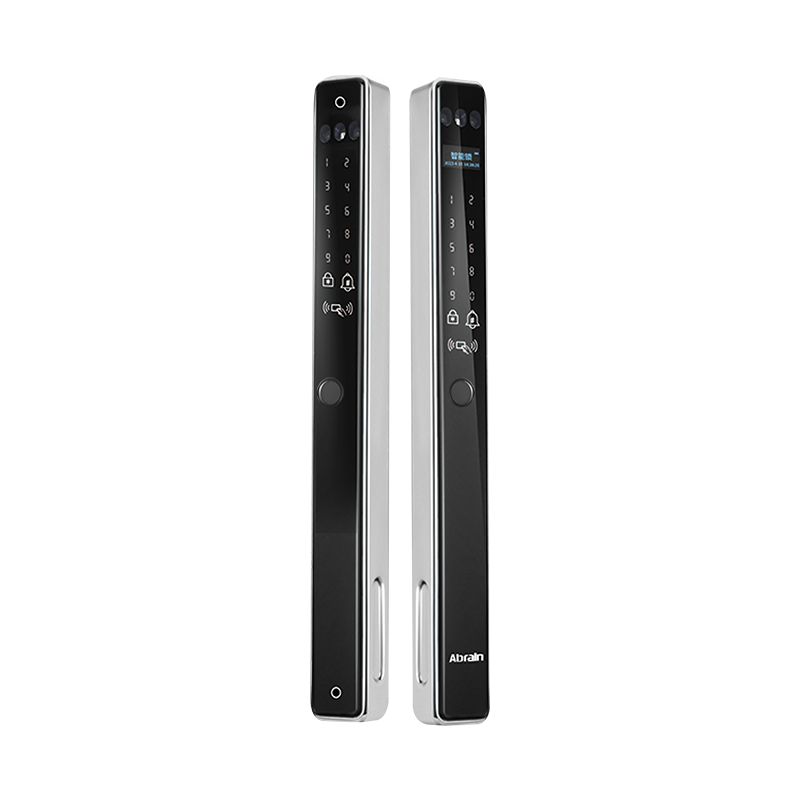
The advent of fingerprint locks has significantly advanced security technology, offering more reliable and convenient access solutions compared to traditional locks. Among the variety of fingerprint locks available, the double-sided fingerprint lock stands out due to its unique design and versatile functionality. Unlike standard fingerprint locks, which typically operate from one side, double-sided fingerprint locks allow access from both sides of the door or gate, making them particularly useful in certain situations.
Access from Both Sides
The obvious and defining feature of double-sided fingerprint locks is their ability to offer biometric access from both sides of a door. This makes them ideal for environments where entry is required from both sides without needing separate locks or keys.
Single-Sided Fingerprint Lock: Traditional fingerprint locks are designed to work only on one side of the door. To unlock a door, users must scan their fingerprint from the designated exterior side. This limits access to a single point, making it less convenient for two-way access.
Double-Sided Fingerprint Lock: In contrast, the double-sided model can be accessed from both the inside and outside. This feature is particularly useful for gates, high-security areas, or doors where the user or security personnel needs to have access from both directions.
The two-way access provided by the double-sided fingerprint lock enhances convenience, particularly in high-traffic or critical security areas.
Design and Functionality
Double-sided fingerprint locks have a more complex design than their single-sided counterparts. This added complexity allows for more advanced features but also introduces a few considerations when compared to other locks.
Advanced Technology: Double-sided fingerprint locks require sophisticated biometric sensors on both sides of the door, which need to be synchronized for performance. The lock generally comes with more advanced software, which allows for different access permissions and fingerprint management on both sides of the door.
Security Enhancements: The dual-sensor system offers an additional layer of security because it eliminates the need for separate locks for the interior and exterior sides. It also reduces the likelihood of unauthorized access through vulnerabilities that single-sided locks might expose.
However, the added complexity means that installation may be slightly more involved compared to traditional locks, and there could be increased maintenance demands due to the dual sensors and mechanisms.
Applications and Use Cases
The use cases for a double-sided fingerprint lock are more versatile and diverse than those for a single-sided lock. These locks are particularly effective in environments where entry and exit occur from both sides frequently.
Single-Sided Fingerprint Lock: Typically used in situations where access from one side is sufficient, such as for home security, apartment doors, or gates where only external access is needed.
Double-Sided Fingerprint Lock: Ideal for commercial settings, office buildings, or secure areas where employees or users need access from both sides. They are also commonly used in gates, secure facility doors, or doors with high traffic.
The ability to manage both sides of the lock with biometric authentication makes double-sided fingerprint locks suitable for high-security applications, such as banks, server rooms, or restricted areas.
Double-Sided Fingerprint Lock: Features and Benefits
Dual Authentication for Increased Security
A double-sided fingerprint lock offers dual authentication capabilities, meaning both sides of the door have biometric access, ensuring that only authorized individuals can gain entry. This adds an extra layer of security by ensuring that access cannot be bypassed from the other side.
It is particularly useful in environments where more than one entry/exit point is needed but security cannot be compromised. For example, personnel inside and outside a building or secure room can be granted biometric access independently.
Greater Flexibility for High-Traffic Areas
In areas with high foot traffic, such as office buildings, hospitals, or warehouses, a double-sided fingerprint lock offers convenience for both employees and security staff. Since the lock functions from both sides, it eliminates the need for multiple entry points or additional locks, saving space and enhancing operational efficiency.
It reduces the need for keys or keycards, which can easily be lost or stolen, making it a more reliable access control solution in environments with frequent access.
User Experience and Convenience
Users benefit from the convenience of not having to remember or carry physical keys or cards. With a simple fingerprint scan, they can easily access the premises from either side of the door. This enhances user experience and promotes a faster, smoother workflow.
For businesses, this means that personnel can enter or exit through any door without restriction, improving overall workflow efficiency.
Recommended Products
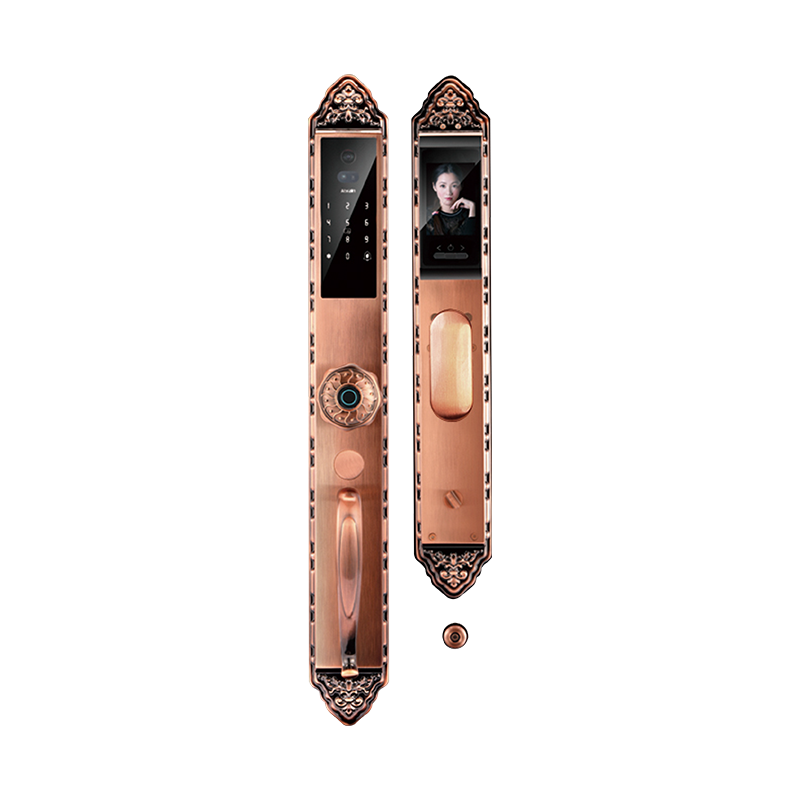
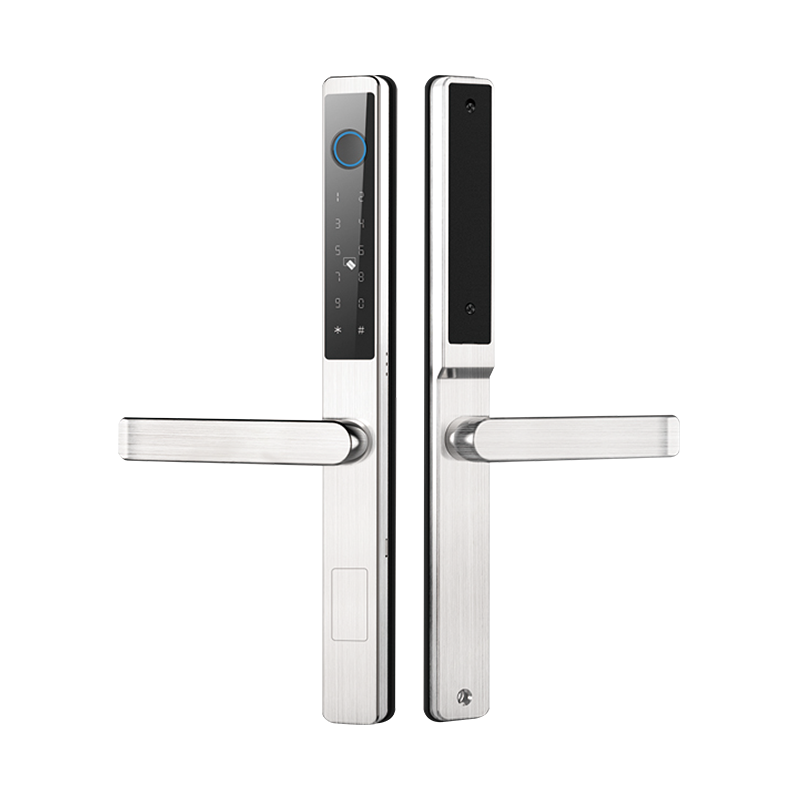
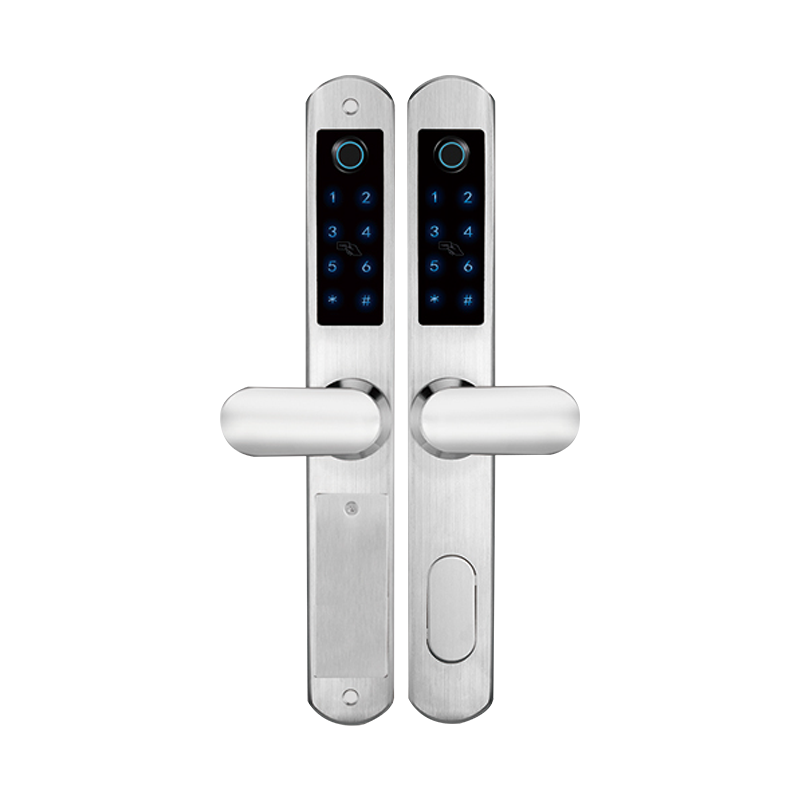
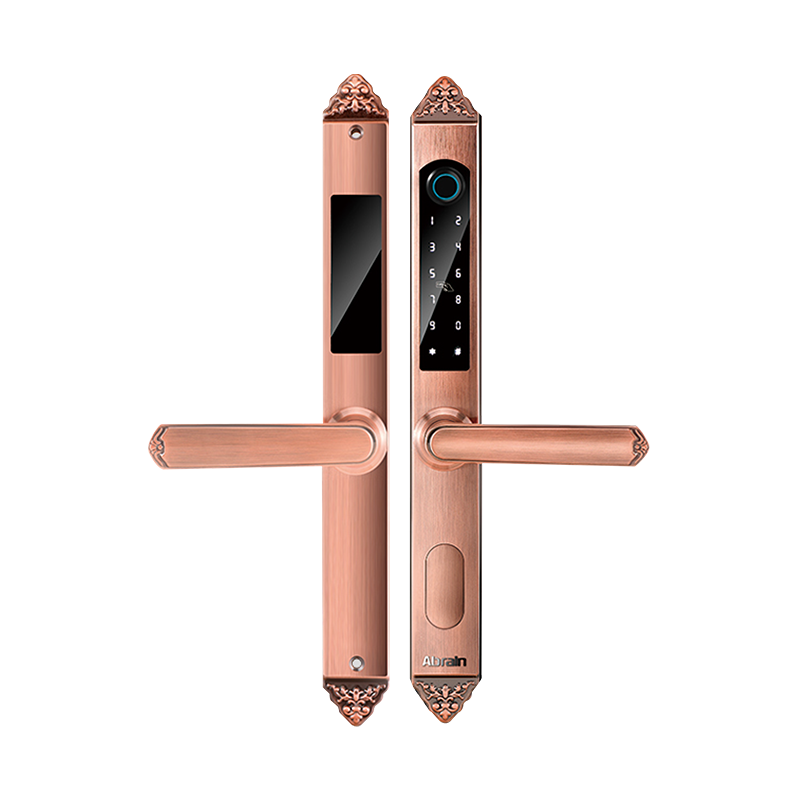

Ready to Begin?
Product Categories
Contact Information
 Email: [email protected]
 Phone: +86-13575699186
 Address: No.135, Wanyu Road, Zhiying Industrial Zone, Yongkang City, Zhejiang Province, China.
QR Code
Copyright © Yongkang Ruian Lock Industry Co, Ltd. All rights reserved.
