
 русский
  Español
  عربى
عربى Industry News

GET A QUOTE
Fingerprint vs. Password vs. Card: Choosing a Smart Lock
You have already decided that a traditional key is no longer the right answer for your door. The question keeping you stuck is not whether to upgrade - it is which unlocking method actually fits the way your space works, who needs access, and how often things will go wrong if one method fails. A Smart Lock sounds straightforward until you realize that fingerprint, password, and card access each carry a different set of trade-offs, and the wrong choice is not just inconvenient - it can become a daily friction point or a genuine security gap. Whether you are sourcing for a home door, an office door, or a wooden door in a rental or hospitality setting, the unlocking method is the decision that shapes every other specification that follows.
Why the Authentication Method Matters More Than the Hardware Itself
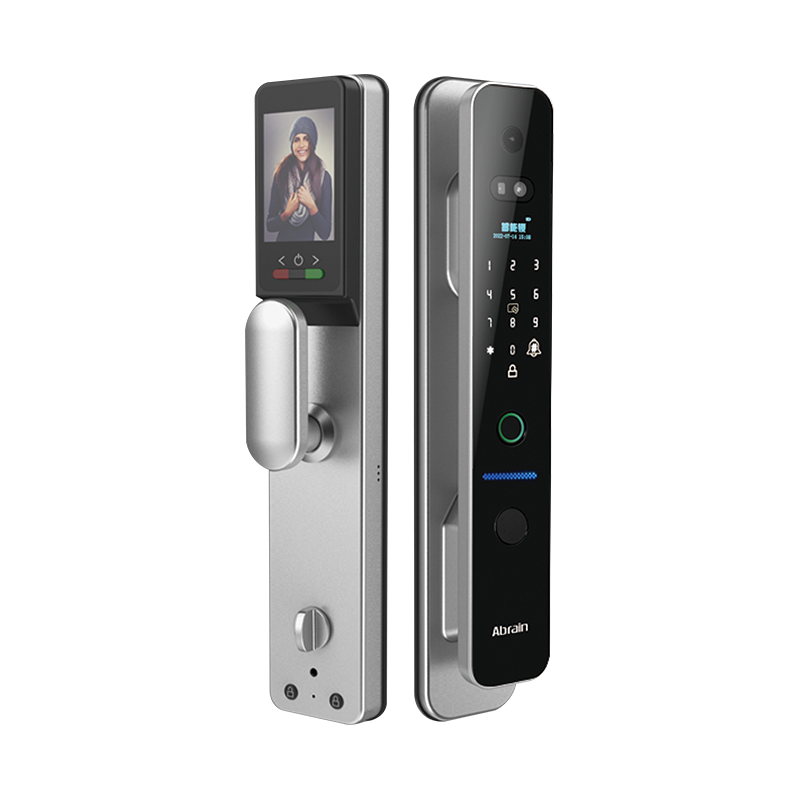
Most buyers start by comparing lock bodies, finishes, and connectivity features. That order of priority tends to produce regret.
The unlocking method determines:
- How quickly occupants can enter under normal conditions
- What happens when the primary method fails
- How easily access can be granted or revoked for different people
- What level of technical maintenance the lock requires over time
- Whether the lock is genuinely practical for the specific population using it
A lock with a premium enclosure and weak authentication logic will underperform a simpler product with the right access design. Getting the method right before comparing anything else is the more efficient path.
Understanding the Three Authentication Types
Each method operates on a different principle, and that principle shapes both its strengths and its vulnerabilities.
Fingerprint Access: Identity-Based Authentication
Fingerprint recognition uses stored biometric data to verify who a person is. The lock reads a physical characteristic rather than something the user carries or remembers.
What makes it useful:
- No credential to forget, lose, or share accidentally
- Entry is fast once the fingerprint is enrolled correctly
- Works well for regular users who access the same door frequently
- Removes the need to manage physical keys or update PINs when users change
Where it has limits:
- Recognition rate can drop when fingers are wet, dirty, or injured
- Enrollment takes time and needs to be done carefully for reliable reads
- Not easily used for temporary visitors without direct interaction
- Biometric data stored on the device raises considerations around privacy and data handling in some contexts
Fingerprint access suits environments where a consistent, known group of people uses the same door regularly. A smart lock for home door use is a strong fit when the household members are the primary users and guest access is occasional rather than routine.
Password Access: Knowledge-Based Authentication
Password or PIN entry relies on something the user knows. It requires no hardware beyond the keypad and no stored physical characteristic.
What makes it useful:
- Easy to share remotely - a code can be sent by message without any physical interaction
- Temporary codes can be created for cleaners, contractors, or guests and then changed afterward
- No physical item to lose and no biometric enrollment required
- Accessible for users of all ages and physical conditions
Where it has limits:
- Codes can be observed, shared beyond their intended scope, or forgotten
- Frequent code reuse weakens security over time
- Visible wear patterns on high-use buttons can hint at which digits are part of the active code
- Does not inherently verify identity - anyone with the code can enter
Password access is particularly practical for a smart lock for office door use, where staff turnover, contractor access, and irregular visitor schedules make flexible credential management a real operational need.
Card Access: Possession-Based Authentication
Card or RFID access works by detecting a specific physical token. The lock reads the card and grants or denies entry based on whether that card is registered.
What makes it useful:
- Cards can be issued, tracked, and deactivated through a management system
- Works well for multi-unit settings where different residents need different access levels
- Fast and consistent entry experience
- Does not depend on memory or physical condition of the user
Where it has limits:
- Cards can be lost, forgotten, or passed on to unauthorized users
- Replacement and management of cards adds administrative overhead
- Less suited to settings where users frequently change without a central management system
- Requires the user to carry a physical item at all times
Card access aligns well with managed residential buildings, serviced offices, and hospitality environments. A smart lock for wooden door installations in apartment corridors or hotel rooms, where a property manager controls access remotely, benefits from the trackability that card systems offer.
Side-by-Side Comparison: What Each Method Delivers
| Accessory | Service Stage | Key Function | Selection Priority |
|---|---|---|---|
| Manifold gauge set | Diagnosis, charging | Pressure reading and flow control | Accuracy, valve quality |
| Vacuum pump for AC service | Evacuation | Moisture and air removal | Vacuum depth, oil maintenance |
| Service hoses | All connected stages | Refrigerant transfer | Pressure rating, material compatibility |
| Quick couplers | Port connection | Seal at service port | Sealing quality, refrigerant-type specificity |
| Leak detector (electronic) | Post-charge verification | Locate refrigerant escape | Sensitivity, refrigerant type calibration |
| UV dye kit | Follow-up leak diagnosis | Visualize leak location | Compatibility with system refrigerant |
| Adapter set | Cross-platform service | Port type compatibility | Refrigerant-specific labeling |
Reading across a single row reveals the trade-offs. No method is uniformly stronger than the others - each has a scenario where its properties align well and scenarios where they create friction.
How Buyers Actually Narrow the Choice
The comparison does not usually end with a clear winner. It ends with a clearer picture of which method is the wrong fit, which narrows the field.
A practical way to think through the decision:
- Map who uses the door. Is it a fixed group (family, core staff) or a rotating cast (guests, contractors, delivery staff)? Fixed groups suit biometric enrollment. Rotating access suits code or card management.
- Consider the management context. Is there someone on-site to handle enrollment and card issuance, or does access need to be managed remotely? Remote management favors password-based systems with app integration.
- Think about what failure looks like. If the sensor fails, can the user fall back to a code? If a card is lost, how quickly can it be deactivated? Failure mode planning often pushes buyers toward multi-method locks rather than single-authentication products.
- Factor in the user population. Young children, elderly users, or anyone with reduced dexterity may find fingerprint enrollment or PIN entry genuinely difficult. Card access tends to be the most accessible method for a broad user range.
- Consider the physical environment. Doors exposed to rain, cold, or industrial conditions will affect fingerprint sensor reliability. Outdoor or high-moisture environments often favor card or PIN as the primary method.
Why Multi-Authentication Is Replacing Single-Method Designs
The trend in procurement for both residential and commercial applications is away from single-method authentication and toward combination locks. The reasoning is straightforward.
Each single method has a specific failure condition:
- Fingerprint fails when the sensor is dirty, the finger is wet, or the user's print degrades with age or skin condition
- Password fails when codes are forgotten, shared carelessly, or observed
- Card fails when the card is lost, demagnetized, or not carried
A lock that combines two or more methods addresses each single-method failure with a working alternative. It also allows the administrator to assign different access levels by method - for example, card access for regular staff and temporary codes for contractors.
The practical upside for buyers is that multi-method products reduce the risk of specifying the wrong primary method. If the environment changes - a household gains elderly members, an office increases its turnover rate - the lock can adapt without replacement.
Common Mistakes Buyers Make When Comparing Authentication Methods
Getting this decision wrong is easy, because the mistakes tend to look reasonable at the time.
Choosing based on what seems most advanced rather than what fits the use case. Fingerprint authentication is often associated with high-end products, but in a space with irregular users or challenging environmental conditions, a well-managed code system will outperform a fingerprint lock that gets unreliable reads.
Underestimating the administrative load of card systems. Card access looks clean in a management diagram. In practice, tracking who has which card, deactivating lost cards promptly, and managing replacements requires a consistent process. Without that process, card systems develop security gaps over time.
Ignoring the backup method. Buyers sometimes focus so heavily on the primary authentication method that they overlook what the lock does when that method fails. A lock without a reliable backup is a lock that creates emergencies.
Assuming one specification fits all doors in a project. A smart lock for home door use in the main entrance and one for an internal office or storage room may require different methods based on how frequently each is used and who accesses it.
Not accounting for how access will be managed six months after installation. A system that works well at handover can become a problem if code management is inconsistent or if new users are not enrolled correctly. The ongoing management requirement is part of the specification decision, not separate from it.
Matching Method to Scenario: A Practical Reference
Residential home door (owned, stable household): Fingerprint as the primary method with password backup. Enrollment is a one-time task, daily entry is fast, and code backup handles the occasional failed read or guest entry need.
Rental apartment or short-term accommodation: Password with remote code management through an app. Codes can be issued before arrival and invalidated at checkout without any physical interaction. Card systems also work here if a management infrastructure is in place.
Office or co-working space: Multi-method combining card for regular staff (easy to track and deactivate) with password for after-hours or temporary access. Fingerprint can supplement for sensitive areas where identity verification is the priority.
Hotel room door: Card remains the standard in hospitality because front desk issuance is already the established workflow and guests do not need to be enrolled or manage codes.
Wooden door in a residential interior (bedroom, study, storage): Lower-traffic interior applications often need a simpler solution. Password or fingerprint alone, without card infrastructure, is usually sufficient. The smart lock for wooden door context also raises practical questions about door thickness and hardware compatibility that should be verified before specifying.
Wholesale Considerations for Procurement Buyers
For buyers sourcing wholesale smart lock products for multi-unit residential or commercial deployment, a few additional factors shape the decision beyond the consumer-level comparison.
Volume deployment considerations:
- Consistency of authentication method across units reduces training requirements and support complexity
- Multi-method products provide flexibility when end-user needs across units differ
- Software management platforms need to support the number of credentials, cards, or fingerprints that the deployment requires
- Battery management across a large installation should be evaluated - products with long battery life and low-power modes reduce operational overhead at scale
Procurement of wholesale smart lock units benefits from specifying the authentication combination at the outset rather than selecting products and then discovering that the authentication method does not match the management infrastructure already in place.
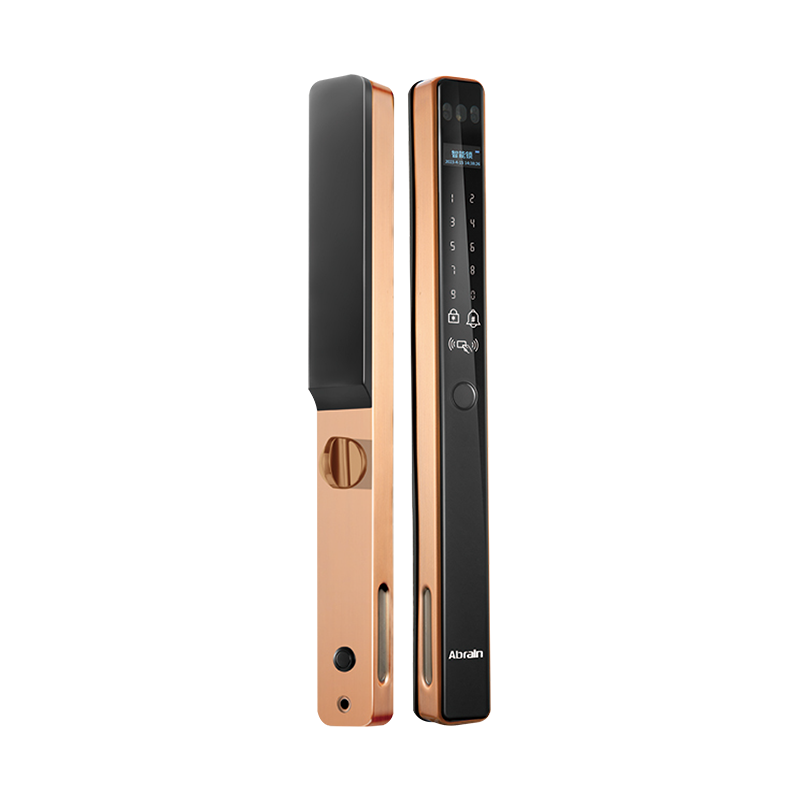
Choosing between fingerprint, password, and card authentication is not a question with a universal answer - and buyers who treat it as one tend to end up with a lock that works technically but does not work practically for the people who use it every day. The right answer is always a function of the specific space, the specific users, and the specific way access will be managed over time. If the environment is stable, biometrics offer convenience without complexity. If flexibility and remote management matter, code-based access earns its place. If accountability and multi-user control are priorities, card systems provide the structure to deliver that. Multi-method products address all three needs simultaneously and reduce the cost of getting the initial specification wrong. For buyers evaluating options across all three methods and looking for a manufacturer that builds combination authentication into its product range, Yongkang Ruian Lock Industry Co, Ltd. produces smart lock products designed for residential and commercial applications, with configurations that support fingerprint, password, card, and app-based access in a single hardware platform - a practical foundation for procurement decisions where flexibility and long-term reliability both matter.
Recommended Products

Ready to Begin?
Product Categories
Contact Information
 Email: [email protected]
 Phone: +86-13575699186
 Address: No.135, Wanyu Road, Zhiying Industrial Zone, Yongkang City, Zhejiang Province, China.
QR Code
Copyright © Yongkang Ruian Lock Industry Co, Ltd. All rights reserved.
