
 русский
  Español
  عربى
عربى Industry News

GET A QUOTE
Can a Smart Lock Replace Lost Keys Easily?
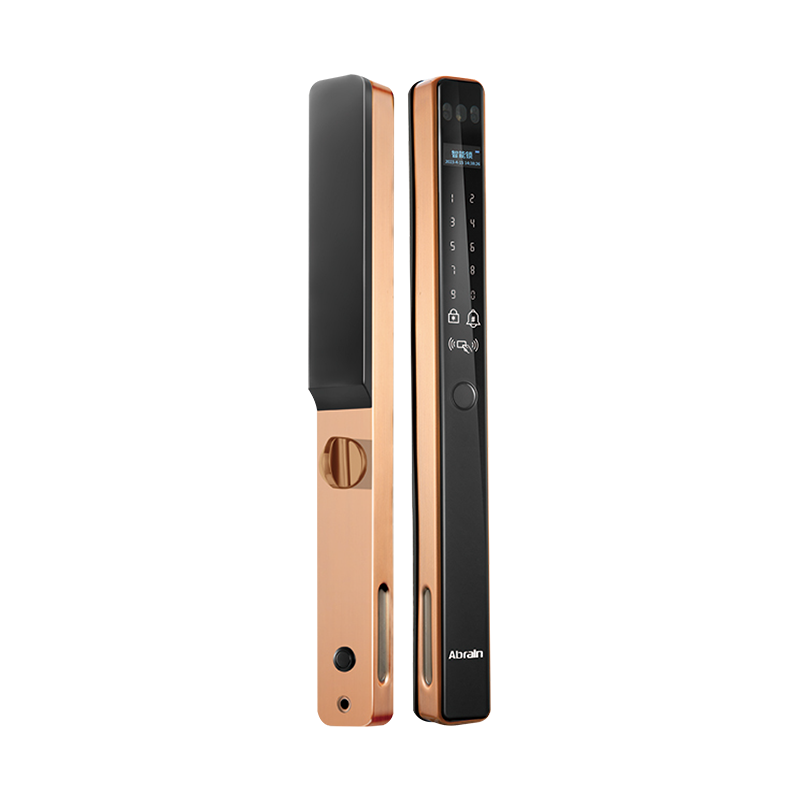
Losing keys is usually not a dramatic event, but it tends to interrupt moments that already feel busy or rushed. People come home carrying groceries, bags, or work items, and only after reaching the door do they realize the key is not where it should be. Sometimes it is left inside the house, sometimes in a bag that was used earlier, and sometimes it simply cannot be remembered at all. In shared living environments, the situation becomes even more complicated because different people handle access at different times, and no one really tracks where the last copy ended up. Over time, this small inconvenience becomes something that repeats often enough to feel unnecessary. That is why more homeowners and property users are now looking at Smart Lock for Home Door solutions as a practical way to reduce dependency on physical keys and make daily access less uncertain.
Why Do Lost Keys Happen in Everyday Life Without Warning?
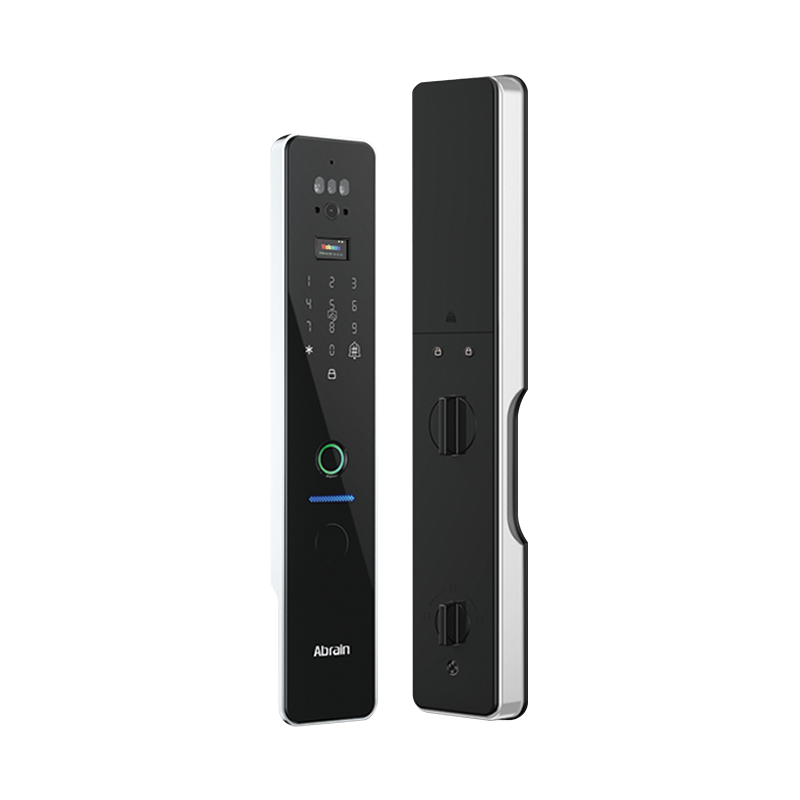
Most people do not lose keys because they are careless. It usually happens in the middle of normal routines where attention is divided between multiple tasks.
Some common situations include:
- Keys placed down for a moment and not picked up again
- Bags being switched between work and personal use
- Children forgetting items during school routines
- Family members borrowing and not returning spare keys on time
- Visitors unintentionally leaving with duplicate copies
It is not one specific behavior that causes the issue. It is more about how daily life moves quickly, and small objects like keys do not always stay in focus.
What Starts to Feel Inconvenient With Traditional Keys?
At first, traditional locks feel simple enough. But once more than one person is involved, or once access needs change frequently, limitations start to show.
The most noticeable issues tend to be:
- It becomes unclear who has which key
- There is no way to cancel access without replacing hardware
- Managing multiple copies creates confusion
- Temporary access is difficult to handle
- Everything depends on physically carrying a small object
In homes where people come and go at different times, or in managed spaces, these small issues begin to build up. A Smart Lock for Office Door is often considered in these cases because access control becomes more important than just locking a door.
How Does Digital Access Change the Way Entry Is Handled?
Instead of relying on one physical object, digital access systems shift entry control toward identity or permission based methods. This sounds technical, but in daily use it is actually quite simple.
Most systems rely on a mix of:
- Fingerprint scanning
- PIN code entry
- Card tapping
- Mobile approval
- Temporary access codes
The important difference is not just how the door opens, but how access can be managed. It is no longer tied to physical distribution. Permissions can be adjusted when needed, without changing hardware or collecting anything back.
Why Does Flexibility Matter More in Shared Environments?
Shared environments tend to expose the weaknesses of fixed access systems more clearly. People do not follow the same schedules, and access needs are rarely identical.
Situations where this becomes obvious include:
- Family members returning at different hours
- Children entering the home independently
- Guests staying for short periods
- Cleaning or service staff visiting occasionally
- Rental properties with changing occupants
In office environments, a Smart Lock for Office Door type setup is often used for similar reasons, especially when staff movement is frequent and access needs to be controlled more clearly.
What Does Fingerprint Access Change in Daily Use?
Fingerprint access removes a small but constant friction point. There is no need to search for a key or remember where it was last placed. The hand simply becomes the access tool.
In daily situations, this matters more than it sounds:
- When carrying bags or groceries
- When arriving home in a hurry
- When hands are not free
- When multiple people are entering frequently
It does not feel like a major change at first, but over time it reduces small interruptions that happen every day.
How Does Password Entry Fit Into Shared Usage?
Password entry works differently because it focuses on shared control rather than individual identification. It is often used when access needs to be given temporarily or adjusted frequently.
Typical scenarios include:
- Short term guest visits
- Cleaning service arrangements
- Rental property transitions
- Shared workspace access
The practical benefit is that access can be updated without physical exchange. This makes it easier to manage situations where users change often.
Why Multi Method Access Is Becoming More Common
In real usage, people rarely depend on a single entry method. Different situations call for different approaches, so systems that combine methods tend to feel more natural.
| Method | What It Feels Like in Daily Use | When It Is Used |
|---|---|---|
| Fingerprint | Fast and direct | Regular household entry |
| Password | Flexible sharing | Guests and temporary access |
| Card | Simple and familiar | Office environments |
| Mobile control | Remote handling | Property management |
| Backup key | Emergency fallback | Unexpected situations |
A Smart Lock for Wooden Door setup often includes several of these methods while still fitting into traditional door structures without major changes.
Are Digital Systems Actually Reliable in Real Conditions?
This is usually the first concern people have, especially when switching from mechanical systems. The answer depends less on complexity and more on how the system is designed for everyday situations.
Most concerns are addressed through:
- Controlled access permissions
- Automatic locking after entry
- Temporary code expiration
- Protection against forced entry attempts
- Activity tracking for usage awareness
These features are not about making the system complicated. They are meant to keep daily use predictable and manageable.
What Happens When Power Becomes an Issue?
Power related concerns are very common, but modern systems usually include backup options to prevent access problems.
These typically include:
- Mechanical emergency entry option
- External power connection support
- Low battery alerts before shutdown
- Temporary charging support when needed
In practice, these functions are not used often, but they matter because they cover unexpected situations.
Why Material Choice Affects Long Term Stability
A door system is touched and used many times every day, so durability is not just a technical detail. It affects how the system feels after months of use.
Key material related considerations include:
- Structural stability under repeated use
- Resistance to moisture and environmental exposure
- Consistent internal mechanism performance
- Surface durability over time
- Resistance to daily wear
A Smart Lock Factory usually focuses on these aspects because different environments create different levels of stress on the product.
How Environment Influences Installation Decisions
Where a system is installed matters as much as how it works. Outdoor and semi outdoor areas create more exposure challenges compared to indoor settings.
Common installation environments include:
- Home entrances
- Apartment building doors
- Villa gates
- Office entry points
- Shared property access zones
Each location brings different expectations in terms of durability and usage frequency.
Why Managing Users Becomes an Important Part of Access Control
In shared spaces, access is rarely static. People come, leave, or change roles. Managing this without structure becomes difficult if everything depends on physical keys.
User management typically allows:
- Adding new users without hardware changes
- Removing access when no longer needed
- Assigning temporary permissions
- Separating user groups
- Reducing key duplication problems
This is where digital access starts to feel more organized compared to traditional methods.
Can Older Users Adapt Without Difficulty?
There is often an assumption that digital systems are complex, but in practice, most users adapt quickly once they understand the basic actions.
Older users usually find it easier because:
- There is no need to carry keys
- Fingerprint or card access is straightforward
- Entry steps are consistent every time
- Less memory is needed for access management
- Once the initial learning period passes, daily use tends to feel natural.
How Rental and Shared Properties Benefit From Structured Access
Rental and shared environments change users more frequently than private homes. Physical key systems struggle in these conditions because they require constant duplication and collection.
Digital access systems help by allowing:
- Temporary access creation for new users
- Immediate removal of previous permissions
- Remote access control by owners
- Organized entry for maintenance staff
This reduces confusion and helps keep access under control even when users change often.
What Factors Usually Guide the Final Decision?
Choosing an access system is less about features and more about matching real life conditions.
Most users consider:
- Door thickness and material
- Indoor or outdoor installation
- Number of users involved
- Preferred access methods
- Backup requirements
- Environmental exposure
- Frequency of visitor access
A Smart Lock Factory often offers different configurations because no two properties behave exactly the same way.
How Access Systems Gradually Change Daily Behavior
Over time, people stop thinking about keys as part of daily movement. Access becomes something that is managed rather than carried. This reduces small interruptions that used to happen without notice.
Instead of exchanging physical objects, access becomes something that can be adjusted based on need. That shift may feel small at first, but it changes how people handle entry in both homes and workplaces.
Why More Users Are Moving Toward Digital Entry Systems
The main reason is not just convenience. It is the reduction of uncertainty. Missing keys creates unpredictable delays, and those delays do not fit well into structured routines.
Digital systems offer a more controlled approach where access is managed rather than lost or duplicated. This makes daily movement more stable in both private and shared environments.
What Structured Access Provides Over Time
Structured access reduces repeated problems linked to physical keys. It also helps users understand and manage entry more clearly, especially when multiple people are involved.
Over time, the focus shifts away from physical handling toward permission management. This creates a more organized way of controlling access in everyday environments.
Decision Points Users Often Think Through
Before choosing a system, people usually think through practical questions such as:
- What happens if the system does not respond during entry
- How multiple users are managed at the same time
- Whether temporary access can be removed quickly
- How fingerprint performance holds up over time
- What happens during low power situations
- Whether access can be separated by role
- How installation fits existing doors
- How rental changes are handled
- Whether indoor and outdoor use is supported
- How weather conditions affect performance
Final Consideration for Modern Access Systems
Modern entry systems are gradually becoming part of everyday living rather than special upgrades. They reduce dependence on physical keys and allow access to be managed in a more flexible way across homes, offices, and shared spaces. Before making a choice, users usually look at compatibility, access methods, and backup options to ensure the system fits real daily routines rather than just technical specifications. For buyers, distributors, and project developers looking for stable and adaptable access solutions across different environments, Yongkang Ruian Lock Industry Co, Ltd provides manufacturing support focused on durable and flexible door access systems designed to fit a wide range of real usage scenarios.
Recommended Products

Ready to Begin?
Product Categories
Contact Information
 Email: [email protected]
 Phone: +86-13575699186
 Address: No.135, Wanyu Road, Zhiying Industrial Zone, Yongkang City, Zhejiang Province, China.
QR Code
Copyright © Yongkang Ruian Lock Industry Co, Ltd. All rights reserved.
