
 русский
  Español
  عربى
عربى Industry News

GET A QUOTE
How Did Waterproof Fingerprint Locks Develop?
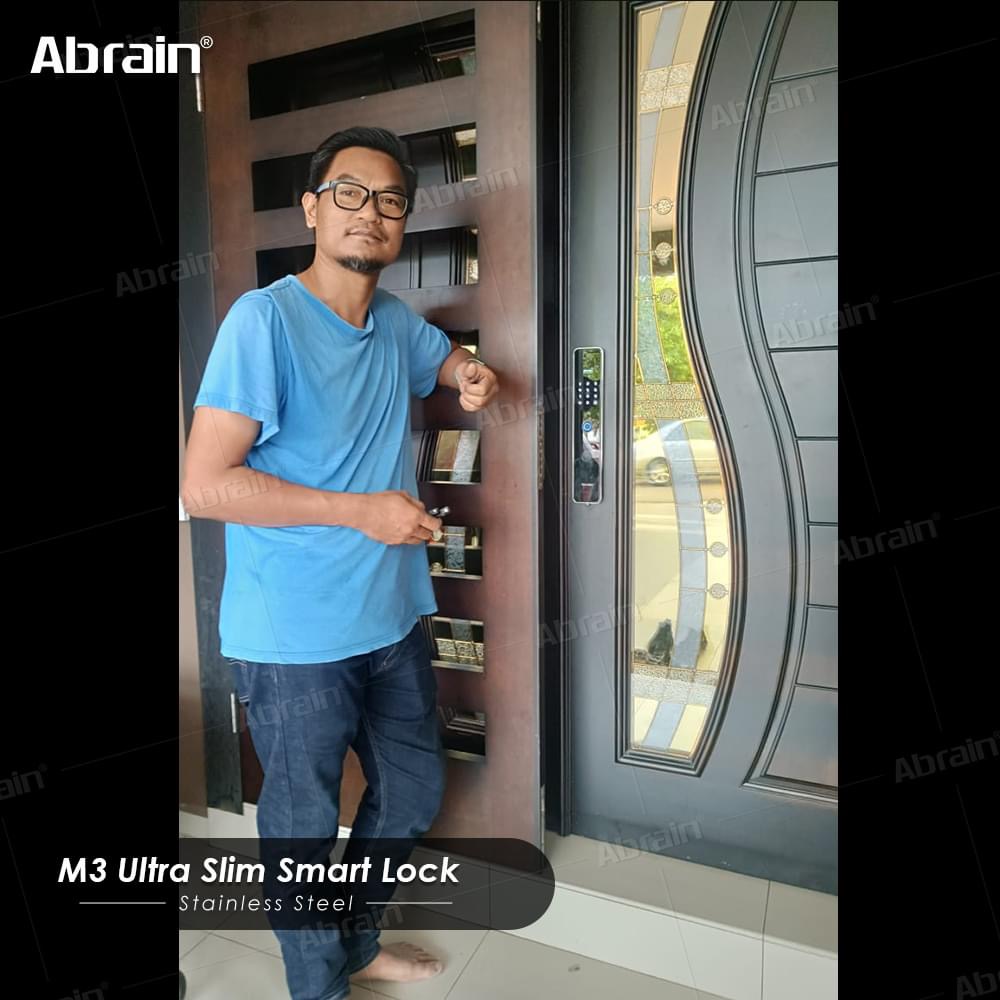
Waterproof fingerprint locks are a type of smart security device that combines biometric technology with protective features against moisture and environmental exposure. They are widely used in residential, commercial, and outdoor settings where security and durability are important. These locks operate by scanning and verifying fingerprints, providing access without traditional keys.
Early Appearance and Inception
Fingerprint recognition technology began to gain attention in the late 20th century, initially in high-security and government applications. Early fingerprint locks were mechanical-electronic hybrids or fully electronic devices designed for indoor use. These generation locks were sensitive to environmental conditions, including moisture, dust, and temperature fluctuations, which limited their use in outdoor or wet environments.
Waterproof fingerprint locks emerged as a response to these limitations. Designers incorporated protective casings, sealed circuits, and moisture-resistant sensors to allow fingerprint recognition in bathrooms, outdoor gates, and humid areas. The initial models focused on ensuring that the biometric sensors remained functional even when exposed to water or high humidity, which marked the beginning of a more versatile application of fingerprint locks beyond indoor settings.
Technological Improvements in Sensors and Recognition
Over time, waterproof fingerprint locks underwent technological improvements in the accuracy and reliability of fingerprint sensors. Early sensors often struggled with wet or dirty fingerprints, resulting in failed recognition attempts. Manufacturers addressed this by introducing capacitive and optical sensors that could read fingerprints under varying conditions, including moisture, oil, or slight abrasions on the finger.
The integration of algorithms capable of analyzing partial fingerprints or adjusting for environmental interference further improved performance. Modern waterproof fingerprint locks now combine high-resolution sensors with adaptive software that enhances recognition speed and reduces errors. These improvements expanded the usability of the locks in outdoor and commercial applications, where environmental factors previously limited their effectiveness.
Material Development and Durability
The development of waterproof fingerprint locks also involved advances in materials and construction. Early locks often had exposed electronic components or non-sealed housings that were vulnerable to water damage, corrosion, and mechanical wear. Over time, manufacturers adopted corrosion-resistant metals, durable plastics, and silicone or rubber seals to create enclosures capable of withstanding prolonged exposure to moisture.
The improvement in casing materials ensured that waterproof fingerprint locks could operate in outdoor settings, bathrooms, and industrial environments without frequent maintenance or failure. In addition, corrosion-resistant metals and reinforced plastics increased the structural durability of locks, protecting both the internal electronic components and the physical mechanism from external stress. This development has made the locks more practical for a variety of long-term applications.
Expanded Applications and Modern Use
As technology and durability improved, waterproof fingerprint locks found wider applications beyond residential doors. They are now used for outdoor gates, lockers, cabinets, and industrial storage units where moisture exposure is a concern. Some models include additional features such as keypads, RFID access, or Bluetooth connectivity to provide multiple access options alongside fingerprint recognition.
Integration with smart home systems has also become more common, allowing users to monitor and control access remotely. Waterproof fingerprint locks are increasingly used in public facilities, hotels, and outdoor recreational areas where security and weather resistance are both necessary. Their development has focused not only on reliability and durability but also on enhancing convenience, accessibility, and integration with modern digital security systems.
Recommended Products

Ready to Begin?
Product Categories
Contact Information
 Email: [email protected]
 Phone: +86-13575699186
 Address: No.135, Wanyu Road, Zhiying Industrial Zone, Yongkang City, Zhejiang Province, China.
QR Code
Copyright © Yongkang Ruian Lock Industry Co, Ltd. All rights reserved.
