
 русский
  Español
  عربى
عربى Industry News

GET A QUOTE
What is a waterproof smart lock and how does it work?
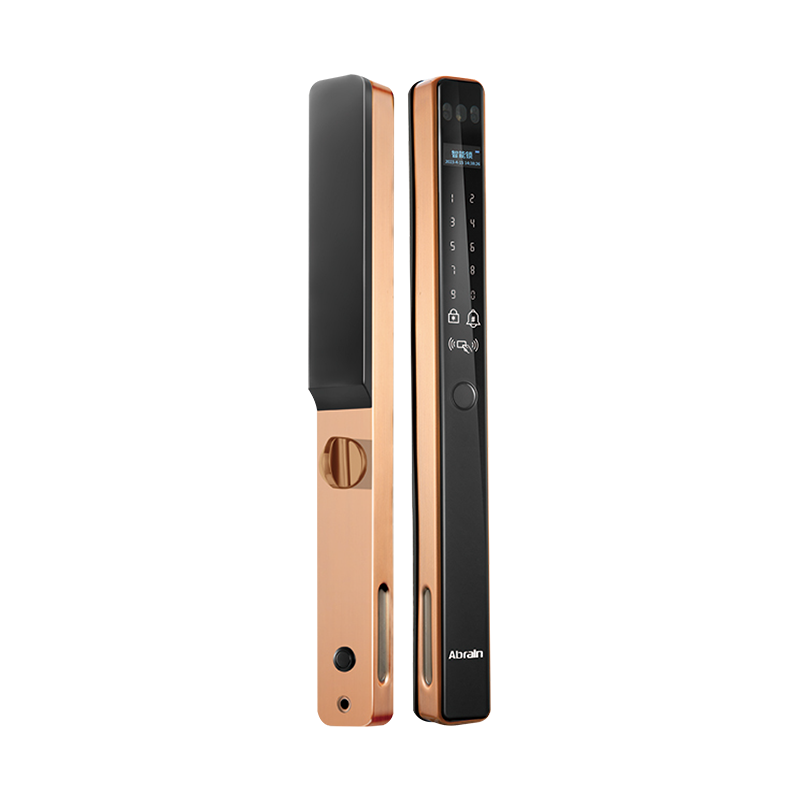
A waterproof smart lock is an electronic locking device designed to resist moisture and water ingress while providing controlled access to doors, gates, or cabinets. These locks integrate standard locking components, such as deadbolts or latch mechanisms, with electronic modules that allow user authentication through multiple methods, including PIN codes, RFID cards, fingerprint recognition, or Bluetooth connections via smartphones.
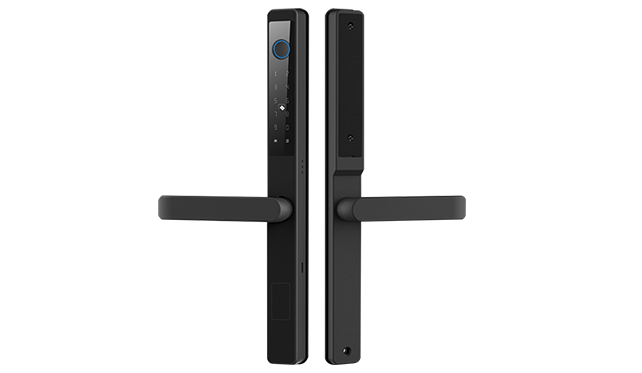
The waterproof aspect is achieved through material selection, sealant application, and casing design. Lock housings often include rubber or silicone gaskets around sensitive components to prevent water entry. Electronic circuits are encapsulated in protective coatings or housed in sealed compartments. The mechanical components are typically made from corrosion-resistant metals or treated alloys to prevent rusting over time.
The operation of a waterproof smart lock is generally similar to other smart locks. When a user provides authorized credentials, the electronic system activates a motor or solenoid that moves the bolt or latch to the unlocked position. The lock may also include manual override options, such as a physical key or emergency power port, to ensure access even if the electronic system fails.
What are the advantages of using a waterproof smart lock?
Waterproof smart locks provide several functional and practical benefits, particularly in environments exposed to water or high humidity. One key advantage is reliable operation in wet conditions. Traditional electronic locks without waterproofing may short-circuit or fail when exposed to rain, condensation, or accidental splashes. A waterproof design ensures that the lock continues to operate under these circumstances, reducing the need for repairs or replacements.
Another advantage is enhanced access control. These locks allow multiple authentication methods, which can accommodate various user needs. For example, households may use fingerprint recognition for family members while providing temporary PIN codes for guests. Commercial or shared properties may benefit from digital access logs that record who entered and when, improving security oversight.
Waterproof smart locks also provide convenience and flexibility. They can be programmed remotely through smartphone apps or connected to smart home systems, allowing real-time control over access. Certain models include battery status indicators or alert notifications, which help users maintain the lock without encountering unexpected power issues.
The combination of electronic access and mechanical backup further enhances reliability. In the event of low battery or electronic malfunction, users can still gain entry using a key or external power source. This dual-function design reduces operational risk compared with fully mechanical locks, particularly in outdoor or high-use settings.
What are the limitations of waterproof smart locks?
Despite their advantages, waterproof smart locks have some limitations that users should consider. First, the electronic components require a power source, usually batteries, which need periodic replacement or recharging. Extended exposure to water may affect battery life over time, even in well-sealed designs.
Second, installation requires careful attention to both mechanical and electronic alignment. Incorrect mounting or improper sealing can reduce waterproof performance and affect lock operation. Users may need professional assistance to ensure proper installation, particularly for heavier or multi-point locking systems.
Connectivity limitations can also arise. Locks that rely on Bluetooth, Wi-Fi, or other wireless protocols may experience interference or limited range in certain environments. Remote management features may depend on stable network access, which is not always available in outdoor or isolated locations.
High levels of moisture over extended periods, such as in areas with heavy rainfall or submersion, may still challenge the waterproof rating. Users should verify the IP (Ingress Protection) rating of the lock and choose models that meet the expected environmental conditions to avoid premature failure.
How should a waterproof smart lock be maintained?
Proper maintenance is essential to ensure long-term performance of a waterproof smart lock. Regular inspection of the lock housing, gaskets, and seals helps identify early signs of wear or damage. If any cracks, gaps, or deformation are found, they should be repaired or replaced promptly to maintain water resistance.
Battery maintenance is also important. Users should monitor battery status and replace or recharge batteries according to manufacturer recommendations. Using the correct type of batteries helps prevent leakage and ensures consistent operation.
Cleaning should be performed carefully to avoid damaging electronic components. Wiping the lock with a damp cloth and avoiding high-pressure water sprays or chemical solvents preserves both the mechanical and electronic elements. Some models may allow light lubrication of the mechanical components, but users should follow the manufacturer’s guidance to prevent contamination of the electronics.
Recommended Products

Ready to Begin?
Product Categories
Contact Information
 Email: [email protected]
 Phone: +86-13575699186
 Address: No.135, Wanyu Road, Zhiying Industrial Zone, Yongkang City, Zhejiang Province, China.
QR Code
Copyright © Yongkang Ruian Lock Industry Co, Ltd. All rights reserved.
