
 русский
  Español
  عربى
عربى 
A door lock used to be the one thing in a house nobody had to think about. Turn the key, done. Smart locks changed that arrangement the moment they introduced a battery into the mix. What was once a maintenance-free fixture became a device with a power budget, and if that budget runs out unnoticed, the consequences show up right at the entry point of the home, usually at the least convenient moment possible.
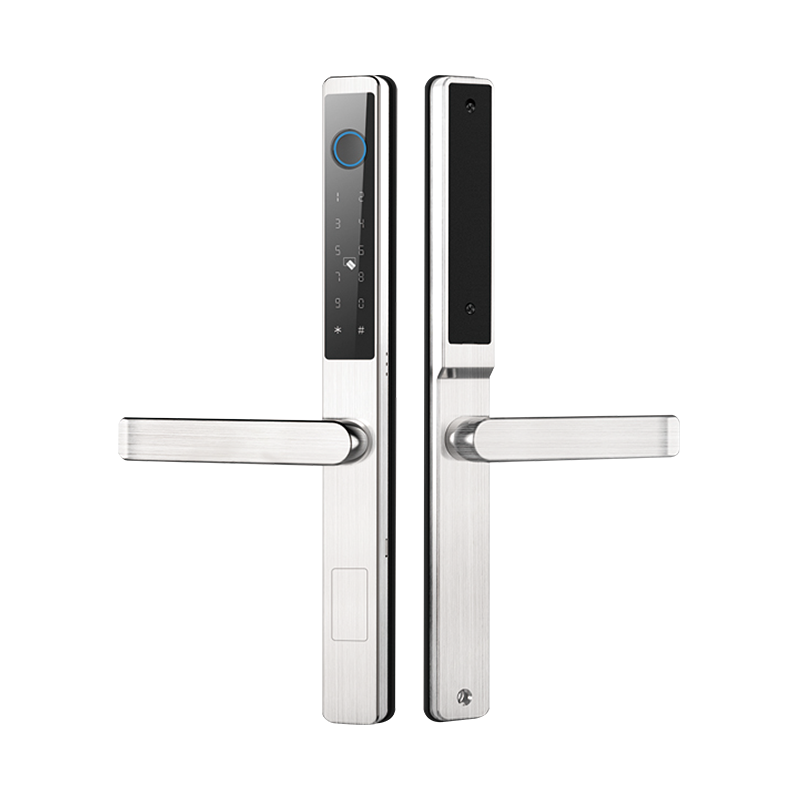
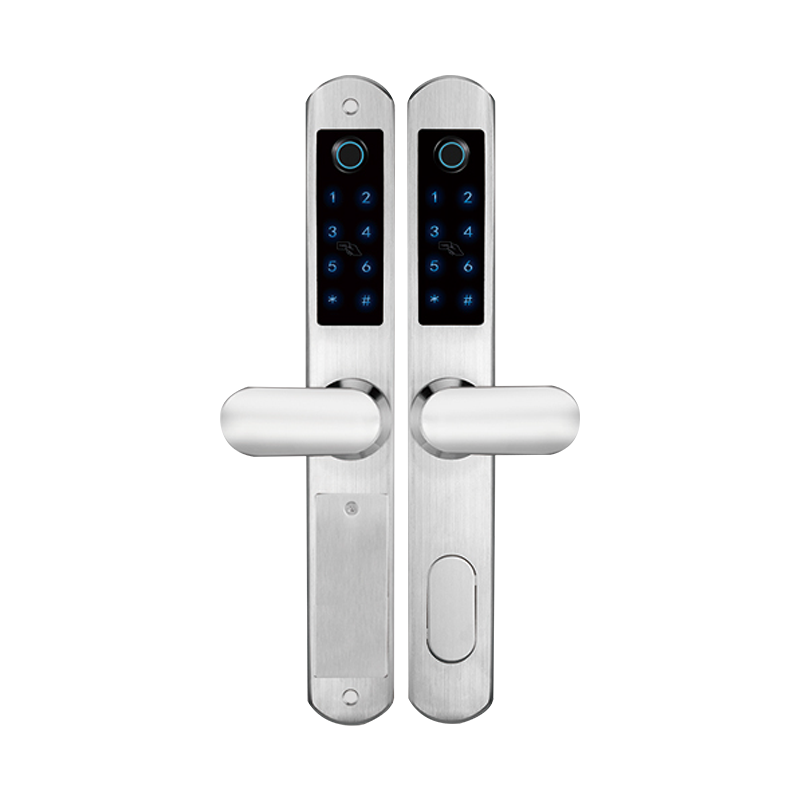
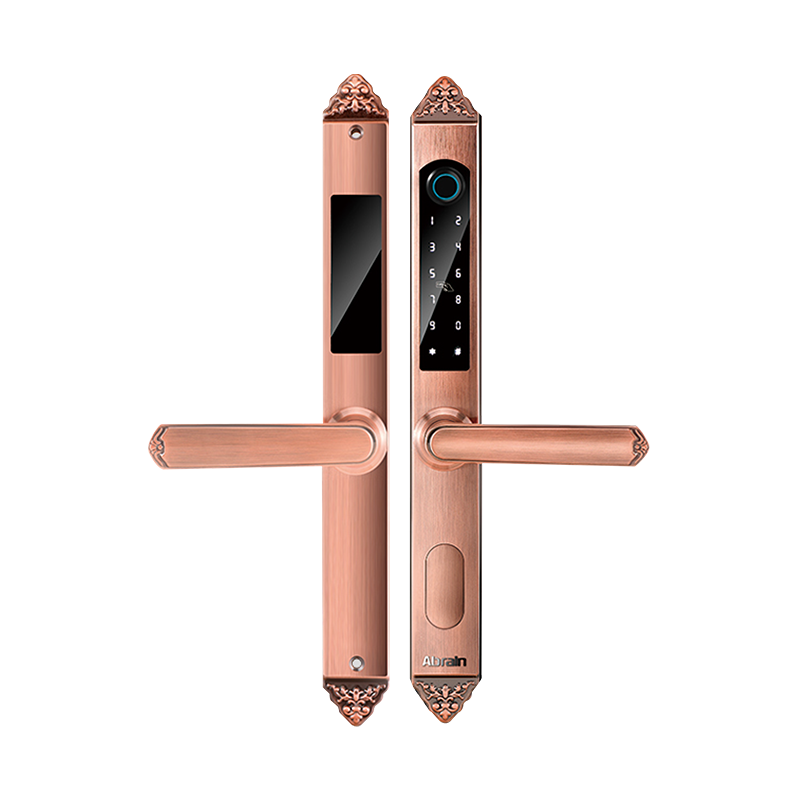
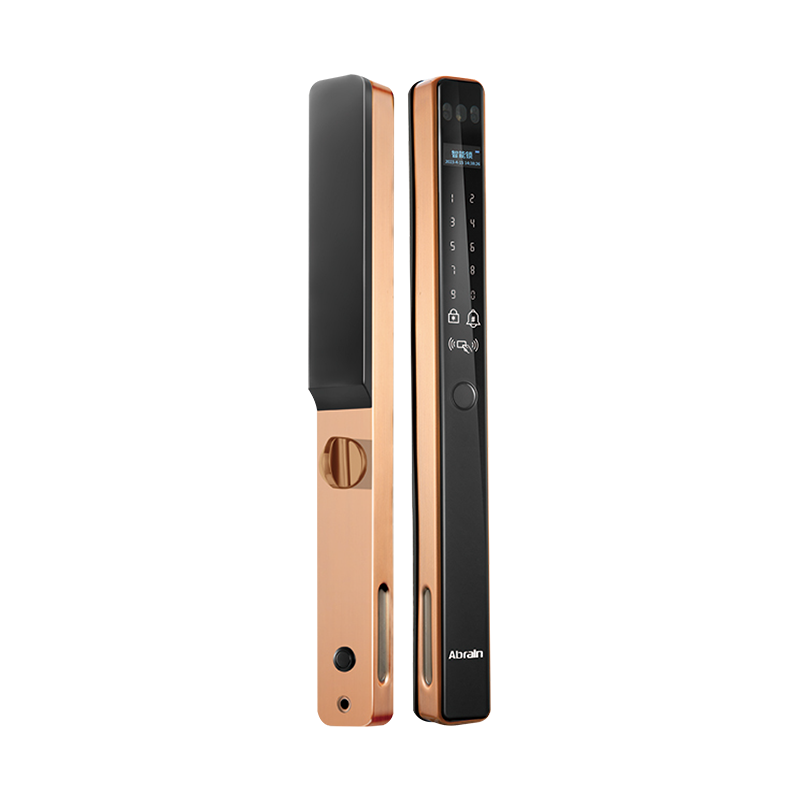
That shift has quietly reordered what buyers actually prioritize. Connectivity and app polish still matter, but battery performance has moved further up the checklist than most people in this industry expected a few years back. A Smart Lock for Wooden Door can look refined and pair effortlessly with a phone, and still fail to close a sale if the buyer isn't confident about how long it will run before requiring attention.
For a Smart Lock Factory, this concern threads through nearly every stage of development, from component sourcing to how the product signals its own power status to the end user. For anyone running a Wholesale Smart Lock program, battery reliability tends to be the difference between a supplier relationship that lasts and one that quietly falls apart after the first wave of field complaints.
Why Has Battery Life Become Such a Central Design Concern?
A dead battery in most smart devices is an inconvenience. A dead battery in a lock is functional failure at the exact moment access is needed most. That distinction places power management in a different tier of importance compared to nearly everything else on a connected device.
A smart speaker that loses power gets noticed and dealt with on the household's own schedule. A lock that fails without warning can leave someone standing outside their own front door, unable to get in through the usual channel. That kind of experience tends to stay with a user far longer than a missed notification ever would, and it shapes how they talk about the product afterward.
| User Expectation | Why It Matters for Lock Design |
|---|---|
| Predictable power duration | Reduces anxiety about sudden failure |
| Clear low-battery signaling | Allows time to respond before a lockout occurs |
| Reliable backup access | Provides a fallback when charge runs low |
| Consistent performance across seasons | Builds long-term trust beyond the initial purchase |
| Straightforward replacement process | Lowers friction when maintenance is required |
Buyers have started treating battery endurance as a stand-in for overall build quality, even when the two aren't strictly the same measure. A lock that runs steadily for a long stretch reads as dependable. One that demands frequent attention reads as fragile, regardless of how well it performs elsewhere. That perception now carries real weight in purchasing decisions, arguably more than manufacturers originally anticipated when battery-powered locks first entered the mainstream market.
What Actually Drains a Smart Lock's Battery During Normal Use?
Power drain in a smart lock comes from more sources than the physical locking action alone. Wireless communication, periodic status checks, app synchronization, and background monitoring all consume power continuously, often with no direct action from the user at all.
Every check-in between the lock and a connected app pulls a small amount of charge. Every search for a hub signal, every idle listening cycle waiting for a command, adds another small draw. None of these actions cost much energy in isolation, but stacked across weeks and months of continuous operation, they account for a meaningful share of total consumption.
Usage patterns vary significantly between households, and that variation affects real-world battery life more than a single spec sheet figure can capture. A household running frequent remote unlocks, multiple registered users, and constant app engagement will draw down a battery noticeably faster than one relying mainly on a single access method with minimal app interaction.
- Frequency of physical lock and unlock cycles across a typical day.
- How often the lock communicates with a paired hub or mobile application.
- Number of registered users and access credentials tied to the same lock.
- Temperature exposure and general environmental conditions around the installation point.
- Whether background monitoring features stay active during idle periods.
This is precisely why two units from the same product line can perform quite differently once installed in two different homes. Battery life isn't a fixed constant printed on packaging. It's a range shaped by daily behavior, and understanding that range matters more to serious buyers than chasing a single headline figure.
Which Design Choices Genuinely Extend Battery Performance?
There's no single fix that solves battery drain on its own. Meaningful improvement comes from a series of smaller engineering decisions that compound into something noticeable once combined. A Smart Lock Factory approaching this seriously tends to treat power management as a systems problem, not a component to be optimized in isolation.
Reducing unnecessary background communication is often the most accessible starting point. A lock rarely needs to broadcast its status on a constant loop when a scheduled check-in can accomplish the same task with far less draw. Adjusting how and when these communications fire, rather than defaulting to continuous polling, can meaningfully extend the interval between battery changes.
Motor efficiency plays its own role. The mechanism responsible for physically engaging the bolt draws a noticeable amount of current with every activation, and refinements in how that mechanism is engineered can lower the energy cost per cycle without altering how the lock feels to the person using it day to day.
| Design Focus | Effect on Battery Performance |
|---|---|
| Scheduled rather than constant communication | Cuts unnecessary background power draw |
| Refined motor engineering | Reduces energy cost per locking action |
| Low-power standby states | Conserves charge during inactive periods |
| Sensor calibration | Limits power spent on continuous monitoring |
| Deliberate feature selection | Prevents power-hungry extras from outweighing their benefit |
There's also a genuine trade-off between feature richness and battery longevity that manufacturers have to weigh carefully. Every added sensor, every extra notification type, every convenience layer carries a power cost. The real design discipline isn't packing in as many capabilities as possible. It's deciding which features justify the energy they consume, given what the end user actually values day to day.
How Does Wooden Door Application Shape Battery Strategy Specifically?
Wooden doors introduce a set of expectations that differ somewhat from metal or composite installations. Buyers selecting a Smart Lock for Wooden Door often want the hardware to blend naturally with the door's grain and finish rather than announce itself as an obvious piece of electronics bolted onto a traditional surface. That aesthetic priority can work against battery performance if the balance isn't managed carefully during design.
A more compact, understated lock body frequently means less internal volume available for the battery compartment, which narrows certain engineering options from the outset. Manufacturers can't simply oversize the battery to compensate for higher power draw, so efficiency has to be engineered into the system rather than solved by adding bulk.
Wooden doors also tend toward long-term residential installations, where the lock stays mounted for years without much active thought given to it after the initial setup. That context raises the practical bar for battery duration, since most buyers installing hardware on a wooden entry door aren't planning to revisit that decision anytime soon.
| Wooden Door Consideration | Impact on Battery Strategy |
|---|---|
| Compact, discreet housing preferences | Restricts available space for larger battery capacity |
| Long expected installation lifespan | Raises the bar for acceptable battery duration |
| Aesthetic integration priorities | Requires balancing appearance against internal power layout |
| Infrequent post-installation attention | Increases the value of early, unmistakable low-battery alerts |
Getting this balance right carries particular weight in the wooden door segment, where the underlying assumption of long-term, low-maintenance operation runs deeper than in some other lock categories on the market.
Why Does Battery Performance Weigh So Heavily on Wholesale Buying Decisions?
Sourcing at volume changes how battery concerns play out compared to a single household purchase. A Wholesale Smart Lock buyer isn't evaluating how one unit performs in one home. They're assessing how an entire batch of identical hardware will behave across dozens or hundreds of installations, many of which they'll never inspect directly once the product leaves the warehouse.
That scale changes the risk calculation considerably. A battery complaint from one consumer is manageable customer service. The same defect surfacing across an entire shipment already installed across multiple properties becomes a logistics and reputation problem involving replacement costs, damaged trust with end clients, and a supplier relationship that suddenly warrants serious re-evaluation.
Experienced wholesale buyers tend to push past the spec sheet and ask more pointed questions before committing to volume orders.
- How consistent is battery performance across varied usage intensity and climate conditions.
- What functional state does the lock enter once power drops to a critical level.
- How clearly, and through how many channels, does the lock signal low battery to the end user.
- What backup access route exists if the battery fails without warning.
- How has the manufacturer historically responded to battery-related field issues on past product runs.
These questions matter because battery complaints, once they start, rarely arrive one at a time. Units installed around the same period tend to show power-related symptoms around the same period too, which turns a design shortfall into a wave of simultaneous complaints rather than an isolated support ticket, arriving right when a distributor has the least capacity to absorb that volume of inbound requests.
How Should Manufacturers Communicate Battery Status Without Training Users to Ignore It?
Extending battery life addresses half the equation. Communicating remaining power clearly addresses the other half, and it's a design element that's surprisingly easy to get wrong in either direction.
A lock that depletes silently, with no warning at all, produces the worst possible outcome for the end user. A lock that issues frequent, low-urgency battery reminders even when charge remains plentiful produces a different failure mode, one where users eventually tune out every alert because experience has taught them the warnings rarely mean anything urgent.
Striking the right balance requires some genuine thought about how people respond to repeated notifications in daily life. A single, clearly timed alert delivered with enough lead time to act on tends to outperform a stream of low-stakes reminders that blend into background noise and get dismissed without a second glance.
| Communication Approach | Typical User Response |
|---|---|
| Early, distinct low-battery alert | Allows a calm response window before urgency sets in |
| Frequent low-urgency reminders | Risks being tuned out over repeated exposure |
| Silent power depletion | Produces sudden, stressful lockout scenarios |
| Multiple alert channels combined | Improves the odds the warning actually gets noticed |
Manufacturers who handle this well often layer alerts across more than one channel, a visual signal on the lock body itself, a push notification through the paired app, occasionally an audible cue, to raise the likelihood that at least one method reaches the household before the battery runs out entirely. This layered approach tends to outperform reliance on a single warning path, since not every user checks a connected app regularly enough to catch one isolated notification in time.
What Should Buyers Question When a Battery Life Figure Sounds Too Generous?
Marketing figures around battery duration can be genuinely misleading when they're built on ideal conditions that rarely match how a lock actually gets used inside a real household. A number that looks impressive on a listing page often assumes minimal usage frequency, stable indoor conditions, and a level of background wireless activity far lower than most connected locks maintain in practice.
Buyers who understand this dynamic tend to ask more specific follow-up questions rather than accepting a single stated figure at face value. How was that figure measured. Under which usage assumptions. Does it account for climate variation, multiple registered users, and continuous background communication, or does it reflect a narrow best-case scenario constructed mainly for marketing purposes.
A Smart Lock Factory confident in its own engineering tends to welcome that kind of scrutiny rather than deflect it, since a genuinely well-built lock should perform reasonably well across a realistic range of conditions, not solely within the narrow scenario used to generate a headline number. Anyone placing a Wholesale Smart Lock order benefits from pushing past that number entirely and asking how it was actually reached, because the space between a marketing claim and real-world performance is exactly where most future support tickets tend to originate.

 Email:
  Phone: +86-13575699186
  Address: No.135, Wanyu Road, Zhiying Industrial Zone, Yongkang City, Zhejiang Province, China.