
 русский
  Español
  عربى
عربى Industry News

GET A QUOTE
How Reliable Are Waterproof Smart Locks?
Waterproof smart locks are increasingly popular for both residential and commercial use, especially in environments where moisture, rain, or high humidity could compromise traditional electronic locks. They combine the convenience of keyless entry with the durability required for outdoor or semi-outdoor installations. As smart home systems and security needs evolve, several questions have become common among consumers and professionals.
1. How Reliable Are Waterproof Smart Locks?
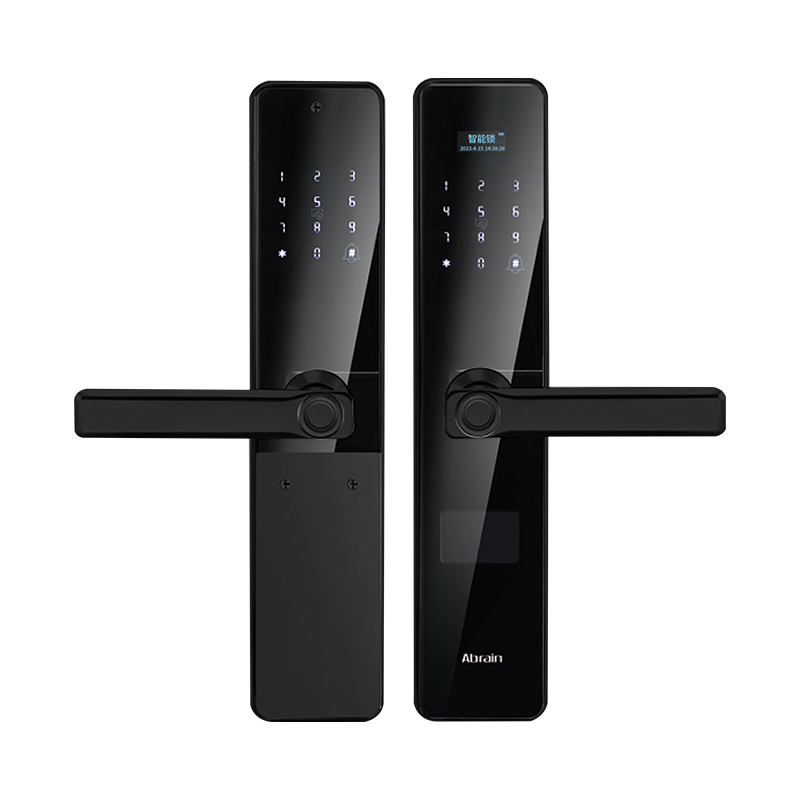
Reliability is a major concern for consumers, particularly because smart locks depend on electronics and power sources. Waterproof smart locks are designed to withstand water exposure, but their reliability depends on build quality and installation.
Smart locks typically achieve waterproof performance through sealed housings, protective gaskets, and corrosion-resistant materials such as stainless steel or zinc alloy. Many models also feature an IP rating, which indicates their level of protection against dust and water. For outdoor use, an IP65 rating or higher is often recommended. However, users should still avoid direct and prolonged exposure to heavy rain or submerged conditions, as environments can exceed the design limits.
In addition, reliability is influenced by battery life and mechanical durability. A good waterproof smart lock should have a stable battery management system and a backup mechanical key option to prevent lockouts.
2. What Security Risks Should Users Be Aware Of?
Security is a key issue for any smart lock. Users often worry about hacking, unauthorized access, or device malfunction. While modern smart locks use encryption and authentication protocols, certain risks remain.
Wireless Security Risks
Some smart locks connect via Bluetooth, Wi-Fi, or Zigbee. If the connection is not encrypted or the firmware is outdated, it may be vulnerable to unauthorized access. Users should choose locks that support strong encryption standards and regularly update firmware.
Physical Security Risks
Even waterproof smart locks still rely on mechanical components. Poor-quality materials or weak locking mechanisms can be vulnerable to forced entry. Choosing a lock with a certified locking mechanism and solid construction helps improve security.
User Behavior Risks
Shared passwords, weak PIN codes, or lost mobile devices can bring about unauthorized access. Users should follow practices such as setting strong codes, enabling multi-factor authentication when available, and managing access permissions carefully.
3. How Easy Is Installation and Maintenance?
Ease of installation and maintenance is a common concern, especially for users who want DIY installation. Waterproof smart locks vary in complexity depending on the design and door type.
Installation Requirements
Many smart locks are compatible with standard doors, but installation may require precise alignment and correct drilling for the lock body and strike plate. Users should verify compatibility with door thickness and handle type before purchase. Professional installation may be recommended for complex doors or high-security applications.
Maintenance Needs
Maintenance for waterproof smart locks typically includes battery replacement, cleaning the external surface, and checking for moisture ingress. Even waterproof models should be inspected periodically, especially after heavy rain or exposure to harsh environments.
4. What Features Are More Valuable Today?
Smart lock technology continues to evolve, and consumers are increasingly interested in features that enhance convenience, safety, and connectivity.
Remote Access and Control
Many waterproof smart locks support remote unlocking via mobile apps. This is particularly useful for granting temporary access to guests or service providers.
Access Logs and Monitoring
Smart locks often record access events, allowing users to track who enters and when. This is valuable for home security and commercial management.
Multiple Unlock Methods
Modern locks commonly support several unlocking methods, such as fingerprint, PIN code, mobile app, RFID card, and mechanical key. This flexibility increases convenience and reliability.
Integration with Smart Home Systems
Compatibility with platforms like Alexa, Google Home, or smart security systems is increasingly desired. Integration enables automation, such as locking doors automatically when leaving home or triggering alarms if unauthorized access is detected.
Recommended Products
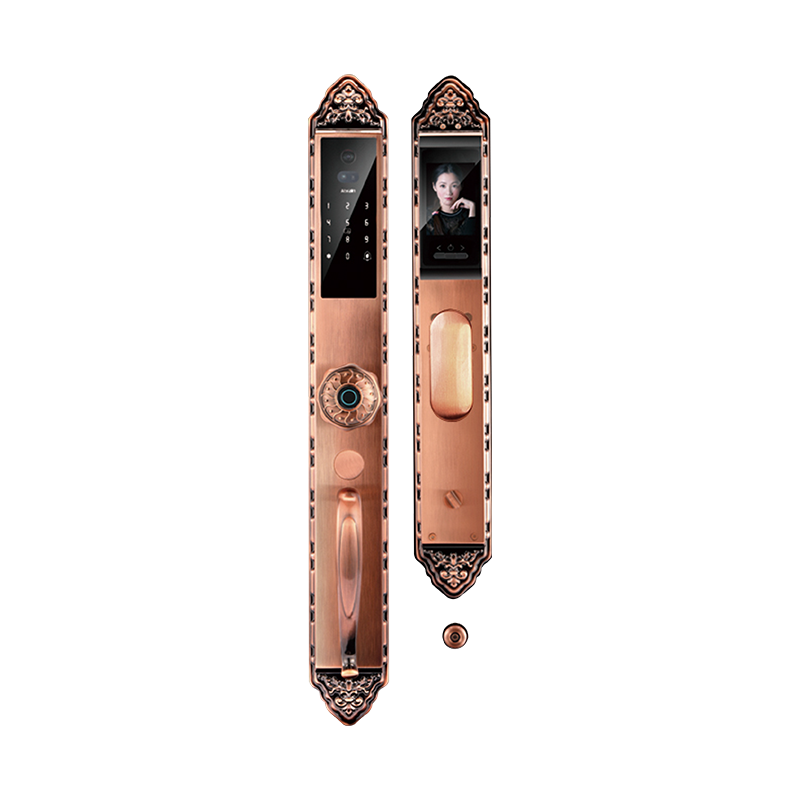
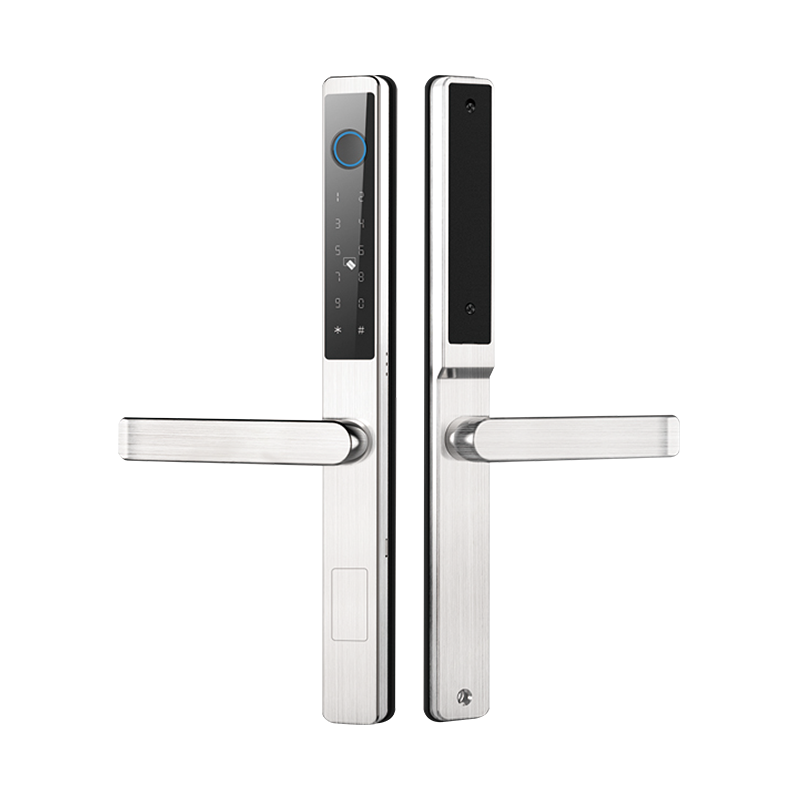
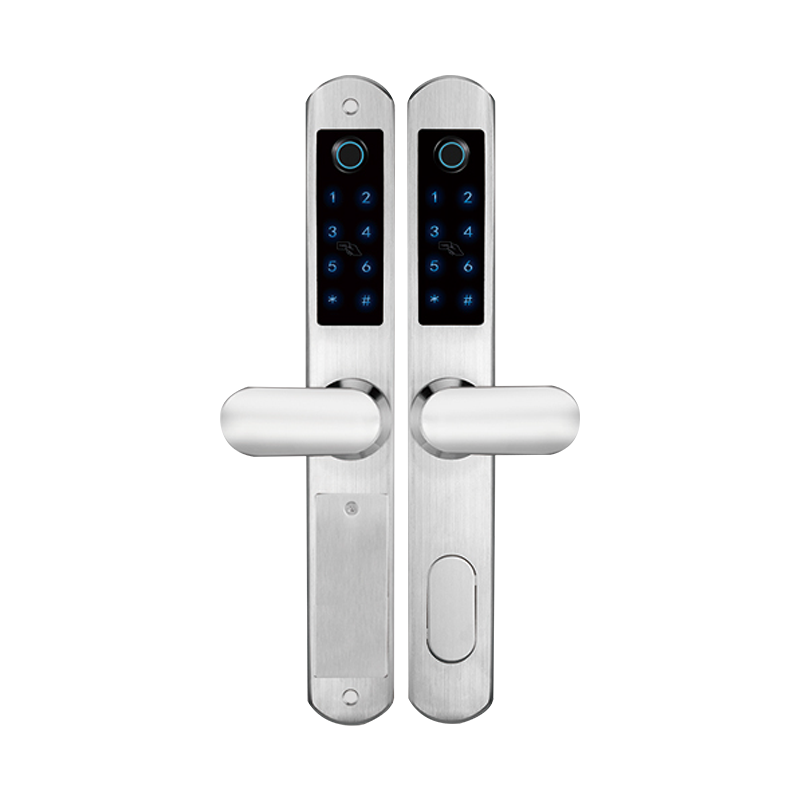
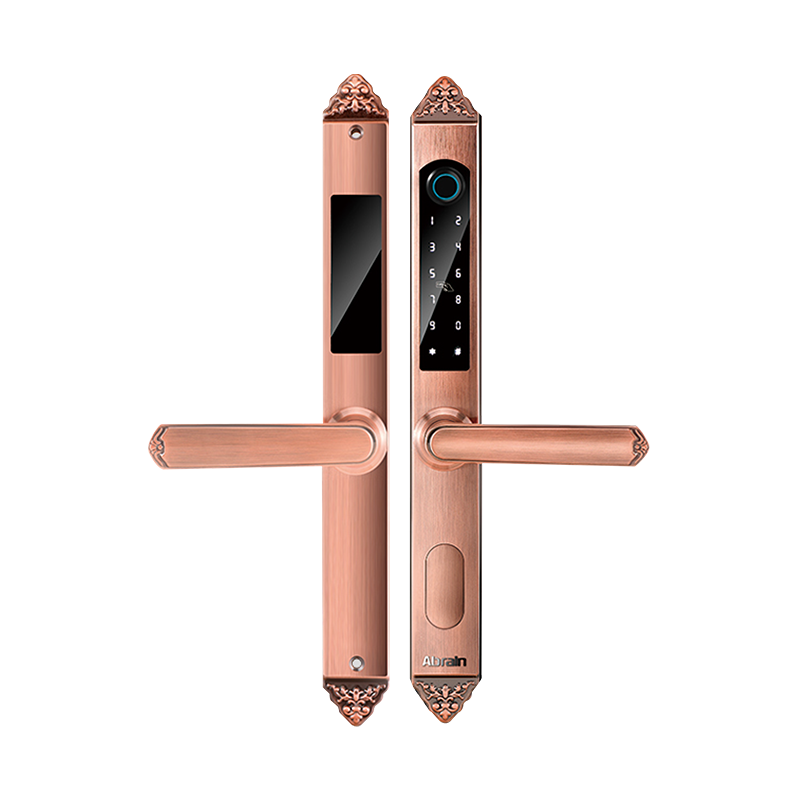
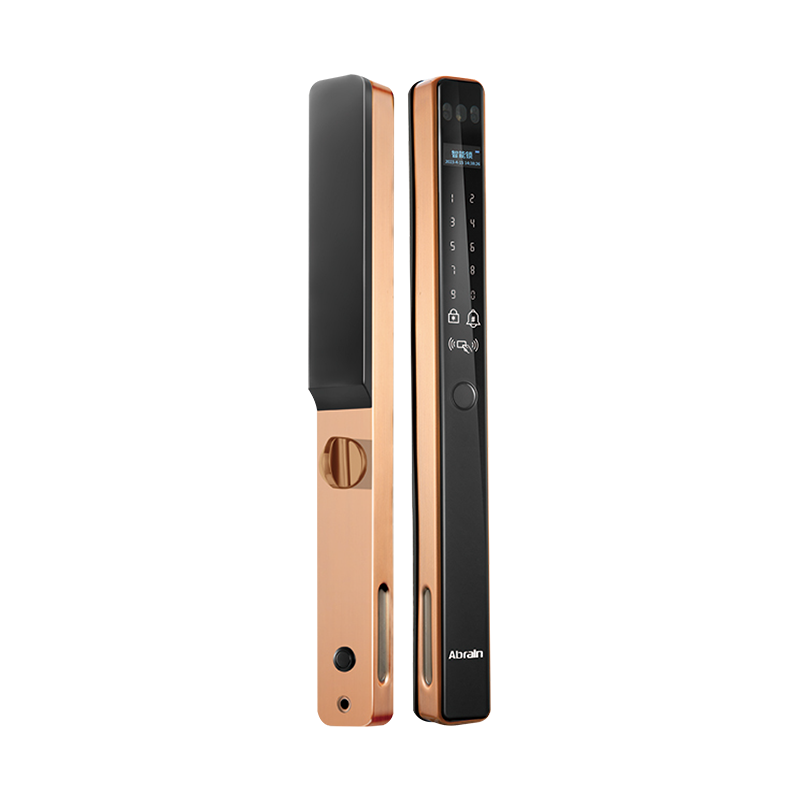

Ready to Begin?
Product Categories
Contact Information
 Email: [email protected]
 Phone: +86-13575699186
 Address: No.135, Wanyu Road, Zhiying Industrial Zone, Yongkang City, Zhejiang Province, China.
QR Code
Copyright © Yongkang Ruian Lock Industry Co, Ltd. All rights reserved.
