русский
 Español
 عربى
Industry News
HOME / NEWS / Industry News / How Should Hotel Developers Select Hotel Key Card Lock Solutions for New Construction Projects?

Hotel locks are easy to leave until late in a construction project. The doors have been specified, room layouts approved, and attention has moved to finishing work. Then the access system arrives, only to reveal that the lock does not fit the door preparation or needs wiring that was never included in the original plan.
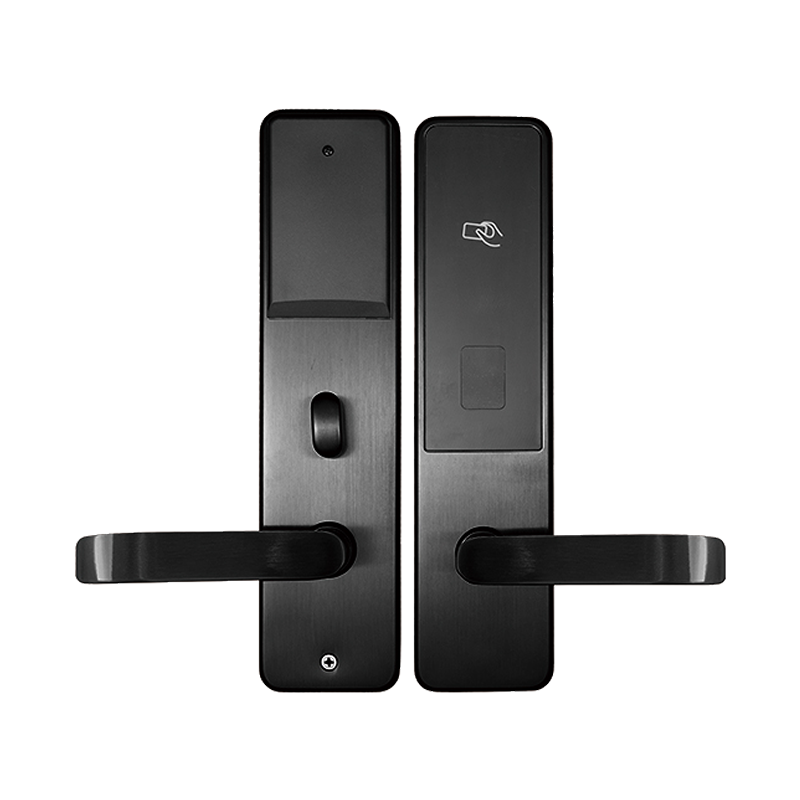
These problems are avoidable. A Hotel Key Card Lock system needs to be considered alongside the hotel's doors, software and daily operating procedures, not as a piece of hardware chosen on price alone.
Start With the Way the Hotel Will Operate
A small boutique hotel and a large resort rarely manage access in exactly the same way. One may need a straightforward room-card system; the other may require controlled access to elevators, separate buildings, staff areas and leisure facilities.
Map out which doors need electronic access and who will use them. Housekeeping may only need access to assigned rooms during working hours, while engineering staff need entry to equipment rooms. Reception staff, meanwhile, must be able to issue replacement cards and cancel lost ones without involving the technical team every time.
Getting this access plan agreed early helps avoid buying a system that is either too limited or unnecessarily complicated.
Choose a Credential Type That Guests Can Use Easily
Magnetic stripe cards, RFID cards and smartphone credentials are all used in hotel access systems. Their differences are worth checking before the lock specification is finalized.
| Technology | What it offers | What to check |
|---|---|---|
| Magnetic stripe | Familiar card-based entry | Cards require physical contact and can wear with use |
| RFID | Contactless access with a compatible card | Card and reader technology must match |
| NFC mobile access | Room entry through supported smartphones | Device compatibility and software integration |
| Bluetooth | Access through compatible mobile devices | Configuration, connectivity and battery requirements |
RFID is often a straightforward choice for properties that plan to issue room cards. Mobile access may suit hotels with digital check-in, but it is sensible to retain a card option for guests who do not want to use a phone or have an unsupported device.
Do not stop at asking whether a lock supports RFID or mobile entry. Confirm the credential standards, supported devices and security features of the actual model being quoted.
Make Sure the Lock Works With the PMS
The front desk should not have to manage room access separately from the hotel's reservation system. When a guest checks in, the PMS and lock system need to work together to assign the correct room and access period. That permission should expire at checkout or when staff update the booking.
Compatibility needs to be confirmed for the specific PMS and software version. Some integrations require additional licensing, gateways or configuration. Ask the supplier to demonstrate routine tasks, such as issuing a new card, replacing a lost one and changing an employee's permissions.
A general statement that a system is "PMS compatible" is not enough to settle the technical details.
Check the Doors Before Ordering
Door specifications can narrow down the available lock choices. Thickness, material, frame design, latch position and mounting dimensions all affect whether a lock will fit.
The lock supplier needs to coordinate with the architect, door manufacturer and installation contractor before the doors are produced. Fire-door requirements and emergency exit arrangements must also be checked against local regulations.
Wireless locks can reduce cabling at the door, but the system may still need gateways or network connections elsewhere in the building. These requirements belong in the construction plan, not in a last-minute installation request.
Examine Security and Maintenance Details
Ask what happens when a guest loses a card, an employee leaves or a lock's battery runs low. Authorized staff should be able to revoke credentials, adjust permissions and check relevant access records.
Battery replacement is another practical issue, particularly in a large property with hundreds of guest rooms. The supplier should explain how low-battery warnings work and what procedures are available if a lock stops responding.
Electronic locks must also allow safe emergency exit. Their operation needs to be reviewed as part of the hotel's fire and life-safety arrangements.
Look at the Full Project Cost
The quoted price per lock rarely tells the whole story. Installation, door preparation, software fees, staff training, batteries and replacement parts all add to the cost.
| Cost item | Details to confirm |
|---|---|
| Hardware | Locks, readers, cards and accessories |
| Installation | Labor, door modifications and wiring |
| Software | Licenses, updates and PMS integration |
| Maintenance | Batteries, repairs and technical support |
| Expansion | Additional locks, gateways and system capacity |
A cheaper lock can become an expensive choice if spare parts are hard to source or software support ends too soon. Compare quotations using the same hardware specifications and service requirements.
Install a Small Trial Before the Full Order
A pilot installation in several representative rooms can uncover issues that drawings and product brochures will not show. Test the locks on the actual doors, connect them to the intended PMS and have reception staff run through check-in and card replacement.
Pay attention to everyday details: Does the card reader respond consistently? Can staff change permissions without difficulty? Can maintenance teams access the lock when a battery needs replacing?
It is much easier to resolve these questions in a few rooms than after every guest-room door has been fitted.
Get the Access System Right Before Construction Is Finished
The lock decision affects door manufacturing, electrical planning, hotel software and staff procedures. Developers who settle these details early have more control over installation costs and are less likely to encounter compatibility problems when the property is nearly complete.

 Email: [email protected]
 Phone: +86-13575699186
 Address: No.135, Wanyu Road, Zhiying Industrial Zone, Yongkang City, Zhejiang Province, China.
QR Code
Copyright © Yongkang Ruian Lock Industry Co, Ltd. All rights reserved.