
 русский
  Español
  عربى
عربى Industry News

GET A QUOTE
How to Maintain a Smart Lock for Home Door Long Term
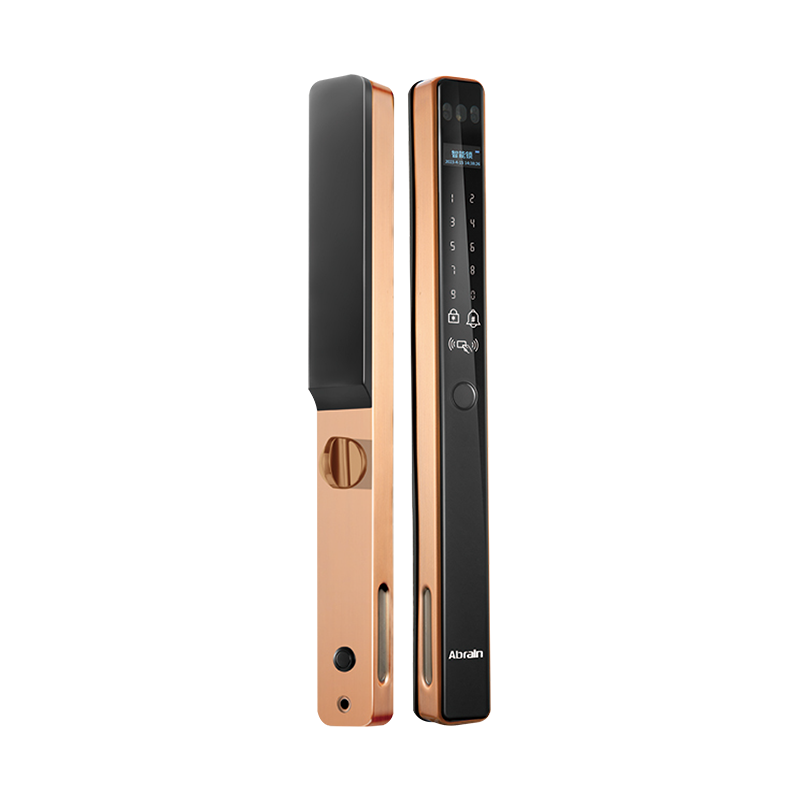
A smart lock settles into daily life faster than most people expect. After a handful of days unlocking the door with a fingerprint, a code, or a tap on a phone, most homeowners stop giving the lock itself a second thought — it just becomes another household fixture that's supposed to work whenever someone walks up to the door. Like anything used that often, though, a Smart Lock for Home Door benefits from a bit of regular attention, since every open and close cycle puts small amounts of wear on its internal and external parts, dust settles around it over time, weather shifts affect the door it's mounted on, and even how family members handle the entrance can shape how smoothly it keeps operating.
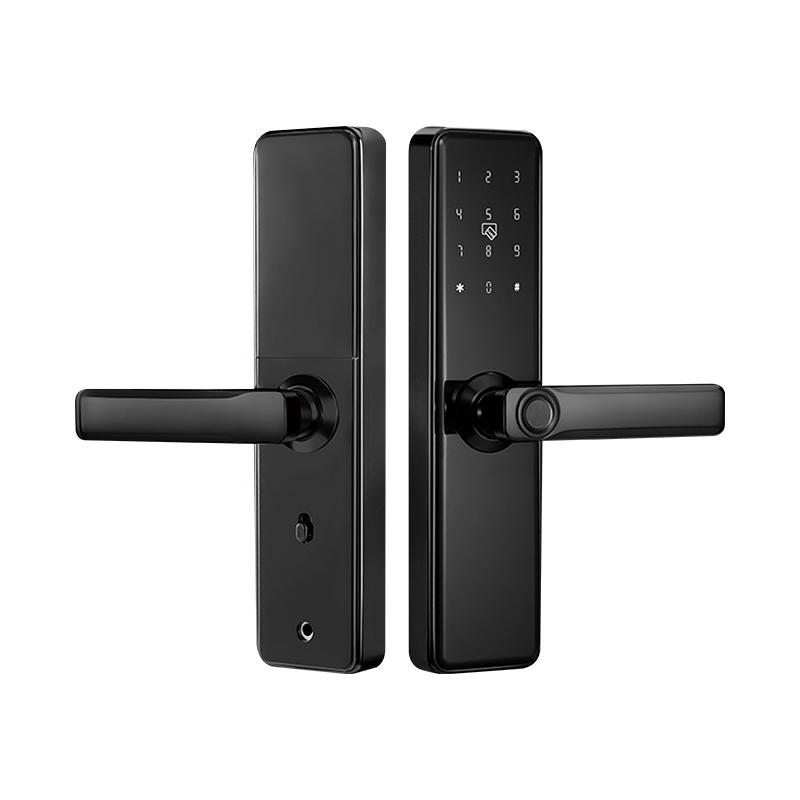
Why Does a Smart Lock Need Regular Maintenance?
A smart lock is really two things stitched together — traditional mechanical hardware paired with electronic features. People tend to notice the digital side, but the mechanical parts are still moving every single day underneath all that.
Picture an ordinary household entrance: the door swings open in the morning, closes behind whoever's leaving, welcomes guests, takes in deliveries, and locks up again at night. All that repetition adds up, gradually working on every component in the locking system.
Environmental factors chip in too. Dust can settle around the keyway or handle without anyone noticing. Rain leaves moisture sitting on exterior surfaces. Temperature swings across seasons can nudge how the door lines up with its frame, even if just slightly.
None of this guarantees trouble down the line — it just explains why the occasional check-in is worth doing. A lock that gets a little attention now and then tends to stay easier to live with than one left completely alone until something finally goes wrong.
What Parts of a Smart Lock Should Be Checked?
People gravitate toward the keypad or fingerprint reader since those get touched constantly, but the rest of the lock deserves a glance too.
A basic inspection covers a handful of spots. The exterior surface can build up dust, dirt, or moisture over time. The handle should move smoothly during ordinary use. The lock body might show visible wear or a part that's come slightly loose. The battery compartment ought to stay clean and dry. And the door should close properly without needing extra muscle behind it.
None of this calls for special expertise.
Homeowners sometimes notice small shifts without immediately clocking them as worth watching — the handle feels a touch different, the door wants a bit more push before it locks, or the keypad's picked up a film of fingerprints and everyday grime. Catching these small details early tends to head off bigger headaches later.
How Can You Keep a Smart Lock Clean?
Cleaning ranks among the easiest maintenance tasks around, and somehow it's also the one people forget most often.
The exterior of a smart lock takes on fingerprints, dust, outdoor air, and whatever the weather throws at it. Keeping that surface clean does more than just make it look nice — it also makes the lock more pleasant to actually use.
A soft cloth handles routine cleaning just fine. A gentle wipe clears away everyday dust without messing with the finish.
Worth keeping in mind while cleaning: electronic components aren't quite the same as ordinary door hardware. Heavy amounts of water or harsh cleaning products should stay away from sensitive areas.
The door surface surrounding the lock is worth a wipe too, since dirt sitting nearby can gradually work its way into small openings through normal use.
Plenty of homeowners already clean windows, handles, and entry doors as part of regular chores — folding the smart lock into that same routine barely adds any extra effort.
How Does Battery Care Affect Long-Term Use?
What sets a smart lock apart from a traditional one comes down to its power source.
Swapping batteries is a normal part of owning one of these, sure, but good battery care goes beyond just replacing them when they die. Checking on battery condition during regular home maintenance is a habit worth building.
The battery compartment should stay clean and dry. If dust or moisture works its way in, cleaning that area out carefully before putting in fresh batteries makes a real difference.
It's also worth paying attention to whatever notifications the system sends — many smart locks warn users before power gets too low. Brushing those off can eventually lead to inconvenience, particularly if the lock runs dry at a moment nobody planned for.
A few minutes of attention folded into routine home care goes a long way toward avoiding interruptions nobody wants.
Why Is Door Alignment Just as Important as the Lock?
People tend to assume any lock trouble originates from the lock itself. Sometimes, though, the door is actually the culprit.
Buildings settle naturally over time, and weather conditions shift the wood or frame along with them. Hinges can loosen after enough use. Even a small alignment change can make the lock work harder every time it engages.
Worth paying attention to the next time the door opens or closes: does it move the way it always has? Does the latch slide into place without a fight? Is extra pressure suddenly necessary before it locks? Has the handle started feeling different lately?
If the door isn't closing as easily as it used to, checking alignment first might solve the whole problem before anyone starts second-guessing the smart lock itself.
The lock and the door aren't really separate things — they work as one system, and looking after both tends to produce better results than fixating on just one.
What Daily Habits Help Protect a Smart Lock?
A lot of maintenance isn't really maintenance at all — it's just habit. Small adjustments in everyday use can cut down on unnecessary wear over time.
Closing the door gently instead of slamming it helps. So does keeping heavy objects from dangling off the handle, wiping down the area around the lock periodically, avoiding unnecessary impact on the door itself, and simply following whatever operating instructions came with the lock.
None of this sounds especially exciting, but it genuinely eases the load on both the lock and the door.
Households with kids might find it worth explaining how the lock should actually be used — mashing buttons repeatedly or yanking on the handle wears things down faster than it needs to. Daily care, more often than not, is less about fixing something broken and more about never letting it break in the first place.
How Should You Handle Software and Security Updates?
Traditional locks don't need software updates. Smart locks often do, since many carry digital features that evolve over time.
Keeping that software current helps the lock keep operating normally and often improves how well it plays with other connected devices.
Whenever an update rolls around, it's worth reading through whatever instructions the manufacturer provides before hitting install — and letting the update finish once it's started rather than interrupting it partway through.
Access settings deserve a periodic look too. If temporary codes were set up for guests, service providers, or short-term visitors, clearing those out once they're no longer needed keeps the whole system tidier. Reviewing user permissions now and then is a small habit that quietly supports everyday home security.
What Signs Suggest a Smart Lock Needs Attention?
Smart locks rarely just quit without warning. Usually, small signs show up first.
A slower response might hint the lock could use a look. Unusual sounds often mean moving parts want some attention. A door that's suddenly harder to close could point to shifted alignment. Fingerprint recognition acting up might just need a cleaning or a quick system check. And repeated notifications tend to be the system's way of nudging toward routine maintenance.
None of these signs necessarily spell serious trouble. More often than not, a simple inspection or a wipe-down resolves things before they go any further.
Staying alert to gradual changes remains one of the simplest ways to keep household equipment running the way it should.
How Can Regular Maintenance Become Part of Home Care?
Plenty of homeowners already have routines for checking smoke alarms, swapping air filters, or walking the yard for anything amiss. A smart lock fits naturally into that same rhythm. Rather than waiting for something to break, picking a convenient moment to look the lock over during general household upkeep works well. None of it takes long — wiping down the exterior, checking how the handle moves, glancing at the battery compartment, confirming the door still closes smoothly, and reviewing access settings if it seems worthwhile. These small steps slot easily into ordinary home care. Over time, staying consistent tends to feel a lot less demanding than scrambling to fix something unexpected. A Smart Lock for Home Door gets used constantly, day in and day out, and a little regular attention keeps it ready for the moments family members actually count on it.
Recommended Products

Ready to Begin?
Product Categories
Contact Information
 Email: [email protected]
 Phone: +86-13575699186
 Address: No.135, Wanyu Road, Zhiying Industrial Zone, Yongkang City, Zhejiang Province, China.
QR Code
Copyright © Yongkang Ruian Lock Industry Co, Ltd. All rights reserved.
