A mechanical key supplied with an electronic lock can be overlooked during sample review. The normal unlocking method gets demonstrated, the handle finish is approved, and the keys go back into the accessory bag. Yet the key arrangement deserves its own review before the lock is ordered for a building project.
The question is practical: can an authorized person reach and operate the intended mechanical entry provision on the finished door, using the manufacturer's instructions? A loose lock on a sales desk does not answer that question. Nearby trim, a protective cover and the selected key arrangement can all matter.
Check the actual recovery provision
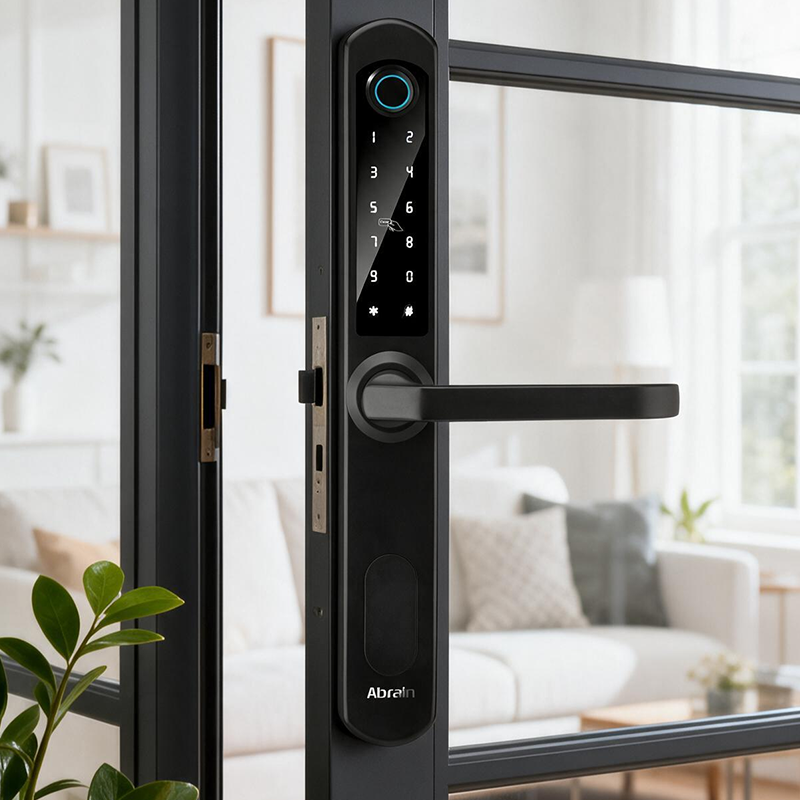
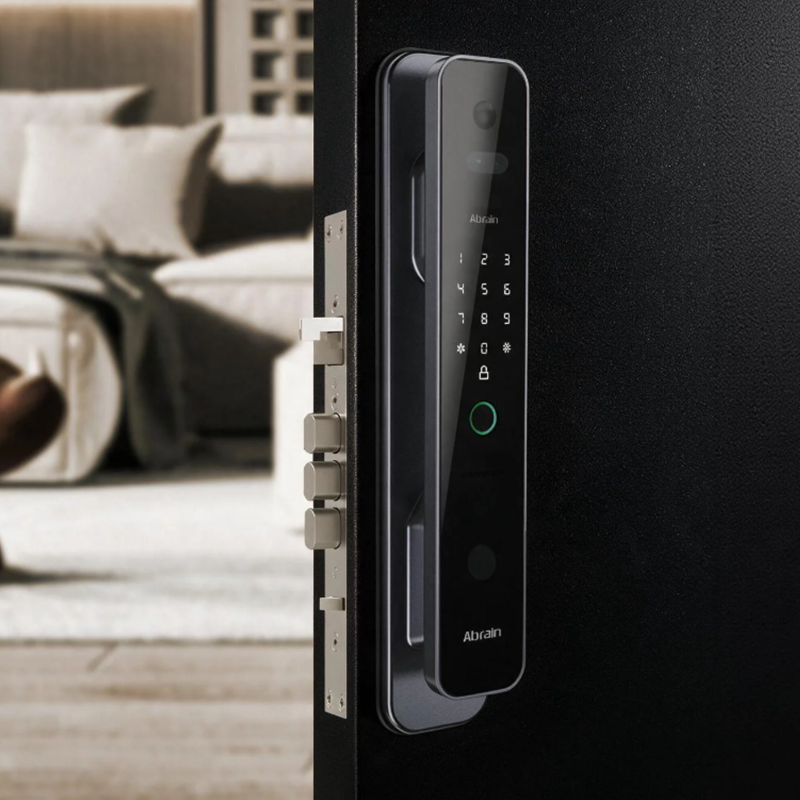
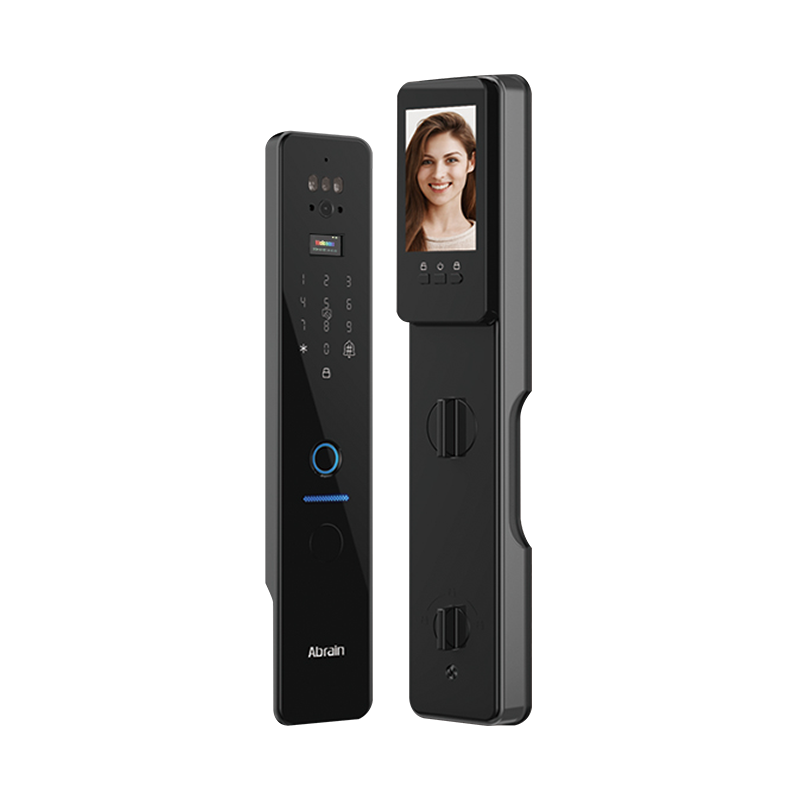
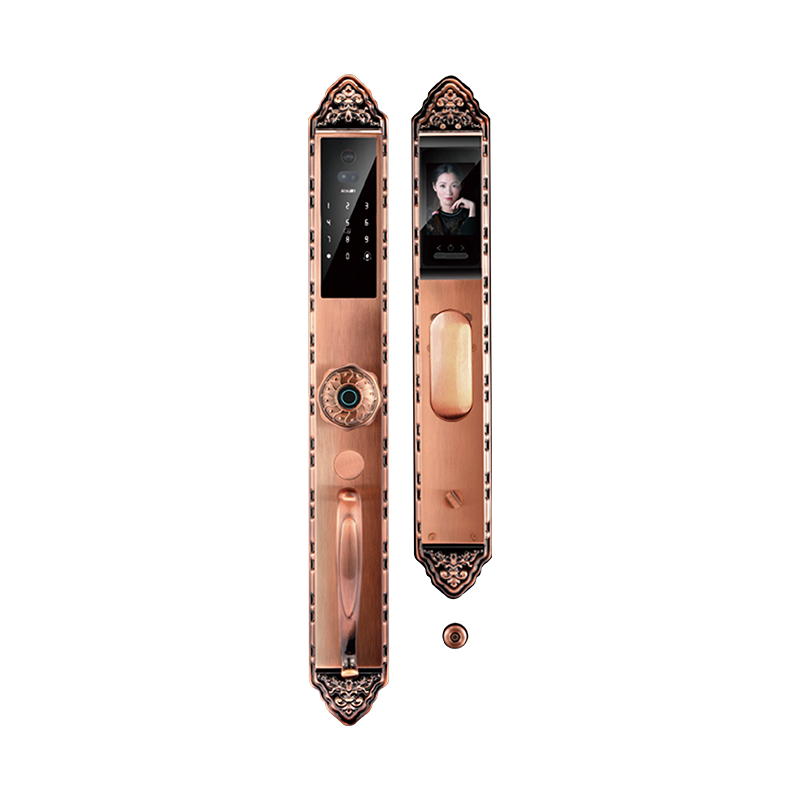
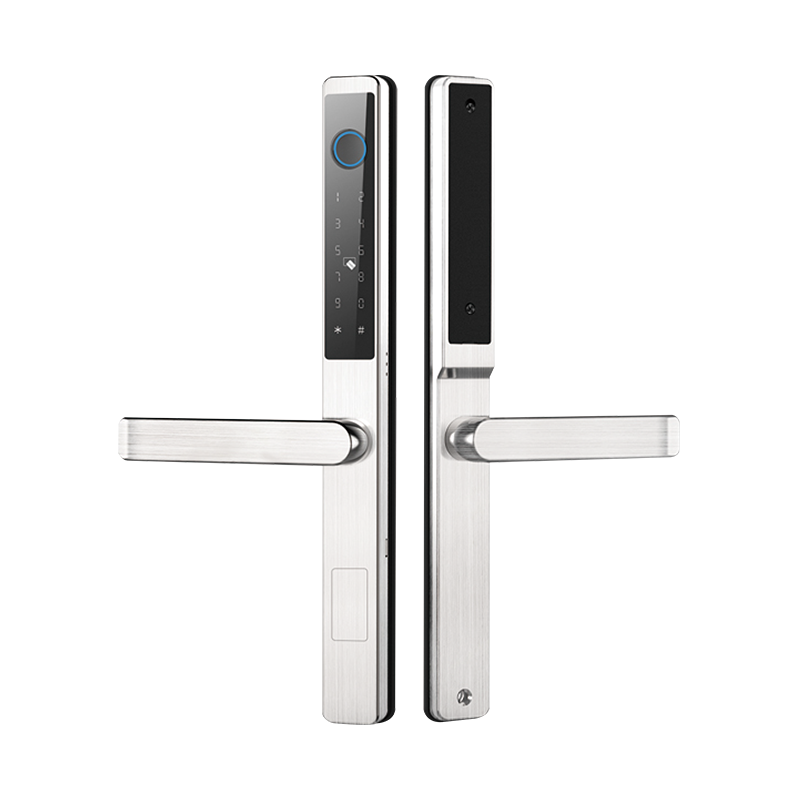
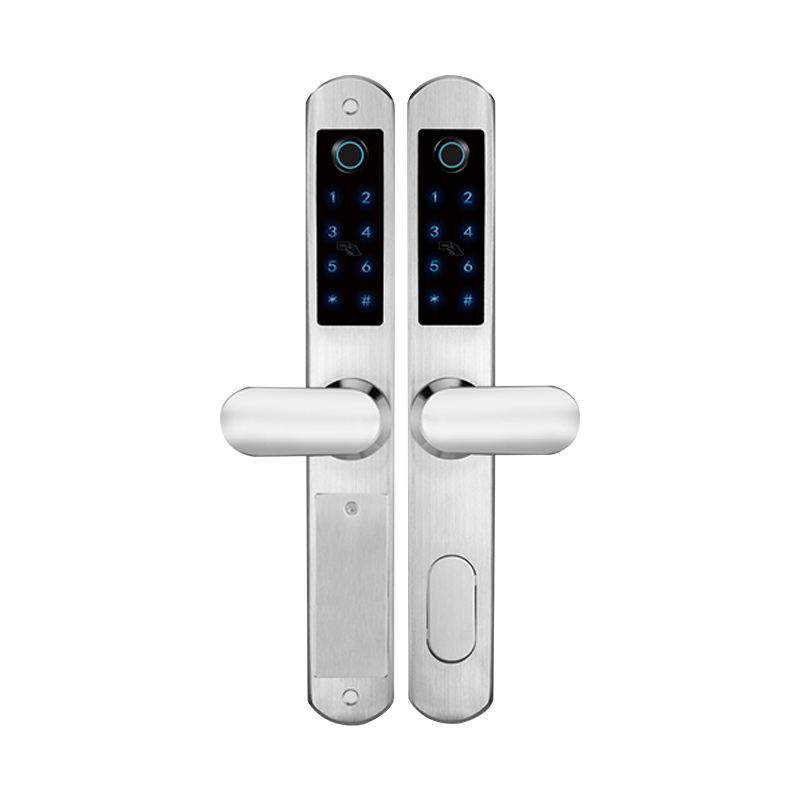
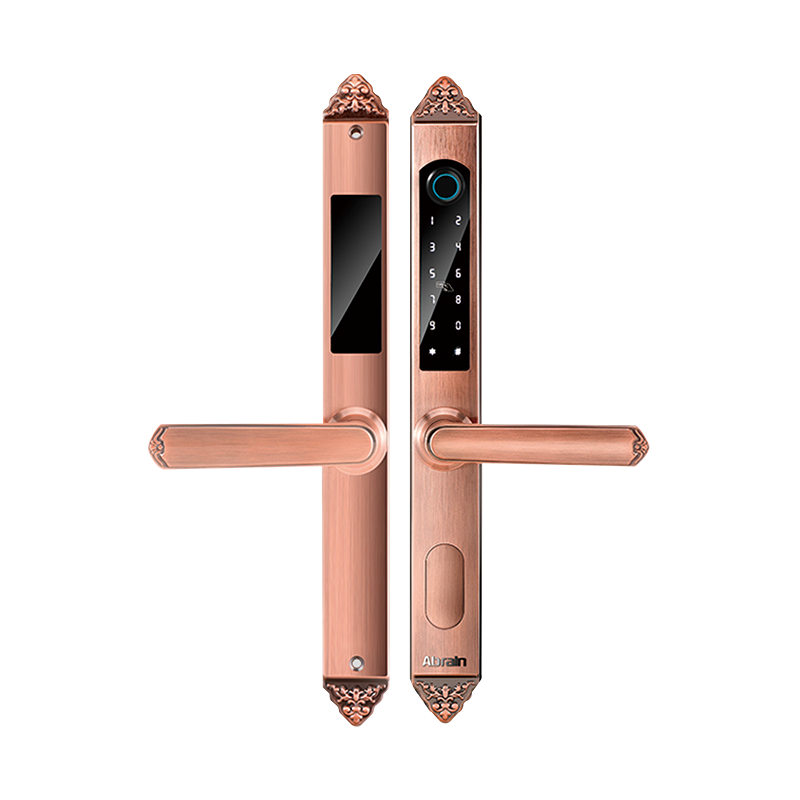
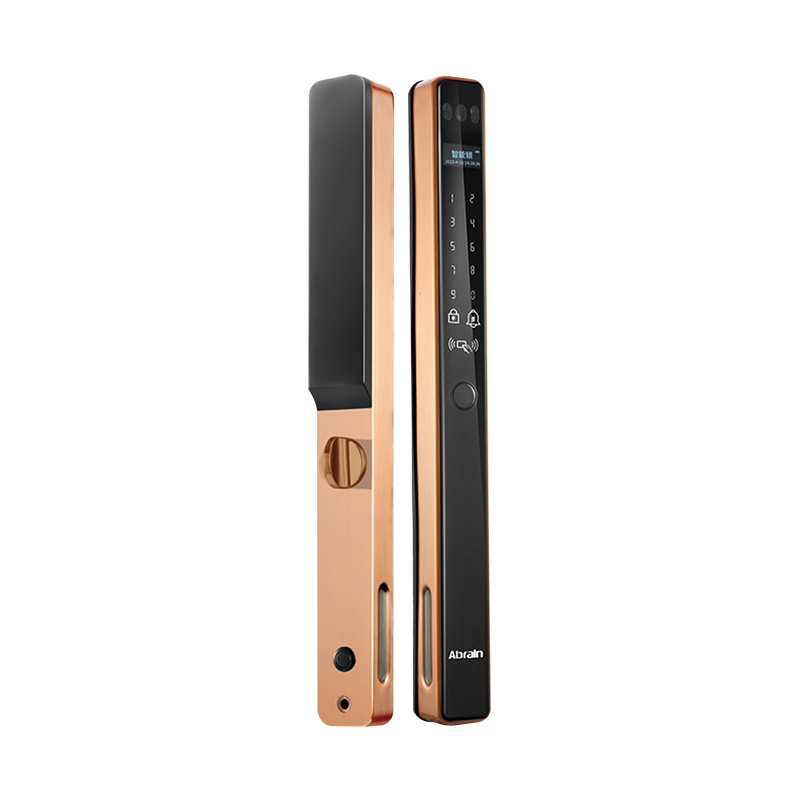
Start with the model-specific information for the selected profile door smart locks. Confirm whether a mechanical key is provided, how its access point is exposed and which instructions apply. A product photograph may show the overall design without explaining the complete access sequence.
Keep mechanical entry separate from any emergency power provision. Those features, where offered, serve different functions and may require different actions. Do not describe one as a substitute for the other without confirmation for the actual model. The project operating note should use the supplier's verified terminology.
Ask which accessories are required and whether they are supplied. If a cover must be moved, learn the approved method rather than prying at it during installation. This review is about preserving a usable access route, not teaching unauthorized entry or improvising an alternative to the manufacturer procedure.
Use the finished door as the reference
A key that fits freely on a loose sample may be awkward to use beside a projecting frame detail. Show the lock, leaf, frame and neighbouring finish in the installation review. Include the final surface build-up and the orientation in which the lock will actually be installed.
Look at the space needed for the key and the user's hand. A visible keyway alone does not establish useful operating clearance. Ask the supplier to review the arrangement where decorative trim or a narrow profile creates uncertainty, and use a representative assembly to settle the issue before production release.
| Review point |
Information to include |
Decision required |
| Access cover |
Opening or removal instructions |
Can it be used as intended? |
| Key movement |
Supplied key form and operating space |
Is there adequate clearance? |
| Door surround |
Finished trim and frame geometry |
Does anything obstruct access? |
| Accessories |
Required items and supply scope |
Who keeps the complete set? |
| Recovery instructions |
Exact model and document version |
Which procedure is followed? |
Keep the demonstration controlled
Arrange a demonstration with an authorized installer or supplier representative. Follow the published procedure on a safe sample or a controlled installation. Record the configuration and the result without placing sensitive key details in a public project report.
The check should include restoring the access cover or other moved part after use. Recovery is not complete if the lock is left with a loose cover or an exposed assembly contrary to its instructions. Ask how the part should sit when normal operation resumes and what to do if it is damaged.
Avoid creating an emergency by disabling an occupied door for a casual demonstration. The responsible project team should decide when and how the procedure is reviewed. Where the door forms part of a regulated assembly, coordinate the complete installation and operating arrangement with its requirements.
Decide who controls the keys
A project needs an ownership process as well as a physical key. Agree who receives the keys from the installer, where they are kept and how authorized access is recorded. This is a project administration decision; it should not depend on whoever happens to open the accessory carton.
Do not attach a publicly readable door location to a key bundle during transport or storage. Use the organization's approved identification and custody method. Purchasing records can confirm quantities and handover responsibility without exposing information that would make the keys easier to misuse.
- Confirm the key supply scope for each ordered lock.
- Assign a responsible recipient before installation starts.
- Verify model-specific access on a representative finished door.
- Transfer keys and instructions through the agreed custody process.
- Record missing or damaged items before the installer leaves.
Plan for replacements without assumptions
Ask the supplier what information is needed if a key or related component requires replacement. Confirm the authorized service route and any limitations. Do not promise universal interchangeability across visually similar locks or assume that a key from a demonstration unit represents the production order.
For a multi-door project, decide whether any requested key arrangement is a separate specification. State the requirement clearly and obtain written confirmation of what can be supplied. Avoid using informal terms that different parties may interpret differently, especially when several lock models are involved.
A maintenance handover should explain whom to contact when the key provision cannot be operated as documented. Repeated force can damage hardware and obscure the original issue. The operator needs a clear escalation route, rather than an instruction to keep trying until the mechanism moves.
Approve a complete access plan
Retain a concise record identifying the lock model, door assembly, instructions and responsible custodian. If the project changes trim, lock orientation or hardware version after approval, review whether the key-access check still represents the installed condition.
Mechanical key access is easy to miss because it may be used infrequently. Reviewing it during procurement gives the project team time to resolve clearance, accessory and ownership questions while the door specification is still editable. That is more useful than discovering an inaccessible cover during a service call.

 русский
 Español
 عربى


 Email: [email protected]
 Phone: +86-13575699186
 Address: No.135, Wanyu Road, Zhiying Industrial Zone, Yongkang City, Zhejiang Province, China.
