
 русский
  Español
  عربى
عربى Industry News

GET A QUOTE
Structural Design of Waterproof Fingerprint Locks
The design of a waterproof fingerprint lock is focused on both durability and precision. The outer casing is often made of corrosion-resistant materials such as stainless steel or zinc alloy, which protect against water, dust, and physical impact. The interior components are sealed to prevent moisture damage to electronic circuits.
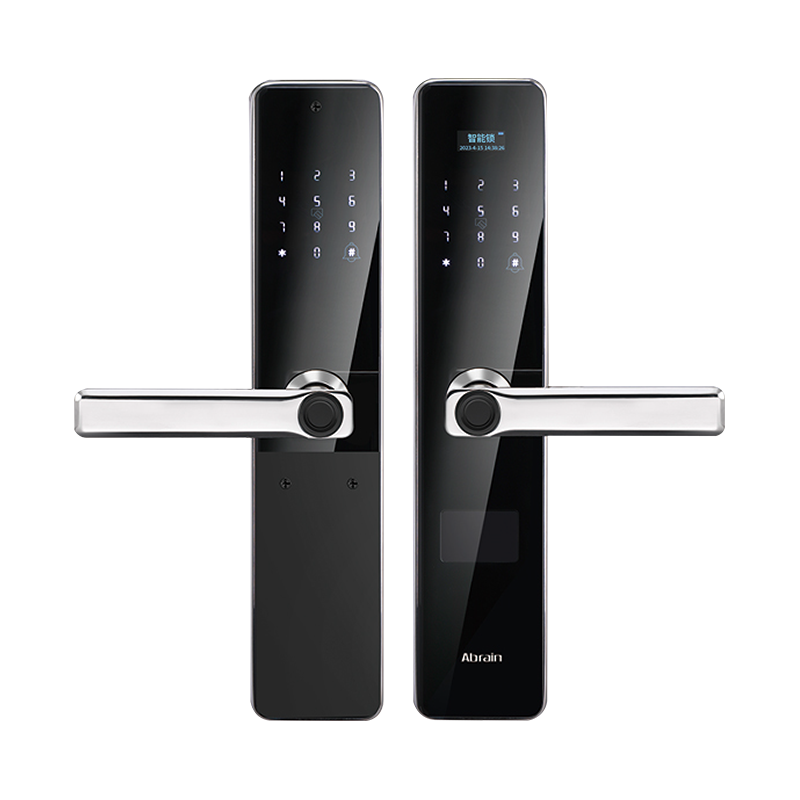
Fingerprint Sensor
A capacitive or optical sensor scans and recognizes fingerprints. It is designed to resist water and maintain accuracy under different environmental conditions.
Locking Mechanism
Includes a motorized or mechanical bolt that engages and disengages based on verified input.
Housing and Seals
Rubber or silicone gaskets are used to prevent water ingress. Critical joints and edges are sealed to maintain IP-rated waterproof standards.
Control Electronics
The internal circuit boards and memory modules are coated or encased to protect against short circuits caused by moisture exposure.
The combination of robust materials and sealed electronics ensures that the lock maintains functionality in both indoor and outdoor environments.
Functional Features of Waterproof Fingerprint Locks
The functionality of these locks is centered on biometric access, user management, and environmental resilience. Common functions include:
Biometric Recognition
The lock scans fingerprints to grant access. Multiple fingerprints can usually be stored for different users.
Alternative Entry Methods
Some models include pin codes, RFID cards, or mechanical keys as backup options.
Operational Feedback
Audio or visual indicators confirm successful access or failed attempts.
Security Features
Anti-tamper alarms, lockout modes, and time-sensitive access restrictions enhance security.
Durability under Environmental Stress
Waterproof locks maintain performance in rain, high humidity, or dust-prone conditions.
Bullet points for additional functional advantages:
Quick recognition speed, often under one second.
Adjustable lock timing to prevent automatic relocking delays.
Low power consumption with battery indicators or backup power options.
Resistance to fingerprint forgery or duplicate attempts.
These functional characteristics make waterproof fingerprint locks suitable for high-use environments and settings where security and convenience are priorities.
Applications of Waterproof Fingerprint Locks
Waterproof fingerprint locks are widely used in a variety of contexts, where both security and environmental protection are important. Typical applications include:
Residential Use
Installed on main doors, gates, or storage rooms to prevent unauthorized access while allowing convenient entry for family members.
Commercial Buildings
Offices, warehouses, and staff-only areas use these locks for controlled access and monitoring employee entry.
Outdoor Gates and Sheds
Designed to withstand rain, dust, and sun exposure, allowing secure outdoor installations.
Storage and Safety Cabinets
Provides security for sensitive items such as documents, electronic equipment, or tools in humid or outdoor environments.
Hotels and Guest Facilities
Guest rooms or lockers can utilize fingerprint access to reduce the need for physical keys or cards.
The versatility of waterproof fingerprint locks allows them to serve multiple sectors while maintaining reliable operation under challenging environmental conditions.
Maintenance and Care of Waterproof Fingerprint Locks
Regular maintenance ensures the lock continues to operate effectively and maintains security standards. Recommended practices include:
Cleaning the Sensor
Wipe the fingerprint sensor with a soft, damp cloth to remove dirt or oils that can interfere with recognition.
Battery Replacement
Monitor battery levels and replace or recharge before depletion. Backup power options should be tested regularly.
Seal and Casing Inspection
Check gaskets and housing for wear, cracks, or damage to ensure waterproofing remains intact.
Software Updates
If applicable, update firmware or access settings to maintain security and functionality.
Regular Testing
Verify that all registered fingerprints, codes, and backup access methods operate as intended.
By following these maintenance practices, users can ensure that waterproof fingerprint locks remain reliable and secure over time.
Recommended Products

Ready to Begin?
Product Categories
Contact Information
 Email: [email protected]
 Phone: +86-13575699186
 Address: No.135, Wanyu Road, Zhiying Industrial Zone, Yongkang City, Zhejiang Province, China.
QR Code
Copyright © Yongkang Ruian Lock Industry Co, Ltd. All rights reserved.
