русский
  Español
  عربى
عربى Industry News
HOME / NEWS / Industry News / What distinguishes double-sided fingerprint locks from standard fingerprint locks

Where are double-sided fingerprint locks typically required?
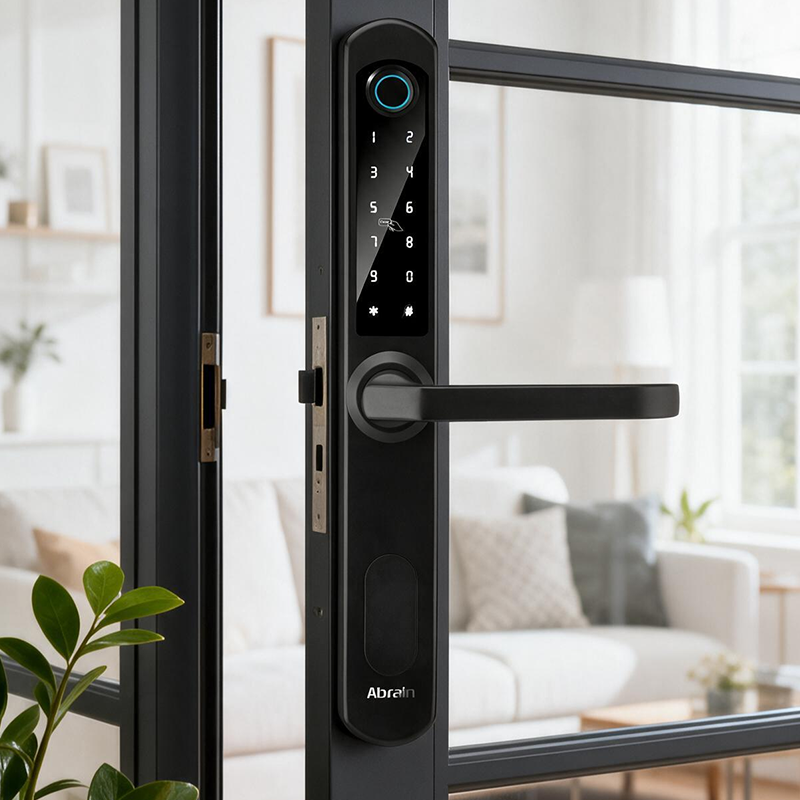
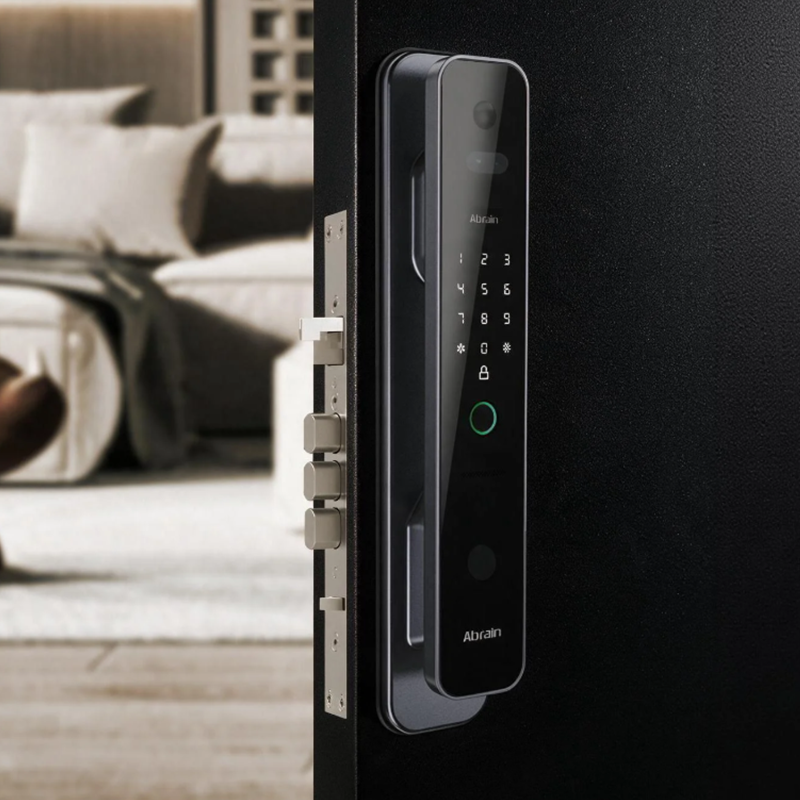
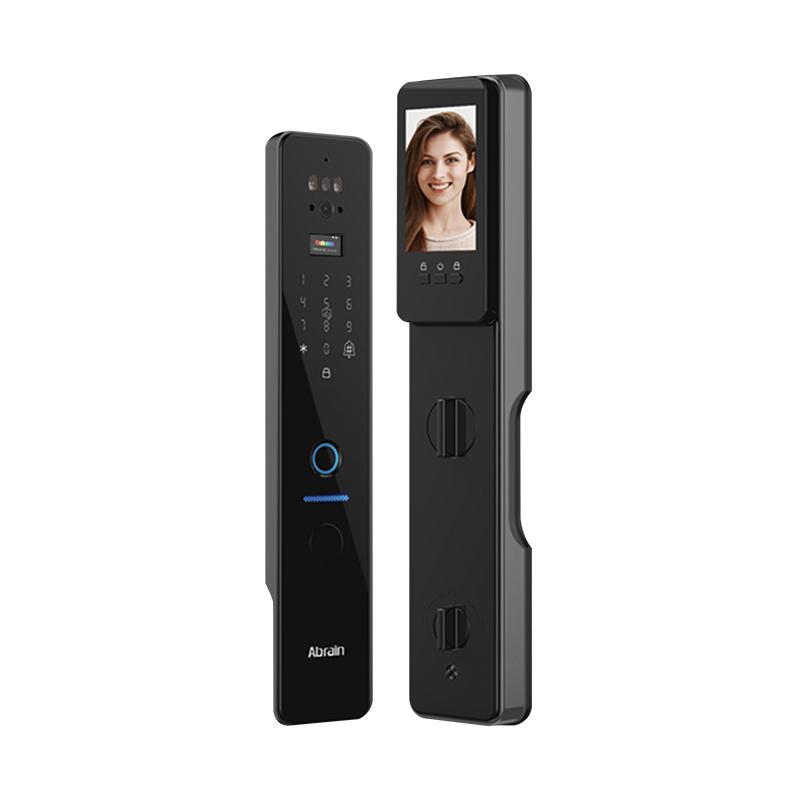
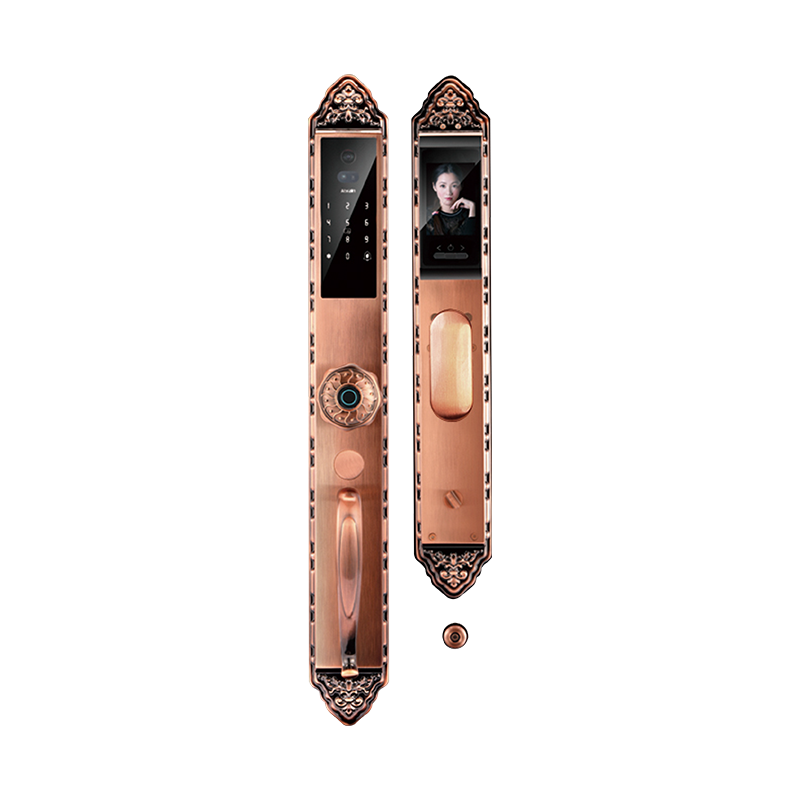
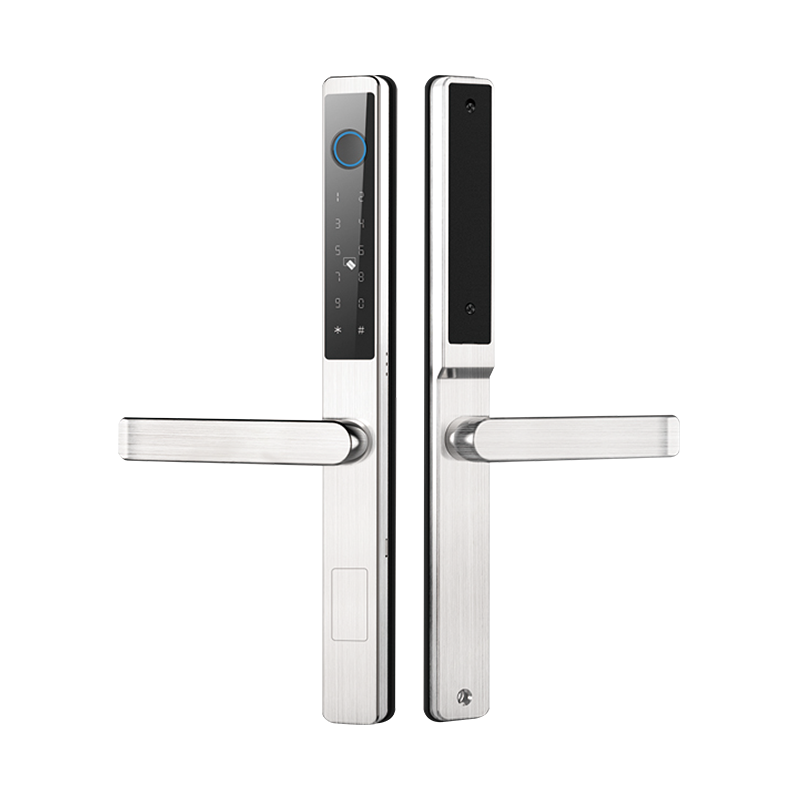
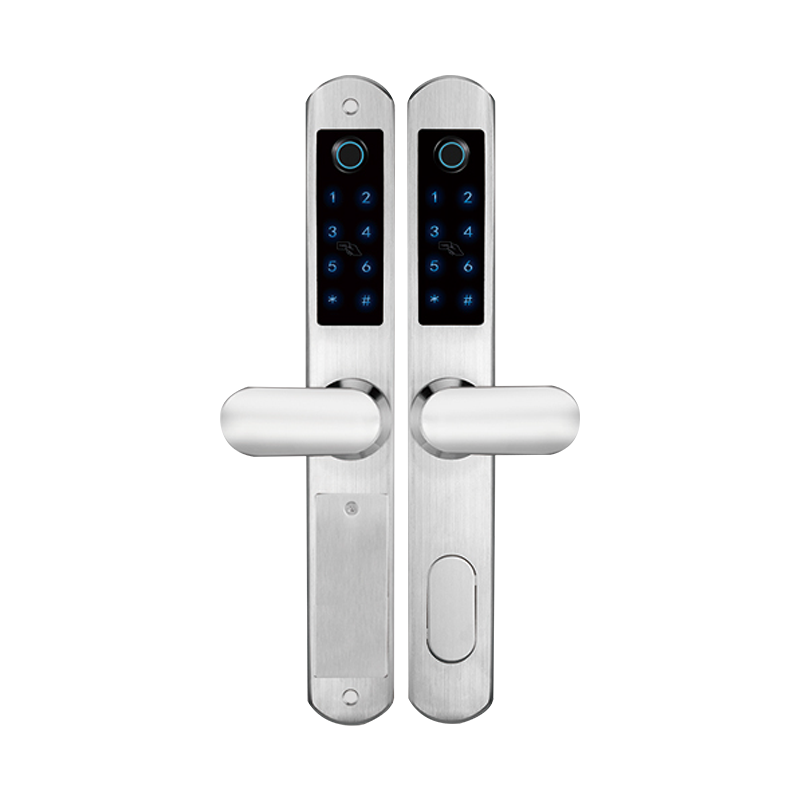
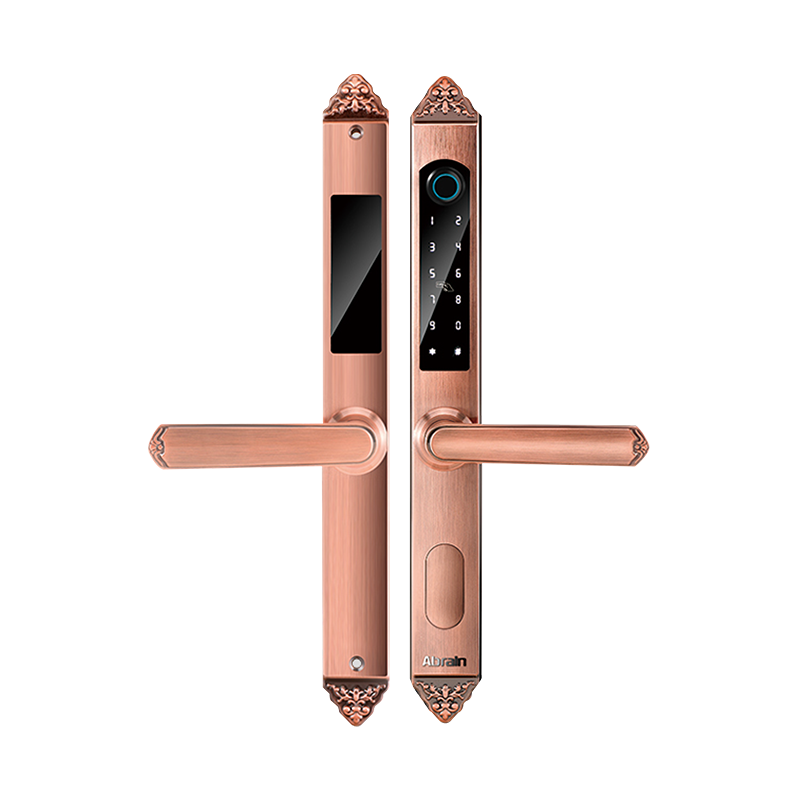
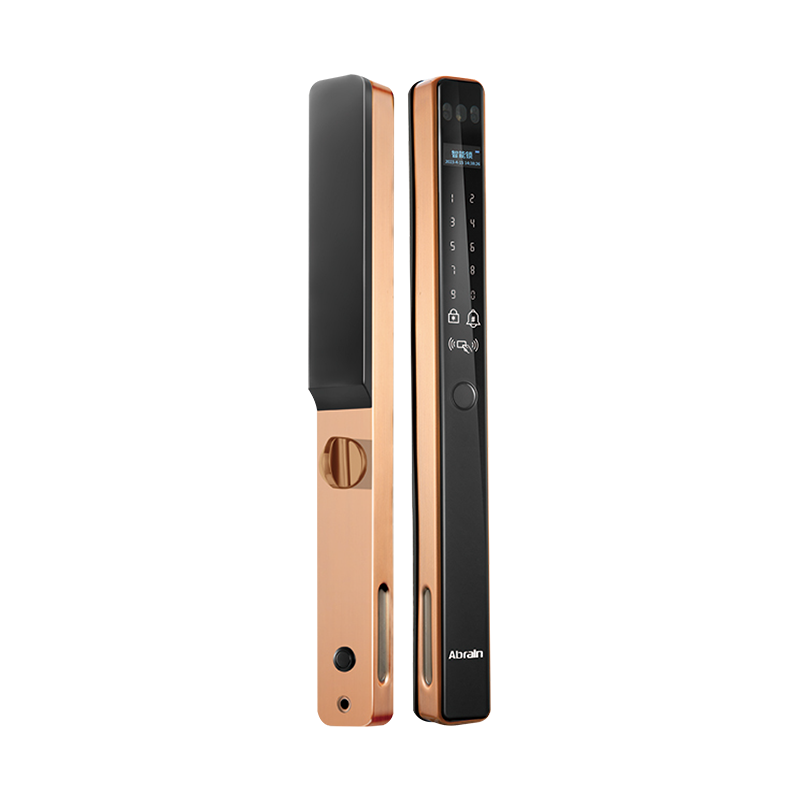
Double-sided fingerprint locks feature biometric sensors on both the exterior and interior sides of the door, or in some configurations, on both sides of a gate or cabinet. This design differs from standard fingerprint locks, which typically place the biometric sensor only on the exterior side while relying on mechanical thumb-turns or push-buttons for interior operation.
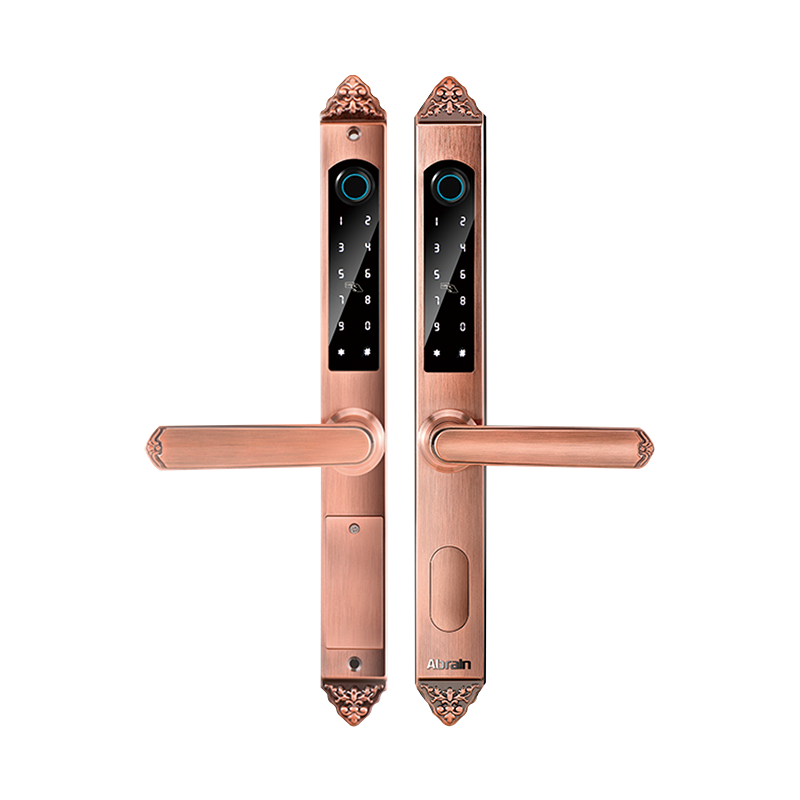
Primary distinguishing characteristics:
Bi-directional authentication: Both entry and exit require fingerprint verification. This prevents unauthorized egress—a feature particularly important in facilities where controlling exit is as critical as controlling entry, such as in secure laboratories, data centers, or areas housing sensitive materials.
No mechanical override from interior: Unlike standard locks that provide a mechanical thumb-turn for quick exit, double-sided fingerprint locks require authentication from inside. This eliminates the security vulnerability where an interior thumb-turn can be manipulated through mail slots, broken windows, or by unauthorized individuals who gain interior access.
Dual power and processing: Many double-sided locks incorporate independent electronics on each side, with both sides capable of operating autonomously if one side experiences power failure. Some designs use a single control board with sensors connected by a flex cable passing through the door.
Typical applications requiring double-sided configuration:
High-security facilities: Server rooms, research laboratories, pharmaceutical storage areas, and document archives where access must be controlled in both directions and audit trails are required for both entry and exit.
Commercial perimeter doors: Office building entry doors, especially those with glass panels or doors visible from public areas, where an interior thumb-turn visible through glass could be manipulated by unauthorized individuals.
Child safety applications: Doors leading to pools, gardens, or hazardous areas where preventing unsupervised exit by children is as important as preventing unauthorized entry. The double-sided lock ensures that children cannot exit without authorized adult supervision.
Shared access points: Common areas in multi-tenant buildings, gym locker rooms, or facilities where multiple users require access and management of both entry and exit activity is needed for security or operational purposes.
What are the critical factors affecting the reliability and accuracy of fingerprint recognition on double-sided locks?
The reliability of fingerprint recognition on double-sided locks depends on sensor technology, environmental conditions, user factors, and installation quality. Unlike indoor-only fingerprint devices, double-sided locks are often installed on exterior doors or in locations exposed to environmental challenges that affect sensor performance.
Sensor technology types and their characteristics:
Optical sensors: Capture images of the fingerprint using light and a charge-coupled device (CCD) sensor. Optical sensors are less expensive and perform well with clean, dry fingers. However, they can be affected by ambient light conditions, may have difficulty with dry or worn fingerprints, and can be more susceptible to spoofing compared to other technologies. In exterior applications, direct sunlight can wash out fingerprint images, reducing recognition success.
Capacitive sensors: Measure the electrical capacitance differences between fingerprint ridges and valleys. These sensors are less affected by ambient light and perform better with dry fingers. However, they can be affected by moisture—rain on the finger or sensor surface can create false readings. Capacitive sensors are commonly used in smartphone fingerprint readers and have proven reliability in consumer applications.
Ultrasonic sensors: Use high-frequency sound waves to map the fingerprint's subsurface features. Ultrasonic sensors are the least affected by surface contaminants, including dirt, oil, and moisture. They can read fingerprints through thin gloves and are less susceptible to spoofing. However, they are more expensive and consume more power than other sensor types.
Environmental factors affecting performance:
Moisture: Rain, humidity, or wet fingers affect all sensor types, but impact capacitive sensors significantly. Optical sensors may struggle with water on the sensor surface that refracts light. Ultrasonic sensors maintain functionality in wet conditions but may have reduced recognition speed.
Temperature: Extreme cold reduces the capacitance of human skin, affecting capacitive sensors. Optical sensors may experience condensation when warm interior air meets cold exterior surfaces. Fingerprint recognition rates can drop by 20 to 40 percent in temperatures below -10°C (14°F), depending on sensor type.
Sunlight: Direct sunlight can overwhelm optical sensors, causing overexposure of fingerprint images. Capacitive and ultrasonic sensors are not affected by ambient light. In installations where direct sunlight hits the sensor, sensor type selection becomes critical.
Contaminants: Dust, dirt, and oils accumulate on sensor surfaces over time. Optical sensors require periodic cleaning of the glass surface. Capacitive sensors may become less sensitive with contaminant buildup. Maintenance protocols should include regular sensor cleaning with appropriate non-abrasive materials.
User-related factors:
Finger condition: Dry skin, worn fingerprints from manual labor, and temporary conditions such as cuts or peeling affect recognition. Double-sided locks should accommodate multiple fingerprint registrations per user (typically 5 to 10 fingers) to provide alternatives.
Placement consistency: Users must place fingers on the sensor consistently each time. The lock's ergonomics—sensor location relative to handle, visibility, and tactile feedback—affects recognition success. Well-designed locks incorporate finger guides or recessed sensors that help users locate the sensor consistently.

 Email: [email protected]
 Phone: +86-13575699186
 Address: No.135, Wanyu Road, Zhiying Industrial Zone, Yongkang City, Zhejiang Province, China.
QR Code
Copyright © Yongkang Ruian Lock Industry Co, Ltd. All rights reserved.