
 русский
  Español
  عربى
عربى Industry News

GET A QUOTE
What the Types and Design of Double-Sided Fingerprint Locks?
Double-sided fingerprint locks are an emerging category within electronic access control systems. Unlike conventional smart locks that allow free exit from the inside, these locks require authentication on both the exterior and interior sides of a door. This design is commonly applied in shared housing, offices, laboratories, and certain controlled-access environments.
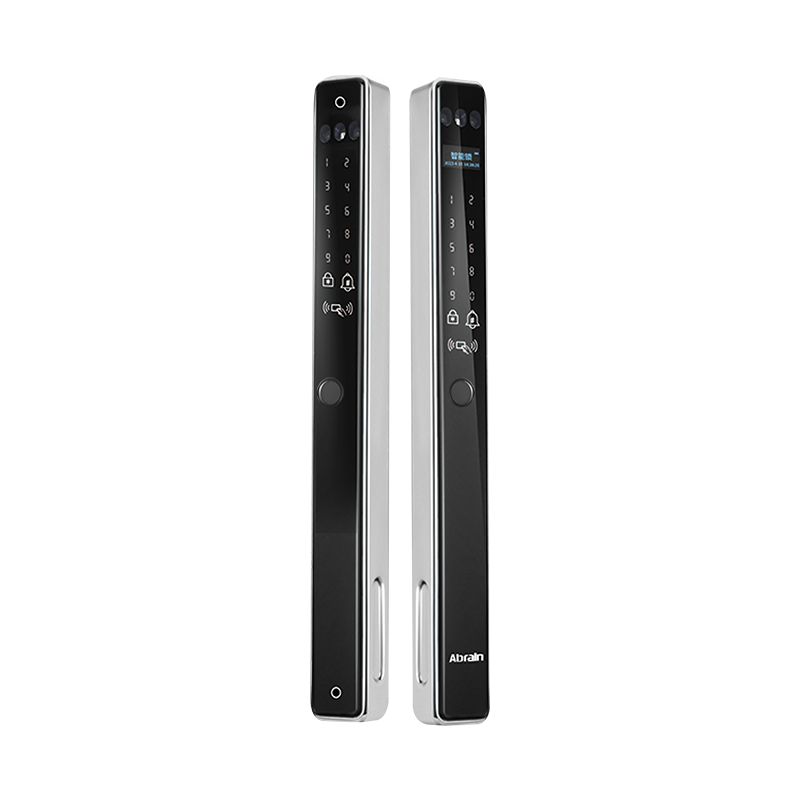
What Types of Double-Sided Fingerprint Locks Are There?
Double-sided fingerprint locks can be categorized according to unlocking method integration and installation structure. Although all models feature biometric authentication on both sides, differences in configuration determine their application suitability.
By Unlocking Method Integration
Double-sided fingerprint locks combine fingerprint recognition with additional access methods. Common types include:
Fingerprint + PIN code models
These allow users to unlock via biometric verification or numeric password entry. They are frequently used in offices and rental apartments where temporary codes may be required.
Fingerprint + RFID card models
In this configuration, access cards are used alongside fingerprint authentication. This type is often selected in commercial settings where staff identification cards are already in use.
Multi-function smart models
These integrate fingerprint, PIN, RFID, mobile app control, and sometimes mechanical key backup. They are commonly installed in residential properties or managed buildings that require flexible access management.
The presence of multiple unlocking methods provides redundancy in case fingerprint recognition fails or when temporary authorization is needed.
By Installation and Structural Type
Double-sided fingerprint locks can also be classified based on their structural form:
Mortise-type locks
These are installed within the door body and connected to a standard mortise lock case. They are suitable for solid wooden or metal doors and are widely used in residential applications.
Rim-type (surface-mounted) locks
These are mounted on the surface of the door and are often used in retrofit projects where door modification is limited.
Glass door models
Specially designed for frameless glass doors, these models are common in office meeting rooms or commercial storefronts.
Each structural type addresses different door materials, thicknesses, and security requirements.
Why Are Double-Sided Fingerprint Locks Worth Buying?
The value of double-sided fingerprint locks lies in their ability to provide controlled two-way authentication, digital management functions, and compatibility with modern security expectations.
Enhanced Access Control
Unlike traditional locks that allow unrestricted exit from the interior side, double-sided fingerprint locks require identity verification in both directions. This feature is beneficial in situations such as:
Shared residential units
Equipment storage rooms
Research facilities
Managed office spaces
Requiring authentication on both sides helps:
Record entry and exit activity
Restrict unauthorized movement
Improve accountability in shared environments
This level of control is particularly relevant where property management or security oversight is necessary.
Reduced Dependence on Physical Keys
Physical keys can be lost, duplicated, or require replacement when tenants change. Double-sided fingerprint locks reduce reliance on mechanical keys by offering:
Biometric user registration
Temporary password creation
Access revocation through software management
In rental housing or co-living spaces, digital management simplifies tenant turnover without replacing the entire locking system.
Integration with Smart Systems
Many double-sided fingerprint locks are designed to connect with smart home or building management systems. Depending on the model, integration may include:
Mobile application control
Remote unlocking authorization
Access log review
Integration with alarm systems
These features support centralized management in residential complexes or commercial properties.
How Are Double-Sided Fingerprint Locks Designed?
The design of double-sided fingerprint locks combines mechanical locking components with electronic authentication modules. The engineering process focuses on structural durability, biometric accuracy, and electronic stability.
Mechanical Structure
The mechanical core typically includes:
Lock body (mortise or rim mechanism)
Deadbolt and latch system
Reinforced front and rear panels
Anti-pry structural features
Materials often used in the outer casing include:
Zinc alloy
Aluminum alloy
Stainless steel
These materials provide resistance to mechanical stress and daily wear. The internal transmission mechanism connects the motor to the locking bolt, allowing electronic control of mechanical movement.
Biometric and Electronic Components
Each side of the lock contains a fingerprint sensor connected to a central control board. The biometric module operates through:
Optical or semiconductor fingerprint scanning
Digital pattern recognition
Encrypted data storage within internal memory
Once a registered fingerprint is detected, the control board activates a motor to retract the bolt.
Power is typically supplied by:
Replaceable alkaline batteries
Rechargeable lithium battery packs
To prevent lockout situations, models include:
Low-battery warning alerts
Emergency mechanical key override
External power supply interface
Data Management and Security Measures
Data security is an important design consideration. Fingerprint data is usually stored locally in encrypted form. Administrative controls may allow:
Registration of multiple users
Deletion of individual profiles
Assignment of temporary access credentials
In commercial models, firmware may support software updates to maintain operational stability.
Recommended Products

Ready to Begin?
Product Categories
Contact Information
 Email: [email protected]
 Phone: +86-13575699186
 Address: No.135, Wanyu Road, Zhiying Industrial Zone, Yongkang City, Zhejiang Province, China.
QR Code
Copyright © Yongkang Ruian Lock Industry Co, Ltd. All rights reserved.
