
 русский
  Español
  عربى
عربى Industry News

GET A QUOTE
Are Double-Sided Fingerprint Locks a Practical Security Solution?
Double-sided fingerprint locks are a category of smart locking systems that allow biometric authentication from both the exterior and interior sides of a door. Unlike conventional smart locks that typically require fingerprint verification only on the outside, this design integrates fingerprint sensors on both panels. Such systems are increasingly used in residential properties, shared apartments, offices, and certain commercial spaces where controlled two-way access is required.
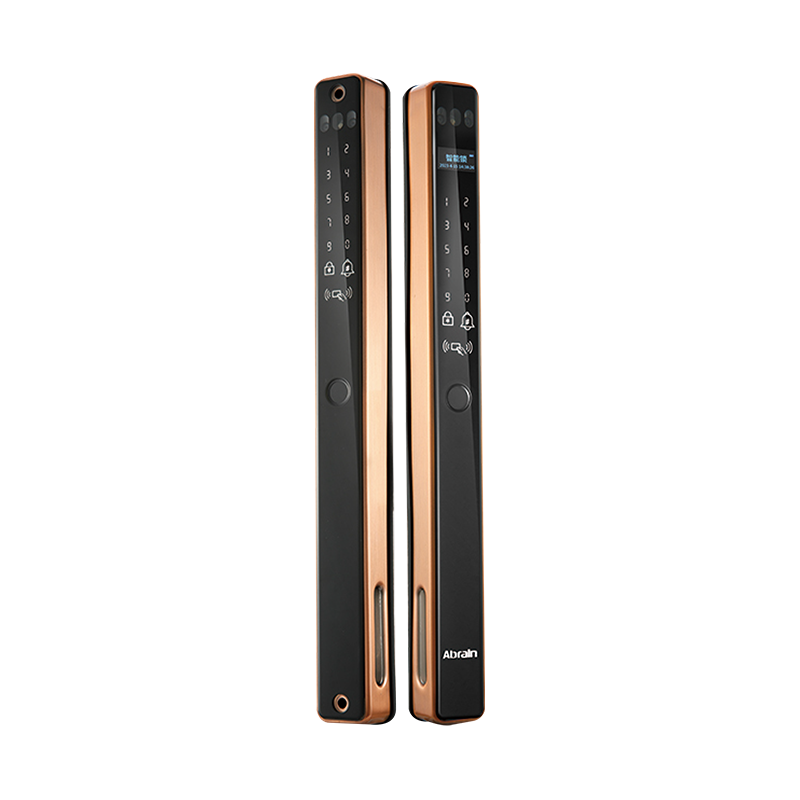
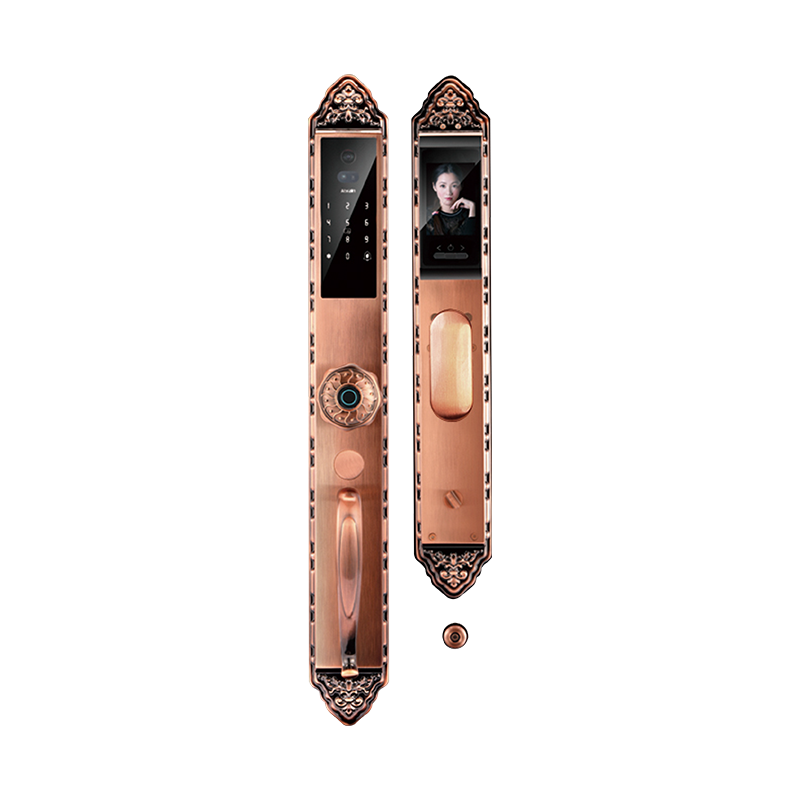
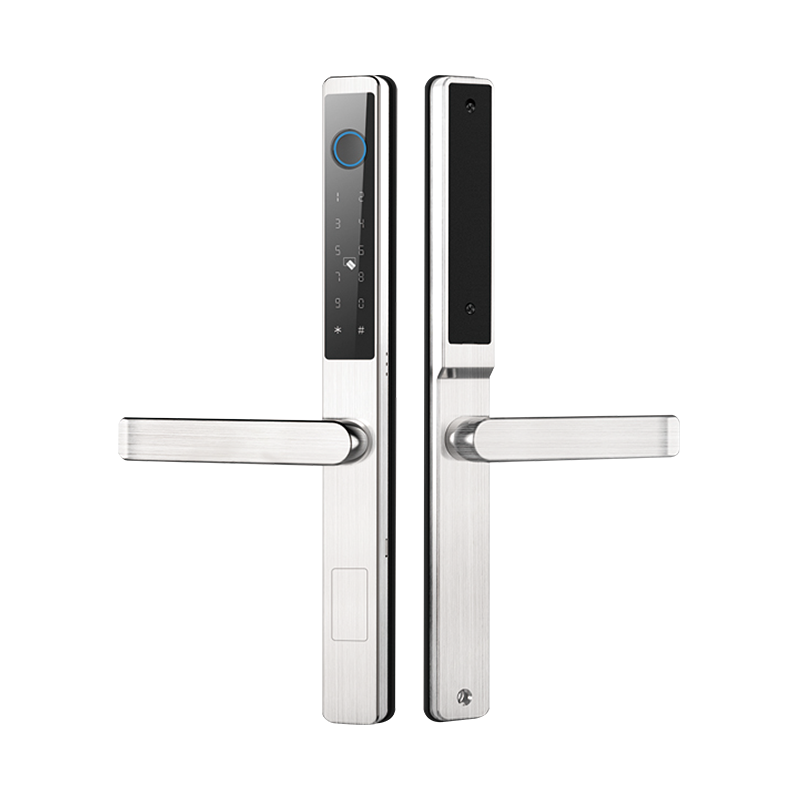
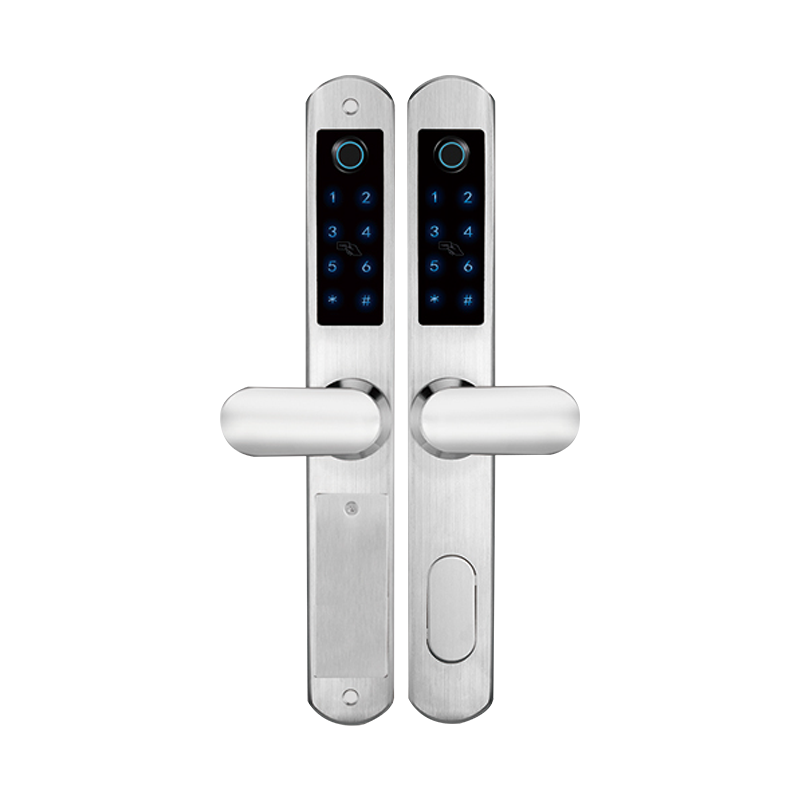
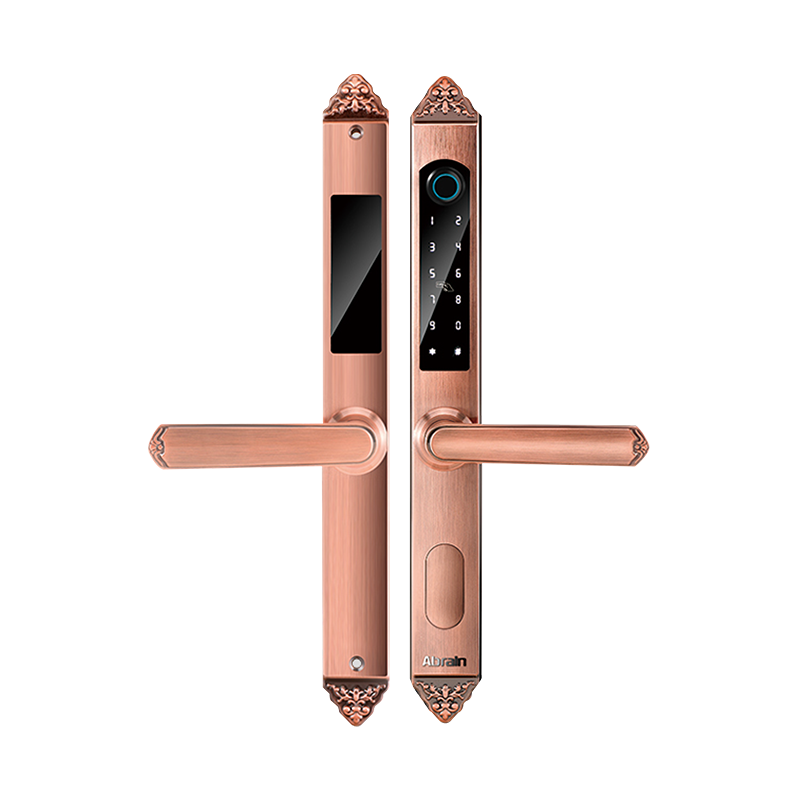
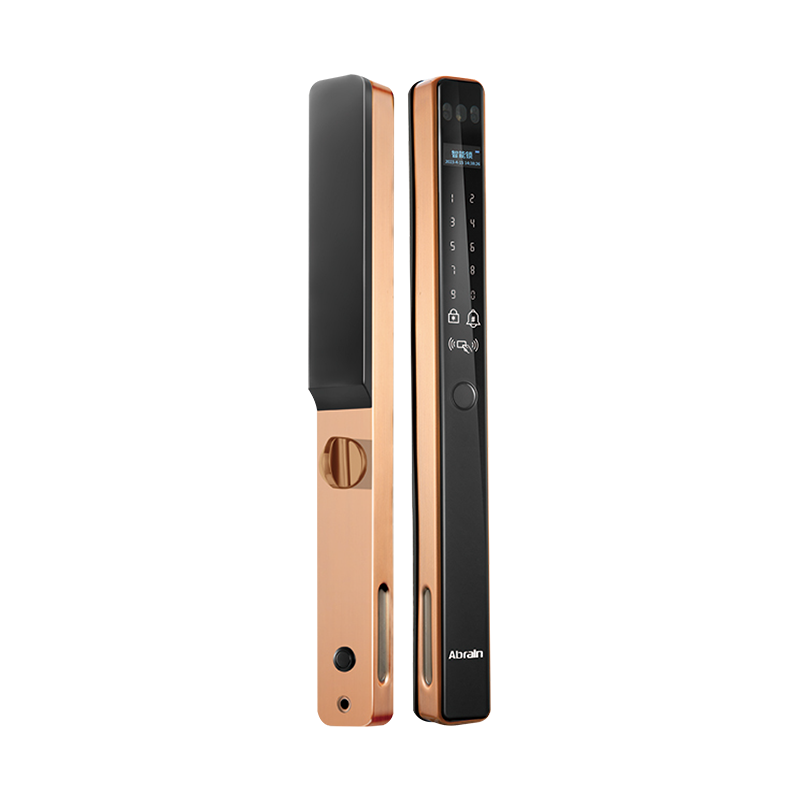
Double-Sided Fingerprint Lock
Structural Design and Working Principle
A double-sided fingerprint lock combines mechanical locking components with electronic biometric modules installed on both sides of the door. The system typically includes:
Exterior fingerprint sensor and keypad
Interior fingerprint sensor or touch panel
Motorized lock body
Control circuit board
Battery compartment
Emergency mechanical key override
When a registered fingerprint is placed on either sensor, the biometric module scans and compares the fingerprint pattern to stored data in the internal memory. If authentication is successful, the motor drives the locking mechanism to retract the latch or deadbolt.
This design is often selected in environments where exit control is also necessary, such as:
Rental apartments
Office meeting rooms
Laboratory or equipment storage rooms
Shared accommodation units
Unlike traditional locks that allow free exit from the inside, double-sided fingerprint locks require authentication on both sides, providing stricter access control.
Functional Features and Application Scenarios
Double-sided fingerprint locks often integrate additional digital functions beyond biometric identification. These may include:
PIN code entry
RFID card access
Temporary digital passwords
Mobile application connectivity
Access record storage
Common application scenarios involve situations where both entry and exit must be logged or restricted. For example:
In shared offices, management may wish to record entry and exit times.
In co-living spaces, access may be limited to registered residents only.
In certain storage areas, two-way authentication ensures authorized usage.
From a hardware perspective, these locks are typically constructed from materials such as zinc alloy, aluminum alloy, or stainless steel to ensure structural strength. The electronic components are powered by replaceable batteries, often supported by low-battery warning systems and emergency power supply interfaces.
What Are the Problems with Double-Sided Fingerprint Locks?
Although double-sided fingerprint locks provide enhanced access control, they also present certain operational and technical challenges. These issues should be considered during product selection and installation.
Power Dependency and Battery Management
One of the primary concerns with electronic locks is their dependence on battery power. Double-sided fingerprint locks require energy to operate both biometric modules and the internal motor.
Potential problems include:
Battery depletion bring about temporary inaccessibility
Failure to notice low-battery alerts
Increased power consumption due to dual sensors
Although models provide emergency mechanical keys or external power ports, users must maintain regular battery replacement schedules. In high-traffic environments, battery drain may occur more quickly.
Fingerprint Recognition Limitations
Biometric identification systems depend on accurate fingerprint scanning. However, recognition performance can be influenced by:
Wet or dirty fingers
Worn fingerprints due to manual labor
Sensor surface contamination
Environmental temperature variations
If authentication fails repeatedly, users may experience inconvenience or delays. While alternative unlocking methods such as PIN codes are usually available, reliance on fingerprint recognition alone may create operational inefficiencies in certain conditions.
Installation and Door Compatibility
Double-sided fingerprint locks require precise installation to ensure mechanical alignment and sensor positioning. Challenges may include:
Door thickness limitations
Alignment of the motorized lock body
Wiring connection between front and rear panels
Compatibility with existing door structures
Improper installation can bring about:
Incomplete latch retraction
Increased mechanical wear
Electronic malfunction
Professional installation is often recommended, especially for commercial projects.
Security and Data Management Concerns
As with other electronic access systems, data management raises certain concerns. Fingerprint data is typically stored locally within the device, but improper configuration may result in:
Unauthorized registration of fingerprints
Difficulty deleting old user profiles
Data loss after system reset
In shared or rental properties, access management procedures must be clearly defined to prevent misuse. Additionally, firmware updates may be necessary to maintain system stability.
Recommended Products

Ready to Begin?
Product Categories
Contact Information
 Email: [email protected]
 Phone: +86-13575699186
 Address: No.135, Wanyu Road, Zhiying Industrial Zone, Yongkang City, Zhejiang Province, China.
QR Code
Copyright © Yongkang Ruian Lock Industry Co, Ltd. All rights reserved.
