русский
 Español
 عربى
Industry News
HOME / NEWS / Industry News / Why Is Biometric Authentication Becoming Important for Smart Handle Lock For Door Manufacturers?

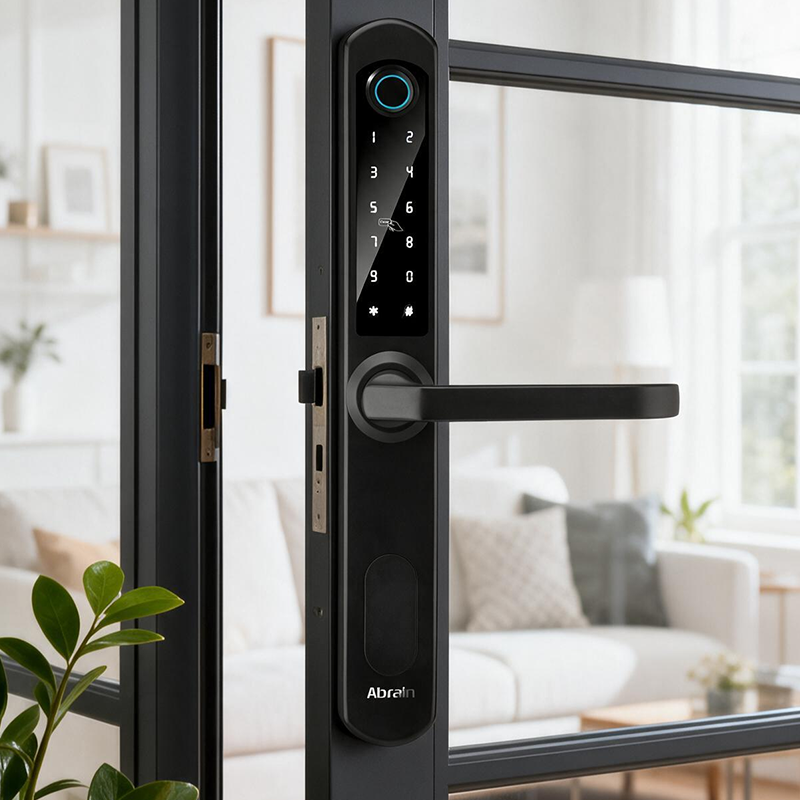
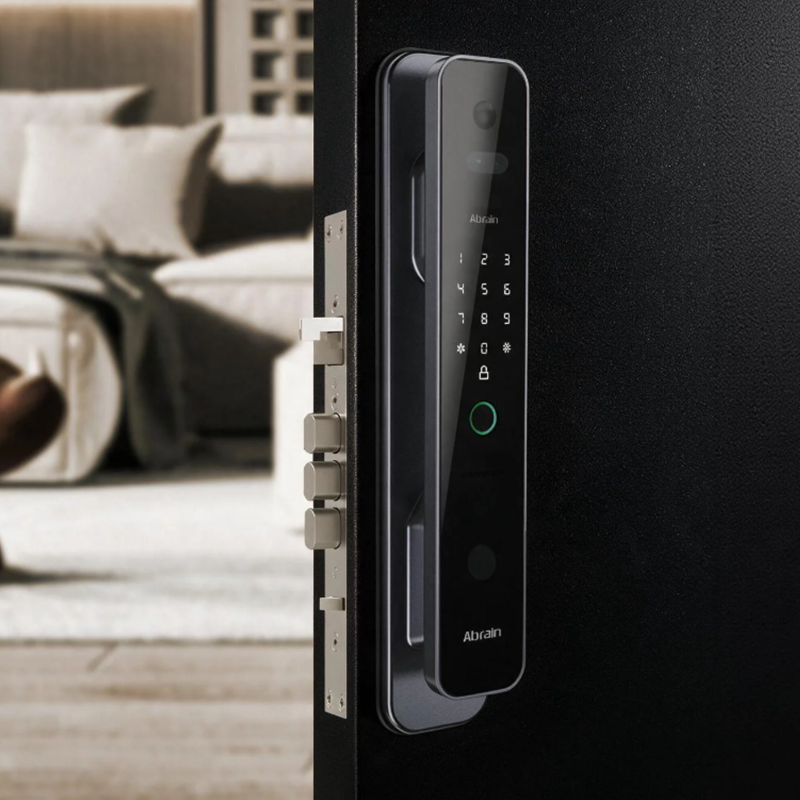
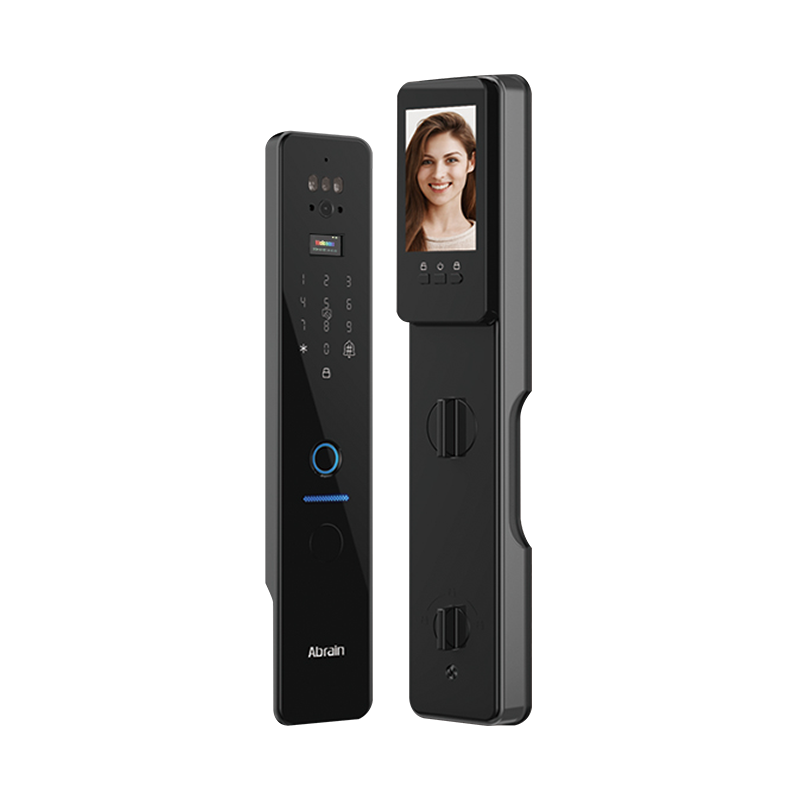
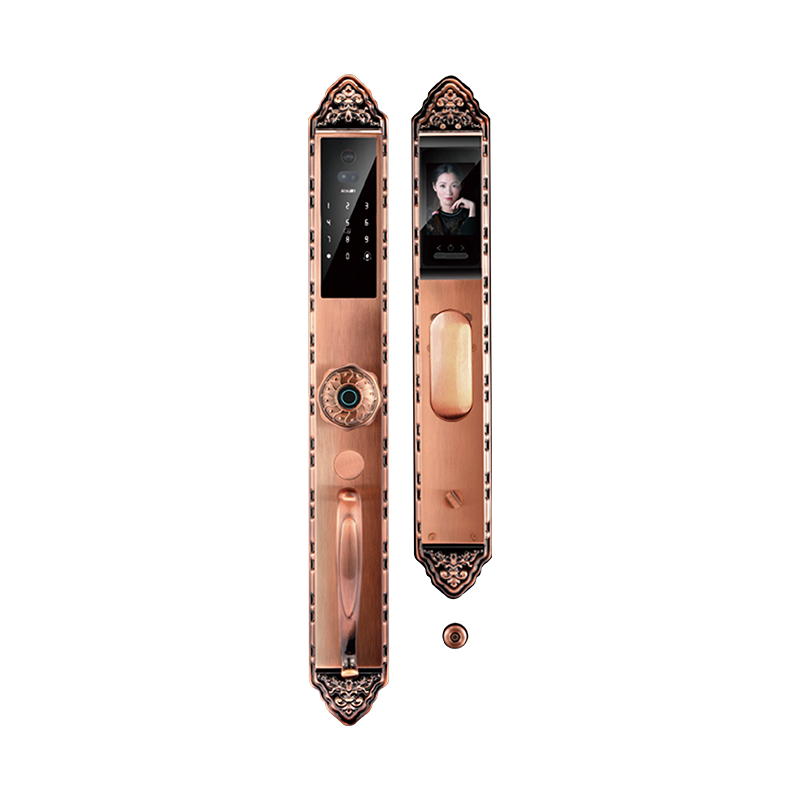
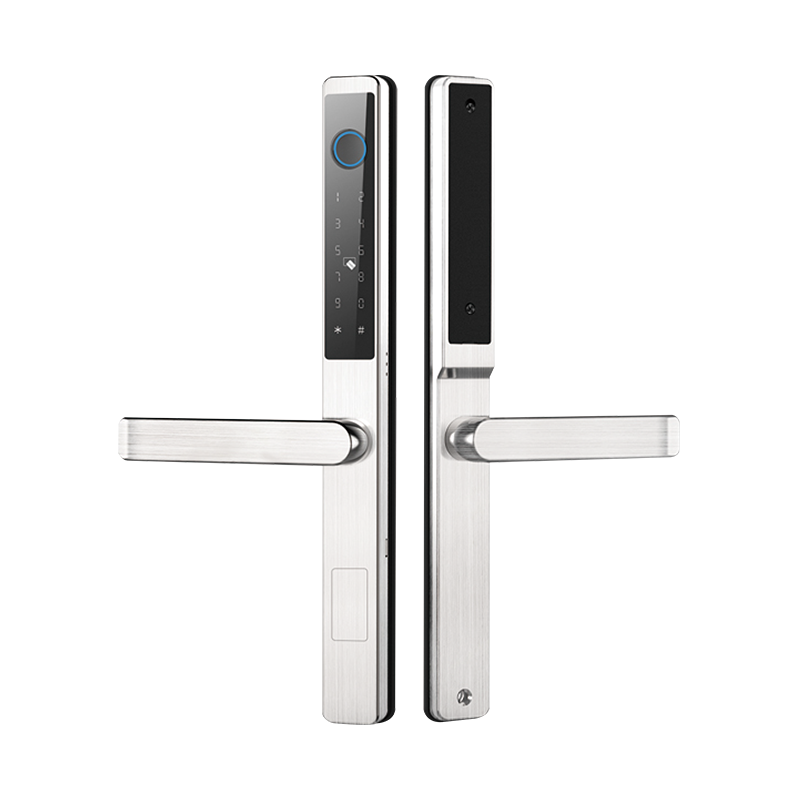
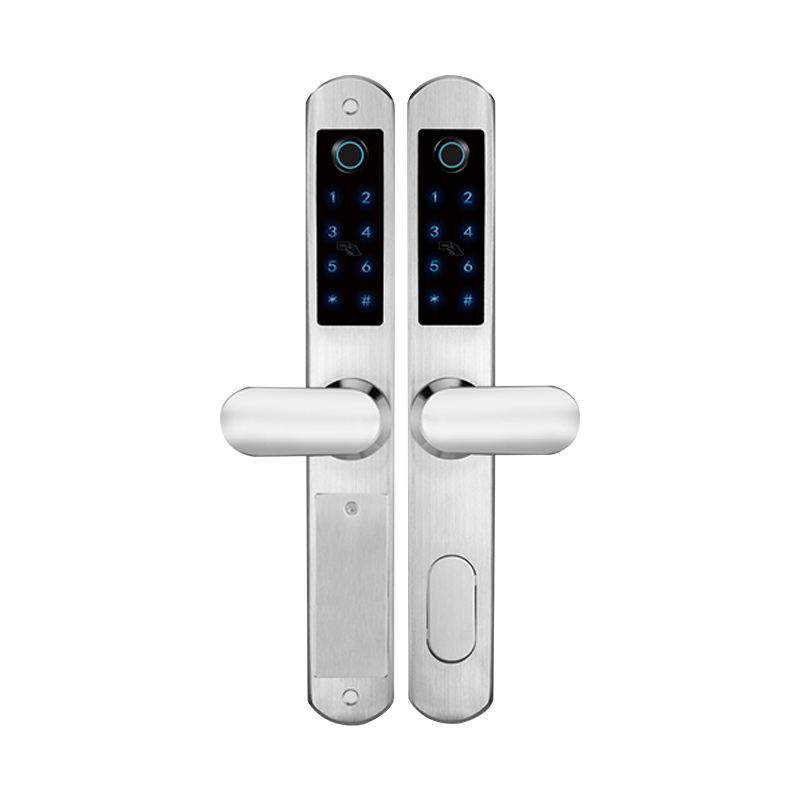
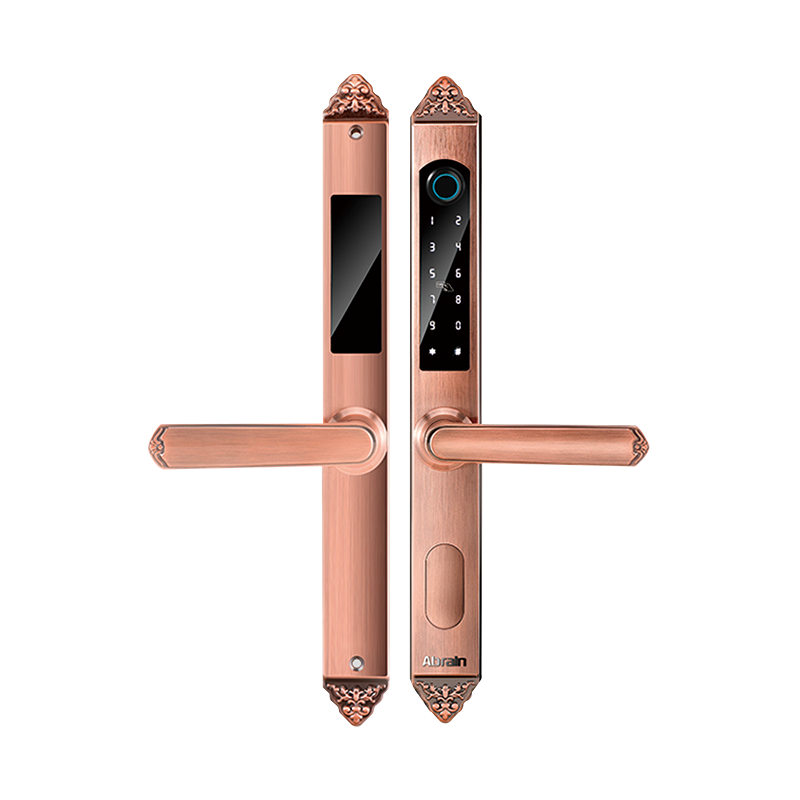
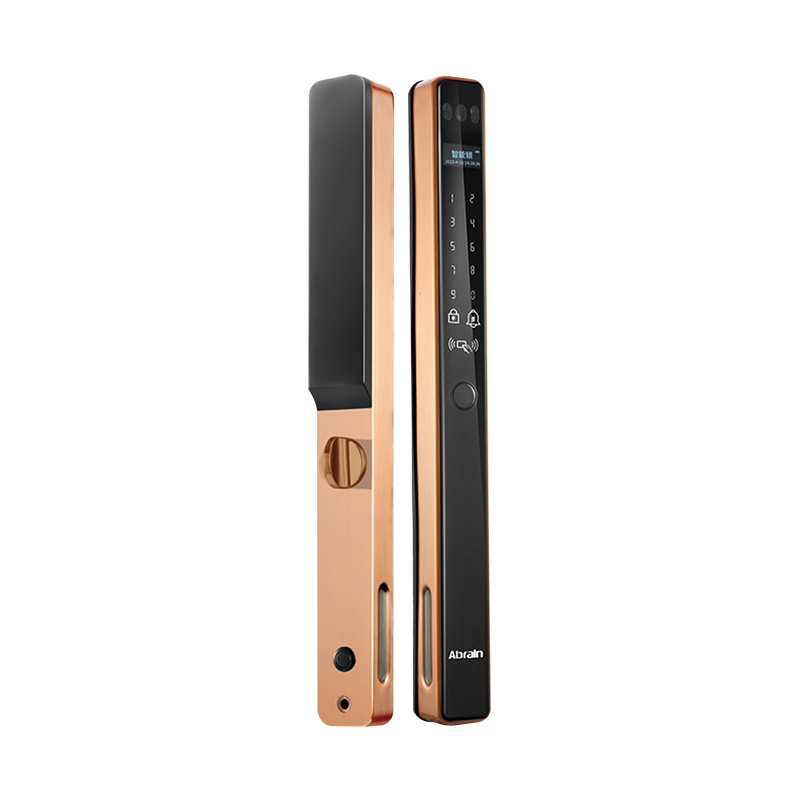
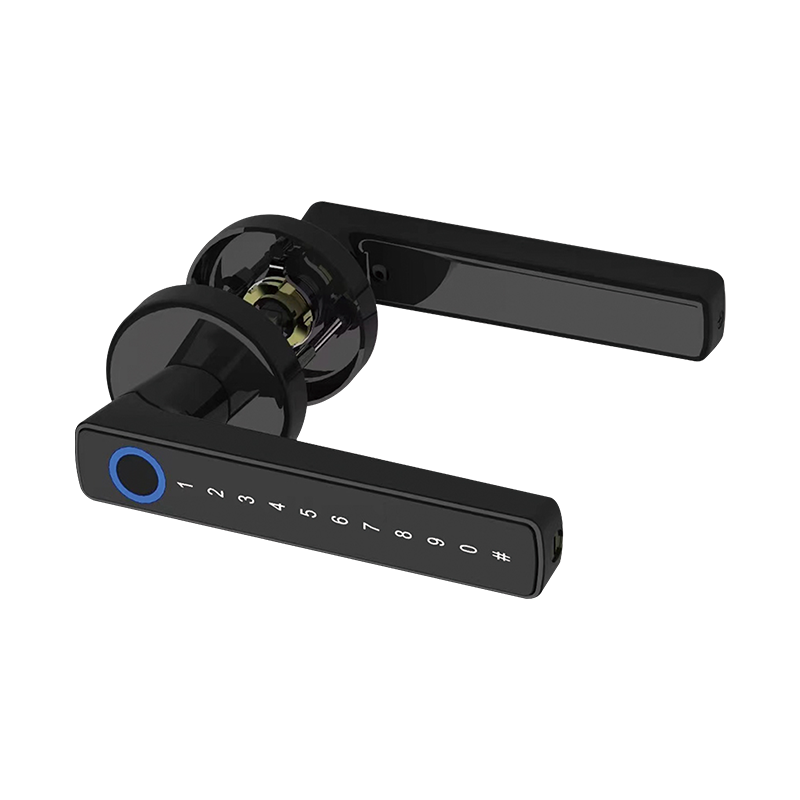
Fingerprint access is no longer limited to high-end security products. It is now a feature found in residential smart locks, hotel door systems and commercial access equipment. Instead of carrying a key or entering a PIN, users can unlock a door with a registered fingerprint.
For manufacturers of Smart Handle Lock For Door products, this adds another way to distinguish a product from conventional electronic locks. But fitting a fingerprint sensor into the handle is only part of the job. Recognition speed, power consumption, data protection and performance in everyday conditions all affect whether the feature works reliably.
Make Everyday Access More Convenient
Fingerprint recognition removes a few small inconveniences that come with traditional entry methods. Users do not have to search for their keys or remember a password. They simply place an enrolled finger on the sensor.
This can be useful in family homes, rental properties and workplaces where several people need regular access. Most systems allow multiple fingerprints to be registered, with administrators able to add or remove users as needed.
The enrollment process should be straightforward. Recognition also needs to work across different finger conditions. Dry skin, moisture, worn fingerprints and incorrect finger placement can all affect the result.
When a fingerprint is not recognized, the lock should provide clear feedback rather than leaving the user unsure what to do. A PIN code or another authorized entry method can prevent a minor recognition problem from becoming a lockout.
Give Different Users Their Own Access Permissions
A shared key or PIN does not always tell property managers who has entered. Fingerprint-based access links an enrolled credential to an individual user, making access permissions easier to manage.
In an office, employees can have their own registered fingerprints. In a household, different family members can use separate registrations. Hotels and rental properties may use fingerprint access alongside temporary PIN codes or mobile credentials, depending on their operating model.
However, fingerprint recognition should not be treated as complete identity verification on its own. The level of security depends on the sensor, recognition algorithm, enrollment process and protection against artificial fingerprint attempts.
Choose a Sensor That Fits the Product
The sensor affects recognition performance, manufacturing cost, power requirements and the physical design of the handle. Three common technologies are optical, capacitive and ultrasonic sensors.
| Sensor type | How it works | Main considerations |
|---|---|---|
| Optical | Uses light to capture a fingerprint image | Established technology; surface dirt can affect image quality |
| Capacitive | Detects electrical differences between fingerprint ridges and valleys | Compact and suitable for integrated electronic designs; needs careful signal processing |
| Ultrasonic | Uses sound waves to capture fingerprint details | Can capture detailed surface information, but integration is generally more complex and costly |
There is no single sensor that suits every lock. A manufacturer developing an economical residential model may have different priorities from one producing a premium commercial lock.
Testing should involve users with different fingerprint patterns and skin conditions. Sensor performance also needs to be checked at the intended installation locations and across the expected operating temperature range.
Make the Sensor Work With the Lock Electronics
A fingerprint sensor does not unlock a door by itself. It sends information to the processing module, which checks the fingerprint against stored templates. If the match is accepted, the controller activates the motor and locking mechanism.
Each part must respond without unnecessary delay. A slow controller can make an otherwise accurate sensor feel frustrating, while an unreliable motor can prevent the door from opening even after successful recognition.
Power use is another concern, especially for battery-operated handles. Manufacturers need to account for the sensor, processor and motor when estimating battery life. Fingerprint access should not create a maintenance problem through excessive power consumption.
The electronics should also work properly with other entry options, including PIN codes, RFID cards, mechanical keys and mobile applications.
Handle Fingerprint Data With Care
Unlike a password, a fingerprint cannot simply be replaced after it has been exposed. That makes biometric data protection an important part of lock design.
Manufacturers should avoid keeping unnecessary raw fingerprint images. Secure storage of biometric templates, encryption and restricted administrator permissions help reduce the risk of unauthorized access. There should also be a clear process for deleting user records when access is no longer required.
Other parts of the system need attention too. Firmware updates, internal debugging ports and communication between the sensor and controller can all affect security.
Requirements differ between markets, so manufacturers selling internationally should check the relevant privacy and data protection rules. Product documentation should explain where biometric data is stored, how it is processed and how users can have it deleted.
Test Recognition Beyond Ideal Conditions
A sensor may perform well during a demonstration but struggle in a dusty environment or with damp fingers. Smart locks are handled repeatedly, often by people with very different fingerprints and skin conditions. Testing only with a few clean, dry fingers will not reveal enough.
| Test condition | What to check |
|---|---|
| Wet fingers | Whether moisture affects recognition |
| Dry or worn fingerprints | Recognition across different skin conditions |
| Dust and surface contamination | Whether the sensor continues to work reliably |
| Temperature changes | Operating stability in different environments |
| Repeated use | Sensor durability over many authentication cycles |
| Artificial fingerprints | Resistance to spoofing attempts |
Manufacturers should also measure two important performance indicators: false acceptance rate (FAR) and false rejection rate (FRR). FAR measures how often an unauthorized fingerprint is accepted, while FRR measures how often a legitimate user is rejected.
Both matter. A very restrictive system may frustrate genuine users, while one that accepts too many unauthorized samples creates a security risk. Test results should always be considered alongside the conditions and user groups involved.
Keep a Backup Way to Unlock the Door
Fingerprint recognition should not be the only way into a property. A depleted battery, damaged sensor or unreadable fingerprint could leave an authorized user unable to enter.
Depending on the lock design, backup options may include a mechanical key, PIN code or emergency power interface. These methods need to be protected properly; an easy-to-defeat override can undermine the security of the entire lock.
Emergency exit arrangements also require attention, particularly for commercial buildings. The finished lock must meet the applicable building and fire-safety requirements.
Include Biometric Checks in OEM Quality Control
For OEM manufacturers, fingerprint performance needs to be checked during development and production, not just after the first prototype is assembled.
Inspections should cover sensor installation, recognition speed, enrollment, motor operation, battery consumption and electronic connections. Data storage and firmware security also need to be reviewed.
Buyers comparing suppliers should request sensor specifications, test records, information about firmware support and details of how biometric data is handled. Warranty terms and replacement-part availability are worth checking as well.
A fingerprint function may look like a small addition to a smart handle, but it involves the sensor, electronics, software and mechanical lock working together. Manufacturers that pay attention to all four are more likely to produce a lock that remains convenient and dependable after installation.

 Email: [email protected]
 Phone: +86-13575699186
 Address: No.135, Wanyu Road, Zhiying Industrial Zone, Yongkang City, Zhejiang Province, China.
QR Code
Copyright © Yongkang Ruian Lock Industry Co, Ltd. All rights reserved.