
 русский
  Español
  عربى
عربى Industry News

GET A QUOTE
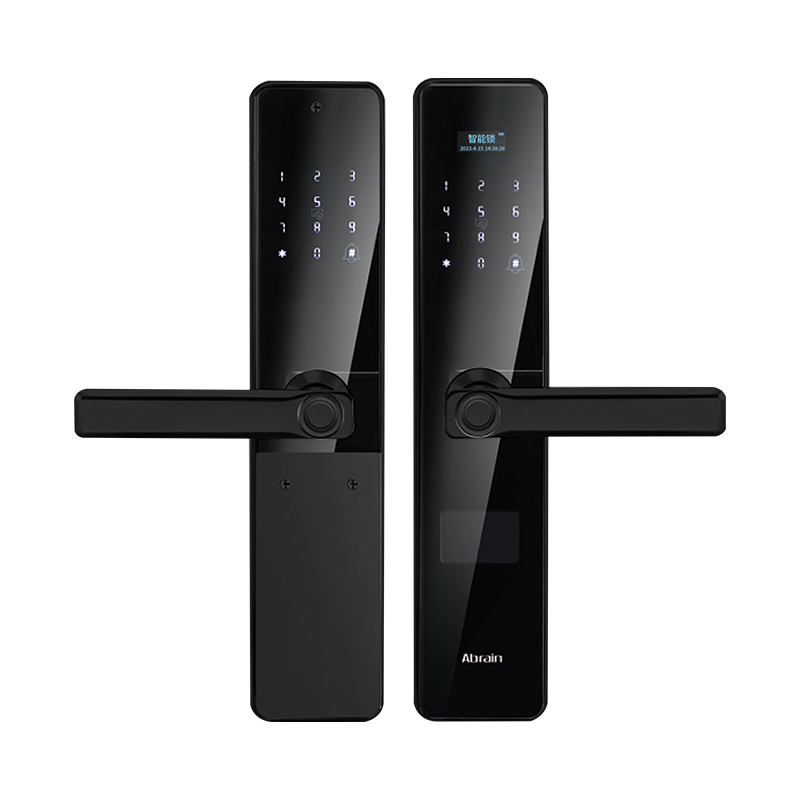
Securing the Entrance: Waterproof Smart Locks
The waterproof smart lock represents a convergence of electronic access control and physical durability, designed to withstand rain, humidity, temperature, and direct water exposure while maintaining reliable operation. As these devices become more common on exterior doors, potential buyers and current owners frequently seek clarification on their capabilities, limitations, and maintenance requirements.
What Does "Waterproof" Actually Mean for a Smart Lock?
The term "waterproof" is often used broadly in marketing, but for smart locks, it refers to specific, measurable standards of protection against moisture ingress. Understanding these ratings helps set realistic expectations for performance.
Ingress Protection (IP) Ratings: Many reputable manufacturers specify an IP rating for their waterproof smart locks. This two-digit international standard defines the level of sealing effectiveness.
The digit indicates protection against solid objects (like dust). For outdoor locks, a rating of 5 or 6 is common, meaning the lock is dust-protected or dust-tight.
The second digit indicates protection against liquids. For waterproof models, this typically ranges from 4 to 6. An IP54 rating means protection against water splashed from any direction. An IP65 rating means protection against low-pressure water jets from any direction, which is more robust for exposed installations.
A lock rated IP66 or IP67 can withstand powerful water jets or even temporary immersion, though such ratings are less common due to the difficulty of sealing the exterior interface where the user touches the lock.
Limitations of Waterproofing: An IP rating applies to the locked unit when properly installed. It does not mean the lock can be operated underwater or that it will survive prolonged direct spraying from a pressure washer. The user interface, particularly a fingerprint sensor or touchscreen, remains vulnerable during operation because the user must touch it, potentially introducing moisture at the moment of use.
Installation Dependency: The waterproof integrity of the lock depends heavily on correct installation. The included mounting gasket, which seals between the lock and the door surface, must be properly positioned. If the door surface is uneven or the gasket is compressed unevenly, water can penetrate behind the lock and potentially enter the door itself or find its way into interior components.
How Do Waterproof Smart Locks Authenticate Users in Wet Conditions?
One of the primary technical challenges for outdoor smart locks is maintaining accurate user identification when the interface is wet, a situation that commonly occurs during rain or in high-humidity environments.
Fingerprint Sensor Technology
The method of fingerprint reading significantly affects performance in wet conditions.
Optical sensors work by capturing a visual image of the fingerprint. Water on the finger or the sensor surface can refract light and distort the image, bring about recognition failures. These sensors are generally less suitable for outdoor use unless combined with specialized coatings or algorithms.
Capacitive sensors use electrical currents to detect the ridges and valleys of a fingerprint. Water is conductive and can interfere with the electrical field, potentially causing misreads. However, many modern capacitive sensors incorporate algorithms that can distinguish between water and fingerprint patterns. Some manufacturers use radio frequency (RF) capacitive sensors, which read the live layer of skin beneath the surface and are less affected by surface moisture or skin conditions.
Sensor coatings play a role. Some locks use sensors with oleophobic and hydrophobic coatings, similar to smartphone screens, that cause water to bead up and slide off rather than forming a continuous film that interferes with reading.
Alternative Authentication Methods
Because biometric sensors can struggle in sustained rain, many waterproof smart locks provide redundant access methods.
RFID cards or fobs use radio frequencies that are unaffected by water on the card or the lock's reader. The reader itself must be sealed, but the presence of water on its surface does not impede communication with the card.
Mechanical key overrides remain a fundamental backup. A traditional key cylinder, properly sealed at its interface with the lock body, provides access that is completely independent of electronics or moisture on the interface.
Smartphone app control via Bluetooth or Wi-Fi allows the user to unlock without touching the exterior interface. The phone communicates with the lock electronically, so water on the lock's exterior does not affect operation.
What Maintenance Do Waterproof Smart Locks Require?
While designed for reduced maintenance compared to non-waterproof models, these locks still benefit from periodic attention to ensure longevity and reliable operation.
Battery Maintenance and Corrosion Prevention
Batteries are a common vulnerability in any outdoor electronic device.
Battery contacts should be inspected periodically for signs of corrosion. Even with sealed battery compartments, temperature changes can cause condensation inside the compartment.
Some users apply a thin film of dielectric grease to battery contacts to inhibit corrosion while maintaining electrical conductivity.
Batteries should be replaced at regular intervals rather than waiting for complete discharge, as leaking batteries can damage contacts and compartments.
High-quality alkaline or lithium batteries are recommended over generic brands, as they are less prone to leakage.
Physical Cleaning
The exterior surfaces require occasional cleaning to maintain appearance and function.
The area around the fingerprint sensor or keypad should be wiped clean of accumulated dirt, oils, and debris. A soft, damp cloth with mild soap is typically sufficient. Abrasive cleaners or solvents can damage protective coatings and seals.
The drainage channels, if present around the keypad or touchscreen, should be kept clear of debris to allow water to run off properly rather than pooling against seals.
The mounting gasket should be inspected annually for compression set or cracking. If the gasket has permanently compressed and no longer forms a tight seal, replacement may be necessary.
Mechanical Component Care
The latch and bolt mechanisms, while sealed from the exterior, still require attention.
The latch and strike plate area should be kept clean of debris that could interfere with proper engagement.
If the mechanism feels sticky or requires increased force, a dry lubricant such as graphite or PTFE spray may be applied to the latch bolt. Oil-based lubricants should be avoided as they attract dust and can gum up over time.
The alignment of the latch with the strike plate should be checked periodically. Misalignment, which can occur due to house settling or seasonal door movement, increases wear on the electronic drive mechanism.
How Are These Locks Powered, and What Happens During a Power Outage?
Power supply and fail-safe operation are critical considerations for any electronic lock, particularly one installed on a primary entrance door.
Primary Power Source
The vast majority of waterproof smart locks are battery-powered, using standard disposable cells.
Common configurations use 4 to 8 AA or AAA batteries, typically alkaline or lithium. Lithium batteries perform better in cold temperatures and have a longer shelf life.
Battery life varies with usage frequency, connection type (Wi-Fi consumes more power than Bluetooth), and temperature. Typical battery life ranges from six months to one year.
Locks provide low-battery warnings through app notifications, audible alerts, or indicator lights, typically giving several days to weeks of warning before complete failure.
Backup Power and Fail-Safe Features
Manufacturers incorporate several strategies to address power loss.
Physical key override is the universal and reliable backup. The key cylinder, typically located in the exterior escutcheon, allows entry regardless of battery status. Users should keep the physical key in an accessible location, not inside the house.
External battery terminals are a common feature. If the internal batteries are dead, a 9-volt battery can be pressed against contacts on the exterior to provide temporary power for unlocking. This requires the user to have a 9-volt battery available.
Low-voltage wiring is present in some models, allowing connection to an external transformer or existing doorbell wiring for continuous power, with batteries serving as backup. This is more common in new construction than retrofit installations.
Fail-Safe versus Fail-Secure Operation
Understanding the lock's default state during a complete electronic failure is important.
Fail-safe locks are designed to unlock when power is removed. This prioritizes easy egress but compromises security if the lock can be opened by cutting power.
Fail-secure locks remain locked when power is removed. This prioritizes security but requires a backup method (key or jump start) for entry.
Many residential smart locks are designed to remain operable from the interior regardless of power state, typically through a mechanical thumb turn, ensuring egress is always possible.
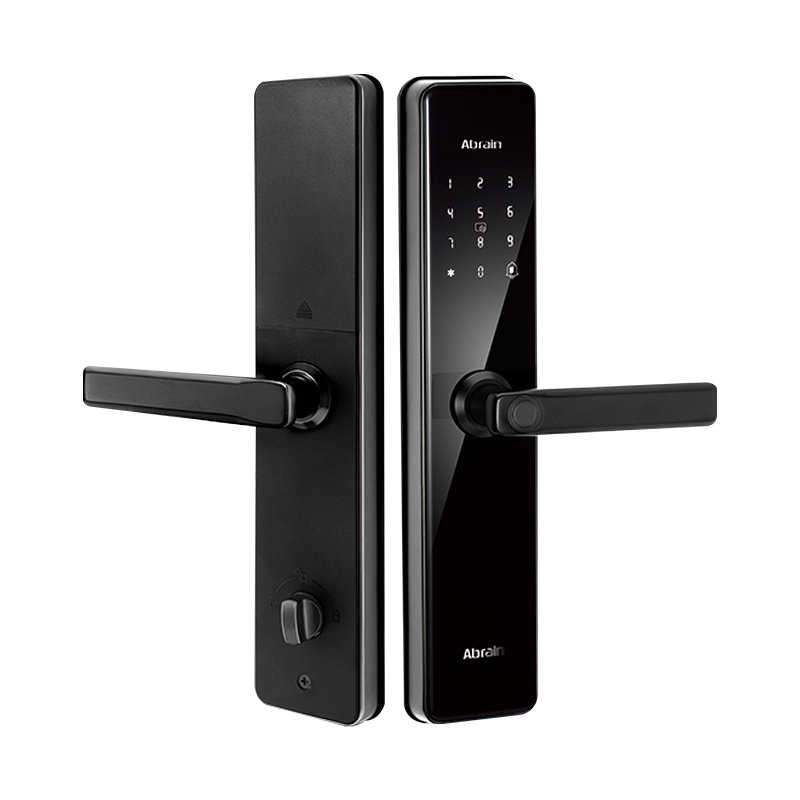
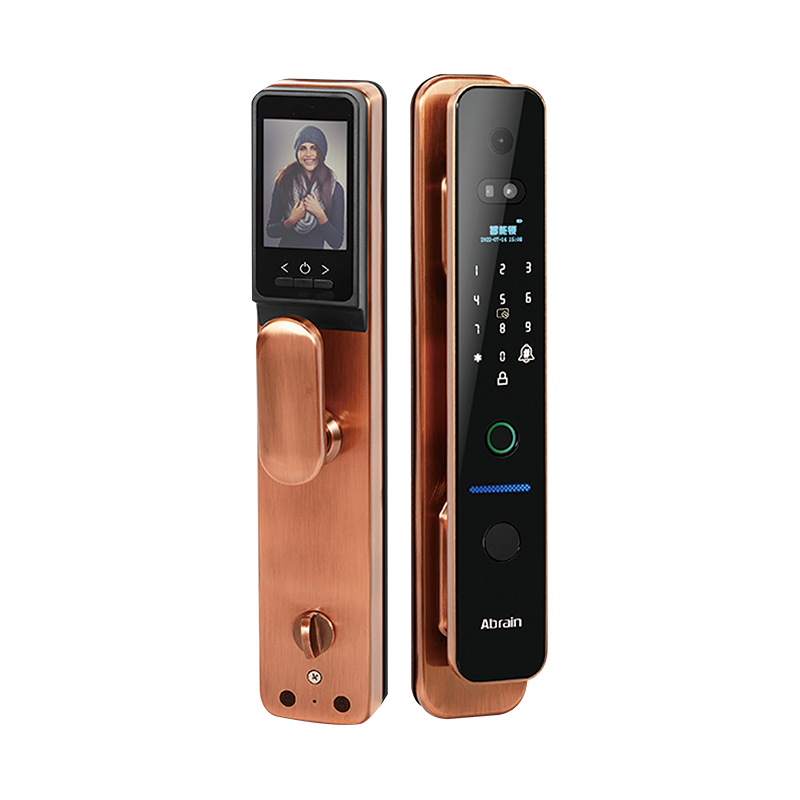
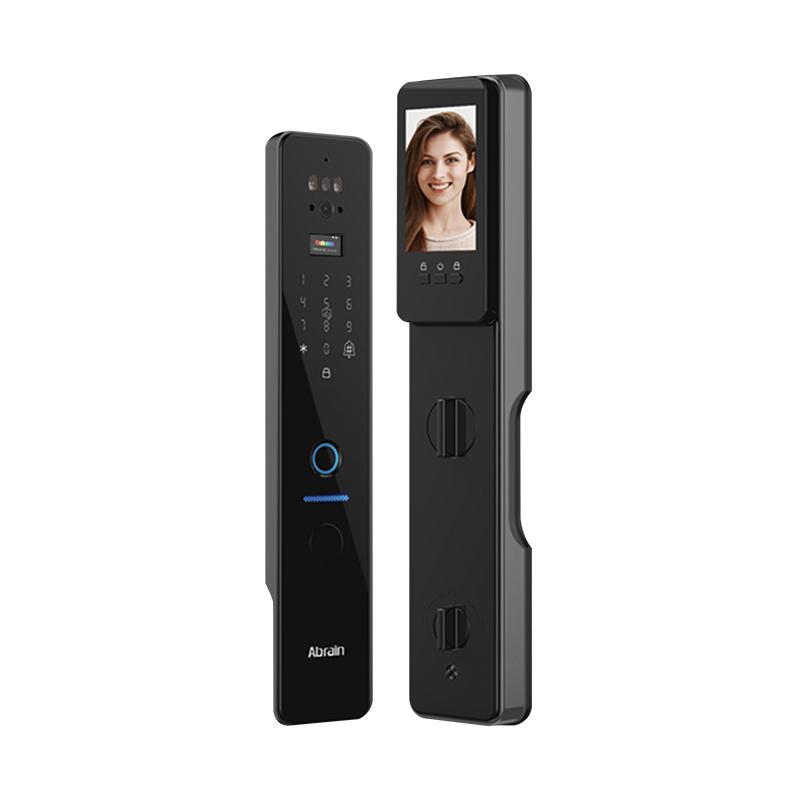
Recommended Products

Ready to Begin?
Product Categories
Contact Information
 Email: [email protected]
 Phone: +86-13575699186
 Address: No.135, Wanyu Road, Zhiying Industrial Zone, Yongkang City, Zhejiang Province, China.
QR Code
Copyright © Yongkang Ruian Lock Industry Co, Ltd. All rights reserved.
