русский
  Español
  عربى
عربى Industry News
HOME / NEWS / Industry News / Fully Automatic Stainless Steel Smart Locks:Advantages, and Limitations

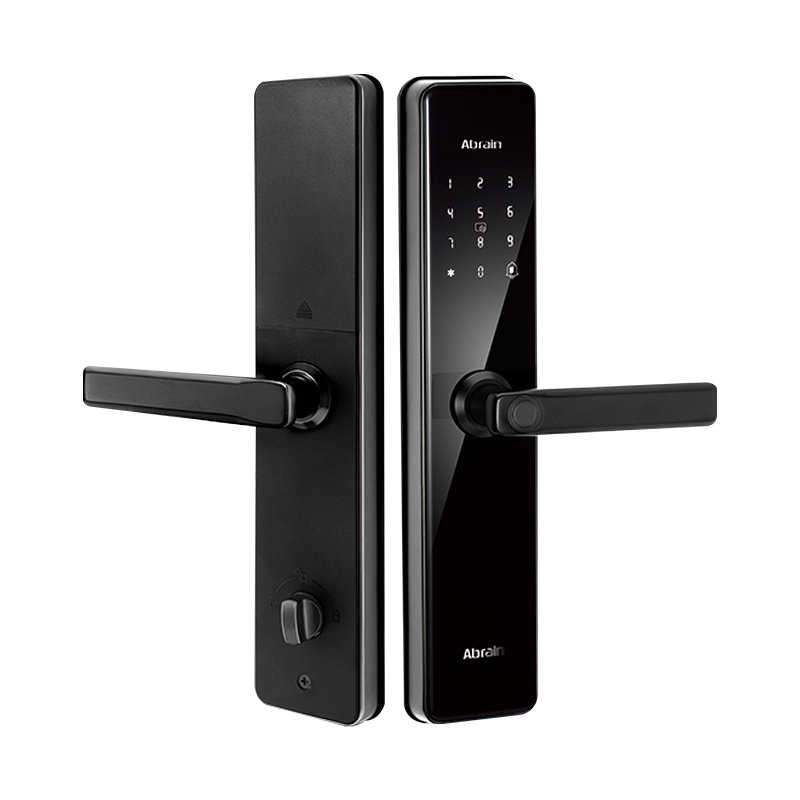
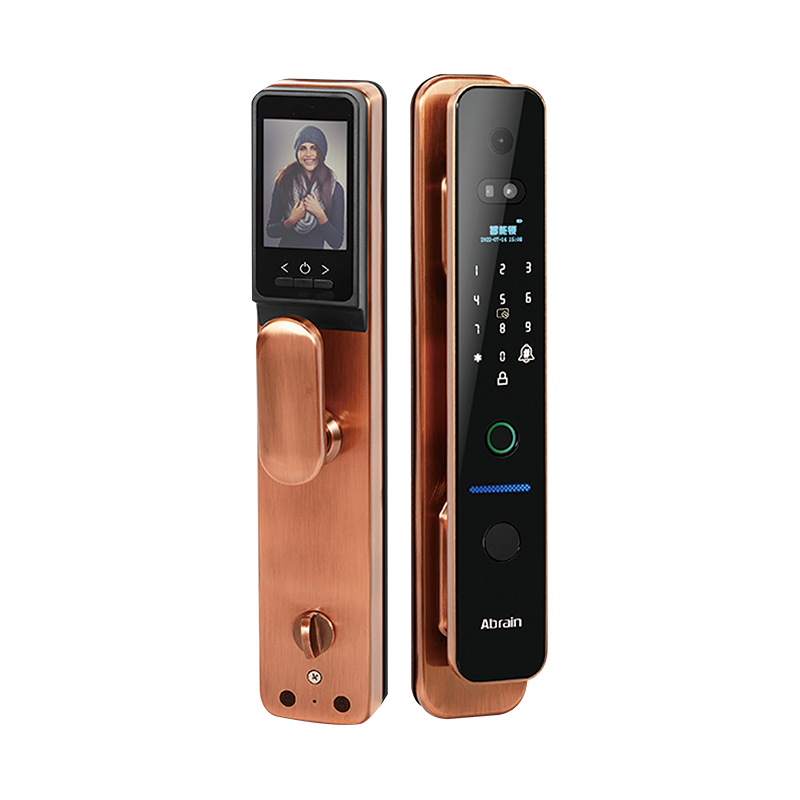
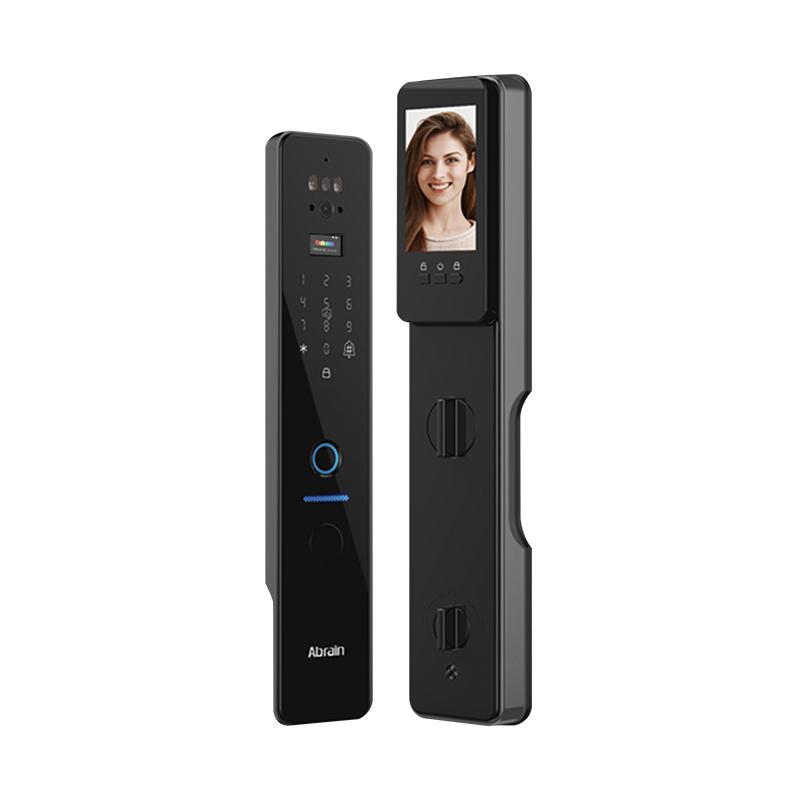
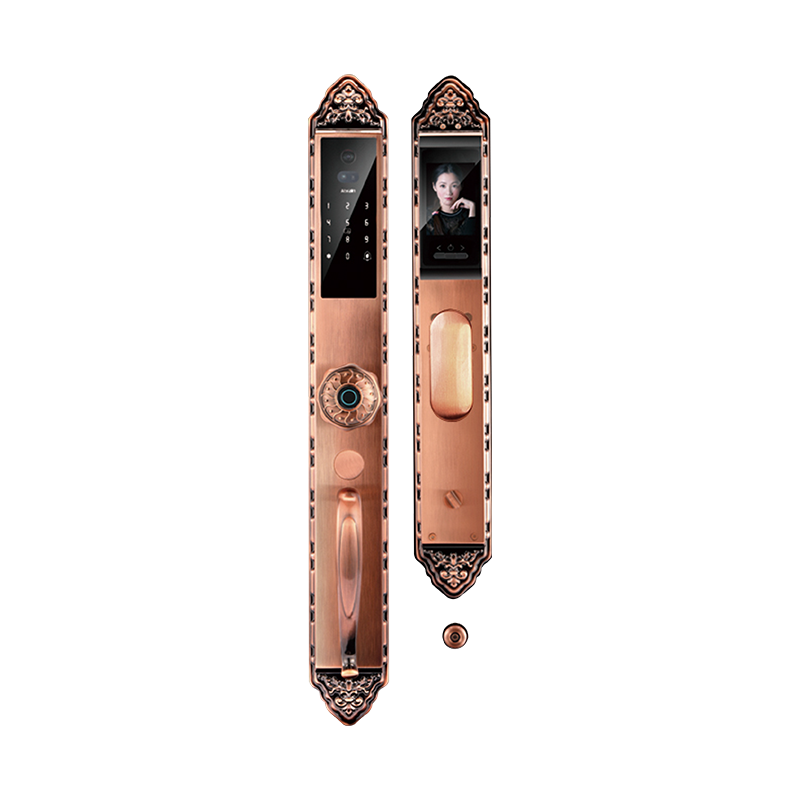
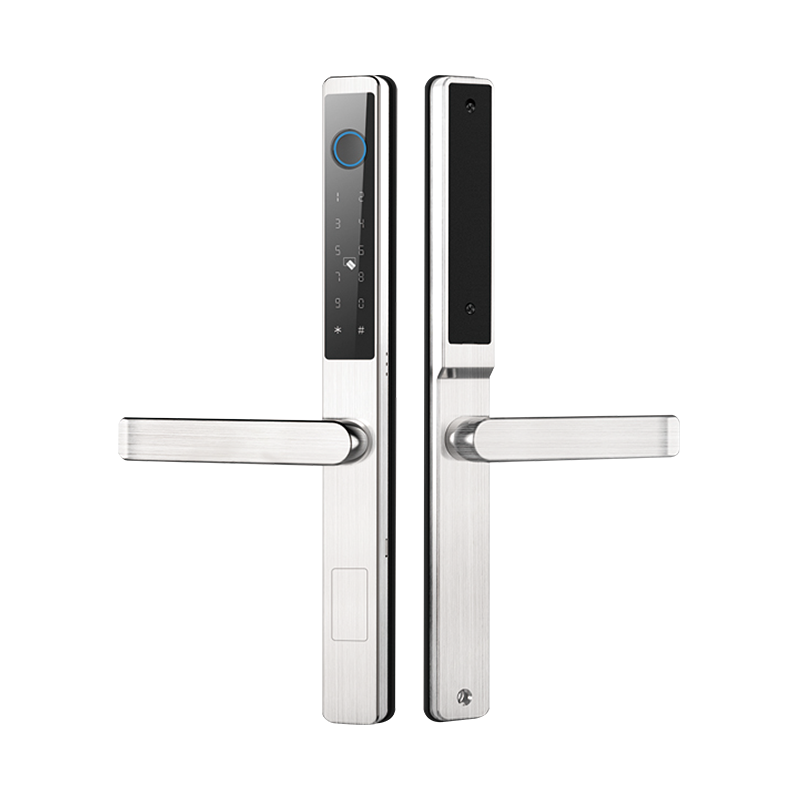
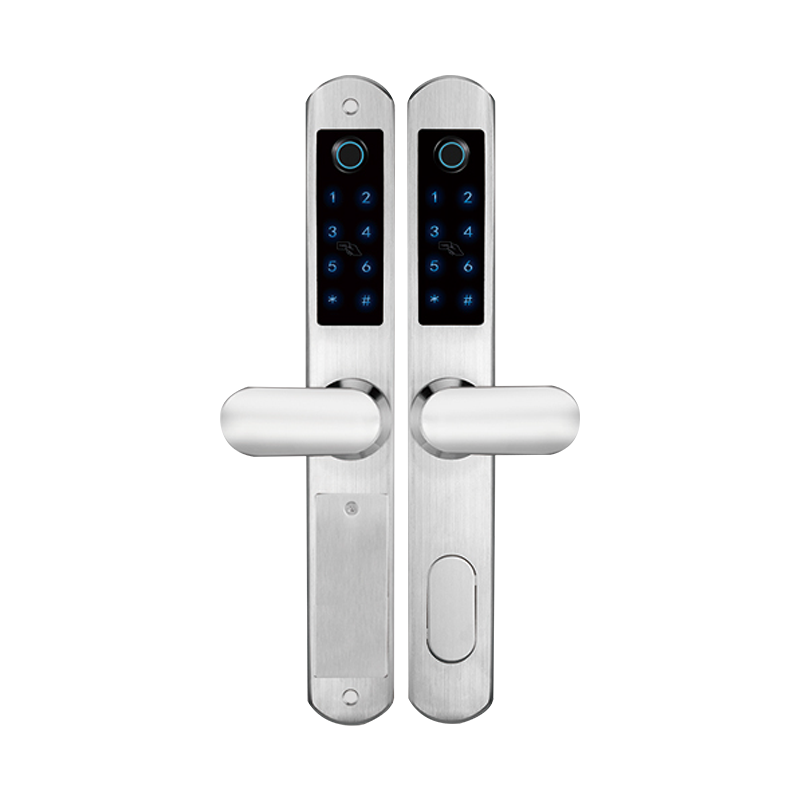
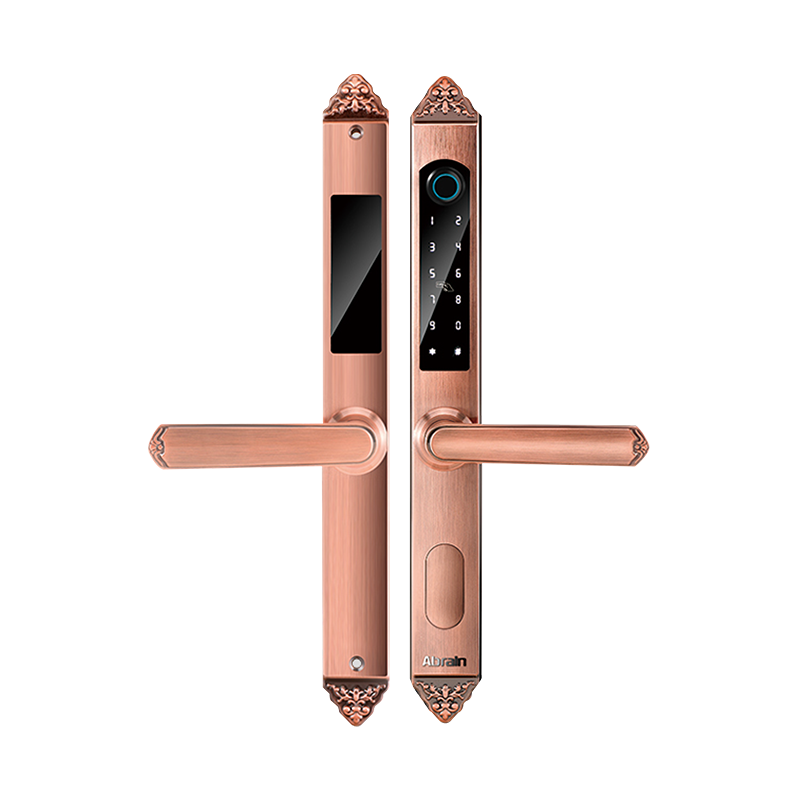
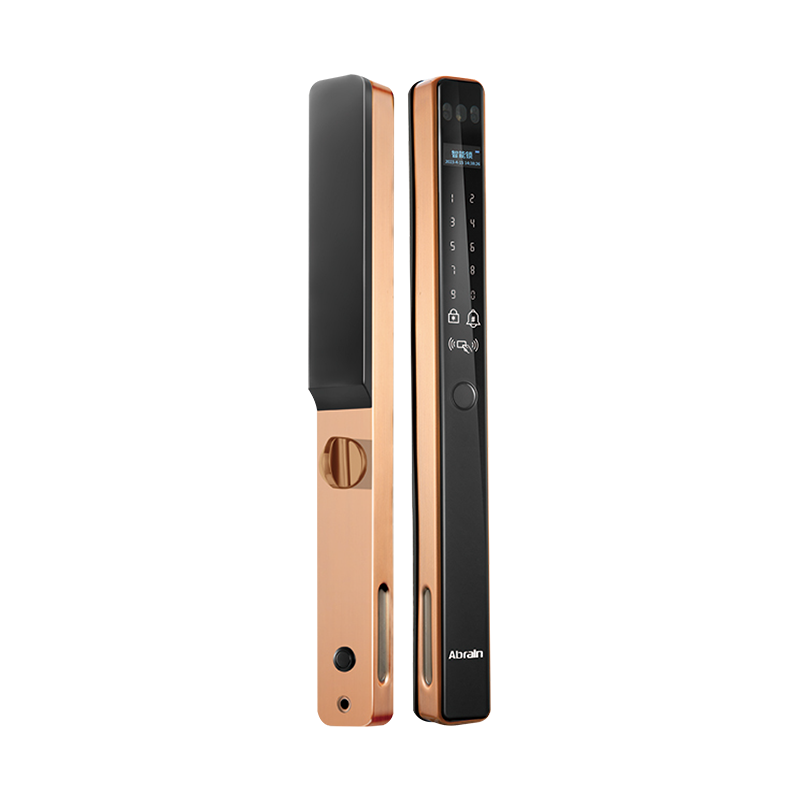
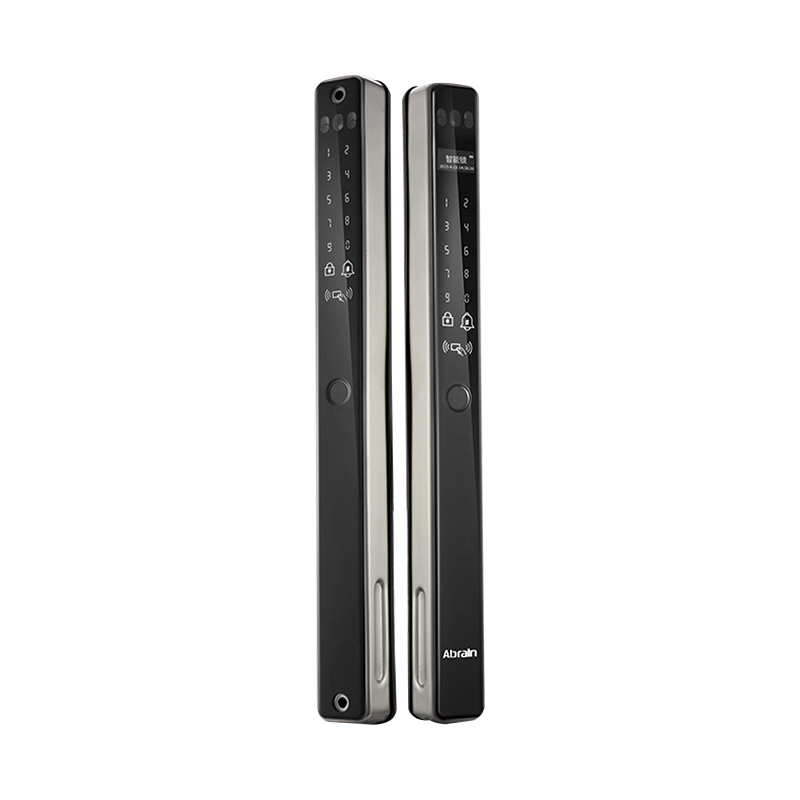
Fully automatic stainless steel smart locks have become common in residential and commercial security systems. They combine mechanical locking, electronic control, and biometric or digital verification to provide secure and convenient access. Stainless steel construction ensures durability, while full automation allows hands-free or remote operation. Proper application, understanding performance advantages, and awareness of potential limitations are essential for ensuring safety and long-term functionality.
Installation and Alignment Considerations
Proper installation is the foundation for safe and efficient operation of a fully automatic stainless steel smart lock. The lock must be installed on doors that meet manufacturer's specifications for thickness, weight, and alignment. Misaligned doors or improper mounting may cause the locking mechanism to jam or operate inconsistently.
During installation, the following points are important:
Ensure the door frame is level and secure.
Position the lock at the recommended height to align with the strike plate.
Verify that electronic components, including sensors and wiring, are properly connected.
Avoid forcing the lock mechanism during setup, as this may damage internal motors or gears.
After installation, perform a test cycle to confirm smooth automatic locking and unlocking. Check that all access methods, such as fingerprint sensors, keypads, or Bluetooth connectivity, function correctly. Proper alignment and setup prevent operational issues, extend the lock’s life, and reduce maintenance needs.
Operational Guidelines and Security Measures
Using a fully automatic stainless steel smart lock requires attention to correct operating procedures and security management.
User Enrollment and Management
Only authorized individuals should have access to register fingerprints, codes, or digital keys. Regularly review access permissions to maintain security.
Environmental Conditions
Although stainless steel resists corrosion, the electronic components may be sensitive to heat, humidity, or exposure to water. Ensure that the lock operates within the recommended environmental range.
Battery and Power Management
Maintain sufficient battery levels for uninterrupted operation. Use recommended batteries and test backup power systems periodically.
Emergency Access
Keep backup keys or override methods available in case of battery failure or system malfunction. Ensure all users are aware of emergency procedures.
Following these operational guidelines enhances security, prevents lockout situations, and maintains smooth functionality.
Maintenance and Routine Inspection
Regular maintenance ensures the fully automatic stainless steel smart lock continues to operate reliably and safely. Key considerations include:
Cleaning
Wipe the exterior surface with a soft cloth. Avoid abrasive cleaners that could damage stainless steel or electronic components.
Component Inspection
Periodically check for wear in moving parts, including latches, bolts, and motor assemblies. Inspect seals and gaskets to prevent moisture ingress.
Firmware and Software Updates
If the lock supports digital updates, ensure that firmware is current to maintain security and operational efficiency.
Battery Replacement
Replace batteries before depletion and test backup power systems. Low voltage can affect sensor accuracy and motor function.
Routine inspection reduces the likelihood of operational failure, prolongs service life, and ensures consistent security performance.
Performance Advantages of Fully Automatic Stainless Steel Smart Locks
Fully automatic stainless steel smart locks offer several operational and functional benefits:
Convenient Access
Users can unlock doors using fingerprints, keypads, Bluetooth, or mobile apps, reducing reliance on physical keys.
Enhanced Security
Electronic verification and automatic locking reduce the risk of unauthorized entry. Multiple access methods provide redundancy in emergencies.
Durability
Stainless steel construction resists corrosion, physical impact, and environmental wear, supporting long-term use.
Integration Capabilities
Many smart locks can integrate with home automation or security systems, allowing remote monitoring, logging of access, and notifications.
These advantages make fully automatic stainless steel smart locks practical for residential and commercial applications.
Performance Disadvantages of Fully Automatic Stainless Steel Smart Locks
Despite their advantages, these locks also have limitations:
Dependence on Power
Electronic components require batteries or external power. A depleted battery may prevent operation without backup solutions.
Technical Sensitivity
Temperatures, moisture, or dust can affect sensors and electronic circuits, leading to potential malfunctions.
Maintenance Requirements
Routine checks, firmware updates, and battery replacements are necessary. Neglecting maintenance can reduce reliability and safety.
Higher Initial Cost
Compared with traditional mechanical locks, fully automatic smart locks require a larger investment and may need professional installation.
Understanding these disadvantages allows users to implement preventive measures, such as maintaining power supply, environmental controls, and regular maintenance schedules.

 Email: [email protected]
 Phone: +86-13575699186
 Address: No.135, Wanyu Road, Zhiying Industrial Zone, Yongkang City, Zhejiang Province, China.
QR Code
Copyright © Yongkang Ruian Lock Industry Co, Ltd. All rights reserved.