
 русский
  Español
  عربى
عربى Industry News

GET A QUOTE
How Buyers Compare Smart Lock Compatibility by Door Type
A bulk order of smart locks that arrives only to fail on half the doors in a building is one of the more expensive mistakes a distributor or installer can make, and it usually traces back to one overlooked detail rather than a defective product. Anyone placing a Wholesale Smart Lock order across a mixed property portfolio, where wooden residential doors sit alongside metal framed office entries, runs into this risk the moment door type gets treated as an afterthought rather than a starting point for selection. Matching lock compatibility to door construction before placing an order prevents the kind of installation failures that turn a straightforward bulk purchase into a costly reordering cycle. Property portfolios rarely consist of a single door type, which is exactly where compatibility planning tends to break down. A distributor servicing residential developments alongside commercial leasing offices, or an installer working across renovated older buildings and newer construction, ends up managing several door categories within the same purchase order. Treating that variety as a single sourcing problem, rather than several related ones, is usually where mismatches start.
What Determines Whether a Smart Lock Fits a Given Door?
A smart lock is an electronic locking system that replaces or supplements a mechanical cylinder with access methods such as fingerprint recognition, numeric codes, or app based control. Underneath that electronic layer, however, every smart lock still depends on a mechanical lock body that has to physically match the door it gets installed into.
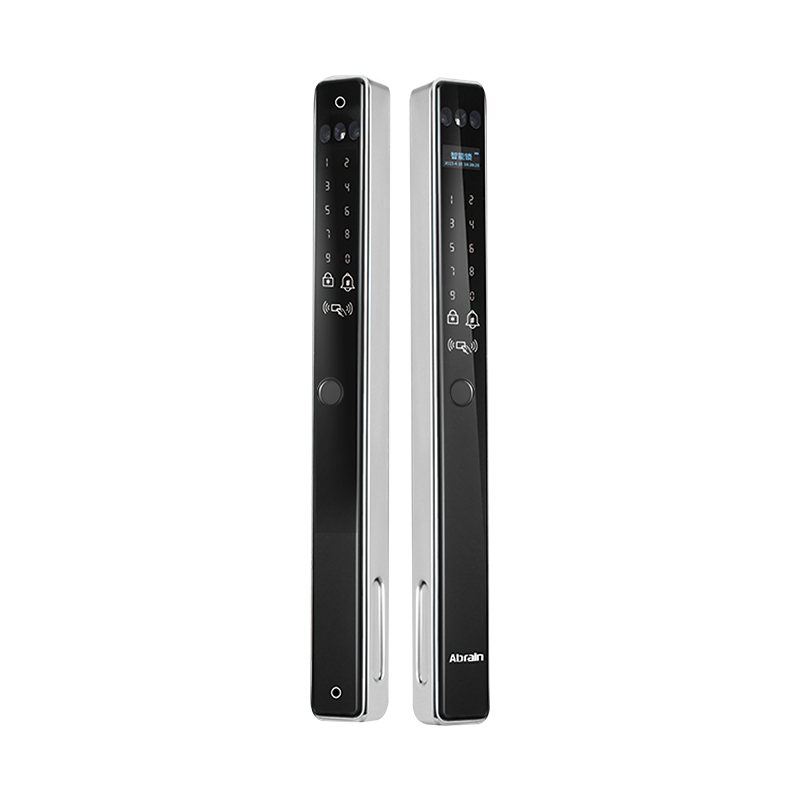
Three factors decide whether that match succeeds:
- Door thickness, since lock bodies are built around a specific thickness range
- Door material, which affects how the lock mounts and how securely it holds
- Mounting structure, including backset distance and existing hardware cutouts
Overlooking any one of these factors is what typically causes a lock that performs well in a showroom to fail once it reaches an actual installation site.
Why Does Door Type Change Smart Lock Compatibility So Much?
Doors are not interchangeable surfaces, and the differences between them go well beyond appearance. A wooden residential door, a glass paneled office entry, and a fire rated metal door each impose different mechanical demands on the lock body trying to fit inside them.
Thickness varies considerably between these categories, and a lock designed around a narrower profile will not seat correctly in a thicker door without an extension kit, if one is even available. Material adds another layer of complexity, since wood allows for screw mounted fixation in ways that metal or reinforced doors often do not, requiring a different mounting approach entirely.
Glass paneled and composite doors introduce a further variation that buyers sometimes overlook entirely. These door types frequently rely on specialized frame mounted hardware rather than the bore and latch configuration common to wood and metal doors, which means a lock model suited to standard residential or office construction may not transfer over to glass entryways without a separate hardware kit designed specifically for that purpose.
Smart Lock for Wooden Door Applications Carry Their Own Considerations
Installing this type of lock on a wooden door generally relies on screw fixation directly into the door material, which works well as long as the wood has not warped, swelled from moisture, or developed soft spots near the bore hole. This installation method remains common across residential properties precisely because wood accepts standard mounting hardware without additional reinforcement.
Security considerations differ here as well. Wooden doors paired with a smart lock benefit from reinforced strike plates and properly fitted deadbolt components, since the door material itself offers less resistance to forced entry than metal alternatives. Buyers sourcing for residential portfolios should confirm that the lock body accounts for natural variation in wood thickness across different door batches.
What Should Buyers Confirm When Sourcing a Smart Lock for Home Door Use?
A Smart Lock for Home Door deployment generally balances convenience against security in a way that differs from commercial settings, since residential users prioritize quick daily access alongside dependable protection. Typical installation types in this category include single point deadbolt replacement and full lock body retrofits on existing residential doors.
Buyers should confirm a few details before ordering for residential use:
- Whether the lock supports the door thickness range common across the target housing stock
- Whether installation can be completed without specialized tools
- Whether backup access methods exist in case of power failure or component malfunction
These confirmations matter more in bulk residential orders than in single unit retail sales, since a mismatch discovered after delivery affects an entire batch rather than one household.
Smart Lock for Office Door Requirements Differ From Residential Use
A smart lock for office door installation typically needs to support access control requirements that residential locks were never designed to handle, including multi user permission management and activity logging across shared entry points. Office environments also frequently involve heavier door construction, including metal frames and fire rated assemblies, which changes the mounting approach entirely compared with a wooden residential door.
Higher security protocols come into play as well, since commercial properties often require integration with broader building access systems rather than functioning as a standalone unit. A buyer sourcing for office deployment needs to confirm that the lock supports administrative features such as scheduled access windows and remote permission updates, features that residential focused models may not include at all.
How Do Home, Office, and Wooden Door Locks Compare?
Laying these three categories side by side makes the underlying compatibility logic easier to apply across a mixed procurement order.
| Door Type | Typical Lock Profile | Key Requirement |
|---|---|---|
| Wooden Door | Standard residential lock body | Reliable screw fixation, moisture tolerance |
| Home Door | Balanced convenience and security model | Easy installation, backup access method |
| Office Door | Commercial grade access control unit | Multi user permissions, heavier hardware compatibility |
Reviewing requirements through this lens before finalizing an order helps buyers avoid the common error of treating every door in a property portfolio as a candidate for the same lock model.
How Should Buyers Evaluate Smart Lock Compatibility Before Ordering?
A structured evaluation process catches mismatches before they become installation failures, particularly important when ordering across multiple properties or door types at once.
- Measuring actual door thickness rather than relying on standard assumptions
- Confirming lock body size against the cutout or bore configuration already present
- Verifying mounting method compatibility with the door material involved
- Checking power supply type and confirming backup options for each installation site
Working through this checklist with a supplier before placing an order tends to surface compatibility issues early, when they are inexpensive to correct, rather than after delivery when correction means reordering.
How Does Power Supply Affect Compatibility Across Door Types?
Power source is frequently treated as a secondary detail behind mechanical fit, though it carries its own compatibility implications depending on door type and installation environment. Battery powered locks remain the common choice for both residential and office applications because they avoid running wiring through the door itself, a process that can be difficult on solid wood or reinforced metal doors alike.
Office installations sometimes call for hardwired or hybrid power configurations when the lock needs to integrate with a building wide access control system, since battery only units may not support continuous network connectivity the way a wired connection does. Buyers planning for office deployment should confirm whether the property already has wiring infrastructure in place or whether installation will need to account for that separately.
Connectivity protocol matters as well, particularly for office buyers managing locks across many doors from a centralized system. Confirming that a lock model supports the network protocol already used elsewhere in a building avoids ending up with hardware that functions correctly as a standalone unit but cannot be managed alongside the rest of an access control deployment.
Wholesale Smart Lock Sourcing Differs From Single Unit Purchasing
Ordering at Wholesale Smart Lock volume introduces planning considerations that single unit retail purchasing simply does not involve. Pricing structures shift with volume, and batch consistency across an entire order becomes far more important when dozens or hundreds of units are headed toward different door types across a property portfolio.
SKU planning matters considerably at this scale. Rather than ordering one universal lock model and hoping it fits every door, experienced buyers segment their order across wooden, residential, and office appropriate models based on the property mix they are actually servicing. This approach reduces returns and installation callbacks compared with a single SKU strategy applied indiscriminately.
Reorder cycles also behave differently at wholesale volume. A supplier capable of maintaining consistent specifications across repeat orders saves buyers from having to re verify compatibility every time a new batch arrives, whereas inconsistent batch quality forces a distributor to treat every shipment as a fresh compatibility check rather than a routine reorder.
What Does a Smart Lock Factory Offer Beyond Standard Catalog Products?
Working directly with this kind of manufacturing partner opens up customization options that a standard distributor catalog usually does not include. Branding customization allows a distributor or property management company to apply its own identity to the hardware rather than reselling a generic product line.
Fingerprint module options, app integration customization, and access control feature sets can also be adjusted at the factory level to match specific market requirements, whether that means a residential focused feature set for a housing developer or a commercial access control package for an office building operator. This level of customization is generally unavailable through standard wholesale channels that simply resell existing inventory without modification.
Common Mistakes Buyers Make When Matching Locks to Door Types
A handful of recurring errors account for a large share of installation failures reported after bulk smart lock orders arrive on site.
- Assuming one lock model suits every door type across a property portfolio
- Ignoring thickness variation between individual doors in the same building
- Ordering a smart lock for wooden door installation without checking for moisture related warping in older housing stock
- Skipping installation planning until hardware has already arrived on site
Each of these mistakes is avoidable with basic measurement and planning before an order ships, yet they remain common precisely because door type compatibility gets treated as a minor detail rather than a core part of the sourcing process.
How Does Door Type Affect Installation Labor and Scheduling?
Beyond the hardware itself, door type has a direct bearing on how long installation takes and how many technicians a job requires, a planning factor that often gets underestimated when ordering at scale. Wooden doors with standard bore configurations generally allow for faster installation, since the existing cutout already matches common lock body dimensions in many cases.
Office installations frequently take longer per unit, particularly when a lock needs to be configured for network connectivity and integrated into an existing access control system rather than simply mounted and left to operate independently. Scheduling enough technician time for this configuration step, rather than budgeting installation time as though every door were a simple residential swap, prevents project timelines from slipping once hardware reaches the site.
Buyers managing installation across a mixed property portfolio benefit from sequencing work by door type rather than by location, since grouping similar installations together lets technicians build familiarity with a given lock model rather than switching between configurations throughout the day.
Choosing a Reliable Smart Lock Partner Supports Better Door Coverage
Matching smart lock models to door type, rather than defaulting to a single product across an entire portfolio, remains a dependable way to avoid installation failures and unnecessary reordering. Wooden, residential, and office doors each impose different mechanical and security requirements, and a sourcing strategy that accounts for those differences from the start tends to produce far fewer compatibility complaints once hardware reaches installation sites. Yongkang Ruian Lock Industry Co, Ltd. operates as a Smart Lock Factory supporting buyers across these segmented requirements, offering compatibility documentation and customization options that help confirm fit across wooden, home, and office door categories before a bulk order is placed. Distributors and procurement teams working through a mixed property portfolio, or planning a new wholesale order across multiple door types, are welcome to share their specifications and request guidance on matching the right lock body to each installation site.
Recommended Products

Ready to Begin?
Product Categories
Contact Information
 Email: [email protected]
 Phone: +86-13575699186
 Address: No.135, Wanyu Road, Zhiying Industrial Zone, Yongkang City, Zhejiang Province, China.
QR Code
Copyright © Yongkang Ruian Lock Industry Co, Ltd. All rights reserved.
