
 русский
  Español
  عربى
عربى Industry News

GET A QUOTE
Smart Lock Maintenance Steps for Lasting Reliability
A smart lock that once unlocked instantly and read a fingerprint on the first try rarely loses that responsiveness overnight. The decline tends to creep in — a half-second delay here, a failed scan there, a battery that seems to drain faster than it used to — and by the time the problems are impossible to ignore, whatever caused them has usually been building for weeks already. Whether the unit in question is a Smart Lock for Home Door, an office entry system handling dozens of openings a day, or part of a larger property portfolio, the pattern tends to be the same. Stability isn't something a smart lock simply has from the factory and keeps forever. It depends heavily on how the thing gets maintained, installed, and used over time, and a bit of structure around that maintenance is usually what separates a lock that holds up for years from one that turns into a recurring headache within its first season.
Why Smart Locks Lose Stability Over Time
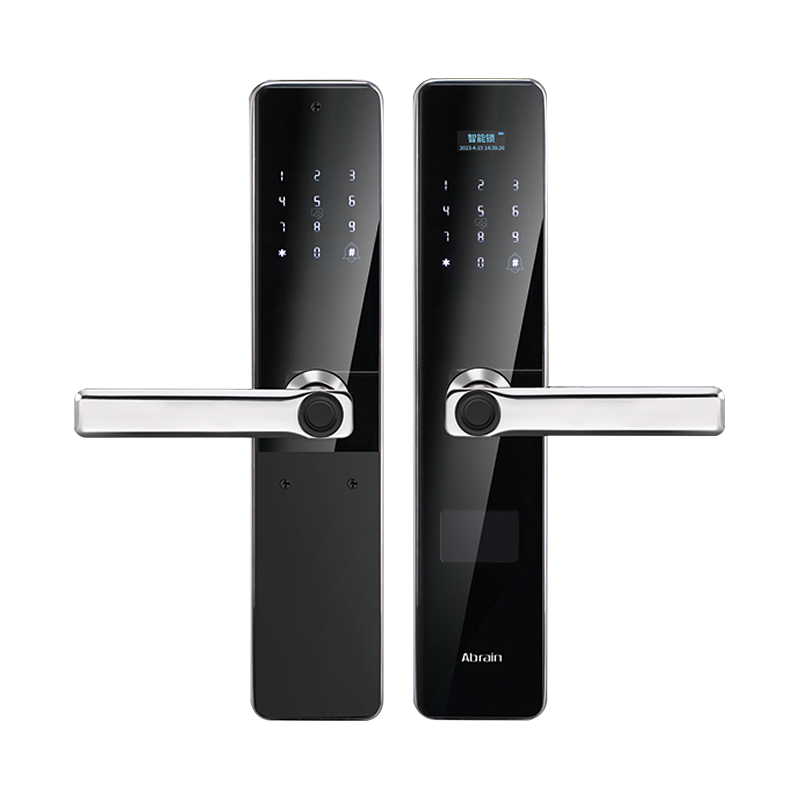
Battery Degradation Is the Most Common Starting Point
Battery performance touches almost every other function a smart lock provides, from motor torque during locking and unlocking to how quickly fingerprint and keypad sensors respond. As charge drops below a certain point, the lock often compensates by slowing down or rejecting scans that would have processed fine at full charge. People frequently mistake this for a sensor problem when the real cause is just not enough power reaching the parts that need it.
Mechanical Wear Builds with Every Cycle
Every lock and unlock event puts physical stress on the latch mechanism, motor gears, and bolt components inside. Across thousands of cycles, that wear shows up as more resistance, an unusual sound during operation, or a bolt that no longer slides in and out as smoothly as it once did. High-frequency settings push this wear along considerably faster than a typical home door ever experiences.
Environmental Exposure Wears on the Internal Parts
Temperature swings, humidity, and dust all interact with a smart lock's electronics and moving parts in ways that gradually chip away at performance. Moisture in particular can affect circuit boards and sensor surfaces with enough exposure, while dust working its way into moving parts adds friction right at the points where smooth operation matters the most.
Software and Firmware Can Drift Quietly Out of Tune
Smart locks running on internal firmware aren't immune to the same kind of slow performance drift that affects other connected devices. Outdated firmware can lose step with newer connected systems, develop small quirks that pile up with repeated use, or simply run less efficiently than a newer version would, even when there's no hardware problem anywhere in sight.
What Factors Most Influence Long-Term Stability?
Installation precision deserves a closer look here, since it's frequently the most overlooked factor while carrying some of the biggest downstream consequences. A lock installed even slightly out of alignment forces the motor and latch to fight resistance on every single cycle, which compounds mechanical wear far faster than ordinary use ever would on its own.
Battery Management for Consistent Performance
Set a Replacement Schedule Instead of Waiting for Failure
Reactive replacement — swapping batteries only once the lock starts acting up — lets it run in a degraded state longer than it needs to before anyone addresses the actual problem. A proactive schedule built around typical usage avoids that degraded stretch entirely, keeping performance level instead of letting it dip and recover over and over.
Catching the Early Signs of Battery Depletion
A handful of signals tend to show up before a battery fails outright, and noticing them early means replacement happens before performance takes a real hit.
- Slower motor response when locking or unlocking than what's typical
- Reduced range or reliability on any wireless features the lock includes
- Low battery alerts showing up more often or earlier in the cycle than expected
- Keypad backlighting or indicator lights looking dimmer than usual
Matching Battery Type to the Installation Environment
Not every battery type holds up equally well across different temperature and humidity ranges. Locks on exterior doors facing real temperature swings do better with batteries rated for a wider operating range, since standard batteries can lose capacity faster than expected once conditions get genuinely cold or hot.
Maintaining Mechanical Components for Smooth Operation
Lubrication Cuts Down Friction at Key Wear Points
Periodically lubricating the latch mechanism and any exposed moving parts keeps friction from building up through repeated cycling. A small amount of the right lubricant on the latch bolt and strike plate area, following whatever the manufacturer recommends, keeps things moving the way they should rather than letting resistance creep in unnoticed over months of daily use.
Checking for Loose Hardware Now and Then
The screws holding a smart lock to the door can work themselves loose gradually, just from the vibration and repeated stress of normal use. A loose lock body or strike plate introduces play into the mechanism that affects both security and how smoothly everything operates, and a quick fastener check during routine maintenance catches this before it turns into a bigger alignment issue.
Cleaning Sensors Without Damaging Them
Fingerprint sensors and keypad surfaces pick up oils, dust, and general residue from regular handling, and that buildup can quietly reduce recognition accuracy over time. Wiping these surfaces with a soft, slightly damp cloth, steering clear of harsh chemicals that could damage the sensor coating, restores performance that had simply slipped due to surface grime rather than any actual hardware fault.
Does Door Type Change How a Smart Lock Should Be Maintained?
Smart Lock for Wooden Door Installations Face Their Own Conditions
A Smart Lock for Wooden Door setup deals with something metal doors don't: wood's natural tendency to swell and shrink with humidity across the year. That movement can gradually shift the alignment between the lock and the strike plate, even on an installation that started out perfectly straight. Checking alignment periodically matters more here, especially around the seasonal humidity swings where wood movement tends to be at its worst.
Office Door Installations Face High-Frequency Wear
A Smart Lock for Office Door setup typically sees a much higher cycle count than a comparable home installation, simply because of how many people pass through over the course of a working day. That higher frequency speeds up both mechanical wear and battery drain, which means a maintenance interval that works fine at home often needs to be tightened up considerably in an office setting to hold the same level of reliability.
Home Door Installations Benefit from Steady Battery Monitoring
Home installations generally see fewer cycles than commercial settings, but they often go longer between any real attention, since household routines don't usually include regular equipment checks the way a managed office building might. Setting a recurring reminder for battery and sensor checks helps make up for that lower natural visibility into how the lock is actually holding up day to day.
Firmware and Software Maintenance
Why Firmware Updates Matter Beyond New Features
Firmware updates frequently fix performance issues, security gaps, and compatibility problems that aren't always obvious from a feature list. A lock running old firmware might be missing a fix for a stability issue the manufacturer already solved months ago, meaning it keeps experiencing a problem that's technically already been resolved — just never applied to that particular unit.
Building a Routine for Checking Available Updates
Rather than waiting for a problem to force the issue, working a periodic update check into regular maintenance — every few months, say — keeps the lock running current software without needing a specific malfunction to prompt anyone into action.
Backing Up Configuration Before Bigger Updates
For locks with programmable codes, user profiles, or any connected system integrations, confirming that configuration is backed up or written down somewhere before a major firmware update avoids the headache of reprogramming everything from scratch if the update doesn't go smoothly.
When Does a Problem Call for Repair Versus Replacement?
Weighing Whether an Issue Is Worth Repairing
Not every performance issue justifies full replacement, and not every issue is worth chasing with repairs indefinitely either. A practical read on this weighs the unit's age against its expected service life, whether the problem is isolated to one part — a battery or sensor — versus pointing to broader wear across multiple systems, and whether replacement parts are still easy to get for that specific model.
Signs That Point Toward Replacement Rather Than Continued Repair
A few patterns tend to suggest that continued repair is becoming less practical than just replacing the unit.
- Several unrelated components failing within a short stretch, hinting at broader system degradation rather than one isolated fault
- Repair costs creeping up toward a meaningful chunk of what a comparable new unit would cost
- The same issue resurfacing after repair attempts, suggesting whatever's actually wrong hasn't been fully addressed
- Compatibility limits with newer security standards or connected systems that the current unit simply can't keep up with
A Service Record Makes the Decision Easier Down the Line
Keeping a simple log of maintenance, repairs, and recurring issues for each lock makes the repair-versus-replace call considerably easier whenever it eventually comes up, since the pattern is sitting right there in writing rather than scattered across memory of past incidents.
Installation Quality as the Foundation of Long-Term Stability
Why Precision at Installation Affects Everything Downstream
A smart lock installed even slightly out of alignment between latch and strike plate forces the mechanism to fight resistance on every single cycle starting from day one. That ongoing strain speeds up every other kind of wear already covered here, which is why catching alignment problems at installation, or fixing them the moment they're noticed, has more influence on a lock's entire service life than any single maintenance habit performed afterward.
Confirming Door Frame Compatibility Before Installation
Door frame condition, thickness, and material all affect how well a given smart lock model performs once it's actually installed. Checking compatibility specs beforehand, rather than discovering a mismatch after the fact, avoids the kind of improvised installation fixes that often introduce the exact alignment problems that undermine stability down the road.
Reassessing Installation Integrity Now and Then
Even a precisely installed lock benefits from a periodic second look, particularly after seasonal shifts for wooden door setups or after any door adjustment, repair, or nearby hardware change. A few minutes confirming the latch still engages smoothly and the door closes without unusual resistance catches alignment drift before it turns into something more serious.
Building a Practical Maintenance Routine
Pulling these individual recommendations together into one simple routine makes consistent maintenance a lot more achievable than treating each task as its own easily-forgotten chore.
- Check battery status and replace proactively on a set schedule rather than waiting for failure
- Wipe down sensor and keypad surfaces with a soft, dry or slightly damp cloth on a regular basis
- Apply lubrication to mechanical parts periodically, following whatever the manufacturer recommends
- Check fastener tightness and overall alignment during each maintenance pass
- Look for available firmware updates every few months and apply them during a quiet, low-use period
- Keep a simple record of any issues, repairs, or odd behavior to support troubleshooting and replacement decisions later
Sticking to something like this, adjusted for the specific door type and how often it's actually used, handles most stability issues well before they get bad enough to disrupt daily life.
Choosing Equipment Built for Long-Term Reliability
For property managers, installers, and procurement teams sourcing locks at scale, equipment quality at the point of purchase has a direct bearing on how much ongoing maintenance a given installation will actually require. A Wholesale Smart Lock supplier with strong manufacturing consistency, dependable component sourcing, and clear technical documentation cuts down on maintenance considerably compared to inconsistent or poorly documented alternatives, since fewer underlying defects simply means less troubleshooting later on. Evaluating a Smart Lock Factory on its quality control process and component sourcing, rather than price alone, is a reasonable step for any buyer planning installations across multiple properties or door types where consistent long-term performance genuinely matters.
Long-term smart lock stability is rarely the product of one decision made at installation and then forgotten about. It comes from a mix of proactive battery management, regular mechanical and sensor upkeep, staying current on firmware, and an honest read on when repair stops making more sense than replacement. Door type and how often a lock gets used shape exactly how that maintenance routine should look, with wooden door installations facing different seasonal pressures than an office door handling dozens of cycles a day, but the underlying idea holds across every setting: consistent, modest maintenance effort heads off the kind of gradual decline that eventually turns into a disruptive failure. Whether someone is managing a single home installation or a whole portfolio of properties relying on dependable access control, building these habits into a regular routine protects both the money already spent on the equipment and the everyday convenience it was installed to provide in the first place. Yongkang Ruian Lock Industry Co, Ltd. manufactures smart lock solutions built with long-term reliability in mind, supporting wholesale buyers, installers, and property managers who need consistent performance across home, office, and wooden door applications alike.
Recommended Products

Ready to Begin?
Product Categories
Contact Information
 Email: [email protected]
 Phone: +86-13575699186
 Address: No.135, Wanyu Road, Zhiying Industrial Zone, Yongkang City, Zhejiang Province, China.
QR Code
Copyright © Yongkang Ruian Lock Industry Co, Ltd. All rights reserved.
