
 русский
  Español
  عربى
عربى 
A door is not simply a flat surface for mounting a lock. Its thickness, position, movement, closing pressure, surrounding environment, and daily use can all affect how an electronic handle lock works. A door that closes easily by hand may behave differently after a new locking device is installed, particularly when the latch and strike do not meet in the right position.
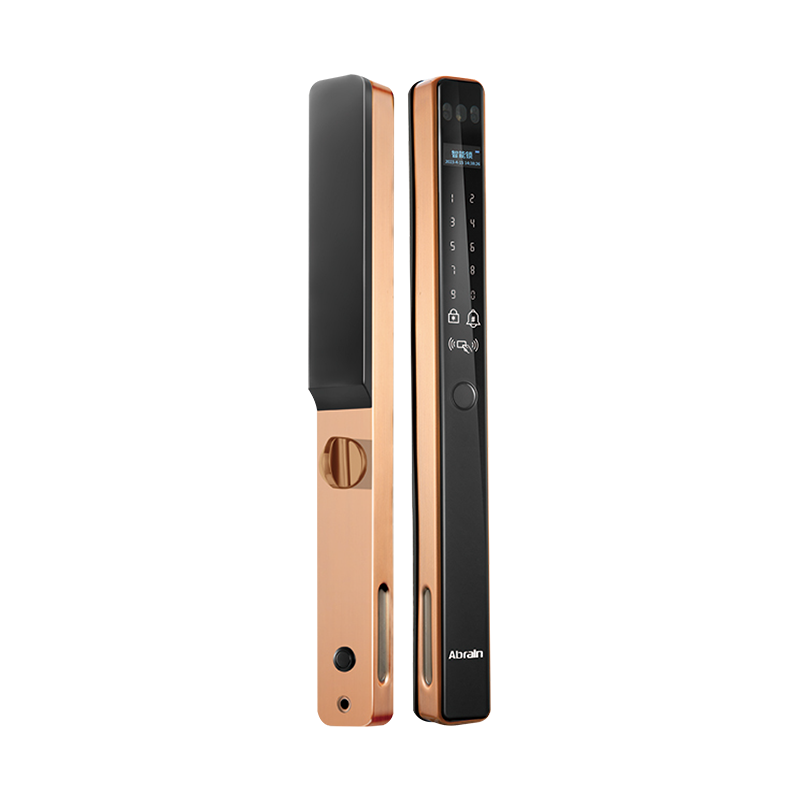
For this reason, choosing a Lever Handle Smart Lock involves more than looking at the access method or exterior appearance. The relationship between the door and the lock matters throughout installation and regular use. Door alignment can influence handle movement, while door thickness determines whether the available installation space is suitable. Battery condition, entry habits, and automatic locking can also change how the lock is used from one setting to another.
Looking at these factors together provides a more practical way to assess how an electronic lever lock fits a particular door.
How Does Door Alignment Shape the Locking Experience
Door alignment affects the way the door closes, the way the latch enters the strike area, and the amount of force needed to operate the handle. Even when a lock is correctly installed, a door that sits slightly out of position can change the feel of everyday operation.
A useful check begins with the door in its normal closed position. The gap around the door should remain reasonably consistent, and the latch should move into the receiving area without needing the door to be pushed, lifted, or pulled unusually hard.
Several conditions can influence this relationship:
- The door may have shifted within its frame.
- Hinges may no longer hold the door in its original position.
- The latch and receiving opening may not line up.
- A tight door seal may create additional closing pressure.
- Changes in the frame can affect how the door sits when closed.
These conditions are particularly relevant for a Lever Handle Smart Lock because the electronic function does not remove the need for proper mechanical movement. If the door is already difficult to close or open before installation, replacing the handle does not necessarily remove that underlying condition.
A simple alignment check before installation can therefore save time during later adjustment.
How Does Door Thickness Affect Smart Lock Installation
Door thickness is another physical condition that needs attention before a new handle lock is fitted. The lock has to sit securely across the door, while its internal and external parts need enough room to connect properly.
Doors can differ in thickness and construction. A solid interior door, a lightweight room door, and a reinforced entrance door may provide very different installation conditions. The existing hole pattern can also influence how easily an electronic handle can be fitted.
Before choosing a model, it is useful to check:
| Door condition | What to examine |
|---|---|
| Door thickness | Available space for the lock components |
| Existing handle position | Whether the new handle can use the current location |
| Existing holes | Whether the opening pattern matches the new hardware |
| Door edge | Space available around the latch area |
| Door frame | Position of the receiving opening |
Measurement is therefore part of the selection process rather than a task that only begins after purchase. A Lever Handle Smart Lock may have an appropriate access method but still require a different installation arrangement if the existing door does not provide suitable dimensions.
Taking measurements before removing the existing hardware also makes it easier to compare the door's current arrangement with the requirements of the replacement.
What Role Does Latch Movement Play in Daily Door Access
The latch is where the locking mechanism meets the physical operation of the door. When the handle is pressed down, the latch should retract smoothly. When the handle is released, it should return to its normal position without unnecessary resistance.
This movement depends partly on the door itself.
For example, a door that presses tightly against its frame can place additional pressure on the latch. In that situation, the handle may feel different depending on whether the door is fully closed or slightly open. A user may notice that the handle turns freely with the door open but feels more resistant after the door closes.
The condition of the receiving area also matters. If the latch enters at an angle or contacts the surrounding material, the electronic unlocking action may occur while the physical door remains difficult to open.
This is why installation should include a manual movement check. Before relying on electronic access, the handle and latch can be operated with the door open and then tested again with the door closed.
For a Lever Handle Smart Lock, electronic access and mechanical movement work together. Checking both sides of that relationship gives a clearer picture of how the lock will behave during regular entry and exit.
How Do Different Door Environments Shape Smart Lock Use
A locking device can experience different conditions depending on where the door is located. An interior office door may remain in a relatively stable environment, while an entrance door can be exposed to changing temperatures, moisture, dust, and more frequent handling.
The surrounding environment can affect several parts of everyday use:
- Moisture may collect around exterior hardware.
- Dust can accumulate around moving areas.
- Temperature changes can alter how some door materials fit within the frame.
- Frequent opening and closing can increase mechanical movement.
- Shared entrances may involve more varied user habits.
These factors do not mean that one type of door automatically suits or does not suit an electronic handle. Instead, they provide conditions that should be considered during selection, installation, and maintenance.
For an exterior installation, the surrounding door and frame should be considered together with the lock. For an interior application, attention may shift toward access habits, privacy, and the frequency of use.
The environment also affects maintenance routines. A handle located in a busy entrance may need more frequent visual checks simply because it is handled more often.
How Can Different Entry Methods Fit Different Users
Access methods influence how people interact with the door. A household may prefer a method that does not require carrying a key, while a shared workplace may need a way to provide access to several people without handing out physical keys.
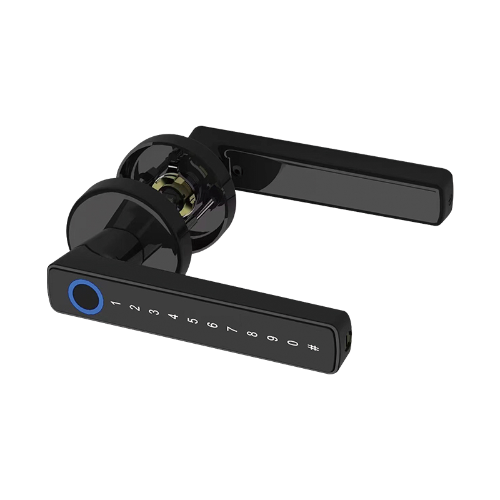
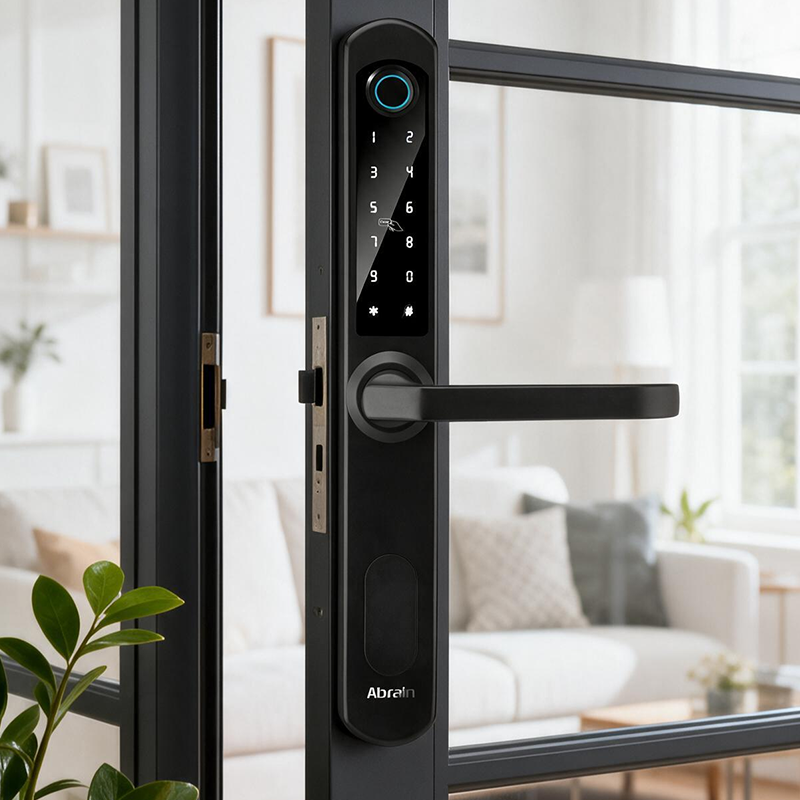
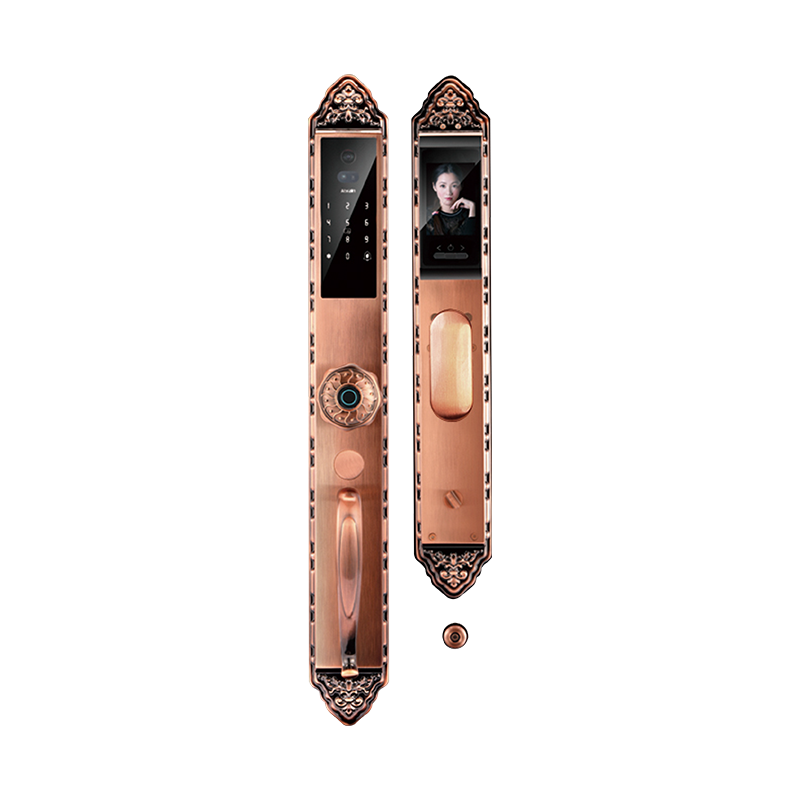
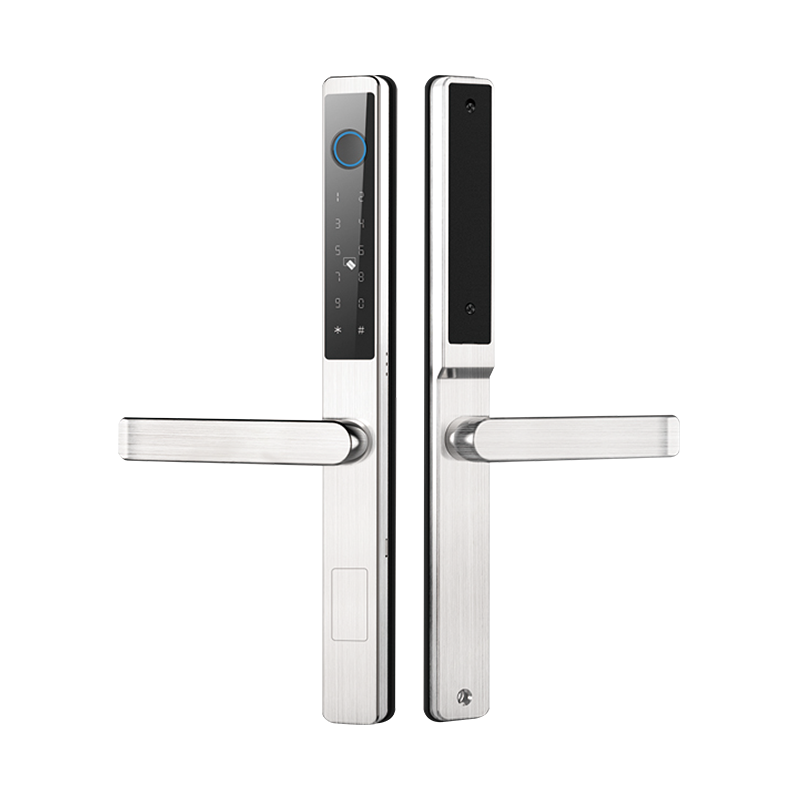
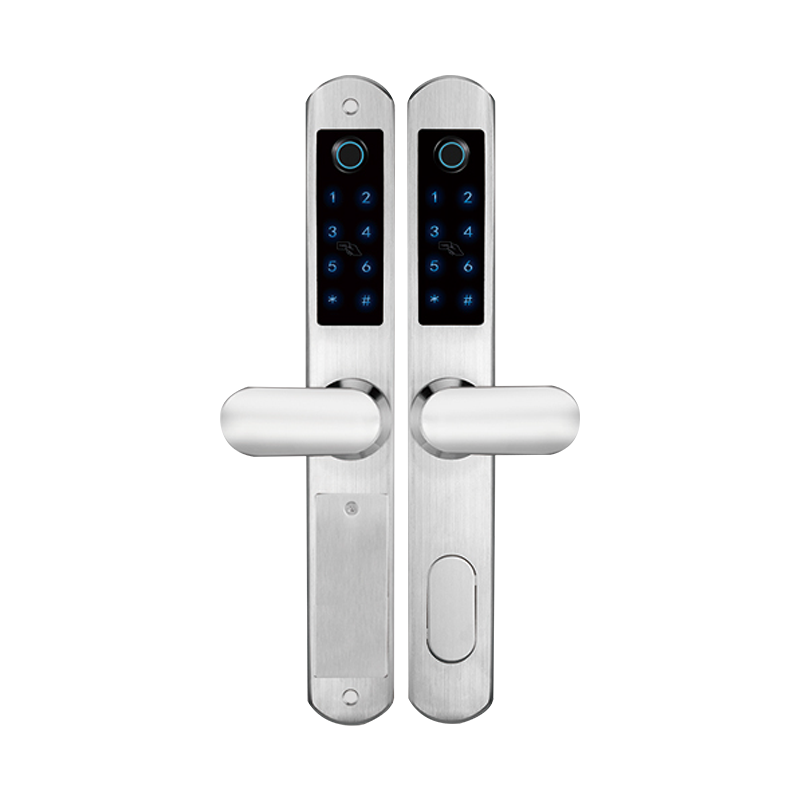
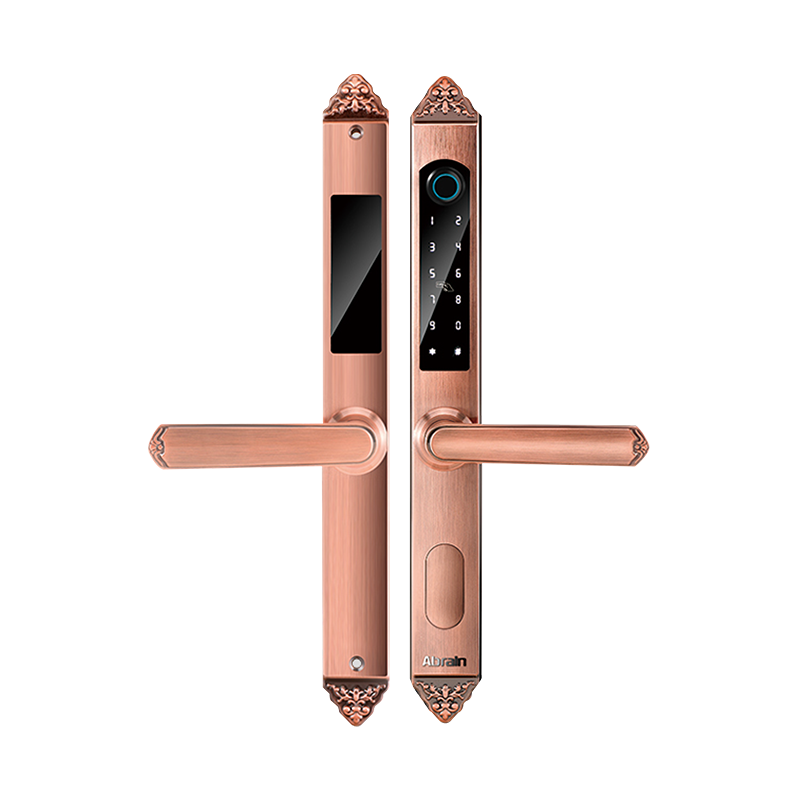
A Lever Handle Smart Lock may support different entry approaches, depending on its configuration. These can include a keypad, fingerprint recognition, smartphone access, or a conventional key.
Each approach creates a different routine.
A keypad allows users to enter a code rather than carry a key. Fingerprint access relies on the registered user's finger being recognized by the lock. Smartphone access introduces a mobile device into the entry process, while a physical key can provide a mechanical alternative when electronic access is unavailable.
The choice is therefore connected with who uses the door and how they normally enter.
For shared spaces, access permissions may also need to change over time. A temporary user may need access for a limited period, while a permanent user may retain access. Removing old permissions can be as important as adding new ones.
Rather than treating access methods as interchangeable features, it is more useful to consider the daily habits behind them.
How Does Battery Condition Shape Smart Lock Availability
Electronic access depends on an available power source. Battery condition can therefore become part of normal door management rather than an occasional technical concern.
A lock may provide an indication when its battery level becomes low. Paying attention to that indication allows the battery to be replaced before the electronic functions become unavailable.
Battery-related planning can include:
- Checking the battery condition during routine maintenance.
- Keeping suitable replacement batteries available.
- Knowing where the emergency power connection is located.
- Keeping a backup entry method available where applicable.
- Checking that the battery compartment remains properly closed.
A low battery does not necessarily mean that the mechanical parts of the door are affected. It primarily concerns the electronic side of access. Separating these two areas can make troubleshooting easier.
For a Lever Handle Smart Lock, the presence of a mechanical key or another backup method can also provide an alternative route into the space when electronic access cannot be used.
Battery management is especially relevant for doors that cannot be left unattended for long periods. A simple replacement routine can reduce the chance that a low-power condition becomes an unexpected interruption.
How Does Auto Lock Change the Way Doors Are Used
Automatic locking changes what happens after a person passes through the doorway. Instead of requiring the user to turn the handle or operate a separate locking control, the door can return to a locked state according to its configured behavior.
This can be useful in some routines but needs to match the way the space is actually used.
Consider a shared office where people move in and out repeatedly. An automatic locking function may interact differently with that environment than it would with a private room that is opened only occasionally.
The condition of the door also matters. Automatic locking assumes that the door reaches an appropriate closed position. If the door remains partly open or the latch does not reach its receiving area correctly, the expected locking sequence may not occur as intended.
Users can therefore consider:
| Usage situation | Point to consider |
|---|---|
| Frequent entry and exit | Whether automatic locking fits the movement pattern |
| Shared access | How users know the door has returned to a locked state |
| Private rooms | Whether automatic locking supports the intended routine |
| Irregular door closing | Whether the door consistently reaches its closed position |
Auto-lock settings should be considered together with the physical condition of the doorway rather than treated as an isolated electronic function.
Which Installation Details Matter for Long Term Door Use
Once the lock is installed, the condition of the door remains relevant. A door can change gradually through regular use, and small changes may become noticeable through handle movement, latch travel, or closing behavior.
Routine checks do not need to involve complicated procedures. A visual inspection can reveal a loose handle, unusual movement, a change in the door gap, or signs that the latch is no longer entering its receiving area cleanly.
The following areas are worth keeping in view:
- Handle movement
- Latch travel
- Door alignment
- Mounting points
- Battery condition
- Condition around the door frame
- Operation of the available entry methods
If a door begins to require more force than before, the change should be considered as a door-and-lock interaction rather than automatically attributed to the electronic controls.
The same principle applies after adjustments. Once the hardware has been repositioned, the door should be opened and closed several times to confirm that the handle, latch, and frame continue to work together in the new position.
A Lever Handle Smart Lock is part of the doorway rather than a completely separate device. Its day-to-day behavior depends on both electronic access functions and the physical condition of the door. Looking at these elements together provides a clearer basis for installation, use, and routine upkeep.

 Email:
  Phone: +86-13575699186
  Address: No.135, Wanyu Road, Zhiying Industrial Zone, Yongkang City, Zhejiang Province, China.