
 русский
  Español
  عربى
عربى 
Selling smart locks internationally involves far more than swapping labels or translating a user manual. A Smart Lock Factory working across multiple export markets has to treat certification as a variable that shifts by destination, even when the underlying hardware stays identical. The same lock body might need different testing records, different labeling conventions, and different installation documentation depending on where it's headed next.
This creates a coordination problem that goes beyond compliance paperwork. Product development, quality control, documentation, and customer-facing teams all need to work from a shared understanding of what changes between markets and what doesn't, rather than treating every shipment as a one-off exception.
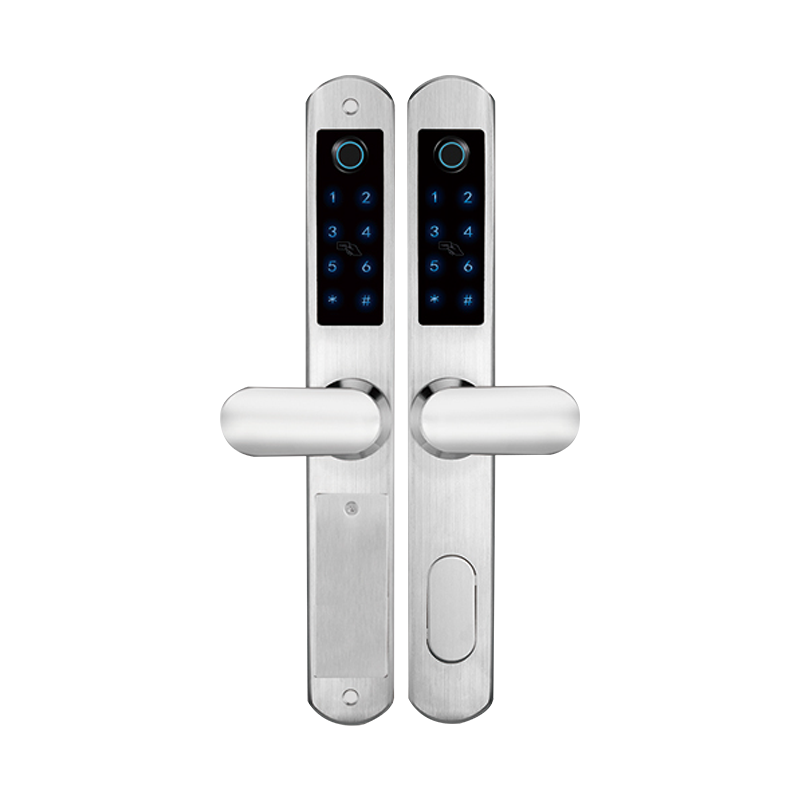
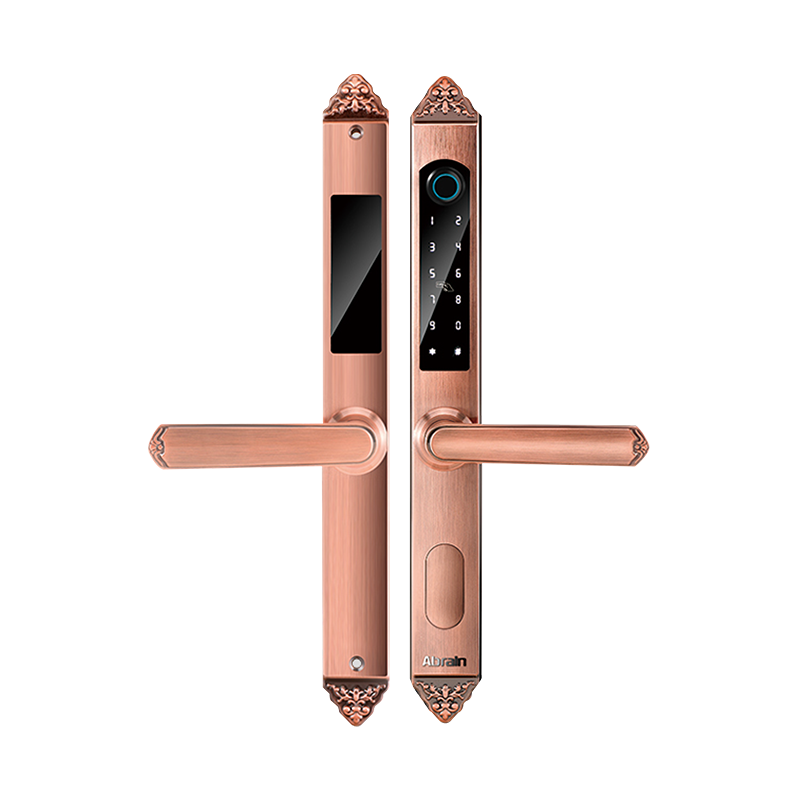
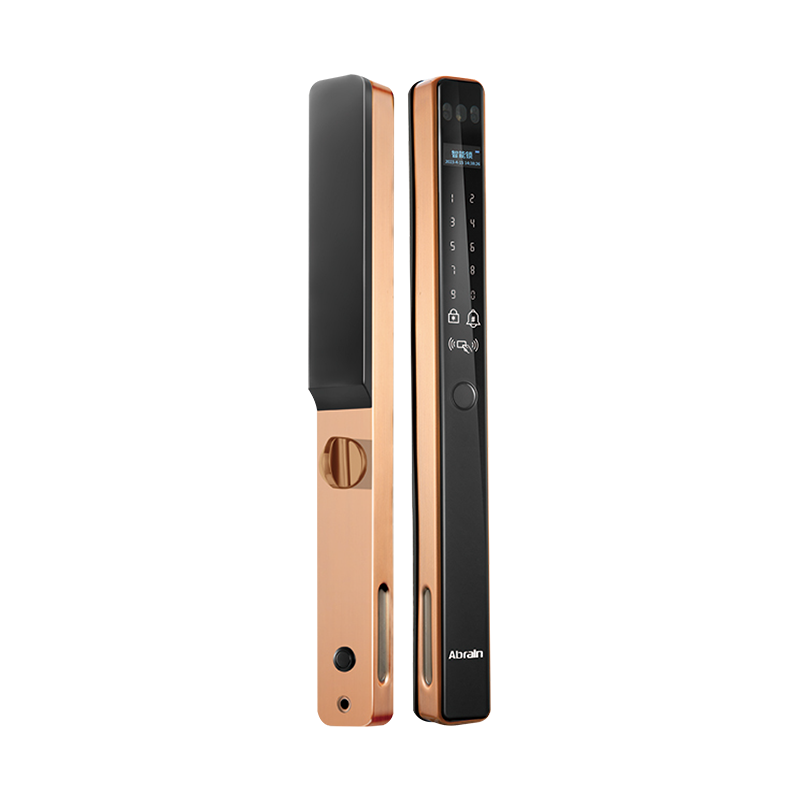
The complexity compounds once a factory runs multiple product lines across residential, commercial, and hospitality segments. A Smart Wooden Door Lock carries installation and material considerations that a Stainless Steel Smart Lock doesn't share, even though both might ship to the same set of regions in a given quarter. Getting ahead of these differences early is what separates a factory that scales cleanly across markets from one that ends up firefighting compliance issues order by order.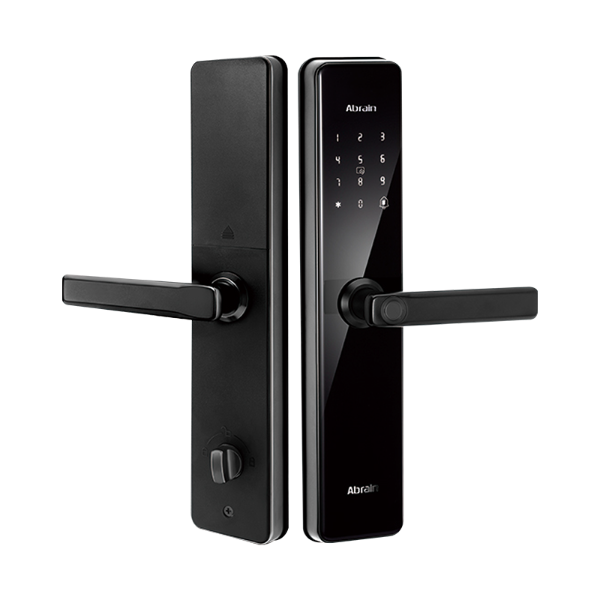
Why Do Certification Requirements Differ Between Export Markets?
Certification frameworks are shaped by local regulation, product category definitions, safety expectations, and market-specific enforcement practices, none of which stay consistent across borders. A lock sold in multiple regions can require different approval paths or supporting documentation purely based on where it lands, independent of any change to the physical product.
This rarely means redesigning the lock itself. More often, the differences sit in documentation, labeling conventions, user instructions, packaging content, or safety and performance evidence. Some markets add specific requirements around electrical components, wireless functions, materials, or installation conditions, and a factory needs to flag these before goods ever reach the shipping stage.
| Market Consideration | Factory Response |
|---|---|
| Product certification | Identify applicable requirements per destination |
| Product labeling | Prepare market-specific label content |
| User instructions | Adapt documentation for local users |
| Packaging | Verify required product information |
| Testing records | Organize supporting documents by product version |
| Import requirements | Coordinate directly with buyer or local agent |
The real difficulty isn't identifying these differences once, it's managing them without creating internal confusion across production runs. A clear export process separates baseline product requirements from market-specific add-ons, giving production teams a straightforward answer to what stays fixed and what needs extra attention on any given order.
How Does a Smart Lock Factory Identify Market-Specific Requirements?
Certification planning starts with the destination market, not the production line. Before anything else, the factory needs a clear read on where the product is going, how it will be used, and which regulatory category it falls under, information that typically comes from the buyer, importer, or distributor handling market entry.
This matters because the same core design often supplies several regions at once. A lock intended for wooden residential doors may carry different installation documentation than one built for a different door structure entirely, even under the same product family name. Assuming an approval accepted in one market transfers automatically to another is one of the more common and costly mistakes exporters make, certification systems rarely work that way.
Responsibility for confirming applicable requirements can fall on manufacturers, importers, distributors, or local regulators depending on the market, which is exactly why early communication between factory and buyer matters. A short list of upfront questions, destination, intended application, product version, packaging language, documentation needs, known market-specific requirements, tends to prevent far more expensive corrections later in the production cycle.
What Role Does Product Classification Play in Certification Planning?
Classification determines which requirements actually apply, and a factory producing locks with varied structures, materials, power systems, and communication functions needs to treat each configuration as its own compliance case rather than defaulting to a single blanket assumption.
A Smart Wooden Door Lock gets designed around wooden door characteristics and the installation methods those doors require. A Stainless Steel Smart Lock carries different material considerations and typically targets different door environments altogether. Working from the actual product specification, rather than a general product name, is what keeps classification accurate.
| Product Feature | Why It Matters |
|---|---|
| Door application | Shapes installation documentation |
| Material | Can affect required product testing |
| Power system | Influences applicable regulatory requirements |
| Wireless function | Adds compliance considerations in some markets |
| Product structure | Defines the correct product category |
| Intended environment | Determines correct market positioning |
Small design tweaks can shift documentation or evaluation requirements more than expected, which is why disciplined product record-keeping pays off. It also speeds up communication with testing bodies whenever they request additional detail on a specific configuration.
How Can a Smart Lock Factory Manage Different Certification Documents?
Documentation tends to become the messiest part of international production if it isn't structured early. A factory typically maintains specifications, test records, declarations, user instructions, labels, and packaging content, and every one of these needs to map to the correct product version, not get reused across similar-looking models by assumption.
Version control is the fix here. Organizing records by product type, destination market, and current version keeps the physical product and its paperwork tightly linked rather than loosely associated. A workable internal structure usually covers:
- Product identification information
- Applicable market requirements
- Testing and certification records
- Product labeling information
- User documentation
- Packaging information
- Customer-specific requirements
The exact document set varies by market and product, but the underlying principle holds regardless: documentation gets built into the production process itself, not bolted on afterward as an administrative afterthought. A Smart Lock Factory running this kind of system responds to buyer compliance requests in hours rather than days.
Why Is Product Labeling Important for Export Markets?
Labels are the connective tissue between a physical unit and its destination market. Depending on where a lock ships, labeling might need product identification, safety warnings, installation notes, or manufacturer details in a specific language or format, and getting this wrong late in the process is expensive, especially once packaging has already gone to print.
| Labeling Area | Factory Planning Focus |
|---|---|
| Product identification | Match the exact product version |
| Instructions | Use correct language and phrasing for the market |
| Safety information | Follow the destination's regulatory requirements |
| Manufacturer information | Include required company details |
| Packaging marks | Confirm destination-specific requirements |
Labels also need to stay consistent with the documents shipped alongside the product. Mismatched information between a label and its supporting paperwork is a common trigger for inspection delays or distributor pushback, which makes labeling a production-stage decision rather than a packaging afterthought.
How Does a Factory Adapt Smart Wooden Door Lock Products?
A Smart Wooden Door Lock supplied across multiple markets runs into varying buyer expectations around door construction and installation, since wooden doors themselves differ meaningfully in structure and preparation from one region to the next. Installation instructions have to be specific enough to serve the actual door types installers will encounter.
Certification review needs to cover the complete supplied product, not just the lock body in isolation, factoring in associated components, electronic functions, packaging, and instructions as one connected package. Export markets often expect different installation documentation even when the underlying lock design stays constant, which pushes many factories toward maintaining several documentation versions on top of a single, stable core design.
That approach keeps production lines simple while giving the export team room to assemble the right document set per destination. One buyer might need a specific documentation package for a European market while another needs an entirely different set for Southeast Asia, and organized product records make that split manageable without disrupting the manufacturing side at all.
What Certification Considerations Apply to Stainless Steel Smart Lock Products?
A Stainless Steel Smart Lock faces its own version of this challenge, shaped less by installation variance and more by how buyers evaluate material and construction quality. Stainless steel carries a reputation for durability, but that reputation alone doesn't determine market acceptance, the complete product still needs full documentation review.
Electronic functions, installation method, intended environment, labeling, and supporting paperwork all factor into export preparation regardless of material choice. Residential, commercial, and hospitality buyers tend to hold different expectations for the same lock body, which makes application context essential information to gather before confirming any documentation package.
Asking buyers directly for intended installation environment before finalizing paperwork heads off a mismatch between what's shipped and what the destination market actually requires, and it keeps separate product versions from getting tangled in the same record set.
How Can Production and Certification Teams Work Together?
Certification rarely sits cleanly inside one department. Product development tracks the physical design. Production manufactures to approved specs. Quality monitors consistency. Export teams manage buyer and destination communication. Compliance staff review applicable market rules. Documentation teams keep the paper trail current.
| Department | Main Responsibility |
|---|---|
| Product development | Tracks product design |
| Production | Manufactures to approved specifications |
| Quality | Verifies product consistency |
| Export team | Confirms customer and destination requirements |
| Compliance team | Reviews applicable certification needs |
| Documentation team | Maintains supporting records |
Without a working line of communication between these groups, design changes reach the production floor after the fact, market shifts trigger labeling gaps nobody caught in time, and buyer requests for new applications sit unanswered longer than they should. None of this requires an elaborate system, just a clear expectation that any material change gets flagged across departments immediately, not discovered downstream.
How Can a Smart Lock Factory Prepare for Multiple Export Markets?
International orders get considerably easier to manage once market differences surface before production starts, not after. A structured order review typically runs through a short set of questions: Where is the product going? What door type will it be installed on? Which product version applies? What documentation does the buyer need? Are there labeling or packaging specifics? Has certification information already been confirmed?
These answers link the customer's order directly to the factory's production process, and from there the factory can assemble a market-specific production file, product identification, approved documentation, packaging requirements, labeling content, everything needed for that particular shipment bundled together.
This kind of structure pays off most when a factory supplies the same general product category to several countries at once. Rather than running fully separate production systems per market, the manufacturer keeps one stable product foundation and manages the market-specific layer through controlled documentation and disciplined order preparation, without pretending every export market plays by the same rulebook.
What Happens When Certification Requirements Change During Product Development?
Products rarely stay static after initial design approval. A customer requests a new feature. A component gets swapped. A model gets adapted for a different door type. A destination market introduces a new regulatory requirement mid-cycle. Any one of these should trigger a documentation review, since a change to one part of a smart lock's design can quietly affect other parts of its compliance file.
| Product Change | Possible Follow-Up |
|---|---|
| Hardware change | Review existing product records |
| Electronic function change | Check relevant compliance requirements |
| Packaging change | Review labels and documentation |
| Installation change | Update user instructions |
| Market change | Confirm destination requirements |
The goal isn't to slow down product development, it's to keep design changes tethered to document review through a working change-control process. That connection is what keeps outdated documentation from getting attached to a product that's already moved past it, a mistake that's easy to make and hard to unwind once goods are already in transit.
How Does Certification Planning Affect International Customer Service?
Certification reaches well beyond the factory floor. Importers need documentation before completing their own regulatory steps. Installers need instructions specific enough to work from. Retailers need accurate product information. End users need guidance that actually makes sense in their local market.
A Smart Lock Factory that prepares documentation matched to the specific product and destination, rather than defaulting to one generic packet for every order, cuts down on repeated back-and-forth with buyers considerably. The same standard applies whether the product in question is a Smart Wooden Door Lock or a Stainless Steel Smart Lock, each one needs to travel with the correct product information, application context, and market-specific documentation attached.
International certification, in the end, functions as an extension of production planning rather than a separate compliance exercise bolted onto the end of it. A factory that builds certification into design and manufacturing from the start tends to move through new markets with noticeably less friction than one still treating it as paperwork to sort out after the goods are already built.



 Email:
  Phone: +86-13575699186
  Address: No.135, Wanyu Road, Zhiying Industrial Zone, Yongkang City, Zhejiang Province, China.