
 русский
  Español
  عربى
عربى Industry News

GET A QUOTE
How Housing Trends Shape Wholesale Smart Lock Demand
A smart lock doesn't enter a home in a vacuum. Behind every unit sold sits a building type, a door, a household, and a set of daily habits that shape how that lock actually gets used. None of this shows up in a spec sheet, yet it determines what a wholesaler should actually be stocking in a given market.
Housing composition differs sharply by region. Some markets lean heavily toward detached homes. Others run on apartments and compact urban units. New construction often sits alongside older housing stock, which means a single market can have several generations of door structure in active use at once.
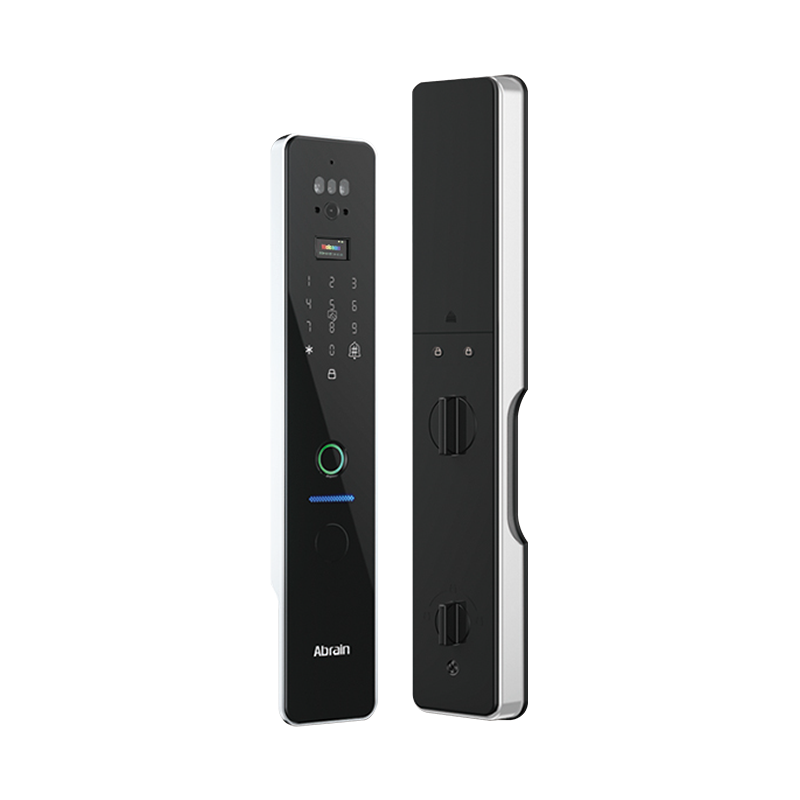
That variation produces a fragmented demand pattern for smart locks. A distributor serving one region may focus almost entirely on private residential entrances. Another may need coverage across apartments, rental units, and small commercial properties. The product category stays constant. The purchasing logic underneath it does not.
For manufacturers, this has a direct bearing on how demand should be read. General enthusiasm for smart home products only tells part of the story. The physical structure of local housing, and the habits of the people living inside it, tells the rest.
Why Do Housing Trends Matter to a Wholesale Smart Lock Buyer?
Housing type dictates how people physically interact with a door. A detached home usually has a private entrance with direct outdoor exposure. An apartment typically routes through a shared building entrance before reaching a private unit door. A townhouse adds its own variables, since the entrance often connects to a street-level garage or a shared residential corridor.
Door construction shifts along with housing type. Wooden doors remain standard across much of the residential market, but other regions lean toward metal, composite, or mixed-material doors depending on climate, cost, and local building convention. Two doors can look nearly identical from the street and still differ meaningfully in construction and hardware compatibility once you look closer.
A wholesaler has to plan around that variation directly. A broad product range adds flexibility but complicates inventory and forecasting. A narrow range simplifies purchasing but caps the customer base a distributor can realistically serve.
That tension is the core of regional sourcing strategy. Understanding which lock functions sell well only helps if it's paired with a clear picture of which doors those locks are actually going into.
Shifts in housing development sharpen this further. Rising apartment construction pulls demand toward compact, hallway-facing hardware. Renovation activity pulls demand toward retrofit-friendly locks that work with existing door frames rather than requiring a full replacement. Regional housing data, in that sense, functions as a leading indicator for wholesale purchasing decisions, not just a background fact.
How Do Different Housing Structures Change Lock Demand?
The physical shape of a housing market determines where smart locks end up installed, and that placement drives very different product requirements.
| Housing Type | Typical Entrance Setup | Common Wholesale Consideration |
|---|---|---|
| Detached homes | Private entrance, multiple access points | Range across main and secondary doors |
| Apartments | Shared building entrance, compact unit door | Space-efficient, low-visual-footprint hardware |
| Rental units | Frequent occupant turnover | Access methods that don't require rekeying |
| Townhouses | Entrance tied to garage or shared corridor | Hardware suited to mixed indoor-outdoor exposure |
| Renovated older housing | Original door retained, updated internally | Retrofit compatibility with existing frames |
A Smart Lock for Home Door line has to account for this range without defaulting to a single reference design. A large detached house and a compact apartment unit rarely share the same visual or functional expectations at the entrance.
Detached homes often have several access points worth considering beyond the main entrance, side doors, garage connections, secondary entries, which broadens the product mix a wholesaler might reasonably stock for that segment.
Apartment living compresses the decision. Space is limited, the door often faces an internal hallway rather than the outdoors, and both residents and property managers weigh in on what the hardware needs to do. Clean appearance and low-maintenance operation tend to matter more here than in a standalone house.
Rental housing adds occupant turnover into the equation. Owners generally want an access method that's easy to reset between tenants without physically swapping hardware, which shifts purchasing conversations toward flexible access configurations rather than one-time installs.
Wholesalers who track these structural differences tend to make sharper inventory calls than those relying purely on general popularity data.
How Do Door Types Drive Wholesale Purchasing Decisions?
Housing trends explain the setting. The door is where that setting becomes a physical installation problem.
Wooden doors carry particular weight here because they remain closely tied to residential identity across many markets, appearing on everything from modern builds to traditional houses, villas, and renovated units. Their visual range runs from understated to highly decorative, and that range directly affects what hardware looks appropriate once installed.
This is why the Smart Lock for Home Door category stays closely linked to door material and finish. A homeowner upgrading to smart access usually wants that upgrade to preserve the door's existing character, not override it. Wholesalers sourcing for this segment need to weigh appearance and fit alongside the underlying access functions.
The same logic extends into multi-unit residential buildings, where a property might use one door style for private units and a different one for shared or common areas. Distributors serving contractors and developers often need a portfolio that reflects several applications rather than a single standardized configuration.
Handle design factors into this too. A Lever Handle Smart Lock merges the handle and access mechanism into one visible unit, which suits residential layouts where the handle carries real weight in daily appearance and use. That configuration doesn't read the same way on every door type, though, which keeps handle style as an active variable in sourcing rather than a settled default.
Local door preference ultimately narrows what "fits" means in any given market. A configuration well matched to one region's door habits can miss the mark elsewhere, even with identical core functionality.
What Do Local Usage Habits Reveal About Demand?
Adoption of any home technology tends to hinge on daily experience more than on feature specs. People judge a lock by whether it feels natural, whether the whole household can use it without friction, and whether guests or service visitors can get in without extra hassle.
Local habits shape those expectations directly. Some households favor fingerprint access because regular residents move through the door without carrying anything extra. Others lean toward keypad access, particularly where service staff or temporary visitors need reliable, non-physical entry.
Mobile-based access tends to resonate more in households already embedded in connected home ecosystems. Elsewhere, buyers often prefer something that still feels familiar and mechanically straightforward, even with smart features layered on top.
None of this reduces to a single dominant feature. The same core lock can be positioned quite differently depending on what a specific market actually values day to day.
A Smart Lock Factory selling across multiple regions needs visibility into these usage patterns beyond aggregate market trend reports. Younger urban renters and larger suburban households often want noticeably different things from the same product category, and that gap tends to show up first in field-level questions rather than in top-line sales data.
Wholesale sales teams sit closest to this information. The practical questions they field, which door will this fit, can the household mix access methods, how easy is visitor management, does it match the existing door finish, accumulate into genuinely useful market intelligence when tracked consistently over time.
How Is Urban Housing Change Reshaping Wholesale Product Needs?
Urban housing is steadily redefining what people expect from their own front door. As residential formats diversify, entrances get designed around new patterns of work, family structure, and shared living arrangements.
Compact apartments are a clear example. Smaller living spaces put more pressure on every functional element, including the entrance, and residents often want access convenience without adding visual clutter to a door that's already working hard in a tight footprint.
Shared residential buildings complicate the access chain further, since a private unit door is only the final step after a shared building entrance. That layered access model changes how a smart lock gets positioned within the overall security plan of a property.
Renovated older buildings introduce another wrinkle. Original doors often stay in place while the rest of the home gets updated with modern systems, which sustains demand for hardware that respects an existing door rather than assuming every installation starts from a blank slate.
Wholesalers operating in markets with this kind of mixed housing stock, modern apartments next to renovated older buildings next to newly built homes, need an inventory approach flexible enough to serve all three without treating any one of them as the default customer profile.
How Does Regional Design Sensibility Shape Lock Appearance?
A smart lock is a functional product, but on a residential entrance it's also a visible design element, and that visibility carries real weight in purchasing decisions.
Architectural preference varies by region. Some markets favor minimal, low-profile hardware. Others use more ornate door designs where the handle and lock form part of a deliberate visual statement rather than a purely functional add-on.
Wooden doors make this especially clear, since the material already carries a strong visual identity on its own. Adding electronic hardware changes that identity, sometimes subtly and sometimes not, which pushes buyers toward products that integrate smart function without disrupting the door's established look.
This is part of why the Smart Wooden Door Lock category holds a distinct position in wholesale catalogs. It addresses a specific pairing between smart access and wooden door aesthetics rather than treating all residential doors as functionally and visually interchangeable.
Color, handle shape, and overall product silhouette matter for the same reason. A wholesaler often needs a handful of visual variants to serve different customer segments, even when the underlying access mechanism stays essentially the same across all of them.
For a Smart Lock Factory, that reality turns product development into a design exercise as much as an engineering one. How a lock looks once mounted on a real door matters just as much as how the mechanism performs in isolation, and product teams that skip this step tend to see it reflected later in sell-through data.
What Should Smart Lock Factory Product Development Take From This?
Regional housing data gives manufacturers a genuinely practical input for product planning. A factory selling into several international markets has to account for differing door structures, usage habits, design expectations, and purchasing conventions, sometimes within the same shipment.
That doesn't require a fully separate product line for every market. Modular product families, where a shared core mechanism supports multiple handle styles, finishes, or installation configurations, let a factory respond to regional variation without multiplying development and production complexity.
The practical challenge is identifying which differences actually matter enough to act on. A shift in dominant door type usually calls for a different installation approach. A shift in user behavior tends to affect which access methods deserve priority. A shift in architectural preference changes what finish and form factor sell.
Closer collaboration with wholesale partners helps here directly. Local distributors typically have sharper visibility into customer-level detail because they're the ones fielding questions from installers, builders, and property owners in real time.
That proximity lets a Smart Lock Factory spot gaps between what's being produced and what a specific market actually needs. Field feedback tied to wooden doors, apartment entrances, or renovation projects can feed directly back into future product revisions rather than sitting unused in a support log.
OEM and private-label arrangements add a further layer of flexibility. Wholesale customers frequently want configurations adjusted to fit their own brand positioning or customer base, and a supplier able to have that conversation clearly tends to build stickier long-term partnerships.
How Can a Wholesaler Build a More Region-Specific Strategy?
A regional strategy doesn't require a fully distinct product catalog for every country a distributor serves. It starts with a clearer read on the housing environments that actually dominate each sales territory.
Reviewing common local door types, the balance between apartments and detached homes, typical renovation patterns, and prevailing access habits gives a wholesaler a concrete baseline to check against its current product range, rather than relying on assumptions carried over from a different market.
Product education matters just as much as inventory selection. Carrying several smart lock designs helps little if customers can't easily tell which one suits their specific door or application. Straightforward, door-specific product guidance tends to reduce friction at the point of sale considerably.
Installer feedback deserves a direct channel too. Installation professionals see the physical limitations of local doors more clearly than anyone reviewing sales figures from a distance, and their input reliably flags which products install cleanly and which require extra planning on-site.
Stocking decisions naturally sharpen from there. A wholesaler focused on apartment-heavy territory needs a different balance than one serving suburban single-family markets or renovation-driven demand. The aim isn't a larger catalog for its own sake. It's a catalog that actually mirrors what the local market is buying doors for.
For manufacturers, this regional insight strengthens distributor relationships in a very concrete way. A Smart Lock Factory that understands these market-level distinctions can have far more productive conversations with wholesale partners about product selection, packaging choices, and where future development should head next.
Recommended Products

Ready to Begin?
Product Categories
Contact Information
 Email: [email protected]
 Phone: +86-13575699186
 Address: No.135, Wanyu Road, Zhiying Industrial Zone, Yongkang City, Zhejiang Province, China.
QR Code
Copyright © Yongkang Ruian Lock Industry Co, Ltd. All rights reserved.
