
 русский
  Español
  عربى
عربى Industry News

GET A QUOTE
How Smart Lock for Wooden Door Balances Design and Security
Walk into a friend's newly renovated house and you might notice the front door before anything else inside — a solid wood door with a sleek keypad or fingerprint panel sitting where an old brass deadbolt used to be. It's a small detail, but it says something about how people think about their entrances now. Security used to mean a heavy lock bolted onto whatever door was already there. Now it means finding hardware that works well and still looks like it belongs on that particular door.
Wooden doors bring a certain warmth to an entryway — grain patterns, natural tones, a texture that feels different from metal or fiberglass. A Smart Lock for Wooden Door setups need to respect that instead of covering it up with something that looks like it was designed for an office building.
Why People Are Rethinking Their Front Door Setup
Most people already carry a phone that controls their thermostat, their lights, maybe even their coffee maker. It's a small leap from there to wanting the same kind of control over the front door, especially after the third time someone gets locked out because a key went missing in a jacket pocket.
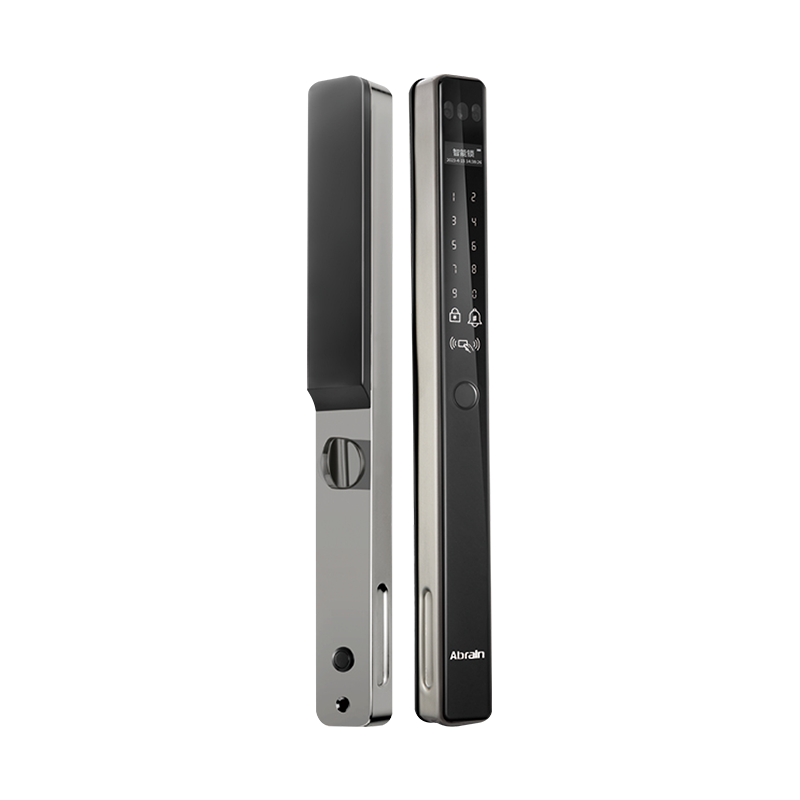
Traditional keys create small daily frustrations that add up:
| Everyday Problem | What People Want Instead |
|---|---|
| Losing track of physical keys | A way in that doesn't depend on carrying metal |
| Sharing access with family or guests | Temporary or adjustable entry options |
| Managing rentals or shared spaces | Remote control over who gets in and when |
| Wanting to know who came and went | Some record of entry activity |
None of this is about chasing new gadgets for the sake of it — it's about solving problems that show up during an ordinary week at home.
Why Wood Doors Present a Different Challenge
A steel security door can handle almost any hardware bolted onto it without looking out of place. A wooden door is more particular. The grain, the finish, the thickness of the panel — all of it affects how a lock sits once installed, and whether it looks like it was meant to be there.
A few things matter specifically for wood:
| Consideration | Why It Comes Up |
|---|---|
| Matching the door's finish and tone | A mismatched lock stands out immediately |
| Drilling and mounting depth | Wood thickness varies more than manufactured doors |
| Weight distribution | Heavier locks can stress a wooden frame over time |
| Weather exposure on exterior doors | Wood reacts to humidity differently than metal |
A lock that ignores these details can end up looking bolted-on rather than built-in, which defeats half the reason someone chose a wooden door in the first place.
What This Kind of Lock Actually Improves Around Security
Beyond the visual side, the practical appeal comes down to how entry gets managed day to day. A traditional lock only offers one method — insert key, turn, done. Electronic access opens up more ways to handle who comes in and when.
Common improvements homeowners notice:
- Entering codes or using a fingerprint instead of fumbling with keys in the dark
- Cutting out spare key copies floating around with neighbors or family members
- Getting a record of when the door was unlocked, useful for tracking deliveries or guests
- Adjusting who has access without needing to rekey the entire lock
For a household juggling kids coming home from school, a dog walker stopping by midday, and occasional guests, this kind of flexibility solves a real logistical headache rather than just adding a feature for its own sake.
Why Appearance Still Drives the Decision
Plenty of homeowners have looked at a smart lock online, liked the features, and then hesitated once they pictured it mounted on their actual front door. A boxy plastic unit sitting against a warm walnut door just looks wrong, regardless of how well it functions.
What tends to matter visually:
| Element | Why Homeowners Notice |
|---|---|
| Overall shape | A bulky unit can dominate a door's appearance |
| Finish and material | Brushed metal or matte tones tend to blend with wood better than glossy plastic |
| Button or panel layout | A cluttered interface looks dated quickly |
| Fit against the door edge | Gaps or awkward mounting stand out at a glance |
A lock that gets this right tends to disappear into the door rather than announcing itself as an add-on.
Why Ease of Use Matters More Than the Spec Sheet
A lock loaded with features nobody actually uses ends up frustrating rather than helpful. Parents juggling groceries and kids at the door don't want to fumble through a confusing app just to get inside.
What tends to make daily use smoother:
- A quick, reliable way to unlock without repeated attempts
- Simple setup for family members, including kids or older relatives
- Clear feedback when the door locks or unlocks
- Consistent performance without needing constant troubleshooting
If a household stops using half the features within a month because they're too complicated, the lock hasn't really solved the problem it was bought to solve.
Matching Different Home Styles
A minimalist apartment, a countryside cottage, and a traditional family home all call for different visual choices, even if the underlying door hardware works the same way.
| Home Style | What Tends to Fit |
|---|---|
| Modern interiors | Slim profiles, muted tones, minimal buttons |
| Natural or rustic homes | Finishes that echo the wood grain and warm tones |
| Traditional decor | Classic shapes that don't feel overly technical |
| Personalized spaces | Custom finishes or hardware that matches other fixtures |
This range matters because a homeowner shouldn't have to choose between keeping their door's character and getting the convenience they want.
How Door Hardware's Role Has Shifted
A generation ago, a door lock was purely functional — nobody picked one out for how it looked, beyond matching the metal finish to the doorknob. That's changed. People now research finishes, read reviews about how a lock looks in person, and factor entrance hardware into broader renovation plans.
This shift has pushed hardware development toward:
- Finishes that coordinate with door handles and hinges
- Slimmer designs that don't dominate the door's surface
- Interfaces that feel intuitive rather than technical
- Options that fit into a home's existing decor rather than standing apart from it
Door hardware sitting at the entrance now carries some of the same design weight as light fixtures or cabinet handles — small details that shape a first impression.
Practical Factors Before Buying
Enthusiasm for new technology can sometimes outrun practical planning. Before installing anything on a wooden door, a few questions are worth working through.
| Factor | Why It Matters |
|---|---|
| Door thickness and material | Determines what hardware can be properly installed |
| Household routines | Affects which access methods actually get used |
| Existing decor | Helps narrow down finish and style options |
| Long-term upkeep | Batteries, firmware, and weather exposure all need attention |
Skipping this step often leads to buyer's remorse once a lock arrives and doesn't fit the door the way it looked in photos online.
Where This Fits Into Home Renovation Plans
Renovation projects increasingly treat the entrance as part of the overall design plan rather than an afterthought tackled separately from paint colors and flooring choices. People picking out a wooden front door often think about the hardware at the same stage, rather than bolting on a lock after the fact.
This kind of planning tends to focus on:
- Coordinating the entrance with the rest of the exterior design
- Improving daily convenience without disrupting the door's appearance
- Keeping interior style consistent from the front step inward
- Building in flexibility for guests, family, or future changes in the household
Treating the lock as part of the design conversation from the start avoids the mismatched look that comes from adding smart hardware as a last-minute upgrade.
Looking at Where This Is Headed
Homes keep moving toward setups where convenience and appearance aren't treated as separate goals. A Smart Lock for Wooden Door captures that shift well — solving a real daily inconvenience while still respecting the reason someone chose a wood door in the first place.
As more households renovate with both function and style in mind, door hardware will likely keep moving away from purely mechanical objects and further into the realm of considered design choices — something people pick out with the same care they'd give to a light fixture or a cabinet pull, not just a security afterthought bolted on at the end.
Recommended Products

Ready to Begin?
Product Categories
Contact Information
 Email: [email protected]
 Phone: +86-13575699186
 Address: No.135, Wanyu Road, Zhiying Industrial Zone, Yongkang City, Zhejiang Province, China.
QR Code
Copyright © Yongkang Ruian Lock Industry Co, Ltd. All rights reserved.
