
 русский
  Español
  عربى
عربى Industry News

GET A QUOTE
How to Add a Smart Lock for Wooden Door Easily and Safely
A homeowner orders a Smart Lock for Wooden Door online, gets it installed over a Sunday afternoon, and then spends the next week fumbling with a door that won't quite latch the same way it used to. Nothing about the lock itself was broken — the wooden door had shifted slightly over the years, and nobody checked that alignment before drilling new holes into it. That kind of mismatch is exactly what proper preparation is supposed to catch before it becomes a daily annoyance.
Why Wooden Doors Keep Getting This Upgrade
Wooden doors have stuck around in homes for a reason — they look warm, feel solid, and fit into almost any style of house without standing out awkwardly. What they don't always keep up with is how people actually want to manage who comes and goes.
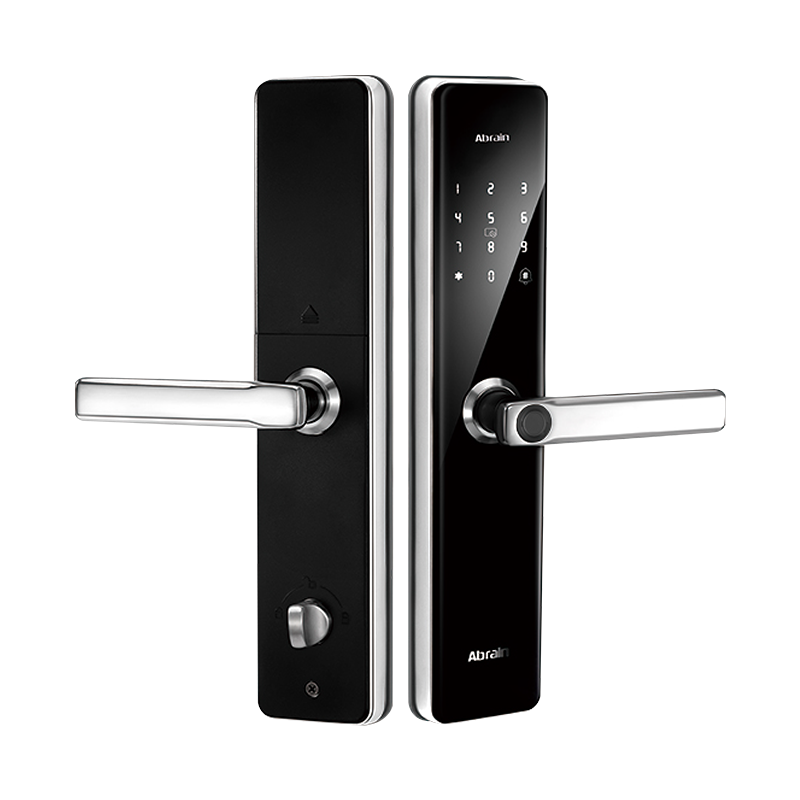
Fumbling for keys with grocery bags in both hands, or realizing a spare key given to a dog walker never got returned, are the kinds of small daily frustrations that push people toward a smart lock rather than sticking with a traditional deadbolt.
| Reason | Description |
|---|---|
| Key convenience | Cuts down on carrying and losing physical keys |
| Access management | Lets a homeowner control who can get in and when |
| Modern home design | Brings smart features into an otherwise traditional door |
| Daily convenience | Makes coming and going less of a hassle |
A family renting out a spare room, a small business owner managing a home office with occasional visitors, or a parent wanting to give a teenager their own access code all end up considering this upgrade for slightly different reasons, even though the underlying appeal is the same.
Not Every Wooden Door Is Ready for This Right Away
Before ordering anything, it's worth actually looking closely at the door itself rather than assuming any smart lock will just fit. Wooden doors vary quite a bit — some are simple slabs, others have decorative panels, beveled edges, or non-standard lock placements that don't match what most smart locks are designed around.
| Check Item | Why It Matters |
|---|---|
| Door condition | A warped or damaged door creates problems no lock can fix |
| Existing lock position | Determines whether a direct swap is realistic |
| Door thickness | Some smart locks only fit within a certain thickness range |
| Door opening direction | Affects how the components need to be arranged |
A door that's been swelling slightly with humidity for the past few winters, or one that's already sticking a little at the frame, should get those issues addressed first. Installing a smart lock on top of an existing structural problem just means dealing with two issues instead of one down the line.
Getting Organized Before Picking Up a Drill
Rushing into installation without reading through the instructions first is how small mistakes turn into bigger headaches. Every smart lock has its own specific requirements, and skimming past that information usually shows up later as a misaligned hole or a part that doesn't sit flush.
A reasonable prep routine looks like this:
- Look closely at the current lock setup on the door.
- Confirm the new lock is actually compatible with the door's thickness and structure.
- Gather whatever basic tools the installation calls for.
- Clear and clean the area around the existing lock.
- Open and close the door a few times to check it's moving smoothly before starting.
That last step matters more than it seems. A door that already drags slightly against the frame or doesn't sit level isn't going to suddenly behave better once a new lock gets added — if anything, the extra weight or altered balance point can make an existing issue more noticeable.
Taking Out the Old Lock Without Damaging the Door
If there's already a traditional lock in place, that has to come out first. How it comes apart depends on the specific design, but the general idea is removing the handle, latch, and any related hardware while keeping the surrounding wood intact.
This is where patience matters more than speed. Forcing a stuck screw or prying at a stubborn faceplate can leave gouges or splinters that are hard to hide once the new lock goes in, especially if the new lock doesn't cover the exact same footprint as the old one.
Once everything's removed, take a moment to clean out the cavity — old screws, dust, or leftover adhesive can all interfere with how cleanly the new components sit once installation actually starts.
Putting the New Lock Into Place
With the door cleared and ready, the actual installation usually moves through a handful of predictable stages.
| Installation Stage | Main Action |
|---|---|
| Position check | Confirming exactly where each component will sit |
| Component installation | Attaching the outer and inner sections of the lock |
| Lock connection | Linking the two sides so the mechanism operates together |
| Function test | Checking that the door opens and closes as expected |
The outer piece sits on the exterior side of the door, facing whoever's coming in, while the inner piece mounts on the interior side. Getting these two halves aligned correctly is what makes the whole mechanism work smoothly rather than catching or sticking with every use.
After everything's connected, opening and closing the door repeatedly is worth doing before considering the job finished. A lock that works fine the first time but starts binding on the fifth or sixth open usually means something's slightly out of alignment and needs a second look before it becomes a daily frustration.
Making the Lock Actually Work the Way It's Supposed To
Getting the hardware installed is only half the job. A smart lock still needs to be configured before it does anything smarter than a regular deadbolt.
This stage usually involves:
- Adding whoever needs authorized access, whether that's family members, a cleaner, or a dog walker.
- Adjusting basic settings to match how the household actually wants to use the lock.
- Connecting it to a broader home system, if the household already uses one.
- Testing out the different ways the lock can be unlocked, whether that's a code, an app, or a physical backup key.
It's worth taking the time to actually understand what each setting does rather than clicking through options quickly just to finish setup. A parent setting up temporary access for a house sitter, for instance, wants to be confident that access actually expires when it's supposed to, not just assume it worked because the app didn't show an error.
What Tends to Go Wrong, and Why
Even a fairly straightforward installation can run into a few recurring issues, and most of them trace back to something small getting rushed or overlooked.
A door that suddenly doesn't close as smoothly as before usually means the lock's position needs a small adjustment — sometimes just a few millimeters off is enough to catch on the frame. Parts that feel loose after installation are worth checking immediately rather than assuming they'll settle on their own, since a loose connection at the outset generally means the screws weren't tightened enough or a component wasn't seated properly.
| Problem | Possible Cause |
|---|---|
| Door doesn't close smoothly | Lock position needs adjusting |
| Lock parts feel loose | Installation connection wasn't secured properly |
| Smart functions aren't responding | Setup process is incomplete or was skipped |
If smart features aren't behaving as expected — a code not registering, or the app not connecting — going back through the setup instructions usually catches whatever step got missed before assuming something's actually broken.
Keeping the Lock and Door Working Well Together Over Time
A smart lock isn't a one-time install and forget kind of upgrade. The lock and the door it's attached to both shift slightly over time, and paying attention to that keeps small issues from turning into bigger ones.
Wiping down the lock's exterior regularly keeps dust and grime from building up in the keypad or sensor area. Keeping an eye on the wooden door itself matters just as much, since wood naturally expands and contracts with humidity and temperature changes throughout the year, and that movement can gradually affect how well the lock aligns.
Worth checking periodically:
- Whether the door still closes fully and latches without extra force.
- Whether any screws or components have loosened with regular use.
- Whether the smart functions are still responding as expected.
- Whether anything looks or feels different from when it was first installed.
Catching a small alignment shift early is a lot easier than dealing with a lock that's stopped working reliably months down the line.
Doing It Yourself or Calling Someone In
Whether to handle this personally or bring in a professional really comes down to comfort level and how complicated the door itself turns out to be.
| Installation Choice | Suitable For |
|---|---|
| DIY installation | Homeowners comfortable with basic tools and following instructions closely |
| Professional installation | Households dealing with a non-standard door or wanting extra assurance |
Someone who's replaced door handles or hung shelves before probably has enough comfort with tools to handle a straightforward install. Someone facing a door with an unusual lock placement, structural quirks, or simply no interest in spending a Saturday troubleshooting alignment issues might find it worth paying for professional help instead. Either way, getting the fit right the first time matters more than saving an afternoon.
What This Upgrade Actually Changes Day to Day
Swapping a traditional lock for a smart one changes more than just how a door opens — it changes how a household thinks about access altogether. Instead of a single physical key that either exists or doesn't, there's now a system that can be adjusted, tracked, and managed based on actual daily needs.
For a family, that might mean fewer arguments over who has the spare key. For someone renting out a property, it can mean managing tenant turnover without needing to rekey the door every time someone moves out. For anyone building toward a broader smart home setup, it's often one of the first pieces that connects a traditional wooden door into something more responsive to how people actually live.
Wood brings warmth and familiarity to a home's entryway, and a smart lock brings a layer of flexibility that traditional hardware never could. Together, they let a household keep the look they're used to while gaining a bit more control over one of the most repeated actions in daily life — simply getting through the front door.
Recommended Products

Ready to Begin?
Product Categories
Contact Information
 Email: [email protected]
 Phone: +86-13575699186
 Address: No.135, Wanyu Road, Zhiying Industrial Zone, Yongkang City, Zhejiang Province, China.
QR Code
Copyright © Yongkang Ruian Lock Industry Co, Ltd. All rights reserved.
