
 русский
  Español
  عربى
عربى Industry News

GET A QUOTE
How Smart Lock for Wooden Door Fits Smart Home Trends
A woman renovating her grandmother's old farmhouse spent weeks agonizing over whether to swap out the original solid wood front door entirely. She loved the door itself — the grain, the weight of it, the way it had clearly been hand-fitted decades ago — but she also wanted her kids to be able to let themselves in after school without juggling a house key on a lanyard. She ended up keeping the door and just adding a smart lock designed to fit into existing wood without altering the door's actual character. Problem solved, door intact, kids no longer losing keys in their backpacks. That's really the core tension a lot of homeowners run into with a Smart Lock for Wooden Door — wanting the convenience of digital access without giving up the warmth and texture that made them choose a wooden door in the first place. The better products on the market these days are built specifically to solve that tension rather than force a choice between the two.
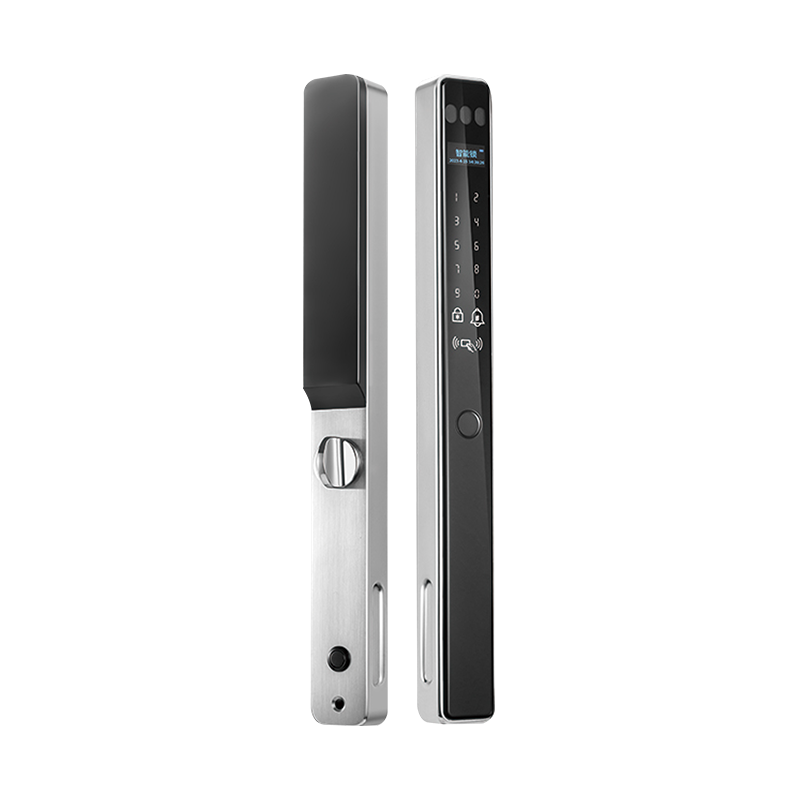
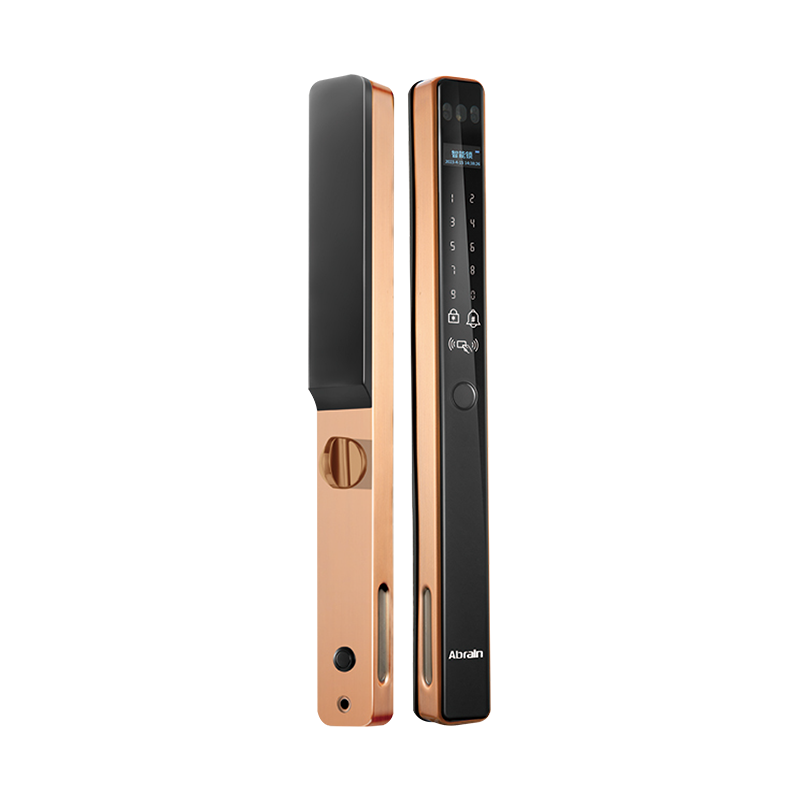
What Actually Makes Up a Smart Lock for Wooden Door?
At a basic level, this is a locking mechanism built to work with wood doors specifically, offering digital ways to unlock the door alongside or instead of a traditional metal key.
The real difference from an old mechanical lock is how access actually gets managed. Instead of a single physical key that either works or doesn't, a smart lock lets someone unlock the door through a code, a fingerprint, a phone, or sometimes a mix of these depending on what's actually installed.
A typical setup breaks down into a handful of parts:
| Part | What It Actually Does |
|---|---|
| Lock body | The core mechanism that actually secures the door |
| Exterior panel | Where someone actually interacts with the lock from outside |
| Interior control | Manages locking from inside the house |
| Electronic control unit | Runs the digital side of things |
| Power source | Keeps the electronic functions running |
These pieces work together, but they also have to physically fit into a wood door's specific thickness and structure, which is part of why not every smart lock on the market actually suits every wooden door out there.
Why Are So Many Homes Leaning Into Smart Systems Now?
People increasingly expect their homes to just work with them rather than requiring constant manual fiddling — adjusting a thermostat by hand, checking each light switch individually, digging for keys every single time they walk in the door.
That expectation has crept into how people think about home entry too. A few things seem to be driving this shift:
- wanting daily routines to feel a bit less friction-heavy
- household devices increasingly talking to each other rather than working in isolation
- more flexible ways to manage who actually has access to the house
- controlling more of the home from a single phone or app
- generally keeping household tasks a bit more organized
Door security fits pretty naturally into all of this. It doesn't feel like some separate, isolated upgrade anymore — it's just one more piece of a home that's already leaning connected.
How Does This Actually Help With Everyday Life?
Most people walk through their front door multiple times a day without thinking twice about it, which is exactly why small improvements here tend to matter more than people expect.
A smart lock on a wooden door tends to help in a few specific, recurring situations:
| Everyday Moment | How the Lock Actually Helps |
|---|---|
| Coming home with hands full | Skips the fumbling-for-keys step entirely |
| Heading out the door | Confirms the door's actually locked behind you |
| Kids coming home from school | Gives them their own way in without a spare key |
| A guest or contractor stopping by | Lets them in with a temporary code, no key handoff needed |
None of this is really about replacing a traditional key out of some abstract principle. It's about handling the same basic job — getting in and out of the house — with a bit less daily friction than a metal key sometimes creates.
For a household juggling school schedules, work, and everything else, that small bit of added flexibility tends to add up over a normal week.
Does This Actually Look Right on a Wooden Door?
Wood doors have stuck around for a reason — they bring warmth and texture that a lot of other materials just don't replicate. Understandably, plenty of homeowners hesitate before adding anything electronic to a door they specifically chose for that classic look.
The better smart lock designs on the market these days actually pay attention to this concern directly. A lot of them focus on:
- keeping the exterior styling simple rather than flashy
- proportions that don't overwhelm the door's existing design
- neutral finishes that don't clash with different wood tones
- hardware that reads as intentional rather than bolted-on
The whole point is letting the technology sit quietly alongside the door's natural character instead of fighting against it. As home design in general keeps drifting toward cleaner, more restrained looks, smart lock design has been following that same direction.
How Does This Fit Into a Bigger Connected Home Setup?
Smart homes rarely revolve around just one device. Usually it's a handful of things — lights, thermostats, maybe a video doorbell — all working together rather than operating as separate, disconnected gadgets.
A smart lock on a wooden door can plug into that same setup, becoming one more piece of a household's overall access and automation routine.
| Home Activity | Where the Lock Fits In |
|---|---|
| Coming and going daily | Handles routine entry without extra steps |
| Managing the household overall | Becomes part of a bigger connected routine |
| Letting visitors in | Helps track and control who's actually entering |
| Automating small daily tasks | Can work alongside lighting or other smart devices |
As more everyday household items get connected, the front door naturally becomes part of that same conversation rather than staying separate from it.
Why Are People Actually Swapping Out Their Old Locks?
Plenty of traditional mechanical locks still work perfectly fine, mechanically speaking. The reasons people replace them usually have less to do with the lock breaking and more to do with changing how the household actually wants to function day to day.
Common reasons this comes up:
- getting tired of losing or forgetting physical keys
- wanting an easier way for family members to come and go
- simplifying how guests or service workers get let in
- treating it as part of a broader home upgrade already underway
Convenience tends to drive this decision a lot more than pure appearance. Plenty of homeowners fold a smart lock into a larger renovation or upgrade project rather than buying one as a standalone impulse purchase.
What Should Someone Actually Check Before Buying One?
Not every smart lock fits every wooden door, and figuring that out before buying saves a lot of hassle later.
| What to Check | Why It Actually Matters |
|---|---|
| Door compatibility | Some locks need specific door types or hardware setups |
| Door thickness | A lock built for a thin door won't necessarily fit a thick one |
| How it actually installs | Some need professional help, others are simpler DIY jobs |
| How the household actually uses the door | Shapes which features are actually worth paying for |
| How it looks against the home's overall style | Matters a lot for keeping a consistent exterior look |
Taking a bit of time upfront to think through these questions tends to lead to a lock that actually fits both the physical door and how the household really operates day to day, rather than one that looks good in a product photo but causes friction once it's actually installed.
How Much Does Installation Actually Affect the Experience?
A smart lock that's installed correctly tends to just work — quietly, reliably, without much thought required. One that's installed poorly tends to become a daily annoyance instead.
Getting installation right usually involves:
- double-checking the lock actually fits the specific door
- positioning it correctly so it aligns with the existing door frame
- testing that every access method actually works before relying on it
- making sure the door still swings and closes properly afterward
Some households bring in a professional for this, especially with older or unusually thick wooden doors. Other products are built for a more straightforward DIY install. Either way, following the actual installation guidance tends to prevent the kind of small misalignment issues that turn into bigger headaches down the line.
How Are Manufacturers Actually Responding to What People Want?
Homeowners these days generally expect a product to look good and work smoothly, not just do its basic job. Smart lock manufacturers have picked up on that pretty clearly.
| What's Getting Attention | Why It Matters |
|---|---|
| Simple, intuitive operation | Makes daily use feel effortless rather than fiddly |
| A more refined, modern look | Fits comfortably into contemporary home exteriors |
| Flexible installation options | Works across a wider range of actual wooden doors |
| Smart home compatibility | Lets the lock plug into a bigger connected setup |
This all reflects a fairly simple shift in what people actually expect now — a lock that fits neatly into how a modern, connected household already runs, rather than feeling like a separate piece of tech bolted onto the front of the house.
Where Does This Leave Wooden Doors Going Forward?
Smart home features have quietly become just a normal part of how houses get built and renovated, rather than some niche add-on reserved for tech enthusiasts. As more households pick up connected devices throughout the home, the front door is naturally following that same path, alongside the thermostats and lighting systems that got there first. A Smart Lock for Wooden Door captures that shift well — pairing digital, flexible access with the warmth and character that made a wooden door the right choice for that home in the first place. Its role goes beyond simply locking and unlocking. It becomes part of a household's daily rhythm — the same quiet convenience that let that renovated farmhouse keep its original door while giving a set of kids their own reliable way in after school, no spare key required.
Recommended Products

Ready to Begin?
Product Categories
Contact Information
 Email: [email protected]
 Phone: +86-13575699186
 Address: No.135, Wanyu Road, Zhiying Industrial Zone, Yongkang City, Zhejiang Province, China.
QR Code
Copyright © Yongkang Ruian Lock Industry Co, Ltd. All rights reserved.
