
 русский
  Español
  عربى
عربى Industry News

GET A QUOTE
Smart Lock for Home Door: Types, Features & Benefits Guide
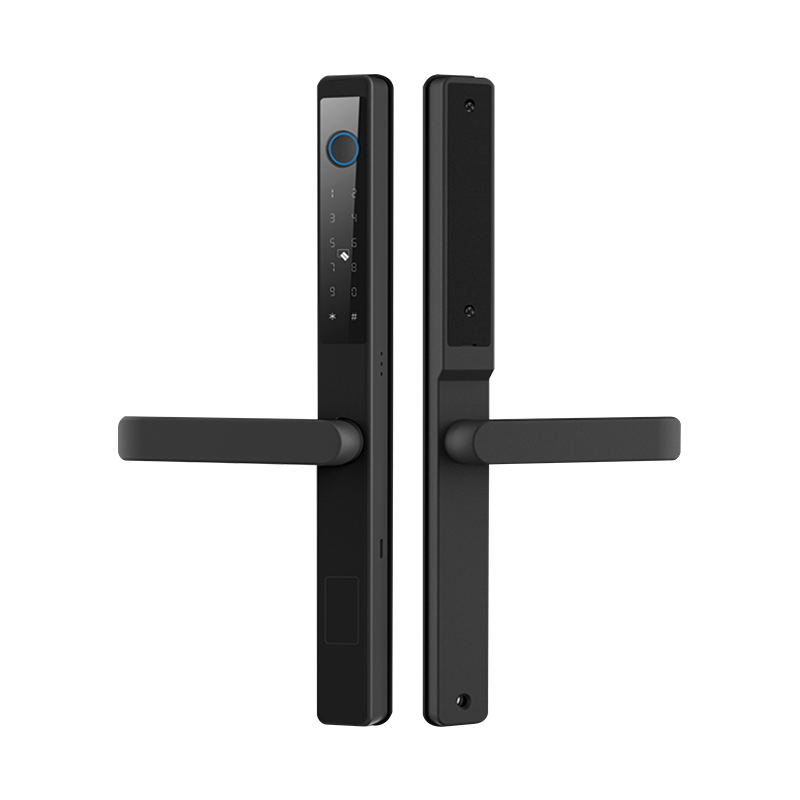
A woman gets home from grocery shopping, both arms full of bags, and spends an awkward minute digging through her purse for keys she swears were right there a second ago. Her neighbor, meanwhile, walks up to the same kind of front door and just taps her phone against it — bags still in hand, door already open. That small difference in daily convenience is a big part of why smart locks have quietly worked their way into so many homes over the past few years. A Smart Lock for Home Door replaces the old routine of fumbling with metal keys, offering entry through a phone, a fingerprint, a numeric code, or sometimes a mix of all three depending on the model. It's not really about ditching security for convenience — it's about handling the same basic job a traditional lock does, just through methods that fit better into how people actually live now.
What Exactly Counts as a Smart Lock?
A smart lock is an electronic locking device built around digital access instead of a physical key turning a mechanical bolt. Where a traditional lock only opens for whoever's holding the right cut piece of metal, a smart lock opens for whoever's been given the right digital credential — a fingerprint, a code, a phone signal, or a card, depending on how it's set up.
Underneath that, the point stays the same as it's always been: keeping a door secure while letting the right people through. What's changed is how that permission actually gets granted and managed day to day.
Many smart locks also tie into a broader home setup, letting someone check remotely whether a door's locked, or hand a temporary code to a dog walker without ever having to make a spare key. That kind of flexibility is really the whole draw — a smart lock doesn't just secure a door, it gives homeowners a more hands-on way to manage who comes and goes.
What Types of Smart Locks Actually Exist?
Not every smart lock works the same way, and picking one really comes down to matching the mechanism to how a household actually operates.
| Type | How It Works | Fits Well For |
|---|---|---|
| Fingerprint lock | Reads a fingerprint to grant entry | Households where everyone lives there full-time |
| Password lock | Opens with a numeric code entered on a keypad | Homes with regular visitors or service providers |
| Card-based lock | Unlocks with a physical access card | Shared buildings, rental units |
| Mobile-control lock | Operates through a smartphone app | Homes already using other smart devices |
| Hybrid lock | Combines two or more of the above | Households wanting backup options |
Fingerprint locks tend to appeal to people who are tired of the whole key-carrying routine altogether — nothing to lose, nothing to forget on the kitchen counter.
Password locks work well for families juggling different schedules. A parent can hand out a temporary code to a babysitter without needing to cut an extra key or worry about getting it back later.
Card-based locks show up more in apartment buildings or shared housing, where managing a batch of physical keys for multiple units gets complicated fast.
Mobile-control locks make sense for anyone already running a few smart devices at home — a thermostat, some lights, maybe a video doorbell — since the door lock just becomes one more thing controlled from the same app.
Hybrid locks exist for people who want a backup plan. Fingerprint scanners can occasionally misread a wet or dirty hand, so having a code as backup means nobody's ever actually locked out.
What Actually Matters When Picking One?
Choosing a smart lock isn't really about finding the flashiest option on a store shelf. It comes down to how a specific household actually uses its front door.
How access gets managed day to day
A family with teenagers, occasional guests, and a cleaning service every couple weeks has very different access needs than someone living alone. Smart locks let households assign different access methods to different people instead of everyone sharing one identical key.
Checking in from somewhere else
Some locks let a homeowner glance at a phone screen and confirm the door's actually locked, even from work or halfway through a trip. That small reassurance matters more than people expect — the number of times someone's driven back home just to double-check a door isn't small.
Not needing a physical key at all
Losing a house key used to mean either hoping a spare turns up or calling a locksmith. Going keyless sidesteps that whole scenario. Nothing physical to misplace means one less thing to worry about on a busy morning.
Actually being simple to use
A lock that requires reading through a lengthy manual just to change a code isn't solving much of a problem. The better designs let even a less tech-savvy family member set things up without frustration.
Working with whatever else is already installed
A lock that connects smoothly with an existing smart home setup tends to feel like less of a hassle than one that operates completely on its own, disconnected from everything else in the house.
Why Are So Many Households Actually Switching?
A lot of this comes down to how people already manage most other parts of daily life through their phones — banking, grocery lists, unlocking a car. A front door running on similar logic doesn't feel like that big a leap anymore.
Flexibility plays a real role too. A traditional key either works or it doesn't — there's no in-between. A smart lock can hand out limited, temporary access to a repair technician for one afternoon without ever touching the main household code.
Convenience matters just as much in practice. Fewer physical keys jingling around means less to juggle while unlocking a stroller, carrying groceries, or managing a squirming toddler at the front door.
There's also a broader shift toward paying closer attention to home security generally, and smart locks fit into that by giving people actual visibility and control rather than just trusting that a key hasn't fallen into the wrong hands somewhere along the way.
How Does a Smart Lock Actually Strengthen Security?
A smart lock isn't just swapping out the mechanism for something more modern-looking — it changes what a homeowner can actually see and control around entry.
Some systems keep a log of when the door's been unlocked and by which method, which turns out to be genuinely useful. A parent can check that the kids actually made it home from school without needing a phone call.
Permissions can also shift as circumstances change. A homeowner might grant a house-sitter access for a specific week while traveling, then revoke that access the moment they're back, all without changing a single physical lock.
Lost keys stop being quite the same emergency they used to be. Instead of scrambling to get a locksmith out or worrying about who might've picked up a dropped key somewhere, a digital code can just get changed on the spot.
None of this replaces basic common sense around security though — a smart lock works best as part of a household's overall approach, alongside decent lighting, secured windows, and just generally paying attention.
What Do People Actually Gain From Installing One?
| Benefit | What It Looks Like Day to Day |
|---|---|
| Easier entry | Multiple ways in besides just a key |
| More control over access | Deciding exactly who gets in and when |
| Flexibility | Different methods suited to different situations |
| A cleaner look | Fits modern door hardware and interior style |
| Smoother daily routine | Less friction getting in and out of the house |
Convenience tends to be the first thing people notice, honestly — not fumbling for keys in the dark, not worrying about a lost spare.
Better control over who has access follows close behind. Households end up with a clearer sense of who's coming and going instead of just hoping everyone with a key is trustworthy.
The lifestyle fit matters too. Renters, growing families, people managing a property they don't live in full-time — all of these situations benefit from flexible access that doesn't require rekeying a door every time circumstances shift.
Even the physical appearance has come a long way. A lot of newer designs blend into a front door's existing hardware rather than looking like an obvious tech add-on bolted onto something that used to look normal.
How Should Someone Actually Choose the Right One?
Picking a smart lock starts with taking an honest look at the door it's actually going on, since not every lock fits every door style or thickness.
Personal habits matter just as much. Someone who's constantly losing track of their phone probably shouldn't rely entirely on a mobile-only lock, while someone with dirty or calloused hands from manual work might find a fingerprint scanner occasionally frustrating.
How a household actually uses its front door day to day should shape the decision more than any single flashy feature. A lock that fits naturally into existing habits tends to actually get used correctly, rather than becoming one more piece of technology that gets bypassed out of frustration.
Realistic expectations around security help too. Understanding exactly what a given lock can and can't do avoids disappointment down the line.
Ongoing support matters as well. A lock is only as good as the company standing behind it when something eventually needs troubleshooting or replacing.
Where Is All This Heading for Home Living?
Smart locks are really just one piece of a much larger shift toward homes where devices talk to each other and adjust to how people actually live, rather than the other way around. As more households pick up connected devices, door locks are increasingly becoming just another piece of that same ecosystem instead of standing apart on their own. What's coming next probably leans further into personalization — locks that adjust more naturally to a household's actual rhythms rather than requiring constant manual tweaking. For most homeowners, though, the appeal stays fairly grounded. A smart lock isn't really about chasing new technology for its own sake. It's about getting through a front door a little more easily on an ordinary Tuesday, arms full of groceries, without needing to dig through a bag for keys that always seem to hide at the bottom.
Recommended Products

Ready to Begin?
Product Categories
Contact Information
 Email: [email protected]
 Phone: +86-13575699186
 Address: No.135, Wanyu Road, Zhiying Industrial Zone, Yongkang City, Zhejiang Province, China.
QR Code
Copyright © Yongkang Ruian Lock Industry Co, Ltd. All rights reserved.
