
 русский
  Español
  عربى
عربى Industry News

GET A QUOTE
Material Characteristics of 304 Stainless Steel Smart Lock
Material Characteristics of 304 Stainless Steel
A 304 stainless steel smart lock is distinguished primarily by the material used in its external structure and internal supporting components. 304 stainless steel is an austenitic stainless steel alloy composed mainly of iron, chromium, and nickel. This composition gives the material stable mechanical properties and resistance to oxidation and corrosion in common indoor and outdoor environments.
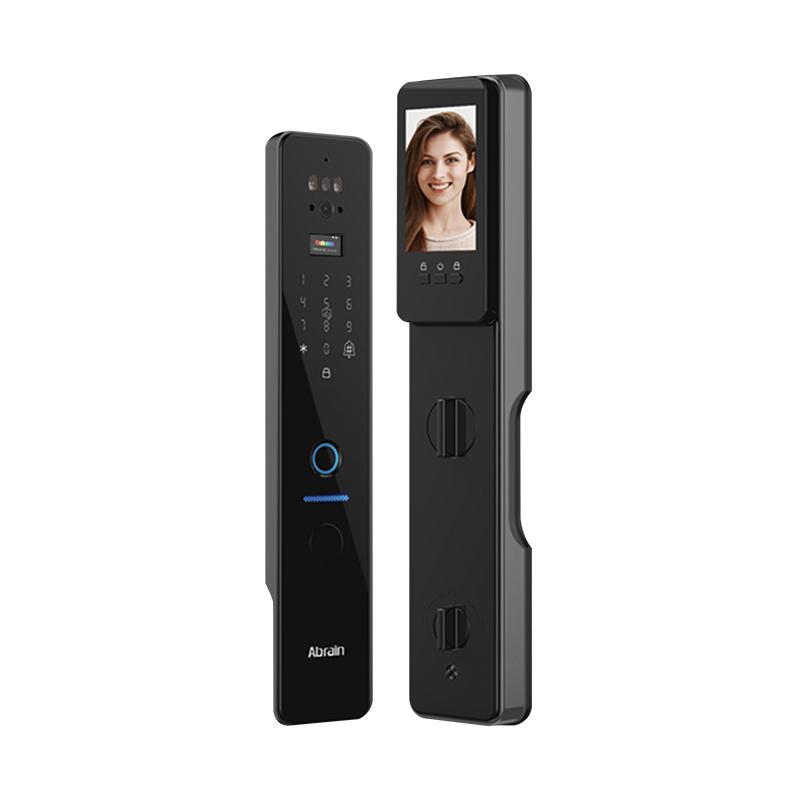
In smart locks, 304 stainless steel is often used for the front and back panels, handle assemblies, and structural frames. The material resists rust when exposed to humidity, light rain, or temperature variation, which helps maintain surface integrity over time. Compared to ordinary carbon steel, 304 stainless steel does not require additional surface coatings to maintain basic corrosion resistance.
From a structural standpoint, the material provides sufficient strength to protect internal electronic and mechanical components. Its hardness supports resistance to deformation caused by daily handling, while its surface can be finished through brushing or polishing to achieve a consistent appearance. These material characteristics make 304 stainless steel suitable for smart lock housings intended for frequent use.
Functional Design and Access Control Methods
The functional design of a 304 stainless steel smart lock integrates electronic access control with traditional locking mechanisms. The lock typically includes a motorized locking module, a control circuit, and user interface components such as a keypad, fingerprint sensor, card reader, or wireless communication module.
Access control is achieved through digital authentication methods. Common options include numeric passwords, fingerprint recognition, RFID cards, or mobile applications connected via Bluetooth or Wi-Fi. These methods allow users to unlock doors without physical keys. Mechanical key cylinders are often retained as a backup option in case of power loss or electronic malfunction.
The internal electronics are housed within the stainless steel body, which helps shield them from physical impact and environmental exposure. The lock’s firmware manages authentication, locking commands, and system feedback, such as indicator lights or sound prompts. This functional design supports controlled entry while maintaining compatibility with standard door structures.
Application Scenarios and Installation Contexts
304 stainless steel smart locks are used in a variety of residential and commercial settings where durability and controlled access are required. In residential applications, they are commonly installed on apartment doors, private houses, and rental properties. The combination of electronic access and robust material supports frequent daily use by multiple occupants.
In commercial environments, such locks are applied to office entrances, meeting rooms, and restricted access areas. Digital credentials allow administrators to manage employee access efficiently, while the stainless steel housing supports consistent operation in high-traffic locations. Some models also integrate with building management systems to support centralized access control.
Installation typically follows standard door preparation requirements, including proper door thickness, lock body alignment, and power supply configuration. Many smart locks are battery-powered, and the stainless steel structure helps protect internal wiring and components during installation and operation. These application contexts demonstrate the lock’s adaptability across different usage environments.
Durability, Maintenance, and Practical Benefits
From a durability perspective, 304 stainless steel smart locks are designed to withstand routine mechanical stress and environmental exposure. The stainless steel surface resists scratching and corrosion under normal conditions, reducing the likelihood of surface deterioration. This contributes to stable long-term use without frequent refinishing.
Maintenance requirements are generally straightforward. Periodic cleaning of the exterior surface and inspection of electronic components help maintain performance. Battery replacement is a routine task, and locks provide low-power alerts. The stainless steel body does not require special anti-rust treatments, simplifying upkeep.
In practical terms, the combination of material strength and electronic functionality provides a balance between physical security and user convenience. The lock supports flexible access management while maintaining a stable mechanical structure. Its design accommodates both modern digital use and traditional door hardware standards.
Recommended Products

Ready to Begin?
Product Categories
Contact Information
 Email: [email protected]
 Phone: +86-13575699186
 Address: No.135, Wanyu Road, Zhiying Industrial Zone, Yongkang City, Zhejiang Province, China.
QR Code
Copyright © Yongkang Ruian Lock Industry Co, Ltd. All rights reserved.
