русский
  Español
  عربى
عربى Industry News
HOME / NEWS / Industry News / Why Is the 304 Stainless Steel Smart Lock Becoming More Popular in the Security Market?

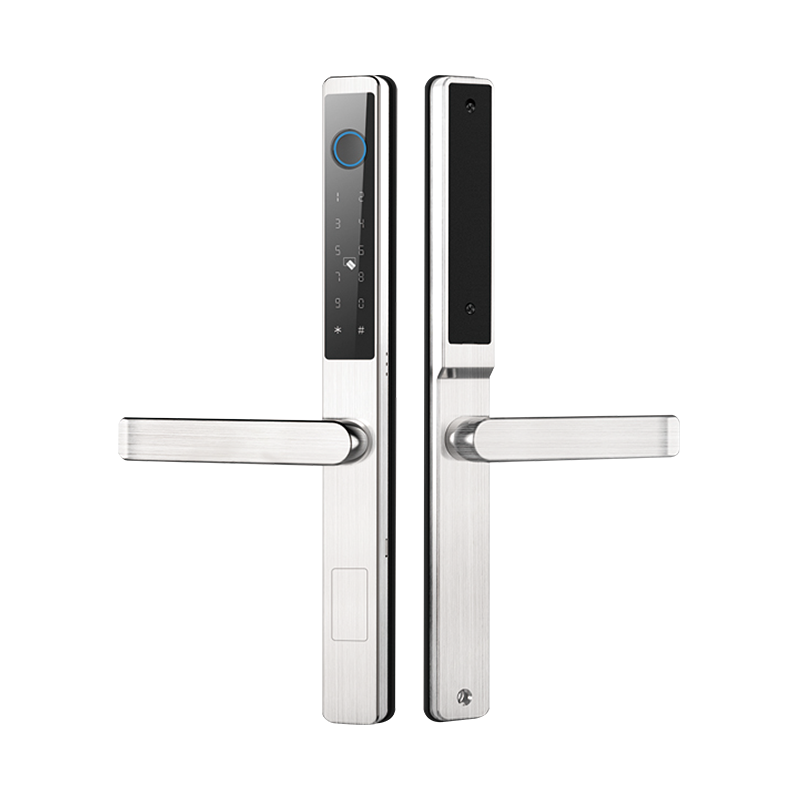
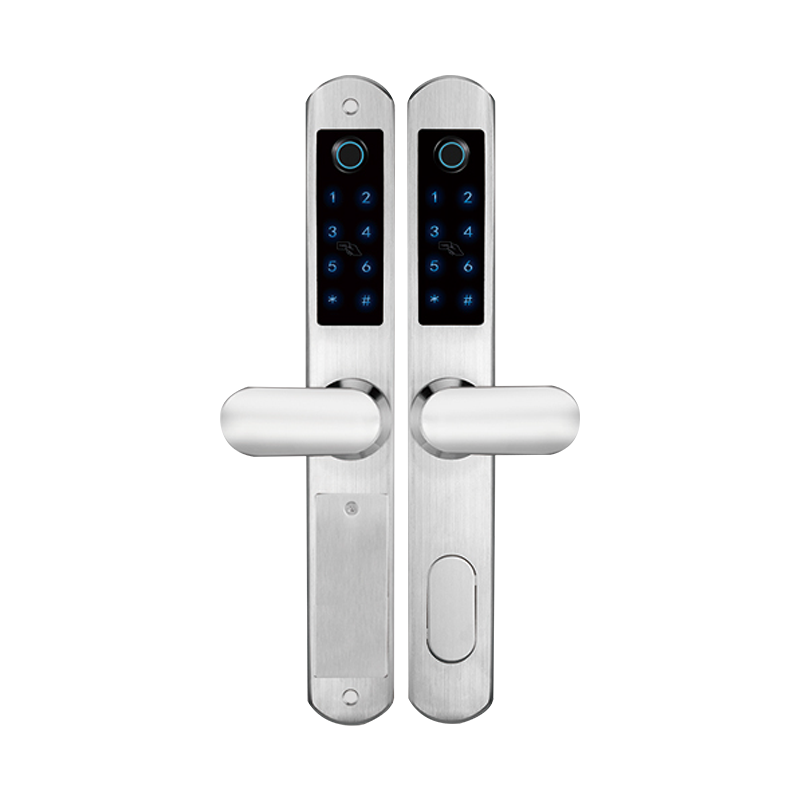
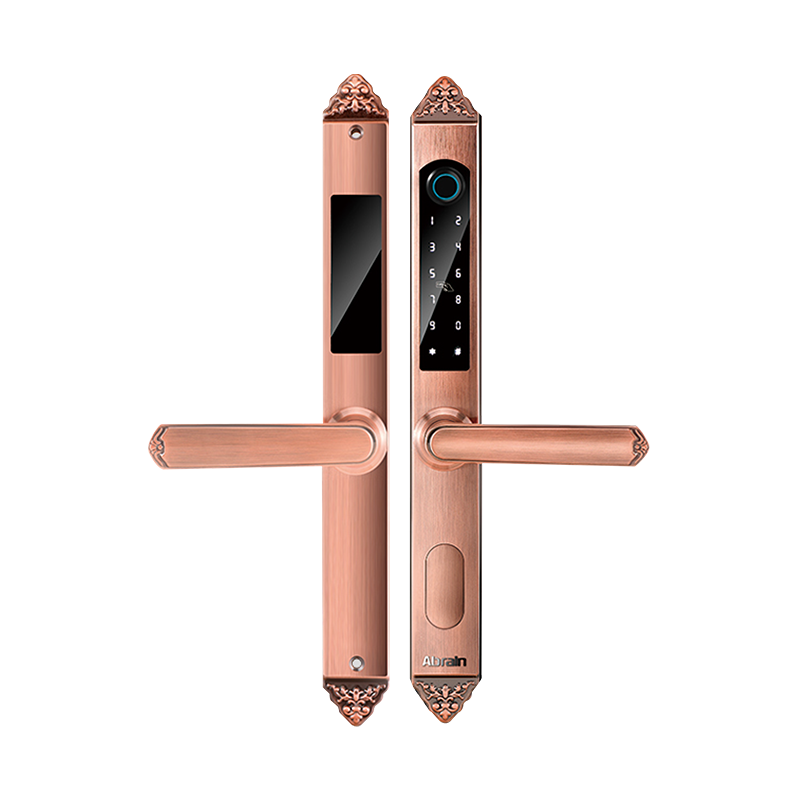
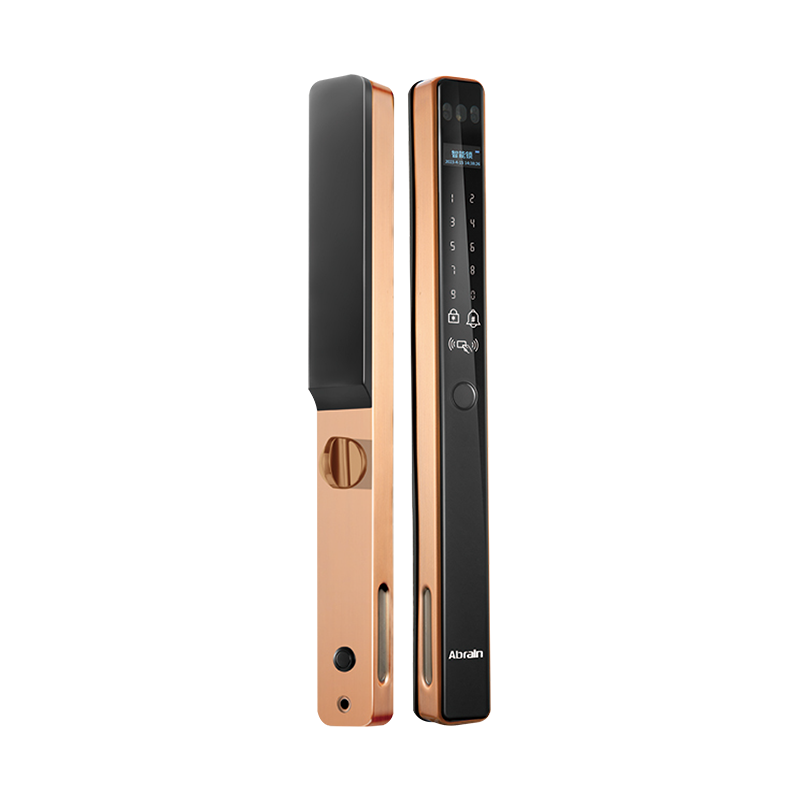
The smart lock industry has developed steadily over the past decade, driven by urbanization, residential upgrading, and the expansion of digital home technologies. Among various product categories, the 304 stainless steel smart lock has gained increasing attention from property developers, commercial building managers, and individual homeowners. Its market popularity is not based on a single factor, but rather on the combination of material durability, intelligent access control features, safety considerations, and compatibility with modern building environments.
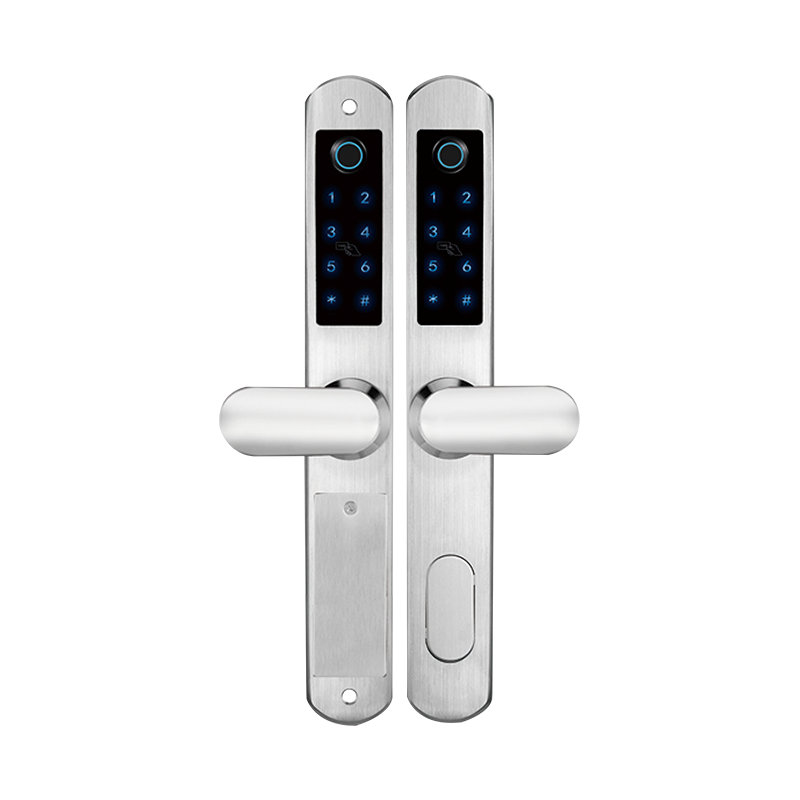
One important factor behind the growing popularity of the 304 stainless steel smart lock is the selection of material. 304 stainless steel is a widely used austenitic stainless steel containing chromium and nickel, which provide corrosion resistance and structural stability.
In the context of smart locks, this material offers several practical characteristics:
Resistance to rust in humid or coastal environments
Stable mechanical strength under daily usage
Surface durability against scratches and wear
Compatibility with both indoor and semi-outdoor installations
Compared with ordinary carbon steel, 304 stainless steel is less likely to corrode when exposed to moisture. This makes it suitable for:
Apartment entrances
Office buildings
Hotels
Public facilities
In addition, stainless steel surfaces can be treated with brushing, polishing, or coating processes, allowing manufacturers to produce products that match modern architectural styles. This balance between durability and appearance contributes to consumer acceptance.
Another reason for the rising market popularity is the integration of digital technology into traditional mechanical locking systems. Smart locks are designed to provide keyless entry and remote management functions.
Common access methods include:
Fingerprint recognition
Password input via keypad
RFID card access
Mobile application control
Temporary digital codes
In residential settings, these functions provide practical convenience. For example:
Homeowners can grant temporary access to visitors or service personnel.
Property managers can manage multiple units without distributing physical keys.
Users can check access records through connected mobile devices.
As smart home ecosystems expand, compatibility with Wi-Fi, Bluetooth, or other communication protocols becomes a purchasing consideration. Many 304 stainless steel smart locks are designed to integrate with broader home automation systems, supporting centralized management of lighting, surveillance, and security devices.
Security performance remains the primary requirement of any lock. The use of 304 stainless steel supports structural reliability in both residential and commercial applications.
Key structural advantages include:
High tensile strength compared to standard decorative alloys
Resistance to deformation under mechanical stress
Protection against forced entry attempts
Smart locks also incorporate mechanical locking cylinders as backup systems. In addition to electronic control, they often feature:
Anti-pry structural design
Tamper alarm systems
Auto-locking mechanisms after door closure
Low battery warning notifications
These safety functions provide multiple layers of protection. Even in the event of power failure, backup mechanical keys or emergency power interfaces ensure continued usability.
In regions where building codes or fire safety regulations apply, smart locks are typically designed to allow interior emergency exit without electronic verification. Compliance with such safety standards increases trust among property developers and institutional buyers.
The expansion of urban housing and commercial infrastructure has supported steady growth in the smart lock market. 304 stainless steel smart locks are widely adopted in:
Newly constructed apartment complexes
Renovated residential properties
Co-living and rental housing projects
Hotels and serviced apartments
Office buildings
Property developers often prefer durable materials to reduce maintenance frequency. Stainless steel construction reduces the risk of surface deterioration in high-traffic environments.
In rental housing and hospitality sectors, digital access control simplifies management. For example:
Access rights can be updated without changing physical locks.
Lost keys no longer require full cylinder replacement.
Temporary digital access can be programmed for limited periods.
These operational efficiencies contribute to market acceptance.
Market popularity is also influenced by consumer awareness. Buyers typically evaluate:
Material quality
Access method reliability
Battery lifespan
Installation compatibility
After-sales service availability
The combination of corrosion-resistant 304 stainless steel and electronic functionality addresses both physical durability and technological expectations. Consumers increasingly view smart locks as part of overall home security rather than optional accessories.
Additionally, as manufacturing processes mature, product pricing has become more accessible to middle-income households. This cost adjustment has expanded the potential customer base beyond high-end residential projects.
The production of 304 stainless steel smart locks benefits from established supply chains in both stainless steel fabrication and electronic component manufacturing.
Key industry factors include:
Standardized stainless steel raw material supply
CNC machining for precise lock body production
Integrated circuit manufacturing for digital control modules
Scalable assembly processes
Global distribution channels, including online retail platforms and building material wholesalers, support market reach. Installation services are increasingly available through professional contractors, further reducing adoption barriers.

 Email: [email protected]
 Phone: +86-13575699186
 Address: No.135, Wanyu Road, Zhiying Industrial Zone, Yongkang City, Zhejiang Province, China.
QR Code
Copyright © Yongkang Ruian Lock Industry Co, Ltd. All rights reserved.