
 русский
  Español
  عربى
عربى Industry News

GET A QUOTE
Smart Lock for Home Door Security vs Convenience Explained
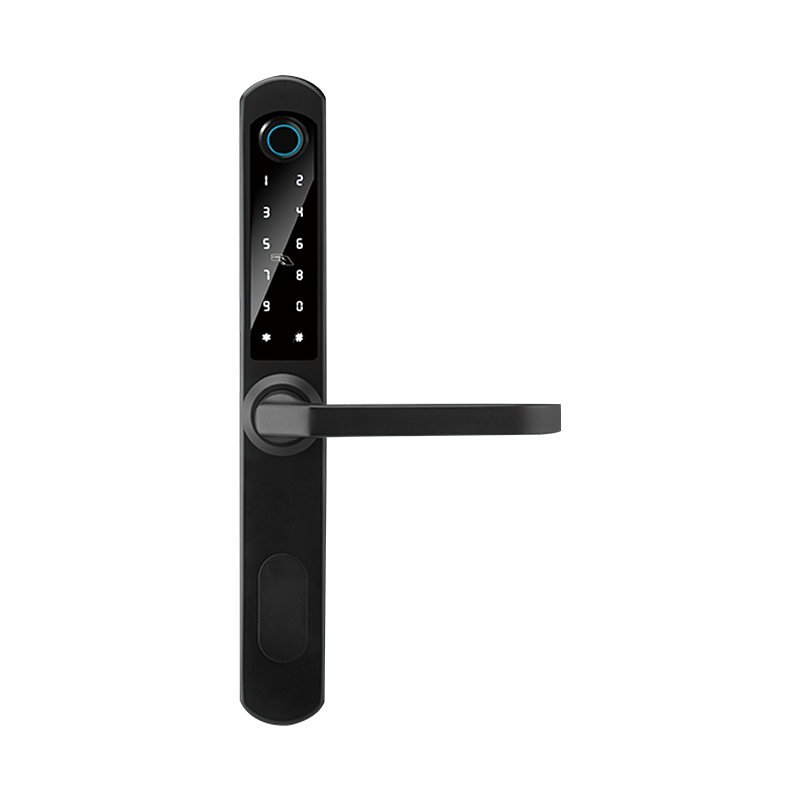
Anyone shopping for a Smart Lock for Home Door installation eventually runs into the same wall: manufacturers keep promising both airtight security and effortless daily use, but nobody explains what actually gets traded off between those two goals. That gap between marketing language and real-world performance is exactly where most buyers get stuck, unsure whether the lock they're eyeing will protect their household or just annoy everyone who has to unlock it five times a day. Getting past that confusion means understanding what security level actually measures, what convenience really costs in terms of protection, and how different lock types land on that spectrum depending on where they get installed.
What Security Level Actually Means in Practice
Security level isn't one fixed number stamped on a lock. It's a combination of factors — resistance to physical tampering, how the credential system handles duplication attempts, whether the mechanism fails safely during power loss, and how difficult the housing is to bypass without triggering an alarm.
A lock rated highly on paper can still underperform if installed poorly or paired with a door frame that doesn't support its bolt throw distance properly. Security, in other words, comes from the whole system working together, not just the lock component sitting in isolation.
Does More Security Always Mean Less Convenience?
Not necessarily, though the relationship trends that direction more often than buyers expect. Locks built around layered authentication — say, requiring both a code and a fingerprint — add friction to daily use in exchange for reduced risk of unauthorized access through a single compromised credential.
Simpler locks relying on one unlock method tend to feel faster day to day but concentrate risk into whatever that single method happens to be. If someone learns the code or clones the card, there's no secondary barrier standing between them and the door.
Common Unlock Methods and Where They Fall on the Spectrum
Most smart locks combine a few unlock methods rather than relying on just one, and each method carries its own balance of speed against risk exposure.
- Fingerprint recognition offers quick access without needing to carry anything, though sensor quality varies enough that some units struggle with worn or damp fingertips
- Numeric codes work reliably across most conditions but carry risk if someone watches the entry sequence being entered
- Bluetooth-based unlocking through a paired device adds convenience for returning household members but depends on device battery and proximity range
- Physical key backup remains standard on most units as a fallback when electronic systems fail
- IC card access suits situations where multiple people need temporary or revocable access without sharing a permanent code
None of these methods stands out as universally superior. What works cleanly in one household setup might create friction in another, depending on who's using the door and how often.
Why Do Households and Offices Weigh These Differently?
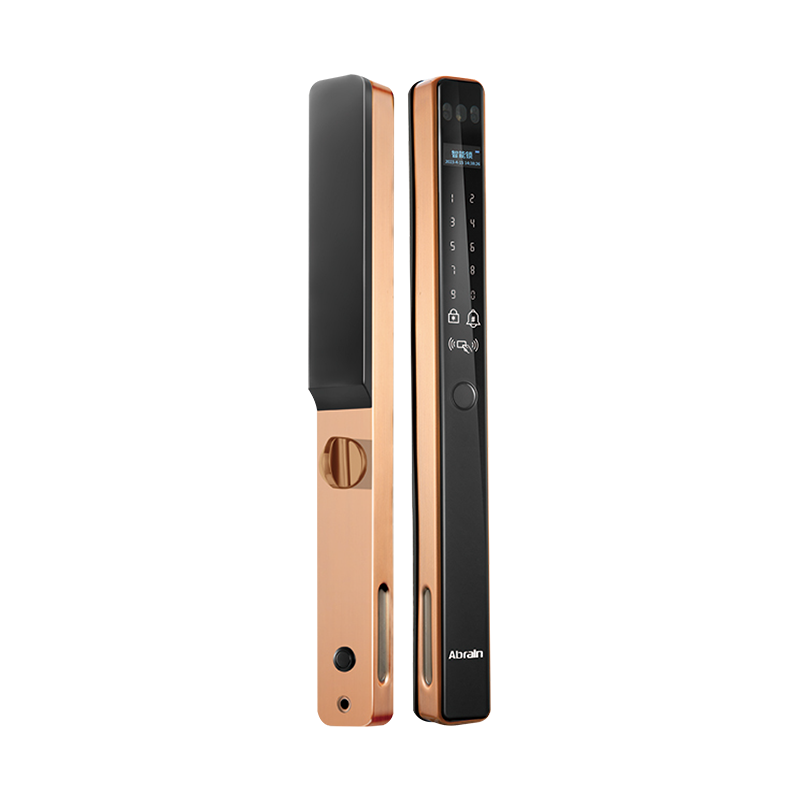
A Smart Lock for Home Door use typically prioritizes convenience for a smaller, consistent group of users — family members who come and go at predictable times and want quick access without fumbling for keys. A smart lock for office door use, by contrast, often needs to handle rotating access permissions, multiple shifts, and situations where someone's access needs revoking without physically collecting a key back.
That difference in user turnover changes which unlock method makes more sense. Offices lean toward code-based or card-based systems that can get reprogrammed quickly, while homes often favor fingerprint or Bluetooth setups tied to specific individuals who aren't changing week to week.
Comparing Lock Types Across Common Scenarios
| Lock Type | Strongest Fit | Convenience Tradeoff |
|---|---|---|
| Smart Lock for Home Door | Households with consistent, known users | Fingerprint sensors may need occasional recalibration |
| Smart Lock for Office Door | Spaces with rotating staff or visitor access | Code changes require some administrative oversight |
| Bluetooth Door Lock System | Users comfortable pairing devices for daily entry | Battery dependency on both lock and paired device |
| Lever Handle Smart Lock | Doors needing a smoother handle motion for accessibility | Mechanical lever wear over repeated heavy use |
Installation Environment Changes the Equation
Door material and frame condition influence which lock actually performs the way its rating suggests. Wooden doors handle bolt mechanisms differently than metal or composite doors, and a lock designed with one frame type in mind can underperform when forced into a mismatched setup.
Buyers sometimes overlook this until installation day, when a lock that tested fine in a showroom doesn't seat properly against their actual door thickness or frame material. Checking compatibility specifications against the actual door before purchase avoids that headache entirely.
Is a Bluetooth Door Lock System Right for Every Household?
Not really, and that's worth saying plainly. A bluetooth door lock system suits households where everyone carries a smartphone consistently and doesn't mind occasional connectivity delays when unlocking. Households with older residents, young children, or frequent guests without paired devices often find this method less practical as the sole unlock option.
Pairing Bluetooth access with a backup method — a fingerprint sensor or a keypad — usually solves this without abandoning the convenience Bluetooth offers for regular users. Relying on Bluetooth alone tends to create friction the moment someone's phone battery dies at the door.
Lever Handle Smart Lock: A Different Kind of Convenience
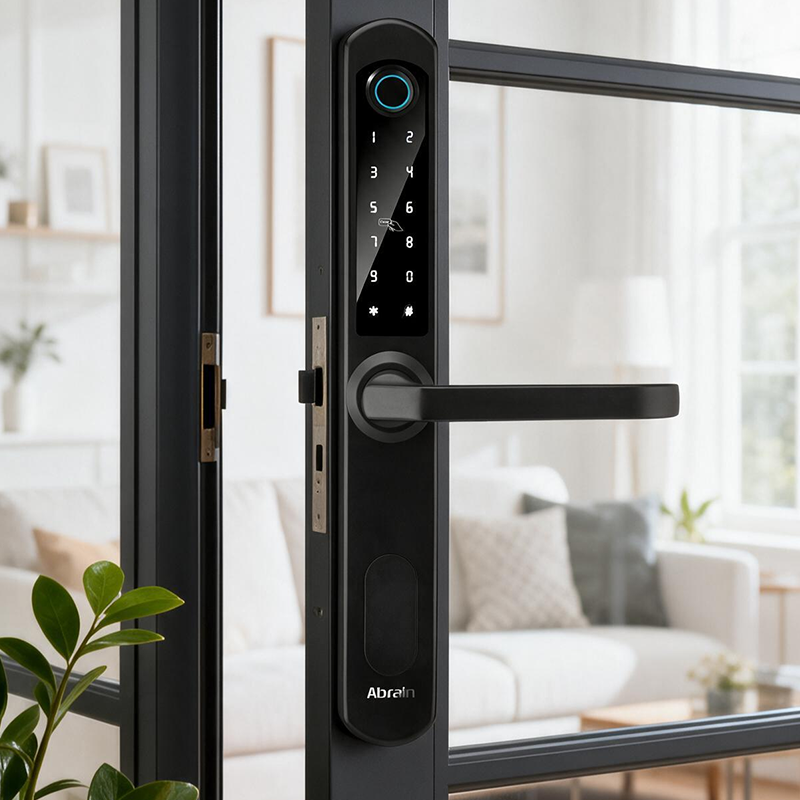
Not all convenience conversations revolve around unlock methods. Sometimes it comes down to the physical motion needed to open the door once it's unlocked. A lever handle smart lock replaces the twisting motion of a traditional knob with a downward push, which matters more than it sounds for households with older residents, young children, or anyone carrying items in both hands.
This kind of ergonomic detail rarely shows up in feature comparisons focused purely on unlock methods, yet it shapes daily satisfaction with the lock just as much as authentication speed does.
How Should Buyers Weigh Ergonomics Against Security Features?
Ergonomics and security aren't really competing considerations — they solve different problems. A lever handle smart lock doesn't inherently sacrifice security compared to a knob-style unit; the security profile depends on the locking mechanism inside, not the handle shape outside.
Buyers sometimes assume smoother, easier-to-use hardware must be less secure, but that assumption doesn't hold up once the internal bolt mechanism gets examined separately from the external handle design.
Steps for Matching a Lock to Actual Household Needs
Rather than starting with a product list, working backward from actual household patterns tends to produce a better match:
- Count how many people need regular access and whether that number changes often
- Note whether guests or service workers need occasional, temporary entry
- Check the door material and frame thickness against lock compatibility specifications
- Decide whether a single unlock method suffices or a backup method feels necessary
- Consider physical ergonomics for anyone in the household with mobility limitations
Skipping straight to comparing lock models without this groundwork often leads buyers toward a unit that looks impressive on a spec sheet but doesn't actually fit how their household or office operates day to day.
When Sourcing for Multiple Units or Commercial Projects
Buyers handling larger orders — property managers outfitting multiple units, integrators bidding on commercial installations, or distributors stocking inventory — face a different set of considerations than someone buying a single lock for personal use. Consistency across units matters more here, since mismatched hardware across a building creates support headaches down the road.
Working with a smart lock factory directly, rather than piecing together mixed sourcing from multiple retailers, tends to simplify that consistency problem. A wholesale smart lock arrangement also opens room for negotiating specifications suited to a particular building type or security policy, rather than settling for whatever configuration happens to be available off the shelf.
Does Buying in Volume Change Which Features Matter?
It shifts priorities somewhat. Individual buyers often weigh convenience heavily since they're the ones using the lock daily. Volume buyers tend to weigh reliability and support consistency more, since a lock failing across dozens of units creates a larger operational problem than a single household inconvenience.
That doesn't mean convenience stops mattering at scale — tenants and employees still need a system they're not constantly fighting with. It just means the calculation includes maintenance and replacement considerations that a single-unit household buyer might not think about upfront.
Balancing security level against convenience isn't really about picking a winner between the two, since a Smart Lock for Home Door setup that ignores either side tends to disappoint somebody eventually, whether that's a frustrated resident locked out repeatedly or a household exposed to unnecessary risk through a weak unlock method. Working through actual usage patterns, door compatibility, and whether the installation is a single household or a larger commercial rollout gives a clearer path than comparing feature lists in isolation. Yongkang Ruian Lock Industry Co, Ltd. works with buyers through exactly this kind of selection process, helping match household or commercial needs to lock configurations that hold up under daily use. Reach out with door specifications or project details, and the conversation about which lock setup fits best can start from there.
Recommended Products

Ready to Begin?
Product Categories
Contact Information
 Email: [email protected]
 Phone: +86-13575699186
 Address: No.135, Wanyu Road, Zhiying Industrial Zone, Yongkang City, Zhejiang Province, China.
QR Code
Copyright © Yongkang Ruian Lock Industry Co, Ltd. All rights reserved.
