
 русский
  Español
  عربى
عربى Industry News

GET A QUOTE
Smart Lock for Wooden Door: What Should You Know?
A lock that looks solid in the store but starts sticking within a few months once it's mounted on a wooden door. A smart lock that drains batteries faster than expected because the door swells slightly with humidity and throws off the alignment. A homeowner who installs a lock only to discover the mounting screws don't grip properly in the wood the way they did on the sample door at the showroom. Anyone shopping for a smart lock for a wooden door runs into these frustrations sooner or later, and most of them trace back to the same issue: not every smart lock is actually built with wooden doors in mind.
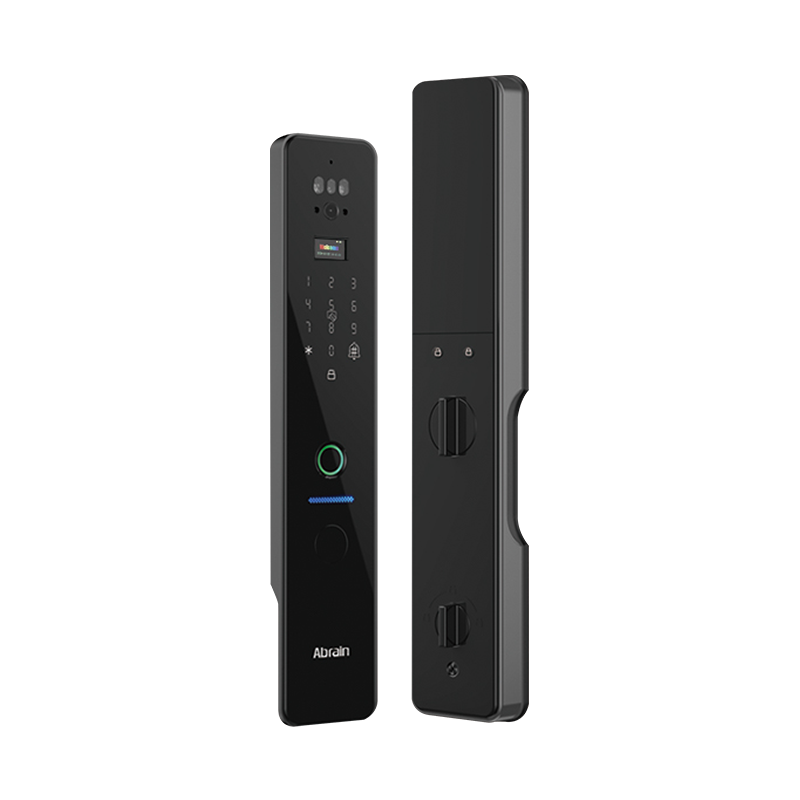
Wooden doors behave differently than metal or composite ones. They expand and contract with humidity, they flex slightly under pressure, and the material underneath the surface varies from door to door. A Smart Lock for Wooden Door use needs to account for these quirks, or it ends up fighting the door instead of working with it. Getting this right from the start saves a lot of hassle later, both with function and with keeping the door itself in good shape.
Why Do Wooden Doors Need Special Consideration When Choosing a Smart Lock?
Wood moves. That's just what it does, especially with changes in weather and indoor humidity levels throughout the year. A door that fits snugly in its frame during a dry season might swell slightly during a humid one, changing how tightly the door sits against the frame and how much resistance the lock mechanism has to work against.
A smart lock designed without this in mind can end up with an alignment problem, where the bolt doesn't slide smoothly into the strike plate anymore. This creates extra strain on the motor inside the lock, which drains battery power faster and puts wear on internal parts that weren't meant to fight against misalignment on a daily basis.
There's also the matter of the door's internal structure. Wooden doors vary quite a bit depending on how they're built. Some have solid cores throughout, while others use a hollow or semi-hollow structure with a wooden veneer on the outside. A lock that assumes a certain thickness or density for mounting hardware can end up loose or unstable if the actual door doesn't match that assumption.
A few things tend to matter more with wooden doors than with other materials:
- How well the mounting hardware grips into the actual wood fibers rather than just sitting on the surface
- Whether the lock mechanism can tolerate slight seasonal shifts in door alignment without binding
- How the door's internal structure, solid or semi-hollow, affects where and how securely a lock can be mounted
- Whether repeated locking and unlocking creates gradual wear on the wood itself around the mounting points
What Should Someone Check About Door Thickness and Structure Before Buying?
Before getting into features or style, it helps to understand what kind of door is actually being worked with. Wooden doors come in a range of thicknesses, and that thickness affects which locks will fit properly and function without issue. A lock built for a thinner door might not have enough room to install correctly on a thicker one, and the reverse causes its own problems too.
Solid wooden doors tend to give a lock more to grip into, since the material stays consistent all the way through. Semi-hollow or veneer-covered doors need a bit more thought, since the mounting area might have empty space behind the surface layer, especially near the edges where a deadbolt or latch mechanism typically sits.
Checking the door before buying anything makes the entire process smoother:
- Measure the actual thickness of the door rather than guessing based on appearance
- Check whether the door feels solid or slightly hollow when tapped near the edge
- Look at the existing hardware, if any, to understand how deep the mounting holes already go
- Note whether the door has any existing damage or wear around the current lock area, since this affects how well new hardware will seat
Skipping this step often leads to buying a lock that technically works but never quite feels solid once it's installed, which becomes an ongoing source of frustration rather than a one-time inconvenience.
Does the Type of Wood Actually Affect How a Smart Lock Performs?
Not all wood behaves the same way once a lock gets mounted onto it. Softer wood types tend to compress more easily under the pressure of screws and mounting hardware, which can lead to a slightly looser fit over time as the wood settles. Harder wood types resist this kind of compression better, holding hardware in place more consistently across years of regular use.
This doesn't mean a lock won't work on softer wood, but it does mean paying closer attention to how the hardware gets installed. Using the right screws, making sure holes are properly sized rather than forced, and avoiding over-tightening all help reduce the kind of wear that softer wood is more prone to over time.
Here's a general look at how different wood characteristics tend to relate to mounting stability:
| Wood Characteristic | Typical Mounting Behavior |
|---|---|
| Denser, harder wood types | Holds screws and hardware firmly with less settling over time |
| Softer wood types | More prone to slight compression around mounting points over time |
| Solid core construction | Provides consistent material throughout for secure mounting |
| Semi-hollow or veneer construction | May require careful attention to where hardware actually anchors |
Knowing roughly what kind of wood a door is built from, even without getting into technical detail, helps set realistic expectations about how a smart lock will hold up over the years.
How Much Does Weather Exposure Matter for an Exterior Wooden Door?
A wooden door facing the outside deals with a very different environment than one used indoors. Rain, direct sunlight, and temperature swings all affect wood differently than the relatively stable conditions found inside a home. This matters quite a bit when choosing a smart lock, since the lock itself sits right at the boundary between that exterior exposure and the more controlled environment indoors.
Moisture is probably the biggest factor here. A door that gets rained on regularly, even under a porch or overhang, still absorbs some humidity from the surrounding air. Over time, this affects how tightly the wood holds around mounting points, and it can also affect the door's overall shape enough to change how well it aligns with the lock's strike plate.
A few practical points worth thinking through for exterior wooden doors:
- Whether the door has any weatherproofing treatment or sealant that protects it from moisture absorption
- How much direct sun or rain exposure the door realistically gets throughout the year
- Whether the smart lock's electronic components are positioned in a way that minimizes exposure to weather
- How the door's alignment tends to shift between different seasons, based on past experience with that specific door
None of this means an exterior wooden door can't work well with a smart lock. It just means paying a bit more attention to how the door and the weather interact before assuming any lock will hold up the same way indoors and outdoors.
What Installation Method Works Best for a Wooden Door?
Installation methods vary between different smart lock designs, and not every method suits wooden doors equally well. Some locks require drilling new holes specifically sized for their mounting hardware, while others are designed to work with existing hardware already in place from a previous lock. Understanding which approach fits a specific door helps avoid unnecessary damage or a mismatched installation.
Drilling new holes into a wooden door is fairly routine, but it works better when the wood underneath is solid enough to hold the hardware securely. If a door has any existing damage near where new holes would go, it makes sense to address that before installing anything new, since building on top of already weakened wood tends to create problems down the road.
A few installation considerations that tend to make a real difference:
- Whether the lock can work with existing mounting holes or requires entirely new ones
- How much support the wood provides at the exact spot where mounting screws need to go
- Whether the installation process involves removing much of the door's existing structure, which increases the chance of complications
- Whether professional installation makes sense for a particular door, especially one with unusual thickness or existing damage
Taking time to think through the installation approach before buying anything tends to prevent a lot of the common headaches that come from forcing a lock design onto a door it wasn't really built for.
How Should Someone Think About Long-Term Maintenance for a Smart Lock on a Wood Door?
A smart lock isn't something to install once and forget about, especially on a wooden door where the material itself continues to shift subtly over time. Periodic checks help catch small issues before they turn into bigger ones, particularly around how well the lock aligns with the door frame as seasons change.
Checking the mounting hardware every so often makes sense too, since screws can loosen gradually with repeated use, especially in softer wood. A loose screw might not cause an obvious problem right away, but it tends to get worse the longer it goes unnoticed, eventually affecting how securely the lock actually holds the door.
A few maintenance habits that help extend the life of a smart lock on a wooden door:
- Checking periodically that the door still aligns properly with the strike plate, especially after seasonal humidity changes
- Tightening mounting screws if they show signs of loosening, without over-tightening to the point of stripping the wood
- Keeping the area around the lock clean and free of debris that could interfere with the mechanism
- Watching for any small cracks or splitting in the wood near mounting points, since this affects how securely hardware stays in place
Building these small habits into a regular routine helps a smart lock stay functional and secure well beyond the initial installation period, rather than gradually becoming a source of frustration as the door and lock settle into their new relationship with each other.
What Features Actually Matter Most for a Wooden Door Setup?
With so many smart lock options available, it helps to focus on features that specifically address the challenges wooden doors present rather than getting distracted by features aimed at other door types. Compatibility with the door's thickness and structure matters more than almost anything else, since even a well-designed lock won't function properly if it doesn't physically fit the door correctly.
Battery efficiency matters too, particularly because misalignment issues common with wooden doors can drain batteries faster than expected if the lock has to work harder to engage properly. A lock that handles slight misalignment gracefully, without straining the motor, tends to hold up better over the kind of seasonal shifts wooden doors go through.
A few features worth prioritizing specifically for wooden door installations:
- Adjustable components that can accommodate slight seasonal shifts in door alignment
- Mounting hardware designed to distribute pressure evenly rather than concentrating stress on a single point in the wood
- A design that doesn't require excessive drilling or structural modification to the door
- Reasonable tolerance for minor misalignment without triggering constant error messages or failed lock attempts
Choosing a Smart Lock for Wooden Door use comes down to matching the lock's design assumptions with the actual behavior of the door it's going onto, rather than assuming any lock marketed as smart will automatically work well regardless of the material underneath. Taking the time to check door thickness, structure, wood type, and weather exposure before buying anything helps avoid the common frustrations that come from a mismatch between lock and door. Paying attention to installation method and building simple maintenance habits afterward keeps that match working well over years of regular use, rather than letting small issues build up into bigger ones. A little extra thought at the buying stage tends to pay off consistently every time the door gets locked and unlocked, which for most households happens more times a day than anyone really stops to count.
Recommended Products

Ready to Begin?
Product Categories
Contact Information
 Email: [email protected]
 Phone: +86-13575699186
 Address: No.135, Wanyu Road, Zhiying Industrial Zone, Yongkang City, Zhejiang Province, China.
QR Code
Copyright © Yongkang Ruian Lock Industry Co, Ltd. All rights reserved.
