
 русский
  Español
  عربى
عربى Industry News

GET A QUOTE
What Features Matter in a Lever Handle Smart Lock?
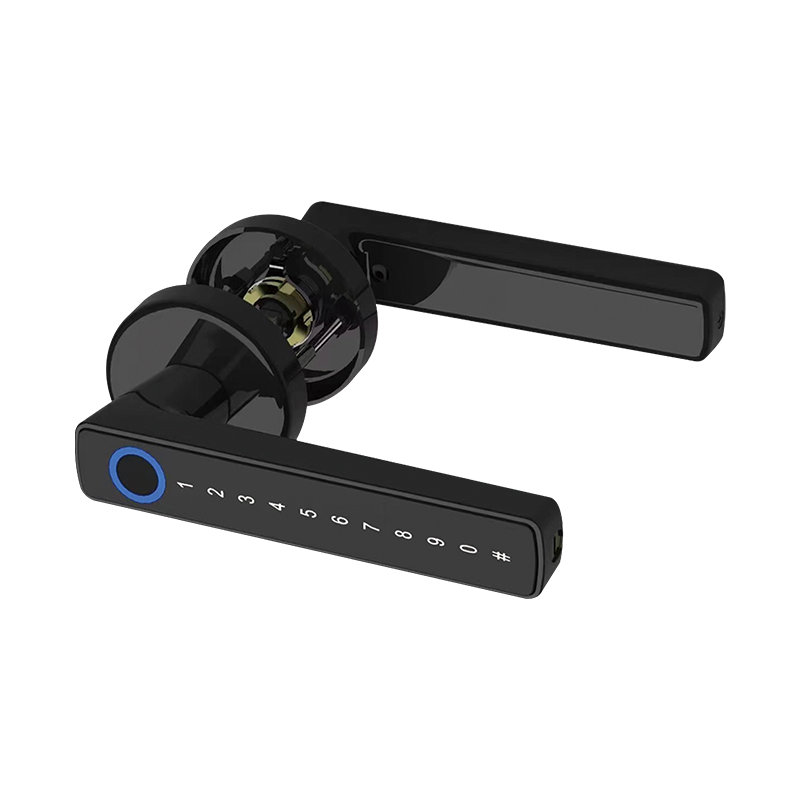
Standing in a hardware store aisle staring at five different smart locks that all promise "convenience" and "security" without actually explaining what that means for your specific front door is a genuinely frustrating way to spend a Saturday afternoon. You might want a smarter way to let your kids in after school or give a dog walker temporary access without handing out a spare key, but you're also probably worried about a confusing setup process or a handle that feels awkward every single time you grab it on your way out the door. If you've been searching for what features actually matter in a Lever Handle Smart Lock, sorting through the marketing language to find what's genuinely useful is worth doing before you buy. A smart lock changes more than just how a door opens. It changes how someone interacts with their front door dozens of times a week, and a lever handle design adds its own layer to that daily experience since it's the part your hand actually touches every single time.
Why Does the Handle Design Actually Matter Here?
The handle is the part of the lock people touch more than anything else on it, and its shape, movement, and overall feel shape the daily experience far more than most buyers expect going in.
A smart lock can pack in plenty of advanced functions, but none of that matters much if the physical design feels awkward every time someone reaches for it with grocery bags in one hand or a toddler pulling at their sleeve. A door lock genuinely needs to feel natural during the ordinary act of coming and going.
Lever handles get chosen often because they offer an easy gripping point, something that helps in homes with kids, offices with frequent foot traffic, rental units, or really anywhere people are moving through a door regularly throughout the day.
| Design Feature | Why It Matters |
|---|---|
| Handle shape | Shapes how comfortable it feels during daily use |
| Lock appearance | Affects how well it matches the door and surrounding trim |
| User interaction | Determines how convenient it feels day to day |
| Installation fit | Helps the lock actually work properly with the door it's mounted on |
A well-balanced design lets the technology inside and the everyday habits of the people using it actually work together instead of fighting each other.
What Access Methods Are Actually Worth Considering?
One of the biggest reasons people move toward a smart lock in the first place is the ability to manage access in more than one way.
Traditional keys demand physical possession, which sounds simple until someone loses one or a spare goes missing without anyone noticing for weeks. Smart locks introduce other options that can make entry a lot more flexible depending on who needs to get in and when.
Different households and workplaces lean toward different access methods depending on how people actually live and work.
A few common options worth knowing about:
- Digital entry methods like a keypad code
- Mobile control functions through a paired app
- Physical backup options for when batteries die or an app glitches
- User-specific access settings for different family members or employees
Each of these serves a different purpose. Some people mainly want quick, no-fuss entry every day without fumbling for keys. Others need to manage access for family members, coworkers, or the occasional guest staying over for a weekend.
A parent juggling school pickups probably cares about quick, reliable daily access for the whole family. A small business owner running a shop might care more about managing several employees with different schedules. A property manager handling short-term rentals often needs a way to grant temporary access that expires on its own without a follow-up visit to change the locks.
Thinking through these actual situations helps buyers figure out which features genuinely add value instead of just sounding impressive on a product page.
How Does Security Management Factor Into the Decision?
Security is usually one of the biggest reasons someone considers replacing an old lock in the first place.
A smart lock doesn't just offer a different way to open a door. It changes how someone manages who gets to come and go, and when. Plenty of buyers look specifically for features that give them better control over entry permissions rather than just a fancier way to unlock the same door.
| Feature Area | User Benefit |
|---|---|
| Access management | Helps control who's actually allowed to enter |
| Lock status awareness | Lets someone check whether the door is actually locked |
| User records | Helps review who came and went and when |
| Backup functions | Provides another way in if the main method fails |
Security needs shift depending on who's using the lock. A family living in a quiet neighborhood might mostly care about everyday peace of mind, like knowing the door actually locked behind the kids. A small workplace might need something a bit more structured, especially if multiple employees need access at different hours.
The right choice really comes down to the specific environment where the lock is going in, not a generic "most secure" label on a box.
What Role Does Connectivity Actually Play?
Connectivity lets a smart lock communicate with other devices or with a user's phone, and for plenty of buyers this is exactly the feature that separates a smart lock from a traditional one.
Connected functions can make managing a door genuinely easier, giving someone the ability to check or control access remotely instead of driving home just to confirm the door's locked. That said, connectivity should support how someone actually lives day to day rather than adding another layer of complexity to something as simple as opening a front door.
A few questions worth asking before buying based on connectivity features:
- Does the connection method actually fit how this household or workplace operates?
- Is the setup process something a non-technical person could handle without frustration?
- Will everyone who needs to use this lock find it simple to operate, not just the person who set it up?
- Does the system fit naturally into the existing home or workplace setup, or does it require buying extra equipment just to make it work?
A genuinely useful smart lock should feel natural during everyday use, not like something that needs troubleshooting every few weeks.
Why Does Battery and Power Management Deserve Attention?
A smart lock runs on power to operate its electronic features, which makes power management something worth thinking through before buying rather than after getting locked out.
Nobody wants to discover a dead battery right as they're trying to get inside during a rainstorm with their hands full. A practical design should help someone understand the lock's power status ahead of time and respond before it actually becomes a problem.
| Area | Reason |
|---|---|
| Power awareness | Helps users know the lock's condition before it's an issue |
| Easy maintenance | Makes routine battery changes simpler |
| Backup options | Provides a way in during unexpected power situations |
| User reminders | Helps prevent avoidable lockouts |
Thinking through power management during the buying process, rather than after the first dead battery, tends to save a lot of unnecessary frustration down the road.
How Important Is Installation Compatibility Really?
A smart lock can have plenty of appealing features, but it also needs to physically match the door it's going on.
Doors vary a lot in structure and existing hardware, and a lock that fits perfectly on one door might not work at all on another without extra modification. Before buying, it's worth thinking through:
- What type of door this is going on
- What kind of lock arrangement currently exists on that door
- What the actual installation process will require
- What the daily usage environment looks like, whether that's a busy front entrance or a rarely used side door
Compatibility shapes both how smooth installation goes and how well the lock performs over the long run. A good match between lock and door tends to make setup easier and improve the whole experience once it's actually in use.
Plenty of buyers focus heavily on the electronic features while glossing over physical compatibility entirely, then run into surprises during installation that could have been avoided with a bit of upfront checking.
What Convenience Features Actually Improve Daily Use?
The real value of a smart lock often shows up in small, everyday moments rather than in a flashy feature list.
A feature doesn't need to be complicated to genuinely make a difference. Something as simple as a clear status indicator or a straightforward way to add a new user can save real time and hassle over weeks and months of regular use.
A few convenience features worth paying attention to:
- Easier access management for adding or removing users
- Simple, intuitive operation that doesn't require a manual every time
- Clear status information about whether the door's locked
- Flexible entry options for different household members or guests
The right combination of features depends heavily on personal routines. A busy household with kids coming and going needs different functions than a small office with a predictable daily schedule. A rental property likely needs different access control than a private home where the same few people come and go every day.
Understanding actual daily habits helps buyers avoid getting distracted by features that sound impressive in a product description but rarely get used in practice.
How Should Buyers Actually Compare Different Options?
Comparing Lever Handle Smart Locks means looking well beyond any single standout feature.
A lock deserves evaluation as a complete product, one that combines physical design, electronic functions, and everyday user experience into something that either works well together or doesn't.
| Consideration | Question to Ask |
|---|---|
| Design | Does it actually fit the door style and feel comfortable to use? |
| Access | Does it support the entry methods this household or workplace actually needs? |
| Security | Does it provide the kind of control that fits this specific environment? |
| Convenience | Does it genuinely simplify daily use, or add extra steps? |
| Maintenance | Is ongoing care, like battery changes, manageable without hassle? |
Working through this kind of comparison helps buyers build a clearer picture before committing to a purchase, rather than getting swayed by whichever lock has the longest feature list on the box.
A lock packed with features isn't automatically the right fit for every situation. The right option depends on the specific person using it, their environment, and their actual daily habits.
Why Focus on Real Usage Instead of Just Reading Feature Lists?
Smart lock advertisements tend to highlight individual functions, but the actual day-to-day experience depends on how all those functions work together once the lock is installed and in regular use.
A homeowner opening their front door every single day has genuinely different needs than someone managing access across several rental properties they rarely visit in person. A small business thinking about who comes and goes during work hours cares about access control in a different way than a private household focused mainly on family convenience.
Looking at real, specific situations rather than a generic feature checklist helps buyers identify which functions will actually matter once the lock is on the door and being used every day.
A Lever Handle Smart Lock brings together traditional door interaction with modern access management, and getting the most out of one means thinking through both sides carefully. The handle design shapes physical comfort during everyday use, while the smart functions shape control and convenience behind the scenes. Working through access methods, security management, connectivity, power support, installation compatibility, and everyday habits gives buyers a much clearer sense of which features genuinely match their situation. The most useful choice tends to come from finding a balance between the technology packed inside and the practical realities of using a door every single day, rather than simply picking whichever lock claims to do the most.
Recommended Products

Ready to Begin?
Product Categories
Contact Information
 Email: [email protected]
 Phone: +86-13575699186
 Address: No.135, Wanyu Road, Zhiying Industrial Zone, Yongkang City, Zhejiang Province, China.
QR Code
Copyright © Yongkang Ruian Lock Industry Co, Ltd. All rights reserved.
