
 русский
  Español
  عربى
عربى Industry News

GET A QUOTE
Why Smart Lock Material Selection Is Important
Picking out a smart lock often leaves people scratching their heads when two similar-looking options end up performing so differently after installation. You might install one that feels solid at first, only to watch it develop sticky spots or loose parts within a year. Homeowners, property managers, and those handling bulk purchases share this same headache. Getting familiar with materials helps connect the dots between what you see in the store and how the lock actually holds up with your doors, whether for everyday home use, busy office setups, or those wooden doors inside.
Why Smart Lock Material Matters More Than Many Buyers Expect
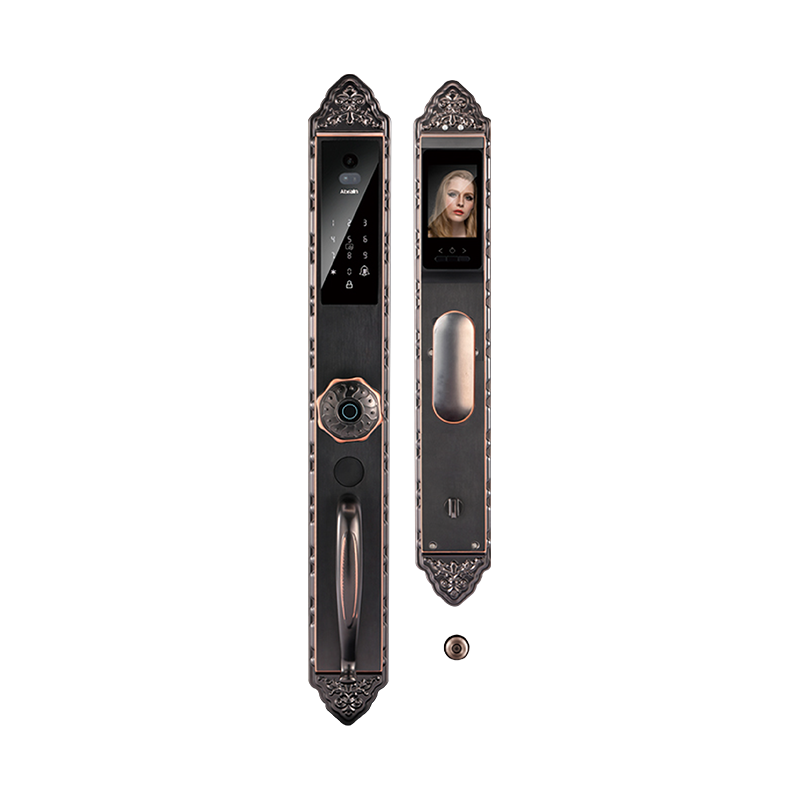
Materials shape the everyday reality of a lock in ways that go beyond surface appeal.
Material Influences Both Security and Durability
A solid body can make a real difference when something bumps against it or when someone tries to force entry. Over time, these materials either keep their shape or start to give way under pressure from regular handling.
Surface Material Affects Long-Term Appearance
The outer finish decides whether your lock still looks decent after kids touch it constantly or after seasons of humidity roll through. Some hold their color and smoothness while others pick up marks that never quite fade.
Internal Components Matter as Much as the Exterior
Even with a nice exterior, weak gears or latches inside can create frustrating moments down the line. You notice this especially when the mechanism starts grinding or the alignment feels off after repeated cycles.
Common Materials Used in a Smart Lock
Zinc alloy turns up frequently because it offers a workable mix of affordability and flexibility in design.
Zinc Alloy Smart Locks
It adapts well to different looks, which explains its popularity around typical household entrances.
Stainless steel steps in when conditions get rougher.
Stainless Steel Smart Locks
The added firmness and ability to shrug off rust make it a go-to for spots with heavier activity.
Aluminum alloy brings a different feel altogether.
Aluminum Alloy Smart Locks
Its lighter nature suits modern setups where you do not want extra bulk dragging things down.
Plastic composites fill supporting roles in many units.
Plastic and Composite Components
They cut costs in non-critical areas, though they tend to reveal their shortcomings when pushed hard over months of use.
What materials are commonly used in a Smart Lock? Why does lock body material affect durability? Is stainless steel better than zinc alloy for a Smart Lock?
How Material Affects a Smart Lock for Home Door
Family life creates its own rhythm of openings and closings. A lock needs to keep up without drawing attention to itself through squeaks or stiffness.
Daily Use and Wear Resistance
In homes, doors see action from morning until night. Materials that absorb this flow tend to stay smoother longer.
Moisture and Temperature Exposure
Near the kitchen or main entry, humidity swings hit hard. Certain builds manage those shifts without losing function as quickly.
Appearance Matching With Residential Interiors
You want something that blends in rather than stands out awkwardly. Finishes that echo your walls or furniture create that seamless feel.
Why Material Selection Is Different for a Smart Lock for Office Door
Shift to an office and everything changes. Traffic patterns turn constant instead of occasional.
Higher Traffic Requires Stronger Construction
Staff moving in and out all day puts steady demand on the hardware. Sturdier choices handle that pace without wearing down fast.
Office Locks Need Better Anti-Tampering Performance
Public access areas need extra toughness in the housing and latch areas to discourage any tampering attempts.
Material Stability Supports Access Control Systems
When the lock ties into broader entry systems, steady material performance keeps everything aligned and responsive.
Which materials work best for a Smart Lock for Wooden Door? Why do office environments require stronger lock materials?
Choosing the Right Material for a Smart Lock for Wooden Door
Wooden doors bring their own sensitivities.
Weight Compatibility With Wooden Doors
Lighter options avoid putting unnecessary strain on the frame, something heavier units can disrupt over time.
Surface Protection and Installation Stability
During fitting, good materials protect the surrounding wood and keep screws holding firm through daily use.
Matching Decorative Styles
Coordinated finishes help the lock feel like part of the door rather than an add-on.
How Material Impacts Smart Lock Lifespan
Think about how different rooms challenge a lock.
Corrosion Resistance in Different Environments
Coastal spots or steamy bathrooms test surfaces differently than dry indoor areas. Some hold their ground noticeably longer.
Wear Resistance Around Handles and Keypads
Frequent touching leaves its mark. Stronger coatings resist oils and friction that build up from regular contact.
Structural Stability Over Time
Gradual shifts happen in lesser builds. Quality materials resist that slow loosening you sometimes see after a couple of seasons.
How does material affect long-term maintenance? Can low-quality materials reduce smart lock security?
| Material | Common Use | Main Advantages | Points to Consider |
|---|---|---|---|
| Zinc Alloy | Home Door | Reasonable cost and styling options | Handles moisture with some limits |
| Stainless Steel | Office Door | Strong build and rust resistance | Comes at a higher price point |
| Aluminum Alloy | Wooden Door setups | Reduced weight and clean style | Not as tough against impacts |
| Plastic Composite | Supporting areas | Helps keep overall costs down | Shows wear faster in key spots |
What Buyers Compare Before Choosing a Wholesale Smart Lock
When sourcing larger quantities, teams dig deeper than basic looks.
Material Thickness and Construction Quality
They pay attention to how solid the shell feels and whether hidden supports add meaningful strength.
Surface Treatment and Finishing
Coatings and plating get examined for how well they might hold through months of exposure.
Certification and Material Standards
Results from rust and toughness checks give helpful clues about expected performance.
Consistency Across Bulk Orders
Steady manufacturing quality across shipments reduces headaches later on.
What do buyers compare before choosing a Wholesale Smart Lock supplier?
How a Smart Lock Factory Demonstrates Material Quality
Factories reveal their approach through the details they check.
Material Inspection Processes
Incoming materials go through verification, hardness checks, and coating reviews before anything moves forward.
Manufacturing Precision
Casting and machining accuracy show up in how cleanly parts fit together during assembly.
Surface Treatment Capabilities
Polishing and plating methods influence both the initial look and ongoing protection.
Product Testing Before Shipment
Operation cycles and exposure simulations help confirm the units can handle real conditions.
Material Considerations for Different Smart Lock Styles
Design types create unique demands on what materials work well.
Fingerprint Smart Locks
The sensor zone faces constant contact, needing surfaces that endure without breaking down.
Push-Pull Smart Locks
Handles absorb direct pressure, so rigidity becomes important to avoid any bending.
Slim Smart Locks
Thinner profiles still require materials that maintain strength despite the compact form.
Common Mistakes Buyers Make When Evaluating Smart Lock Materials
Some get drawn in by a polished look while skipping checks on the internal frame. Others let price dominate the conversation and later deal with faster wear. Many overlook how their particular space — whether damp or high-traffic — might affect the choice. You see this pattern repeat when people focus only on style and forget about the hidden details that matter after installation.
How to Match Smart Lock Materials to Real Installation Environments
Apartments with normal family flow often pair well with practical balanced builds. Villas gain from options that blend function with surrounding aesthetics. Office buildings usually call for constructions that manage steady movement. Rental units benefit from low-maintenance selections that cut down on service calls. Interior wooden doors work nicely with lighter approaches that respect the frame’s natural limits. Materials influence how smoothly any lock integrates into daily routines and stands up to its environment. Paying attention to both visible and hidden construction helps avoid regrets down the road. For steady results across different projects, connecting with a manufacturer that maintains consistent standards proves valuable. Consider reaching out to Yongkang Ruian Lock Industry Co, Ltd. when you need reliable options tailored to your doors.
Recommended Products

Ready to Begin?
Product Categories
Contact Information
 Email: [email protected]
 Phone: +86-13575699186
 Address: No.135, Wanyu Road, Zhiying Industrial Zone, Yongkang City, Zhejiang Province, China.
QR Code
Copyright © Yongkang Ruian Lock Industry Co, Ltd. All rights reserved.
