
 русский
  Español
  عربى
عربى 



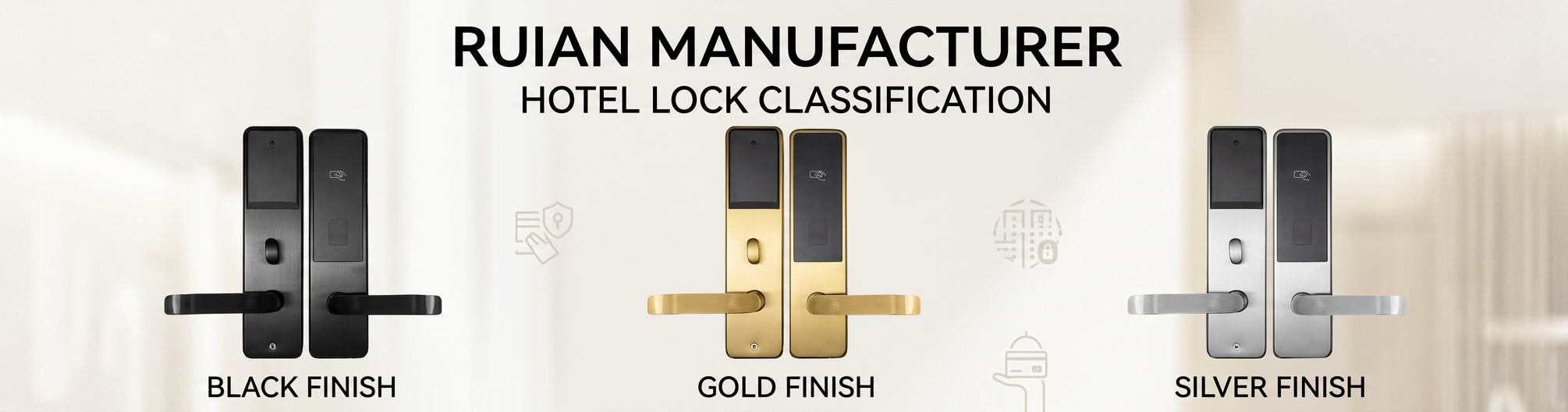
A Hotel Lock, also known as a Hotel Door Lock, Hotel Card Lock, or Hotel Smart Lock, is designed for hospitality rooms and managed accommodation spaces where secure access, smooth check-in, and reliable daily operation are essential. Unlike common residential smart locks, hotel locks usually work with RFID card access, an encrypted card system, hotel lock management software, and mechanical key backup to support room access control for guests and staff. They are widely used in hotel rooms, suites, serviced apartments, guesthouses, staff areas, and restricted public zones. For hotel projects, the lock must match door thickness, mortise size, handle direction, card system requirements, and front desk workflow. A durable structure, such as 304 stainless steel, helps improve corrosion resistance, wear resistance, handle stability, and long-term appearance. Ruian hotel locks are developed for stable RFID card operation, easy installation, customizable configuration, consistent quality, and long-term project support.

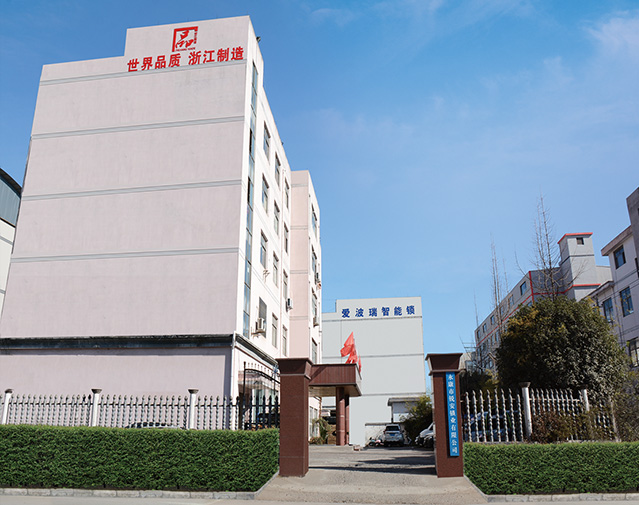
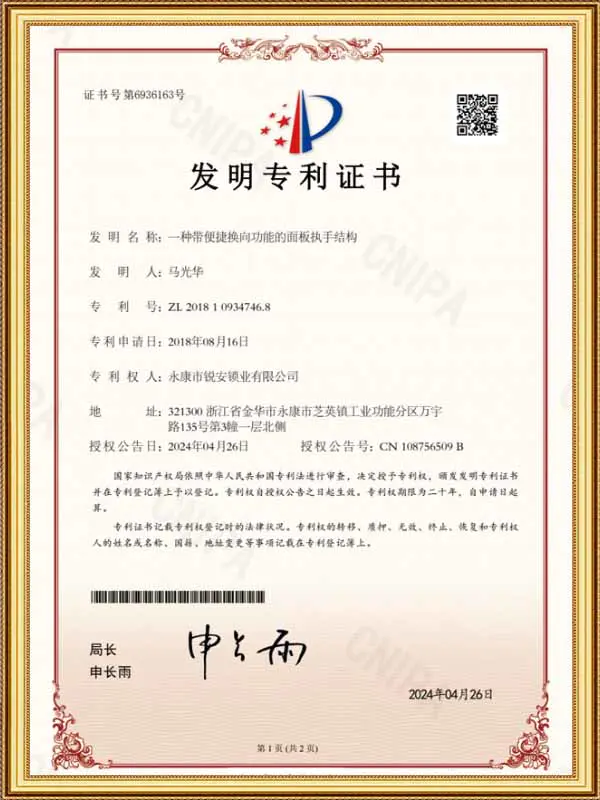
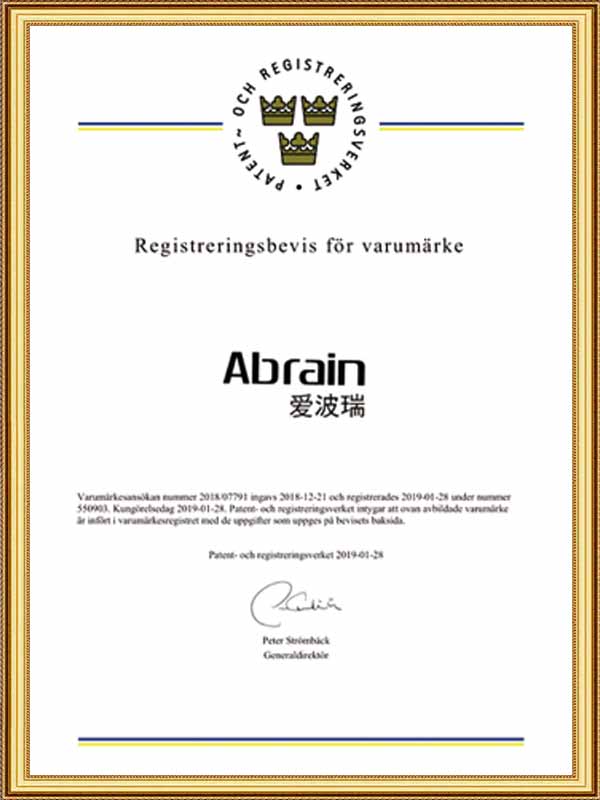
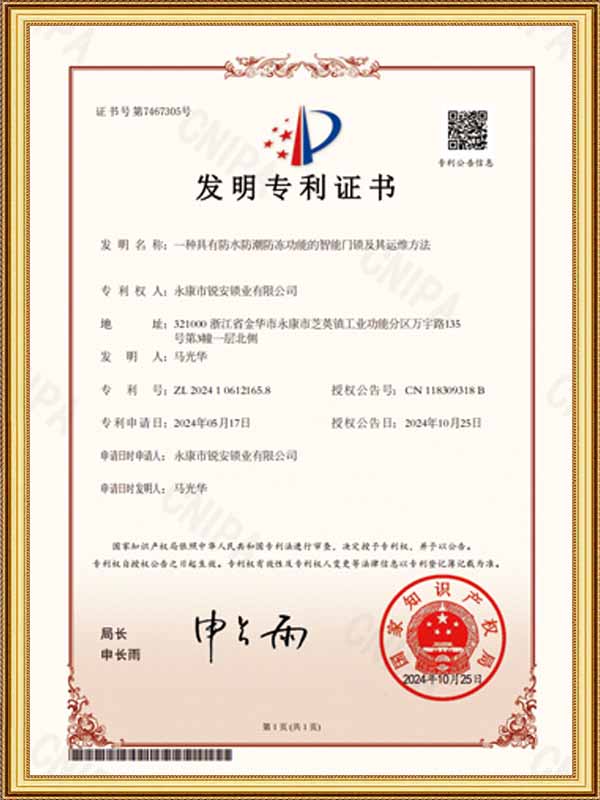
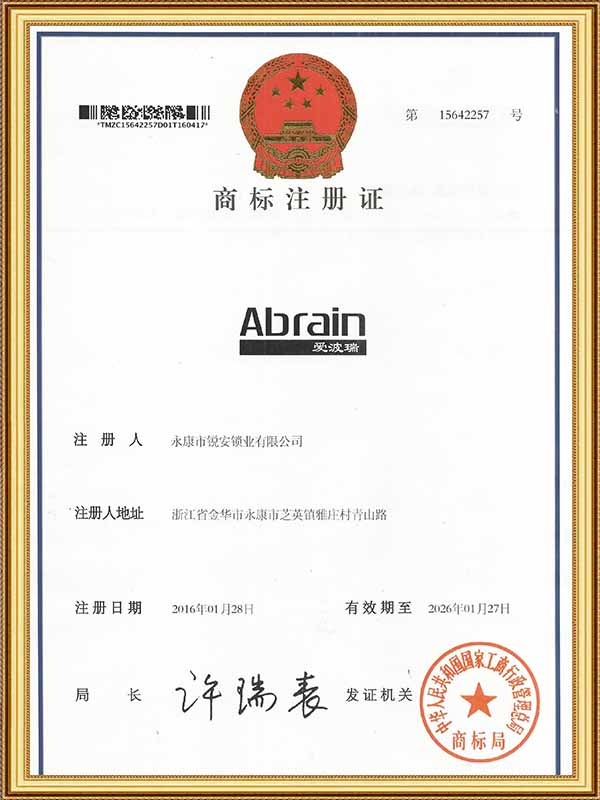
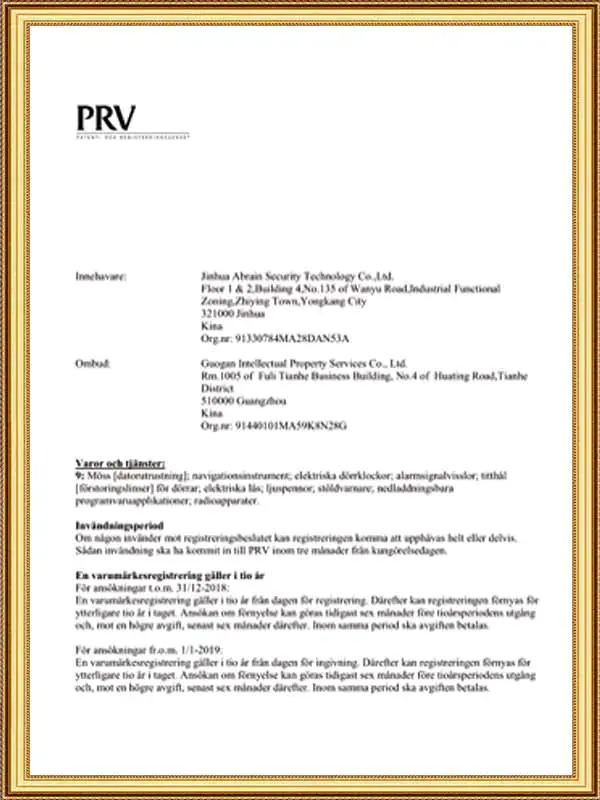
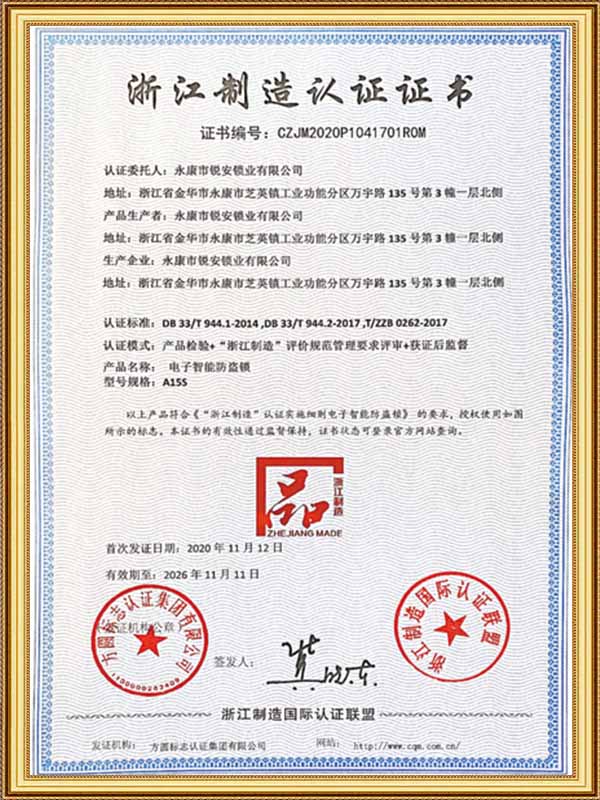
Founded in 2011 in Yongkang, Zhejiang province, the company covers an area of 5,000 square meters and employs 58 people. We are hotel lock manufacturer and supplier for OEM/ODM projects and focus on the 304 stainless steel series of waterproof and moisture-resistant security smart door locks, including entry doors, interior doors, glass doors, villa doors, 3D face fully automatic, double-sided waterproof smart door locks outside profile doors and courtyard portals, apartment locks, campus locks, stainless steel mechanical locks. We specialize in home improvement and real estate projects, and have established relationships with many brands, such as Dahua shares, Hangxiao Steel, Swedish brand ASSA ABLOY's company Guoqiang Hardware, Wangli Security, Star Moon Security, Xinduo Door, Caizhu Vanke, etc. Our products are exported to Southeast Asia and European countries. The company has several independent brands such as "Abrain" and "Rui'an", and has been awarded more than 20 national patents for invention, utility models, and appearance. Our Hotel Room Door Lock Solutions for Hotels Products have passed the certification for a quality management system, environmental management system and occupational health and safety management system, and the company won the patent demonstration enterprise of Yongkang City, the AA-level "Keep Contract and Keep Promise" enterprise of Zhejiang Province, and the "Made in Zhejiang" certification enterprise of Zhejiang Province and the Alibaba Super Factory. The company has a professional independent research and development team, and everything from product appearance and structural design to mold development, product prototyping and mass production can be completed independently. Our factory is also equipped with 3500㎡ production workshops and laser cutting machines, stamping equipment, hydraulic machines, automatic welding machines, and fine engraving machines. With more than 50 automatic polishing lines, automatic cleaning lines, assembly lines and other specialized equipment, annual production can reach 300,000 units. The lock shells are made of 304 stainless steel, which is not easy to rust and is durable. We have quality inspection equipment such as a whole lock function tester, constant temperature and room experiment box, salt spray test machine, aging test bench, etc. and we arrange special quality inspection personnel to keep watch on each link, strictly in accordance with ISO9001 standards.
-

Industry Experience
0+ -

Factory Area
0m² -

Current Employees
0+ -

Annual Output
0+
Our products comply with international industry standards, and we continue to innovate and keep pace with the times.
-
A door lock used to be the one thing in a house nobody had to think about. Turn the key, done. Smart locks changed that arrangement the moment they...
READ MORE -
A lock that worked fine last month can suddenly act strange after an unrelated update somewhere else in the house. The hub updates overnight, the a...
READ MORE -
Demographic shift is quietly reshaping product design across the hardware industry, and door locks haven't been exempt. As more households include ...
READ MORE -
Selling smart locks internationally involves far more than swapping labels or translating a user manual. A Smart Lock Factory working across multip...
READ MORE -
A smart lock doesn't enter a home in a vacuum. Behind every unit sold sits a building type, a door, a household, and a set of daily habits that shape ...
READ MORE
Hotel Lock Solutions for RFID Card Access, Guest Room Security, and Hospitality Projects
A Hotel Lock is a door lock system built with hospitality environments in mind—hotel rooms, suites, serviced apartments, guesthouses, staff areas, restricted public zones. It's not just hardware bolted onto a door somewhere; it functions as a working part of the hotel's whole room access management setup.
Most hotel locks run on RFID card access, paired with an encrypted card system, hotel lock management software, and mechanical key backup for when things go sideways. Put together, this lets front desk teams and hotel operators control room access according to guest stay time, staff roles, which floor a room sits on, and current room status.
A Hotel Card Lock typically operates alongside card encoders, management software, room cards, staff cards, master cards, and emergency access tools. That's really what sets it apart from smart locks meant for homes or offices.
Hotel Card Lock vs. Ordinary Smart Door Lock
An ordinary smart door lock tends to center on personal use—fingerprint, password, mobile app access, maybe a WiFi connection thrown in. All useful for a home or apartment, sure, but none of it lines up especially well with how a hotel actually operates day to day.
A Hotel Card Lock, instead, is built around:
- Guest check-in and check-out access
- Time-limited room card validity
- Staff card permission levels
- Room number and floor-based card settings
- Encrypted card operation
- Centralized software management
- High-frequency use across many rooms
Access in a hotel room needs to move fast, reset without hassle, and stay manageable through one system. That's precisely where hotel locks pull ahead in terms of operational value.
Hotel Lock vs. Residential Smart Lock
A residential smart lock usually answers to whoever lives there—the resident, the property owner. Fingerprint, password, app control, family access tend to be the focus.
A hotel lock, though, gets built for professional room management instead. Guest cards, staff cards, master cards, floor cards, validity settings that can be adjusted on the fly—hotel teams issue and cancel cards based on how long a guest is staying or what permission level a staff member holds. For daily hotel operation, that kind of control isn't optional.
Hotel Lock vs. Traditional Mechanical Lock
Traditional mechanical locks depend on physical keys, and in a hotel setting, that creates headaches pretty quickly. Keys go missing, get copied without anyone knowing, end up mixed between rooms, or just prove hard to track down once a guest checks out.
A hotel card lock sidesteps most of that. Lose a card, and a new one gets issued while the old access gets shut off according to however the system's configured. Convenience goes up, and so does the overall security posture.
Hotel Lock vs. General Access Control Lock
General access control locks show up at building entrances, offices, gates, public access points—places where they might tie into a larger access control system, but without necessarily being built for how a hotel room actually functions.
A hotel lock leans specifically into hospitality scenarios: room-based access, guest stay periods, staff permission tiers, front desk card issuing, room-level management handled as a whole.
A few things that set it apart:
- Hotel room access management: Structured around room use and how long a guest is staying.
- RFID card operation: Quick and something guests already know how to use.
- Encrypted card system: Adds a layer of security to how access gets handled.
- Check-in and check-out process: Lines up with how the front desk actually works.
- Hotel lock management software: Handles card issuing and sets permission levels.
- Guest card and staff card permissions: Different cards, different access levels, depending on who's holding them.
- Mechanical key backup: There for emergency access when it's needed.
- Door compatibility: Fits hotel room doors and the door structures common across hospitality settings.
- High-frequency use requirements: Holds up under repeated daily operation without much fuss.
- Project installation suitability: Works across multi-room installations while keeping appearance and configuration consistent room to room.
Why Hotel Locks Are Important for Hospitality Projects
A hotel lock sits at the core of how guest room access actually gets managed. In any hospitality project, that single piece of hardware ends up touching security, front desk efficiency, the guest experience, staff workflow, and even maintenance cost down the line.
Guest Room Security
Access control needs to hold up reliably in a hotel room, no exceptions. A hotel lock worth its keep should keep unauthorized entry out, run on encrypted card access, and maintain a locking structure that doesn't give way under regular pressure. Mechanical strength, a card system that stays stable, and installation done correctly—all of these feed into how secure a guest room actually turns out to be.
Smooth Check-In Experience
Guests want access that's fast and doesn't require a learning curve once check-in wraps up. RFID card access lets the front desk hand over a room card in seconds, and from there, guests just walk in—no app tutorials, no password setup, nothing standing between them and their room.
Reduced Physical Key Management
Physical keys create ongoing headaches in a hotel setting. They get lost, sometimes copied, occasionally returned days later than they should be. Hotel card locks cut down on that dependence, letting access get updated through the system instead of chasing down a missing key.
Better Access Permission Control
Not everyone needs the same level of access. Guests only need their assigned room. Cleaning staff might need certain rooms or entire floors. Managers often need something broader still. A hotel lock system handles these role-based distinctions in a way simple mechanical locks just can't match.
Easier Room Card Replacement
A lost or damaged card doesn't have to turn into a bigger problem. A replacement gets issued through the hotel lock management software, the old card gets invalidated based on however the system's set up, and operations barely feel the disruption.
Staff Access Management
Staff access requires its own level of care. Staff cards, floor cards, master cards, emergency cards—all of it can be configured around how the hotel actually runs, which helps keep work efficiency and access safety in reasonable balance.
Access Record Support
Some hotel lock systems keep track of entry activity, which turns out to be useful more often than people expect—whether it's a maintenance issue, a guest concern, or just an internal check hotel teams need to run.
Consistent Room Door Appearance
Hotel interiors depend on visual consistency running through every corridor. Keeping the same lock model, finish, handle style, and card reader design across rooms helps corridors look clean and keeps everything matching the hotel's broader interior style.
Better Integration with Hotel Workflow
A hotel lock earns its place when it supports the entire operational cycle—check-in, room card issuing, stay extension, card replacement, staff entry, room cleaning, checkout, emergency access. That full picture is exactly why a hotel lock deserves to be treated as part of the hotel's operation system, not just another piece of door hardware.
Long-Term Durability for High-Frequency Use
Guests, housekeeping staff, maintenance teams, managers—all of them touch these locks repeatedly, every single day. Handle operation, card reading, the vibration from doors closing again and again, wear that builds up over time—a hotel lock has to withstand all of it without falling apart on the job.
304 Stainless Steel Structure for High-Frequency Hotel Use
Hotel room locks see more action than almost any other lock in a building. Guests, cleaning staff, maintenance teams, managers—the same lock might get used dozens of times a day by different hands. That kind of pressure puts material strength and structural stability right at the center of what matters.
A 304 stainless steel hotel lock brings some clear advantages to a hospitality setting.
Rust Resistance
304 stainless steel simply holds up against rust better than a lot of ordinary metal materials manage to. That matters a great deal for hotels sitting in humid climates, coastal cities, or buildings where cleaning happens constantly.
Corrosion Resistance
Moisture, cleaning products, constant hand contact, temperature swings—hotel corridors and room doors deal with all of it. Materials that resist corrosion help a lock keep both its performance and its looks intact through years of that exposure.
Moisture Resistance
Moisture doesn't just dull a surface finish; it can work its way into internal components too. A stainless steel structure that stays stable helps push service life further in humid environments, where lesser materials might start showing problems early.
Wear Resistance
Hands touch these locks constantly, and handles get operated over and over throughout the day. A structure built to resist wear, paired with the right surface treatment, keeps visible aging at bay and holds appearance together longer than it otherwise would.
Strong Lock Panel Structure
A panel with real strength keeps the lock sitting solidly on the door, cutting down on looseness, deformation, or a fit that starts drifting off after years of use.
Stable Handle Operation
Guest experience hinges more on handle feel than people might expect. A handle that's loose or stiff can make a room feel neglected even when nothing else is wrong. A handle mechanism built to last keeps daily use feeling smooth instead of clunky.
Easy Cleaning
Hotel locks get wiped down regularly as part of routine cleaning, and stainless steel surfaces make that easy—no fuss, no special treatment required, just practical upkeep.
Suitable for Hotel Corridors and Room Doors
Corridors and room doors need hardware that looks clean, performs without hiccups, and survives daily traffic without complaint. 304 stainless steel checks these boxes well.
Good Appearance Retention
A finish that stays consistent helps protect the hotel's overall interior image. Locks with weaker surface quality tend to show scratches, discoloration, or corrosion far sooner than they should.
Longer Service Life in High-Use Environments
Maintenance pressure eases up the longer a hotel lock stays stable. Material strength, surface treatment, handle structure, and how well the electronics hold up under testing—all of these shape what long-term cost actually looks like.
Application Scenarios for Hotel Smart Locks
A Hotel Smart Lock can be used in different hospitality and managed-space environments. Each scenario has its own access needs, system requirements, and installation points.
Hotel Guest Rooms
- Use value: Supports guest room security and smooth check-in.
- Recommended configuration: RFID card access, encrypted card system, mechanical key backup, hotel lock management software.
- Installation notes: Check door thickness, mortise size, handle direction, and strike plate alignment.
Hotel Suites
- Use value: Provides secure access for premium rooms while maintaining a modern appearance.
- Recommended configuration: RFID card, staff permission setting, access record support if applicable, 304 stainless steel structure.
- Installation notes: Confirm interior design finish, door material, and room layout needs.
Serviced Apartments
- Use value: Supports flexible room access and longer-stay management.
- Recommended configuration: RFID card, optional app management, mechanical key backup, access record support if applicable.
- Installation notes: Check whether doors follow hotel-style mortise preparation or apartment-style lock preparation.
Guesthouses and Boutique Stays
- Use value: Improves room access management while keeping operation simple.
- Recommended configuration: RFID card system, compact management software, durable lock body.
- Installation notes: Confirm door consistency across rooms, especially in renovated buildings.
Staff Areas
- Use value: Controls access to staff rooms, storage areas, maintenance rooms, and service corridors.
- Recommended configuration: Staff cards, floor cards, master card permission, access records if applicable.
- Installation notes: Check daily traffic level and door material.
Restricted Public Areas
- Use value: Helps control access to management rooms, equipment rooms, and service-only zones.
- Recommended configuration: RFID card access, staff permission settings, mechanical key backup.
- Installation notes: Confirm whether higher access control level or stronger lock body is required.
Apartment Hotels
- Use value: Combines hotel-style front desk access with apartment-style room use.
- Recommended configuration: RFID card, temporary access settings, management software, long-life battery design.
- Installation notes: Check door thickness, lock replacement requirements, and system integration expectations.
Resort Villas
- Use value: Supports guest access for separate villa rooms or outdoor-adjacent entrances.
- Recommended configuration: RFID card, mechanical key backup, corrosion-resistant structure, moisture-resistant design.
- Installation notes: Review humidity, semi-outdoor exposure, and surface durability requirements.
Hotel Lock vs. Other Lock Types
Different lock types serve different access management needs. The table below helps show where a Hotel Lock offers stronger value and where other lock types may be more suitable.
| Lock Type | Main Access Method | Management Style | Door Compatibility | Best Use Scenario | Service Risk Level |
|---|---|---|---|---|---|
| Hotel Lock | RFID card, encrypted card system, mechanical key backup | Hotel software, guest cards, staff cards, permission settings | Hotel room doors, suites, serviced apartments, staff areas | Hospitality rooms and managed accommodation spaces | Lower when door data and system settings are confirmed |
| Residential Smart Lock | Fingerprint, password, app, key backup | Individual or household management | Home entry doors, apartment doors, selected interior doors | Homes, private apartments, smart home use | Medium if used for hotel workflow without proper system support |
| Traditional Mechanical Lock | Physical key | Manual key control | Many basic door types | Simple rooms or low-management spaces | Higher in hotels due to lost keys and access changes |
| General Access Control Lock | Card, keypad, controller-based access | Building or area access control | Offices, public entrances, restricted areas | Building entrances, staff-only zones, commercial access points | Medium if used for guest room workflow without hotel card logic |
A Hotel Card Lock is the most suitable option when room-level access, guest stay timing, staff permissions, and front desk workflow must work together. Its value is strongest in hospitality projects where both guest experience and access management efficiency matter.
Why Choose Ruian Hotel Lock Manufacturer
Ruian works primarily with Hotel Lock, Hotel Card Lock, and Hotel Smart Lock solutions built for hospitality rooms and managed accommodation projects. Throughout the design process, attention goes toward door compatibility, RFID card system stability, 304 stainless steel structure, how easy installation ends up being, consistency in quality, and the ability to keep supplying over the long run.
Hotel Door Compatibility Support
Technical confirmation covers door thickness, mortise size, lock body dimensions, handle direction, backset, strike plate alignment, and whatever replacement requirements come up along the way. Getting these details settled early helps cut down on uncertainty before a project actually gets installed.
Stable RFID Card System
A hotel lock needs to read cards quickly, and it needs to do that consistently, every time. RFID card access, encrypted card operation, guest card settings, staff card permissions, master card functions, and management software matched to what the project actually needs—all of it works together here.
304 Stainless Steel Structure
Hotel locks built around 304 stainless steel bring rust resistance, corrosion resistance, moisture resistance, and wear resistance into the mix, keeping appearance steady even under the kind of frequent use hotels put locks through.
OEM/ODM Customization
Customization stretches across logo placement, panel finish, handle style, RFID card design, packaging, user manuals, software language, card system configuration, and settings tailored to specific markets.
Quality Control Process
Checks run through material inspection, surface treatment review, mortise matching tests, handle cycle tests, RFID card reader tests, software function tests, battery consumption tests, emergency key tests, aging tests, appearance inspection, packaging inspection, and a final round of random checking before anything ships out.
Stable Supply Capability
Long-term hotel projects depend on consistency—same models, same finishes, same card systems, matching accessories, technical documents that don't fall out of sync. Standardized production keeps continuity intact and makes future replacement far less of a headache.
Technical and Project Support
Support extends to product catalog information, technical specifications, installation drawings, sample testing, software guidance, troubleshooting documents, and recommendations tailored to specific hotel project needs.
A hotel lock has become a genuinely important piece of modern hospitality access management. Good compatibility with hotel room doors, RFID card access that stays stable, encrypted card system operation, tighter control over guest room access, and a front desk workflow that moves more smoothly—these are the things it delivers. Set against ordinary residential smart locks or traditional mechanical locks, a hotel card lock fits hotel rooms, suites, serviced apartments, guesthouses, staff areas, and restricted public zones far more naturally.
Over years of daily use, a 304 stainless steel structure built to last, a modern appearance, handle operation that stays stable, resistance to moisture and corrosion, and electronic testing that holds up—together, these shape a better guest experience and ease the maintenance burden considerably. With product configuration that can flex, OEM/ODM support, quality control running throughout, and supply that stays dependable, Ruian's hotel locks fit into hospitality project applications and brand-focused product planning without friction.
Ruian offers support across product catalog review, technical specifications, sample testing, OEM/ODM solutions, hotel project recommendations, and quotation details for hotel door lock applications.

 Email: [email protected]
 Phone: +86-13575699186
 Address: No.135, Wanyu Road, Zhiying Industrial Zone, Yongkang City, Zhejiang Province, China.
QR Code
Copyright © Yongkang Ruian Lock Industry Co, Ltd. All rights reserved.
